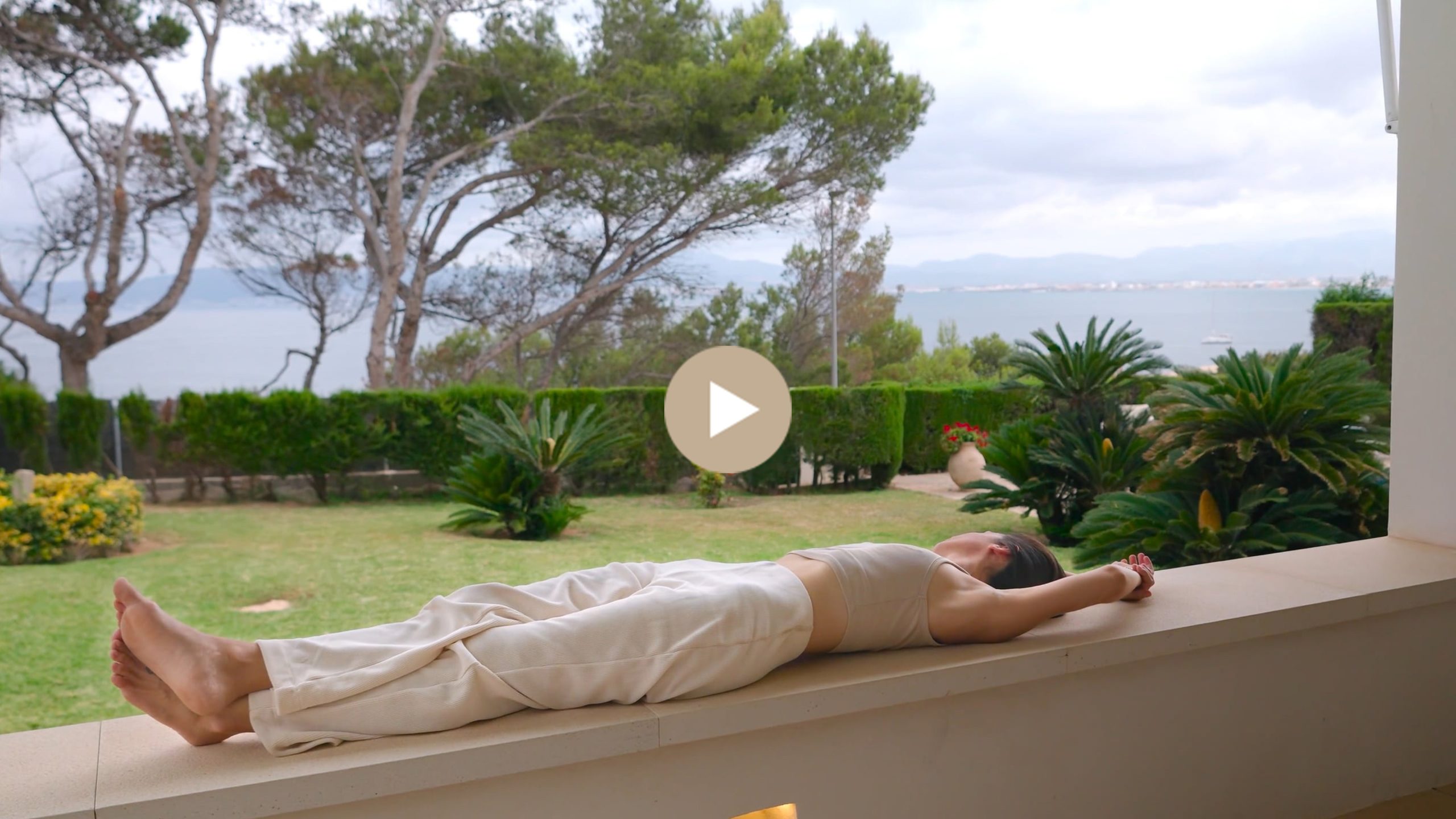

- The bipolar spectrum includes a range of mood-related conditions characterised by fluctuations in energy, mood, activity, and regulation, which may vary in intensity, duration, and presentation.
- At THE BALANCE, bipolar spectrum conditions are understood not as fixed labels, but as patterns of mood regulation and nervous system activation that require careful assessment, long-term perspective, and integrated clinical care.
- Bipolar spectrum conditions require careful pacing and monitoring.
The bipolar spectrum includes a range of mood-related conditions characterised by fluctuations in energy, mood, activity, and regulation, which may vary in intensity, duration, and presentation.
At THE BALANCE, bipolar spectrum conditions are understood not as fixed labels, but as patterns of mood regulation and nervous system activation that require careful assessment, long-term perspective, and integrated clinical care.
UNDERSTANDING THE BIPOLAR SPECTRUM
Mood variability exists on a continuum. Within the bipolar spectrum, individuals may experience:
- periods of elevated energy or activity
- phases of reduced mood or exhaustion
- shifts in sleep, motivation, or focus
- changes in impulse control or decision-making
The nature and severity of these fluctuations differ widely between individuals.
HOW BIPOLAR SPECTRUM PRESENTATIONS MAY APPEAR
Presentations may include:
- alternating periods of high and low energy
- increased activity, confidence, or restlessness
- reduced need for sleep during elevated phases
- subsequent fatigue, low mood, or withdrawal
- emotional volatility or irritability
- difficulty maintaining consistent routines
Some individuals remain high-functioning despite significant internal instability.
BIPOLAR SPECTRUM IN COMPLEX PRESENTATIONS
At THE BALANCE, bipolar spectrum conditions are often seen alongside:
- anxiety or depressive symptoms
- burnout or chronic stress
- trauma-related conditions
- substance use or behavioral coping patterns
- sleep or circadian rhythm disturbances
Mood instability is approached within the broader clinical context rather than as an isolated diagnosis.
A CAUTIOUS & REGULATION-FOCUSED APPROACH
Bipolar spectrum conditions require careful pacing and monitoring. At THE BALANCE:
- stabilisation is prioritized before deeper therapeutic work
- sudden or intensive changes are avoided
- emotional and physiological rhythms are supported
- care is adjusted responsively over time
Consistency and predictability support long-term stability.
HOW BIPOLAR SPECTRUM CONDITIONS ARE APPROACHED AT THE BALANCE
Care is:
- assessment-led and individualized
- multidisciplinary and closely coordinated
- trauma-informed across all disciplines
- attentive to psychological, physiological, and behavioral factors
Treatment may include psychotherapy, psychiatric care, medical oversight, neurobiological and somatic approaches, and structured recovery environments – integrated into a cohesive plan.
THE ROLE OF BIOLOGY & THE NERVOUS SYSTEM
Bipolar spectrum conditions often involve:
- sensitivity of mood regulation systems
- altered sleep-wake and circadian rhythms
- heightened stress reactivity
- difficulty maintaining equilibrium under demand
Supporting regulation and rhythm is central to care.
RESIDENTIAL & OUTPATIENT CONTEXTS
Depending on severity, risk, and functional impact, care may be provided within:
- Individualized Residential Care
- Small-Group Residential Care
- Outpatient & Continuity of Care
The level of care is guided by assessment, stability, and individual needs.
IMPORTANT NOTE ON LONG-TERM CARE
Bipolar spectrum conditions require a long-term perspective. Progress may include:
- increased mood stability
- improved regulation and predictability
- reduced intensity of fluctuations
- greater insight and self-management capacity
Care focuses on sustainable balance rather than eliminating variability entirely.
NEXT STEPS
If mood fluctuations or instability are affecting your functioning or quality of life, our admissions team can provide confidential guidance and help determine appropriate next steps.