
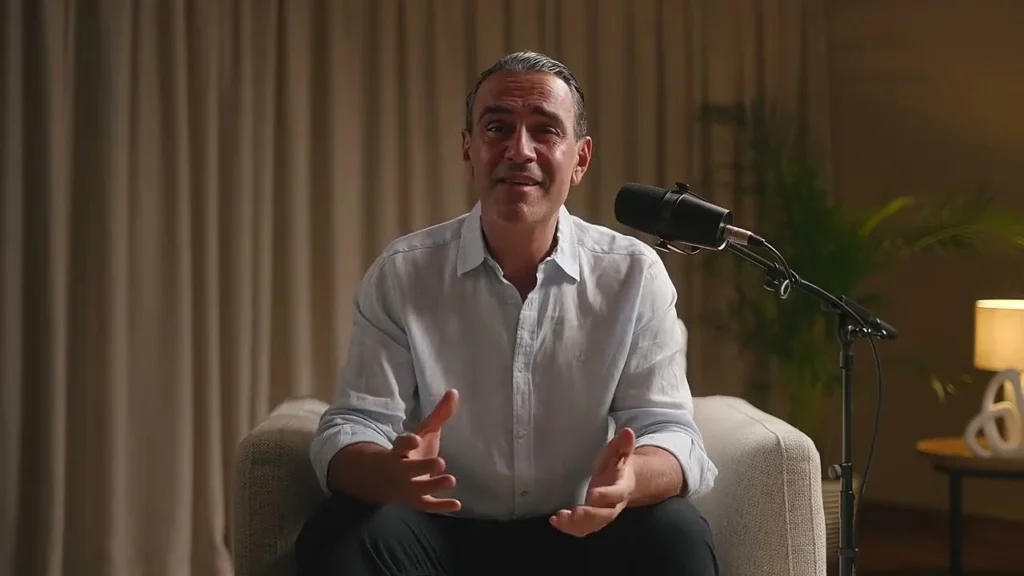
Podcast
Living a Life in Balance Podcast
Listen to thoughtful conversations with clinicians, leaders, and guests about mental health, addiction, relationships, responsibility, and a sustainable life.
Quick Summary
- Living a Life in Balance examines sustainable ways of navigating achievement, responsibility, relationships, health, identity, and personal transitions.
- Episodes combine clinical knowledge, professional experience, and personal reflection across mental health, addiction, trauma, recovery, ethics, privacy, and responsible care.
- The podcast is educational rather than clinical; guest appearances do not imply endorsement, and individual assessment is required for diagnosis or treatment planning.
Latest episodes
Long conversations. Complex questions.
01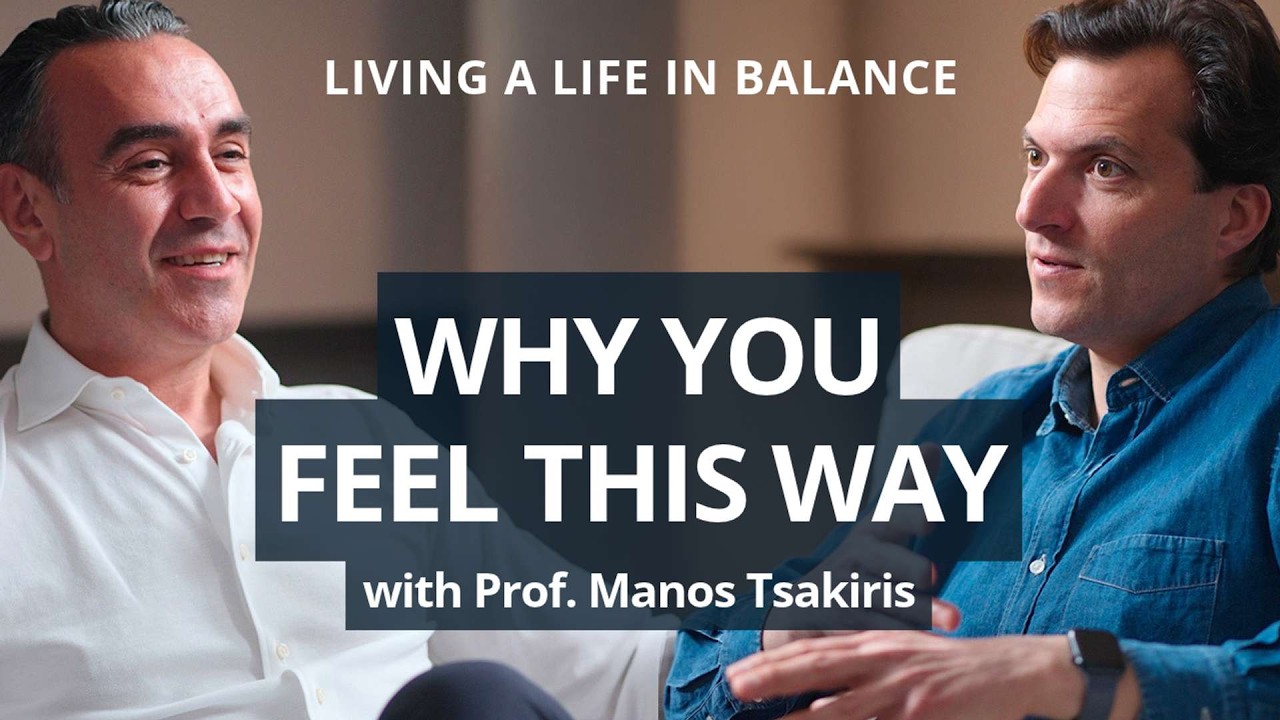 November 11, 2026The Science of Interoception: How Your Body Shapes Your Emotions with Professor Manos Tsakiris→02
 October 28, 2026Living Through War: Trauma, Survival and the Impact Across Generations with Mike Niconchuk→03
 October 15, 2026Being Strong Isn’t the Same as Healing from Trauma: My Conversation with Wendy D’Andrea, PhD→04
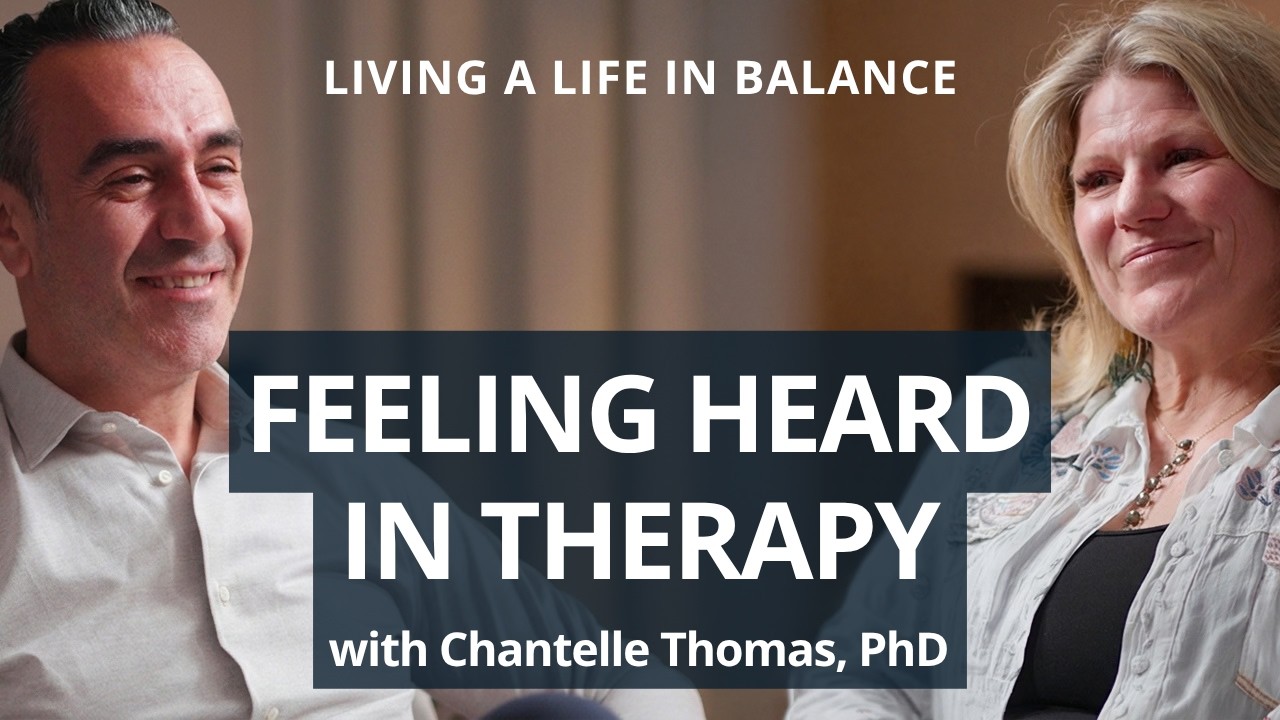 September 30, 2026Feeling Heard in Therapy: My Conversation with Chantelle Thomas, PhD→05
 September 15, 2026Trauma Healing Begins with Safety: My Conversation with Janina Fisher, PhD→06
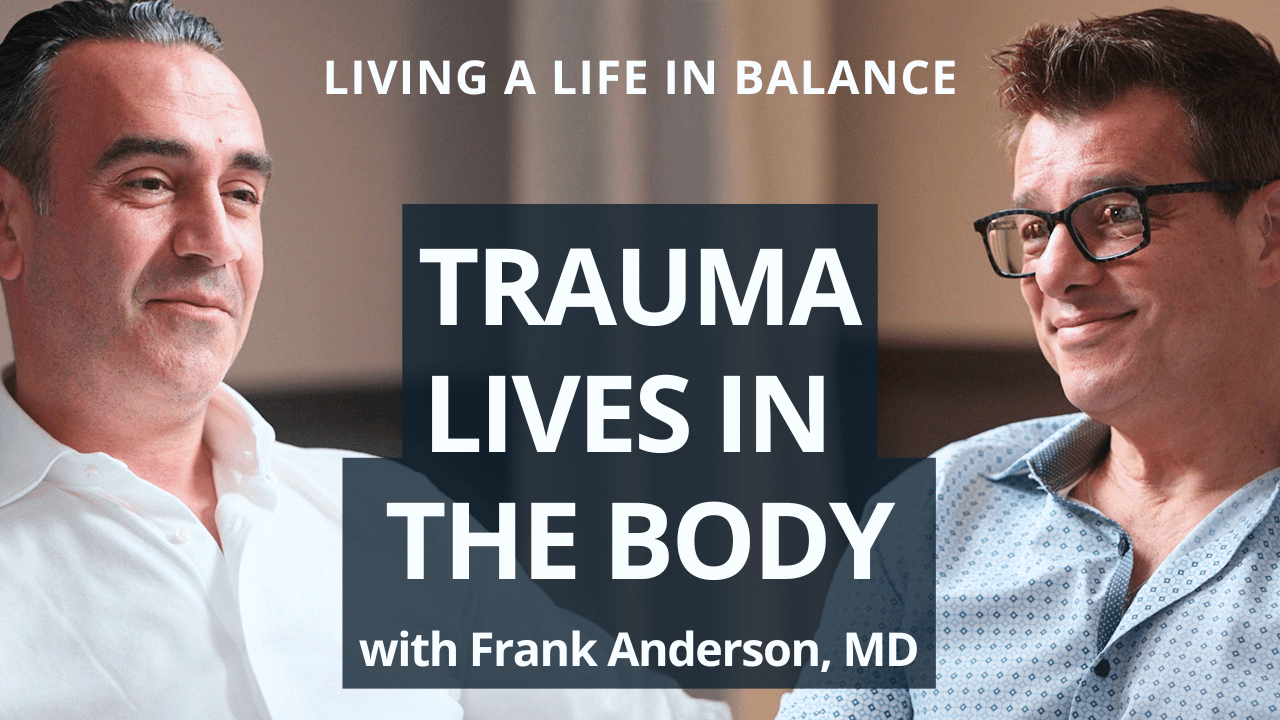 September 1, 2026Trauma Lives in the Body: My Conversation with Frank Anderson, MD→07
 August 19, 2026Internal Family Systems (IFS) Explained: How Our Parts Help Us Heal | Richard Schwartz, PhD→08
 August 4, 2026From Struggle and Addiction to Shaping the Trauma Industry | Araminta Jonsson→09
 July 21, 2026Understanding Gender Dysphoria and Identity: The Autism Connection | Dr. Az Hakeem→10
 July 7, 2026When Love Becomes Abuse: The Healing Journey to Self-Worth & Growth | Jil Moore→11
 June 23, 2026Equine-Assisted Therapy: How Horses Help People Heal | Denise Stergoulis→12
 June 9, 2026Work Addiction & Executive Burnout: Why High Achievers Can’t Switch Off | Obi Unaka→13
 May 26, 2026The Hidden Impacts of Gut Health: Brain Fog, Bloating, Fatigue, Inflammation & More→14
 May 12, 2026How Dysfunctional Families Shape Trauma and Addiction | Heather Hayes→15
 April 28, 2026Why Young Adults Struggle Today: From Childhood Trauma to Healthy Relationships→16
 April 14, 2026Why Relationships Fail: Family Trauma, Addiction & Communication Breakdowns→17
 April 1, 2026Understanding Chronic Pain: And Its Role in the Opioid Epidemic→18
 March 17, 2026Sex & Porn Addiction: Understanding Compulsive Behavior and Recovery→19
 March 4, 2026The Shadows of Childhood and Generational Trauma: The Hidden Roots of Addiction and Mental Illness→20
 February 18, 2026Living With Loss: The Psychology of Grief, Trauma, and Emotional Healing→21
 February 3, 2026Navigating Complex Mental Health & Addiction Recovery: A journey from Self-Harm to Self-Parenting→22
 January 20, 2026Navigating Young Adult Recovery: Insights and Actionable Strategies→23
 January 6, 2026Shaping Addiction Recovery: Rethinking Relapse, Outcomes, and Support→24
 December 16, 2025Breaking Codependency: Shame, Abuse, Addiction, and the Path to Recovery→25
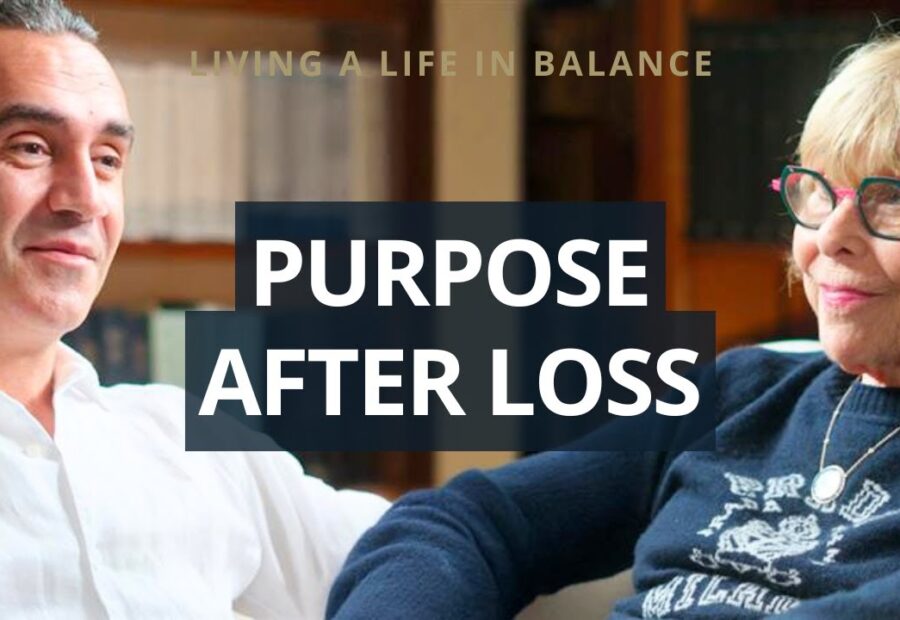 December 9, 2025Purpose After Loss: Dr Louise Stanger on Grief, Trauma, and What Aging Feels Like→26
 December 2, 2025How Grief Yoga Can Heal: And Where Trauma Lives in the Body→27
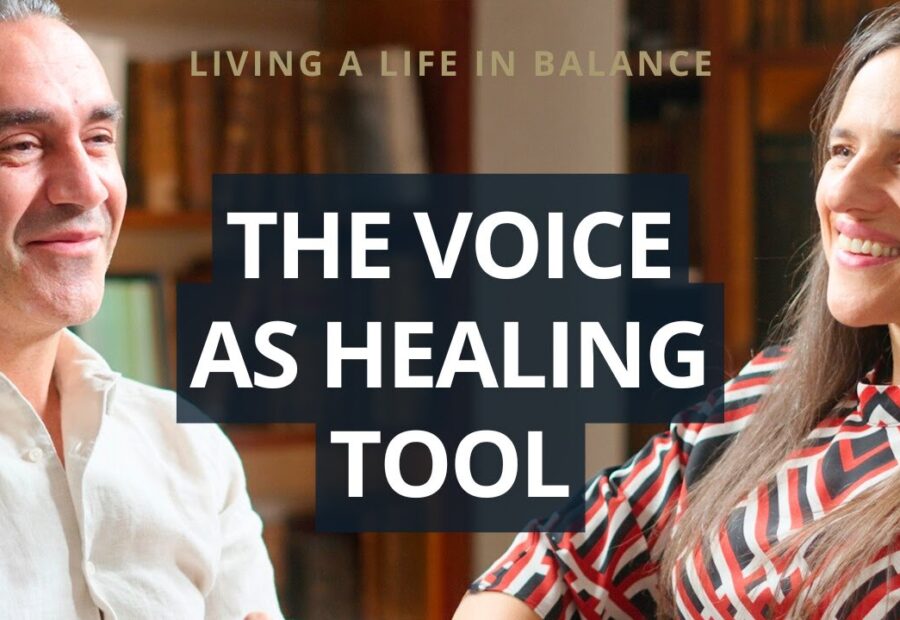 November 25, 2025The Voice as Healing Tool: From Pain to Transformative Expression→28
 November 18, 2025From Struggle to Resilience: Emotional Skills for Parents and Adolescents→29
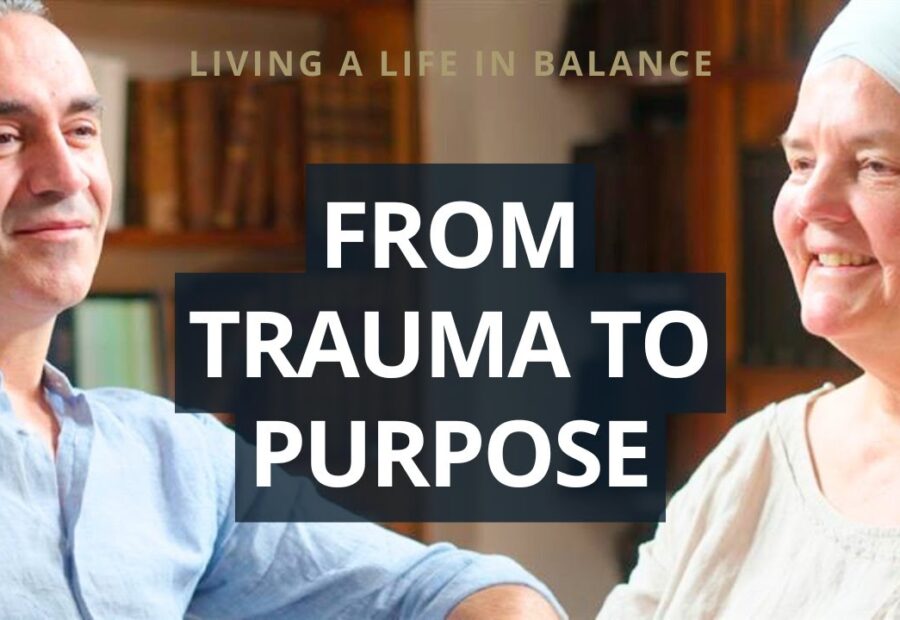 November 11, 2025From Trauma to Purpose: Sat Dharam Kaur’s Spiritual Wisdom & Compassionate Inquiry with Gabor Maté→30
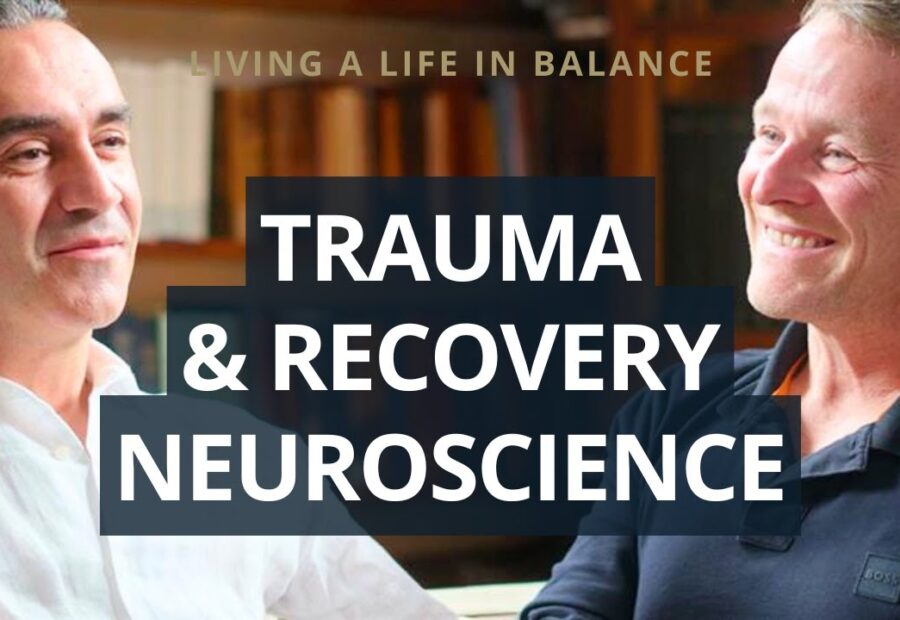 November 4, 2025The Neuroscience of Trauma & Recovery: Rewiring the Brain and Achieving Lasting Change→31
 October 29, 2025Licia Sky on Embodied Trauma Healing: Insights from a Near-Death Experience and Psychedelics→32
 October 21, 2025Finding Safety Within: The Path to Self-Compassion and Emotional Peace→33
 October 14, 2025The Longevity Blueprint: Gut Health, Metabolic Energy, and Stress Control→34
 October 7, 2025Healing Your Inner Child: Rebuilding Self-Esteem and Learning to Love Who You Are→35
 October 1, 2025The Psychology of Grief: Ritual, Loss, and Why Love Never Leaves Us→36
 September 16, 2025Overcome Addiction Shame & Stigma: How to Thrive in Recovery and Prevent Relapse→37
 September 2, 2025Inside THE BALANCE’s Interior Design with Karin Hepp and Andreas Thomczyk→38
 August 19, 2025Inflammation, Gut Health and Well-being with Fernanda Lima Sento Sé→39
 August 5, 2025Yoga, Breath and Sound: Personal Practice with Estela Garcia→40
 July 22, 2025Our Bodies Are NOT Fragile: Debunking Fitness Myths, Kinesiology, and How to Train for Real Strength→41
 July 8, 2025HEALTHY Body AGING: A Physio’s Guide to Longevity, Posture Alignment & Pain-Free Living→42
 June 24, 2025Wealth, Fame and Mental Health: A Conversation with Dr Sarah Boss→43
 June 10, 2025Holistic Healthcare and Clinical Assessment with Dr Indhira Ghyssaert→44
 May 27, 2025STOP FEARING FOOD: Debunking Nutrition Myths, Fasting Trends & the Truth About Gut Health→45
 May 13, 2025Body Awareness, Rolfing and Trauma: A Conversation with Petró Kohut→46
 April 29, 2025Access the Wisdom of your Body: How Mindfulness, Meditation and Breathwork help in Trauma Therapy→47
 April 15, 2025Addiction Recovery, the Brain and How Families Can Help: My Conversation with Enrique Balasch Torres→48
 April 1, 2025HAPPINESS Happening NOW: How Integrative Psychotherapy Aligns Mind, Body & Spirit for a Fulfilled Life→49
 March 20, 2025We were BUILT to SURVIVE: The Science of Trauma, Resilience and the Future of Mental Health Care→
November 11, 2026The Science of Interoception: How Your Body Shapes Your Emotions with Professor Manos Tsakiris→02October 28, 2026Living Through War: Trauma, Survival and the Impact Across Generations with Mike Niconchuk→03October 15, 2026Being Strong Isn’t the Same as Healing from Trauma: My Conversation with Wendy D’Andrea, PhD→04September 30, 2026Feeling Heard in Therapy: My Conversation with Chantelle Thomas, PhD→05September 15, 2026Trauma Healing Begins with Safety: My Conversation with Janina Fisher, PhD→06September 1, 2026Trauma Lives in the Body: My Conversation with Frank Anderson, MD→07August 19, 2026Internal Family Systems (IFS) Explained: How Our Parts Help Us Heal | Richard Schwartz, PhD→08August 4, 2026From Struggle and Addiction to Shaping the Trauma Industry | Araminta Jonsson→09July 21, 2026Understanding Gender Dysphoria and Identity: The Autism Connection | Dr. Az Hakeem→10July 7, 2026When Love Becomes Abuse: The Healing Journey to Self-Worth & Growth | Jil Moore→11June 23, 2026Equine-Assisted Therapy: How Horses Help People Heal | Denise Stergoulis→12June 9, 2026Work Addiction & Executive Burnout: Why High Achievers Can’t Switch Off | Obi Unaka→13May 26, 2026The Hidden Impacts of Gut Health: Brain Fog, Bloating, Fatigue, Inflammation & More→14May 12, 2026How Dysfunctional Families Shape Trauma and Addiction | Heather Hayes→15April 28, 2026Why Young Adults Struggle Today: From Childhood Trauma to Healthy Relationships→16April 14, 2026Why Relationships Fail: Family Trauma, Addiction & Communication Breakdowns→17April 1, 2026Understanding Chronic Pain: And Its Role in the Opioid Epidemic→18March 17, 2026Sex & Porn Addiction: Understanding Compulsive Behavior and Recovery→19March 4, 2026The Shadows of Childhood and Generational Trauma: The Hidden Roots of Addiction and Mental Illness→20February 18, 2026Living With Loss: The Psychology of Grief, Trauma, and Emotional Healing→21February 3, 2026Navigating Complex Mental Health & Addiction Recovery: A journey from Self-Harm to Self-Parenting→22January 20, 2026Navigating Young Adult Recovery: Insights and Actionable Strategies→23January 6, 2026Shaping Addiction Recovery: Rethinking Relapse, Outcomes, and Support→24December 16, 2025Breaking Codependency: Shame, Abuse, Addiction, and the Path to Recovery→25December 9, 2025Purpose After Loss: Dr Louise Stanger on Grief, Trauma, and What Aging Feels Like→26December 2, 2025How Grief Yoga Can Heal: And Where Trauma Lives in the Body→27November 25, 2025The Voice as Healing Tool: From Pain to Transformative Expression→28November 18, 2025From Struggle to Resilience: Emotional Skills for Parents and Adolescents→29November 11, 2025From Trauma to Purpose: Sat Dharam Kaur’s Spiritual Wisdom & Compassionate Inquiry with Gabor Maté→30November 4, 2025The Neuroscience of Trauma & Recovery: Rewiring the Brain and Achieving Lasting Change→31October 29, 2025Licia Sky on Embodied Trauma Healing: Insights from a Near-Death Experience and Psychedelics→32October 21, 2025Finding Safety Within: The Path to Self-Compassion and Emotional Peace→33October 14, 2025The Longevity Blueprint: Gut Health, Metabolic Energy, and Stress Control→34October 7, 2025Healing Your Inner Child: Rebuilding Self-Esteem and Learning to Love Who You Are→35October 1, 2025The Psychology of Grief: Ritual, Loss, and Why Love Never Leaves Us→36September 16, 2025Overcome Addiction Shame & Stigma: How to Thrive in Recovery and Prevent Relapse→37September 2, 2025Inside THE BALANCE’s Interior Design with Karin Hepp and Andreas Thomczyk→38August 19, 2025Inflammation, Gut Health and Well-being with Fernanda Lima Sento Sé→39August 5, 2025Yoga, Breath and Sound: Personal Practice with Estela Garcia→40July 22, 2025Our Bodies Are NOT Fragile: Debunking Fitness Myths, Kinesiology, and How to Train for Real Strength→41July 8, 2025HEALTHY Body AGING: A Physio’s Guide to Longevity, Posture Alignment & Pain-Free Living→42June 24, 2025Wealth, Fame and Mental Health: A Conversation with Dr Sarah Boss→43June 10, 2025Holistic Healthcare and Clinical Assessment with Dr Indhira Ghyssaert→44May 27, 2025STOP FEARING FOOD: Debunking Nutrition Myths, Fasting Trends & the Truth About Gut Health→45May 13, 2025Body Awareness, Rolfing and Trauma: A Conversation with Petró Kohut→46April 29, 2025Access the Wisdom of your Body: How Mindfulness, Meditation and Breathwork help in Trauma Therapy→47April 15, 2025Addiction Recovery, the Brain and How Families Can Help: My Conversation with Enrique Balasch Torres→48April 1, 2025HAPPINESS Happening NOW: How Integrative Psychotherapy Aligns Mind, Body & Spirit for a Fulfilled Life→49March 20, 2025We were BUILT to SURVIVE: The Science of Trauma, Resilience and the Future of Mental Health Care→Living a Life in Balance explores the tension between achievement, responsibility, relationships, health, and the need for a life that can be sustained. Episodes may bring together clinical knowledge, professional experience, and personal reflection without reducing complex questions to simple advice.
The podcast is editorial content from the wider THE BALANCE perspective. A guest’s views remain their own, and an appearance does not establish clinical endorsement, employment, referral status, or treatment availability.
Episodes are educational. They cannot diagnose a condition, assess immediate risk, recommend medication, or determine whether a private residential program is appropriate.
What the Podcast Explores
The podcast explores questions that help listeners think more clearly about being human and seeking responsible care.
- Mental health, addiction, trauma, stress, and recovery
- Relationships, family systems, trust, and boundaries
- Leadership, responsibility, identity, and the cost of constant performance
- Sleep, physical health, nutrition, and the limits of wellness claims
- Assessment, treatment, continuing care, and clinical responsibility
- Creativity, meaning, transition, and life beyond a professional role
- Ethics, privacy, evidence, and how health information is communicated
YOU MAY FIND THESE HELPFUL
Start here.
I’m looking for
Understand
Conditions We Treat
ExploreCare optionsTreatment at THE BALANCE
ExplorePlan your stayHow Admission Works
ExploreCare options
Assessment & Treatment Planning
ExplorePlan your stayHow Admission Works
ExploreUnderstandConditions We Treat
ExploreQuestions
Frequently Asked Questions
Is the podcast medical or psychological advice?
No. Episodes are educational and do not create a clinical relationship, diagnosis, risk assessment, or treatment recommendation.
Are podcast guests part of THE BALANCE team?
Not necessarily. Guests may contribute clinical knowledge, professional experience or personal reflection. An appearance does not establish employment or endorsement by THE BALANCE, and a role discussed in an older recording may have changed.
Are transcripts available?
Check the episode page for a linked transcript or other text material. If you need an accessible format that is not available there, contact THE BALANCE using the website’s published contact details.
Can an episode confirm which treatment I need?
No. Suitability and treatment planning require an individual clinical review and cannot be determined from general content.
Does a guest appearance mean THE BALANCE endorses a product?
No. A conversation does not automatically constitute institutional or clinical endorsement. Discussion of a product or method is not an individual treatment recommendation.
How should I interpret personal accounts?
Guests may discuss their own lives and experiences. A personal account reflects the speaker’s experience; it does not establish typical or guaranteed treatment outcomes or provide clinical advice for a listener.
How can I report an error?
Contact THE BALANCE using the website’s published contact details. Include the episode title or link, the relevant timestamp and the point you believe is inaccurate. Avoid sending personal clinical information with an editorial query.
Where can I listen?
Follow the listening links provided with each episode. Availability may vary by platform and can change over time.