
Living a Life in Balance
Purpose After Loss: Dr Louise Stanger on Grief, Trauma, and What Aging Feels Like
With Dr Louise Stanger
Dr. Louise Stanger reflects on grief, trauma, aging, and finding purpose after loss.
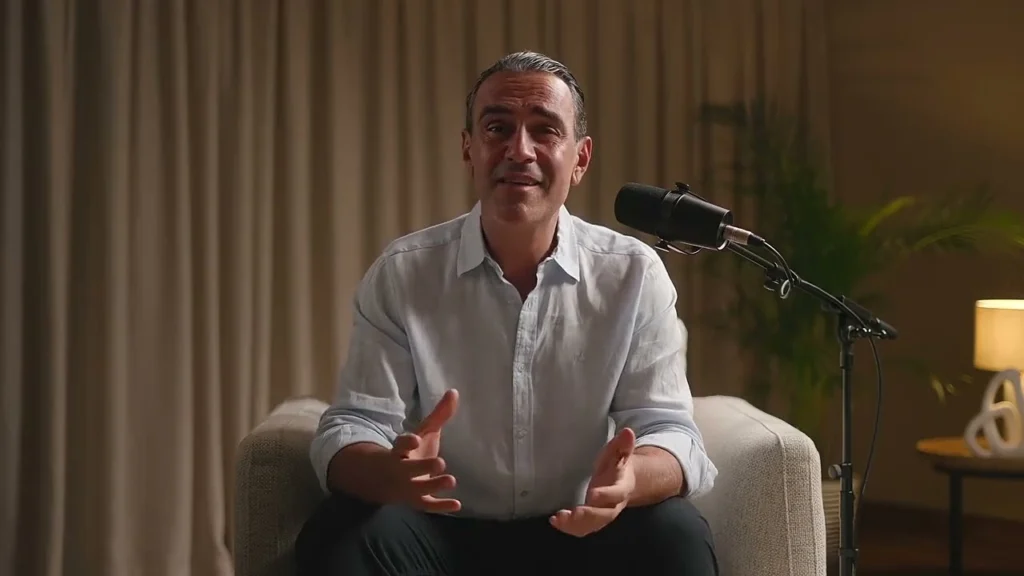
Listen to the conversation
Purpose After Loss: Dr Louise Stanger on Grief, Trauma, and What Aging Feels Like
Dr Louise Stanger
Inside this conversation
The experiences that shaped Dr Louise Stanger’s work
How the episode connects loss, identity and the ways grief continues to live through the body and relationships
Why individual context matters
More themes
- The role of human connection and support
- What a more balanced response can involve
The guest
Dr Louise Stanger
Dr Louise Stanger joins me on Living a Life in Balance to share professional insight, lived experience and reflections relevant to the themes explored in this episode.
From the host
Reflections on the conversation
What stayed with me from this conversation
+
Speaking with Dr Louise Stanger, I was struck by the way this conversation connected loss, identity and the ways grief continues to live through the body and relationships. These subjects are often discussed separately, although in a person’s life they can influence one another continuously.
What stayed with me is the idea that grief is not a problem to complete on a schedule. Loss may change form over time, and support should make room for continuing bonds, ambivalence, memory and the practical realities of living after something irreversible.
The discussion reminded me that presence can be more helpful than pressure to recover quickly. There are times when the most responsible response is to accompany pain, recognize its meaning and help a person regain movement at a pace that remains tolerable.
My broader reflection is that balance is not a fixed destination. It is the capacity to notice what is happening, understand what may be driving it and respond with greater awareness. Professional support can help create that capacity, but it must remain grounded in the person’s circumstances, choices and safety.
Episode summary
+
She reflects on losing a child to SIDS, the sudden death of her spouse, and the painful silence surrounding her father’s passing. Louise speaks about unanswered questions, generational wounds, and how the body often carries what the mind is not yet ready to hold.
This episode offers perspective for anyone navigating loss, supporting someone through grief, or trying to understand how our histories influence the way we love, parent, and build relationships.
Dr Louise Stanger is a respected clinician, interventionist, educator, and author who has supported families through addiction, trauma, and major life transitions. Her approach blends research, empathy, and practical guidance to help people strengthen relationships, rebuild trust, and create meaningful change with compassion.
Throughout the discussion, we return to the importance of looking beneath visible symptoms or behaviors. The aim is not to force one explanation onto every experience, but to understand the combination of history, relationships, body, environment and meaning that may be relevant for this individual.
The full transcript
Original-language transcript · EN