
Living a Life in Balance
From Struggle and Addiction to Shaping the Trauma Industry
With Araminta Jonsson
Araminta Jonsson discusses addiction, trauma, and the experiences that shaped her work in recovery and the trauma field.
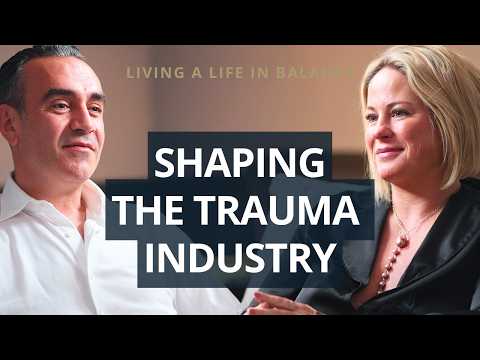
Listen to the conversation
From Struggle and Addiction to Shaping the Trauma Industry
Araminta Jonsson
Inside this conversation
Homeless at 16: Living on the Streets of Miami
Returning Home and Rebuilding Through Education
The Journey to an Adult Autism & ADHD Diagnosis
More themes
- How a Late Neurodivergence Diagnosis Changed Everything
- Food, Cocaine & Relationship Addiction Explained
- Cocaine Addiction in Colombia: Hitting Rock Bottom
- Asking for Help and Beginning Addiction Recovery
The guest
Araminta Jonsson
Araminta Jonsson works at the intersection of trauma education, professional events and organizational development. She is the founder of The Common Cause Group and Executive Director of the Trauma Research Foundation. Her work brings researchers, practitioners and people with lived experience into conversation. In this episode, her personal account adds context to that professional work rather than offering a universal recovery formula. Official Trauma Research Foundation biography.
From the host
Reflections on the conversation
What stayed with me from this conversation
+
Speaking with Araminta Jonsson, I was struck by the way this conversation connected addiction, emotional pain and the conditions that make sustainable recovery possible. These subjects are often discussed separately, although in a person’s life they can influence one another continuously.
I was reminded that stopping a behavior is only one part of recovery. Lasting change often depends on understanding what the substance or behavior provided, what becomes exposed when it is removed, and which relationships and structures can support a different way of living.
This is also why relapse should be examined with honesty rather than reduced to moral failure. Safety and accountability matter, but shame rarely provides a stable foundation for change. A coherent plan must address the person, their environment and the period after intensive support ends.
My broader reflection is that balance is not a fixed destination. It is the capacity to notice what is happening, understand what may be driving it and respond with greater awareness. Professional support can help create that capacity, but it must remain grounded in the person’s circumstances, choices and safety.
Episode summary
+
Araminta Jonsson, Founder and CEO of Masters Events and organizer of Europe's largest trauma conference at the University of Oxford, joins me for a deeply personal conversation about trauma, addiction recovery, autism, ADHD, resilience, and finding purpose after adversity.
Together, they explore Araminta's extraordinary journey, from being thrown out of home at 15, living homeless on the streets of Miami, and battling cocaine addiction, to receiving a late autism and ADHD diagnosis and becoming one of the leading voices bringing together the world's foremost trauma experts. She shares how addiction became a way of coping with undiagnosed neurodivergence and unresolved trauma, why recovery is about addressing the root cause rather than the symptom, and the lessons that transformed her life.
The conversation also explores the science of trauma healing, nervous system regulation, community, creative expression, and the importance of feeling safe to recover.
Drawing on insights from leading experts including Dr. Bessel van der Kolk and years of experience organizing global trauma conferences, Araminta discusses the practices that support lasting healing, the power of connection, and why purpose plays such a vital role in recovery.
Throughout the discussion, we return to the importance of looking beneath visible symptoms or behaviors. The aim is not to force one explanation onto every experience, but to understand the combination of history, relationships, body, environment and meaning that may be relevant for this individual.
The full transcript
Original-language transcript · EN