- Life at THE BALANCE is structured to support stability, reflection, and meaningful engagement.
- Each day follows a clear rhythm designed to balance clinical work, physical regulation, and space for integration.
- While no two days are identical, the underlying rhythm remains consistent and intentional.
Life at THE BALANCE is structured to support stability, reflection, and meaningful engagement. Each day follows a clear rhythm designed to balance clinical work, physical regulation, and space for integration. Structure is essential – not as rigidity, but as containment. While no two days are identical, the underlying rhythm remains consistent and intentional.
MORNING: ORIENTATION & GROUNDING
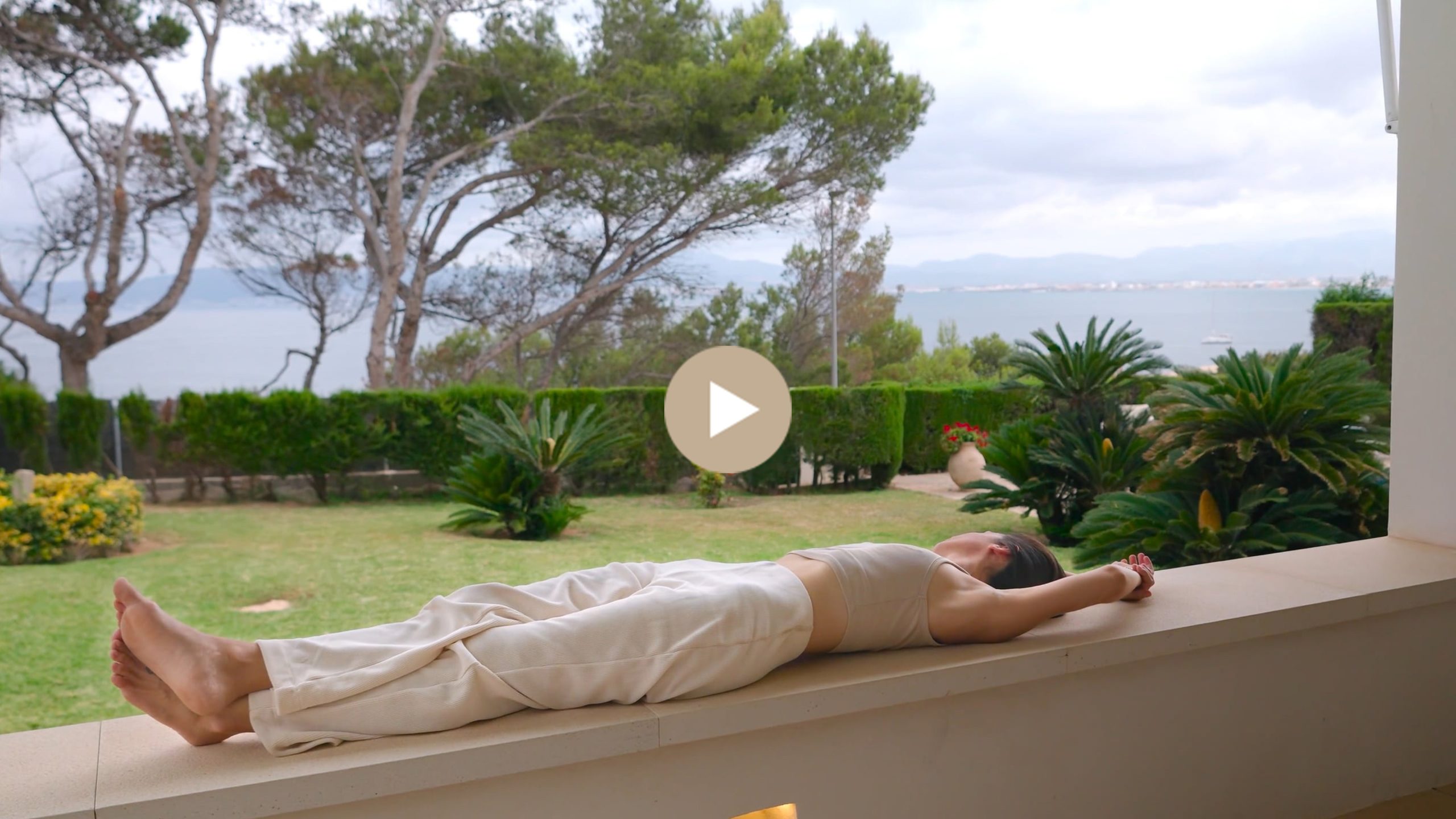
The day begins calmly, with a focus on grounding and physical regulation. Morning activities may include gentle movement, breathing practices, or quiet reflection. These moments help orient the nervous system, establish presence, and prepare for the work ahead. Breakfast and morning routines are unhurried, allowing individuals to arrive into the day without pressure.
DAYTIME: CLINICAL & THERAPEUTIC WORK
The central part of the day is dedicated to clinical and therapeutic engagement. Depending on individual needs, this may involve:
- Psychotherapeutic sessions
- Psychiatric or medical consultations
- Technology-based interventions
- Assessment or review sessions
- Multidisciplinary meetings
Work is tailored and scheduled with care, respecting personal capacity and clinical priorities. There is space between sessions for rest, reflection, and preparation.
AFTERNOON: INTEGRATION & EMBODIMENT
Afternoons often focus on integration – allowing what has emerged earlier in the day to be processed and embodied. This may include:
- Complementary or body-based therapies
- Creative or expressive activities
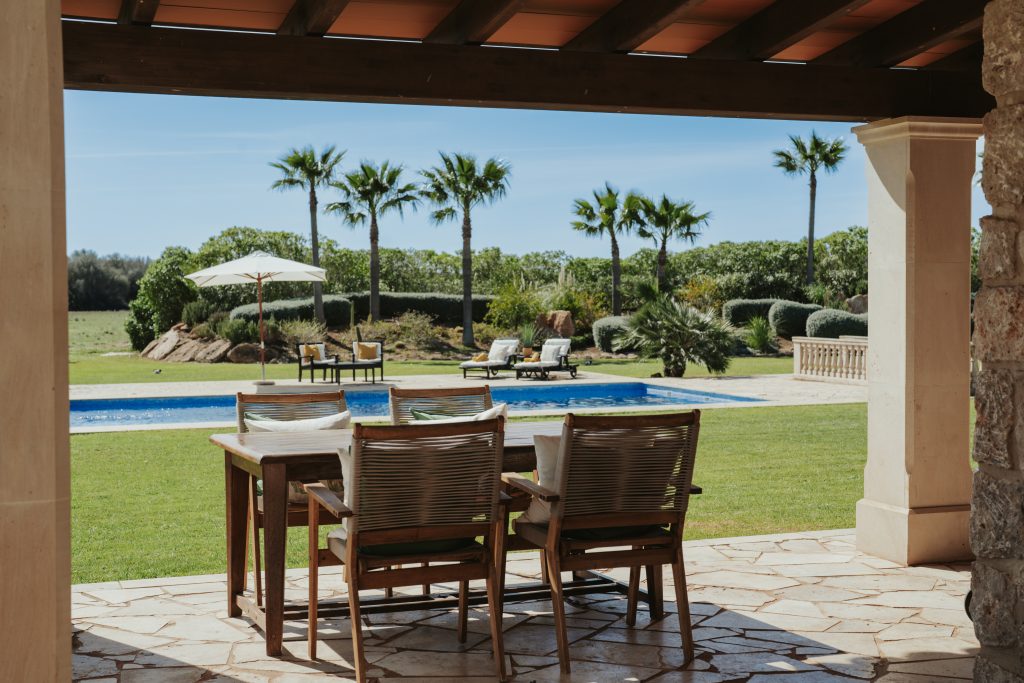
- Time in nature or gentle movement
- Nutritional support and restorative breaks
The intention is not distraction, but consolidation.
EVENING: SETTLING & REGULATION
Evenings are designed to support settling and nervous system regulation. Activities may be quieter and restorative, such as:
- Body-based therapies
- Massage or relaxation practices
- Gentle reflection or personal time
The focus shifts away from active work toward rest and recovery.
INDIVIDUAL RHYTHM & FLEXIBILITY
While structure is important, each day is adapted to the individual. Energy levels, clinical needs, and personal context are considered continuously. Schedules may shift as treatment progresses, always guided by responsibility and professional judgment. There is no expectation to “perform” or adhere to a fixed routine for its own sake.
A NOTE ON PACE & RESPONSIBILITY
Change does not occur through intensity alone. At THE BALANCE, pace is considered part of care. The daily rhythm is designed to support long-term regulation rather than short-term activation. Time is used deliberately, with respect for complexity and recovery.