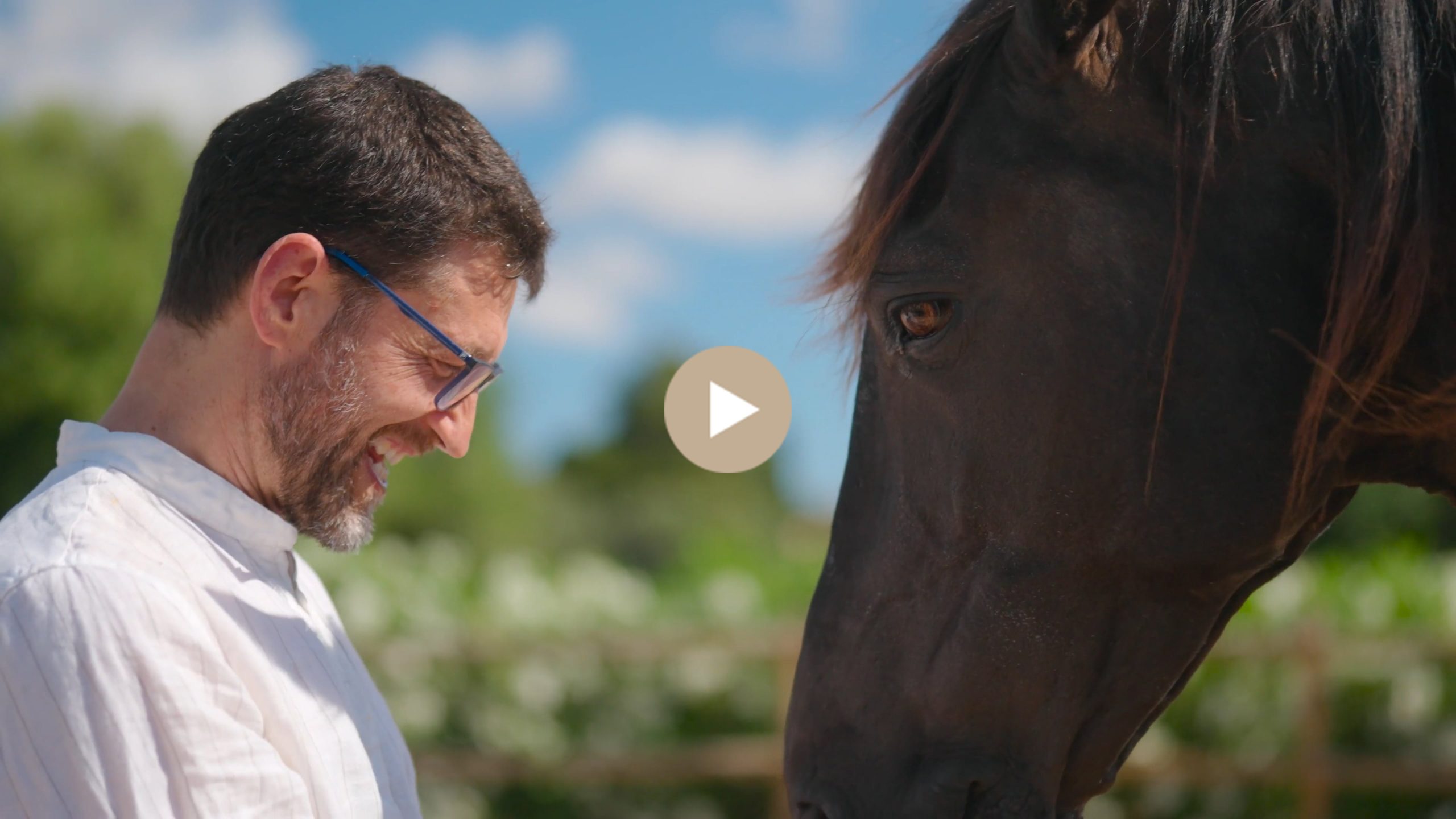


- When someone is struggling, the impact is rarely limited to the individual alone.
- Partners, parents, children, and close friends often find themselves carrying uncertainty, fear, frustration, or exhaustion - frequently while trying to help without clear guidance or support.
- At THE BALANCE, we recognize that meaningful and lasting change often requires attention not only to the individual, but to the wider relational system around them.
When someone is struggling, the impact is rarely limited to the individual alone. Partners, parents, children, and close friends often find themselves carrying uncertainty, fear, frustration, or exhaustion – frequently while trying to help without clear guidance or support. At THE BALANCE, we recognize that meaningful and lasting change often requires attention not only to the individual, but to the wider relational system around them.
THE ROLE OF FAMILIES & LOVED ONES
Families and loved ones play an important role in recovery, but that role is not always intuitive. Without structure, support can unintentionally become:
- crisis-driven
- emotionally reactive
- inconsistent or unsustainable
Our approach helps families move from urgency and confusion toward clarity, containment, and constructive involvement.
HOW WE SUPPORT FAMILIES
With appropriate consent, THE BALANCE may offer support to families and loved ones in several ways, including:
- Guidance conversations to help understand the situation more clearly
- Structured family or partner sessions where clinically appropriate
- Support around communication, boundaries, and expectations
- Preparation for reintegration and continuity after treatment
- Ongoing involvement during aftercare where indicated
Support is always tailored and proportionate. Not every situation requires the same level or form of family involvement.
CONSENT & BOUNDARIES
Respecting autonomy and confidentiality is fundamental. Family involvement is guided by:
- the individual’s consent
- clinical judgment
- ethical and legal responsibilities
We are transparent about what can and cannot be shared, and we help all parties understand these boundaries clearly. Support for families does not mean transferring responsibility or control — it means creating stability and understanding where possible.
WHEN A LOVED ONE IS RESISTANT TO HELP
It is not uncommon for individuals to be ambivalent or resistant toward treatment, even when distress is evident. In such situations, we may support families by:
- exploring appropriate boundaries
- discussing realistic options and limitations
- providing guidance on next steps
- helping reduce escalation and conflict
Our role is not to coerce, but to support responsible decision-making.
FAMILY WORK AS PART OF CARE
Where clinically appropriate, family or relational work may form part of treatment or aftercare. This work focuses on:
- communication patterns
- relational dynamics
- shared understanding
- long-term stability
Family involvement is always purposeful and contained, rather than reactive or open-ended.
FREQUENTLY ASKED QUESTIONS
Can families participate in treatment?
Yes, where clinically appropriate and with the individual’s consent.
What if my loved one refuses help?
We can offer guidance on boundaries, options, and responsible next steps.
Do you offer family therapy?
Yes, as part of treatment or aftercare when indicated.
Can families contact you directly?
Yes. Initial contact may be made by family members or representatives.
A NOTE ON RESPONSIBILITY
Supporting someone through difficulty can be emotionally demanding. At THE BALANCE, we aim to support families and loved ones with clarity, professionalism, and respect — recognizing that sustainable change often depends on stability within the wider system.