

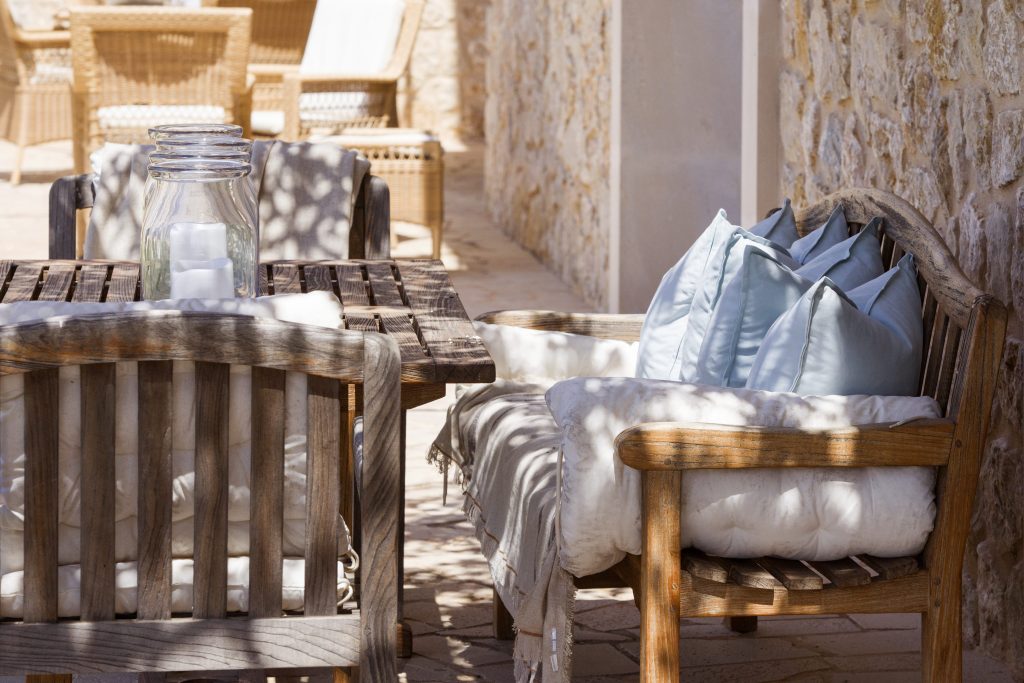
- The nervous system responds continuously to surroundings — light, noise, pace, privacy, predictability, and interpersonal boundaries.
- An overstimulating or inconsistent environment can undermine even the most sophisticated therapeutic work.
- Our environments are designed to reduce friction, support regulation, and allow treatment to take place without unnecessary stress or distraction.
At THE BALANCE, environment is not a luxury feature. It is a clinical consideration.
The nervous system responds continuously to surroundings — light, noise, pace, privacy, predictability, and interpersonal boundaries. An overstimulating or inconsistent environment can undermine even the most sophisticated therapeutic work.
Our environments are designed to reduce friction, support regulation, and allow treatment to take place without unnecessary stress or distraction.
ENVIRONMENT AS PART OF CARE
Recovery does not happen only in therapy sessions. Between sessions, the body and nervous system are constantly processing, integrating, and recovering. The quality of the environment during these periods matters. Our residential settings are selected and designed to:
- support calm and regulation
- minimise unnecessary stimulation
- provide psychological and physical safety
- allow privacy without isolation
- maintain structure without rigidity
The goal is not escape, but stability.
HOSPITALITY AS CLINICAL SUPPORT
Hospitality at THE BALANCE exists to remove obstacles to care, not to create indulgence. Practical needs are handled discreetly so that attention can remain on treatment and recovery. Consistency, reliability, and predictability reduce cognitive and emotional load. Hospitality supports care by:
- creating calm daily routines
- reducing decision fatigue
- handling logistics professionally
- maintaining respectful boundaries
Comfort serves regulation – not distraction.
RESIDENTIAL SETTINGS
Our residential environments are intentionally private and contained. They are not designed as hotels or resorts, but as places where individuals can:
- feel safe and undisturbed
- rest between therapeutic work
- maintain dignity and autonomy
- disengage from external pressure
Design choices prioritise tranquillity, privacy, and functionality over spectacle.
PERSONAL SUPPORT & DAILY STRUCTURE
Each client is supported within a structured daily rhythm. This includes:
- predictable schedules
- clear transitions between activities
- support with practical matters
- discreet assistance when needed
Structure supports safety and allows the nervous system to settle.
PRIVACY, DISCRETION & SECURITY
Privacy is essential for psychological safety. Our approach ensures:
- controlled access to residential settings
- respect for confidentiality
- discretion in all interactions
- clear boundaries around information and visibility
Security exists to protect calm – not to create distance.
NUTRITION, REST & PHYSICAL CARE
Environment also includes how the body is supported. Attention is given to:
- nutrition aligned with individual needs
- regular, restorative meals
- sleep-supportive routines
- opportunities for physical rest and recovery
These elements support both physical health and emotional regulation.
WHAT THIS MEANS IN PRACTICE
In practical terms, environment and hospitality at THE BALANCE provide:
- Predictable daily rhythm
- Calm, contained surroundings
- Respect for privacy and boundaries
- Practical support handled discreetly
- Minimal exposure to external stressors
Everything is designed to support treatment – not compete with it.
FREQUENTLY ASKED QUESTIONS
Is this a hotel-style experience?
No. Comfort serves clinical stability, not indulgence. The environment is structured and purposeful.
Can personal preferences be accommodated?
Where appropriate and clinically safe, individual preferences can be considered. Boundaries and treatment priorities always guide decisions.
Does environment really matter for recovery?
Yes. Environmental stress directly affects sleep, regulation, and emotional capacity. A supportive environment strengthens therapeutic outcomes.

