

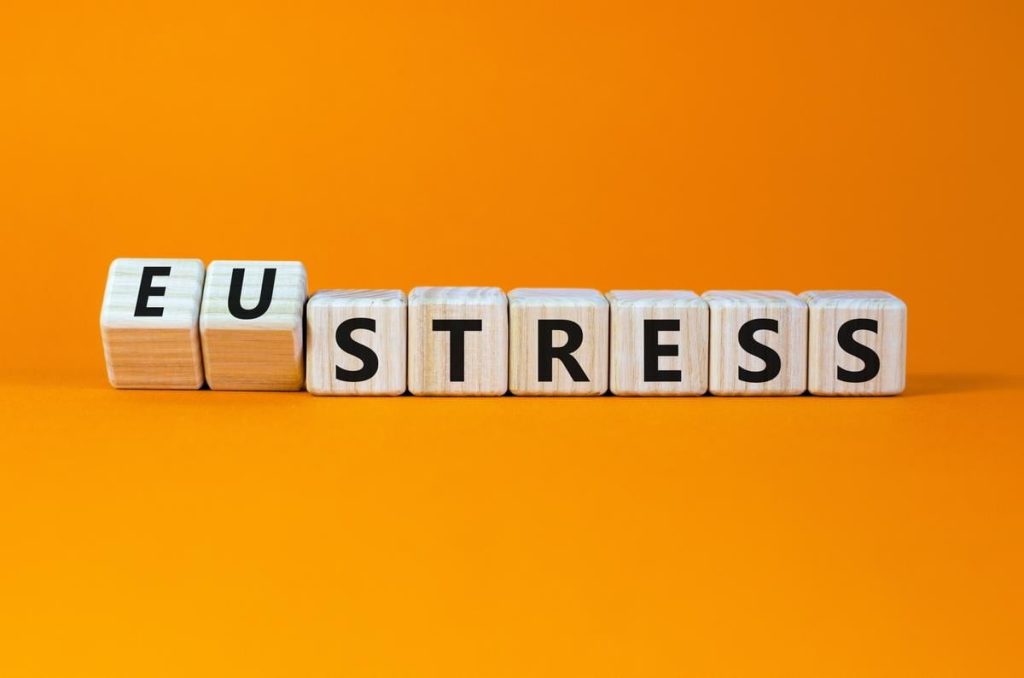
- We are taught from a very young age that adult life is 'stressful.' Adulthood, according to this viewpoint, necessitates responsibility and performance, which we attain by pushing ourselves and feeling overwhelmed.
- This traditional understanding of stress implies that we are not aiming to be our best selves when we're not stressed.
- Greater leisure time and increasing criticism of employment accompanied the welfare state's golden period.
We are taught from a very young age that adult life is ‘stressful.’ Adulthood, according to this viewpoint, necessitates responsibility and performance, which we attain by pushing ourselves and feeling overwhelmed.
This traditional understanding of stress implies that we are not aiming to be our best selves when we’re not stressed.
Stress was not a topic of scientific study until the 1950s. Greater leisure time and increasing criticism of employment accompanied the welfare state’s golden period. As a result, the Western world only lately recognized stress.
It is critical to research stress since it affects both our thoughts and bodies. For centuries, science has utilized the concept of “stress” to describe the elasticity of a metallic item and its ability to withstand “strain” (as in Hooke’s Law of 1958). Hippocrates used it in Classical Greece to describe a disease that had aspects of pathos (pain) and ponos (relentless and incessant work).
Negative stress concepts were common by the turn of the century, owing largely to the pressures of urbanization and industrialization, which formed the collective consciousness of Western culture.
This article seeks to transform the myth that “all stress is bad for you” by better understanding stress and how we perceive it. As it turns out, linking stress with negativity can exacerbate our stress symptoms. (source: APA, n.d.)
FAQs
Every day, however small or big, you can learn something new.
At work, challenge yourself out of your comfort zone. This could mean taking on additional responsibilities or learning new skills.
Regular exercise or other forms of physical activity
Learn how to develop difficult and realistic professional and personal targets. To keep yourself accountable, keep track of your progress.
Eustress motivates you to improve your performance. Imagine being turned down by someone you really wanted to marry. Yes, it’s stressful, but it also motivates you to develop yourself, rethink your approach, and look for a glimmer of hope.
It’s also crucial for building resilience, which is crucial for emotional well-being. Resilience is not something that most of us are born with. It’s something we cultivate during times of adversity — periods of eustress. We learn how to survive difficult days by going through them. That process requires eustress.
It’s also necessary for our physical health. Are you worried about that difficult workout? Eustress keeps you going. Sure, it’s difficult, but no one ever built their biceps by sitting on the couch.