

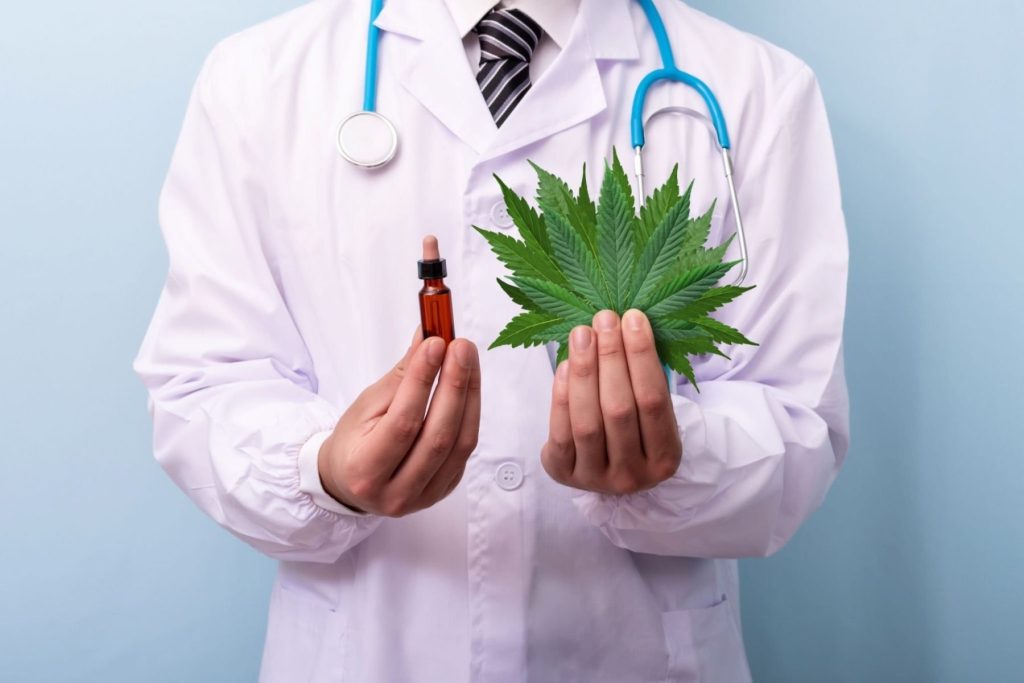
- Marijuana (weed or cannabis) is the most widely used federally illegal drug in the United States — with nearly 48 million people reporting use in recent years.
- Although many view it as harmless or natural, modern research reveals a complex picture: marijuana affects the brain's structure and chemistry, influences mood, decision-making, and motivation, and can lead to dependence or addiction in regular users.
- With higher THC concentrations in today's products — including edibles, vapes, and dabs — the risk of marijuana use disorder and related mental health conditions such as psychosis, anxiety, and depression is increasing.
Marijuana (weed or cannabis) is the most widely used federally illegal drug in the United States — with nearly 48 million people reporting use in recent years. Although many view it as harmless or natural, modern research reveals a complex picture: marijuana affects the brain’s structure and chemistry, influences mood, decision-making, and motivation, and can lead to dependence or addiction in regular users.
With higher THC concentrations in today’s products — including edibles, vapes, and dabs — the risk of marijuana use disorder and related mental health conditions such as psychosis, anxiety, and depression is increasing. Young people are especially vulnerable because their brains are still developing.
Whether used recreationally or medicinally, understanding how marijuana impacts cognition, memory, and overall health is essential. This guide explores key facts, usage methods, short- and long-term effects, signs of addiction, withdrawal symptoms, and available treatment options, from outpatient counseling to luxury inpatient rehab programs designed for long-term recovery.
Key Takeaways
- Marijuana is the most commonly used illegal drug in the U.S. and can lead to dependence or addiction in frequent users.
- THC, the main psychoactive compound, directly affects memory, learning, attention, and mood regulation.
- Teens and young adults face higher risks of developing marijuana use disorder and cognitive decline.
- Chronic use may cause psychosis, respiratory issues, anxiety, or depression.
- Withdrawal symptoms include irritability, insomnia, appetite loss, and cravings.
- Rehabilitation options include inpatient and outpatient treatment, with behavioral therapy and aftercare support.
- Luxury rehab centers combine medical detox, therapy, and holistic care for a sustainable recovery journey.
FAQs
Marijuana can impair your response time and decision-making skills.
Marijuana usage can weaken balance, alter perception, cause loss of memory, and make solving problems more difficult.
The danger of distracted driving linked with alcohol and marijuana seems to be larger than the associated risks with either substance alone.

