We use cookies and similar technologies to improve your experience, analyze traffic, and support personalized content and ads.
You can manage your preferences at any time. See our Policy.
Privacy & Cookie Preferences
Read our detailed policies for further clarification.
Necessary
Some are required for core site functionality and security.
Used for personalized communication and measuring performance.
We use cookies and similar technologies to improve your experience, analyze traffic, and support personalized content and ads.
You can manage your preferences at any time. See our Policy.
Privacy & Cookie Preferences
Read our detailed policies for further clarification.
Necessary
Some are required for core site functionality and security.
Used for personalized communication and measuring performance.
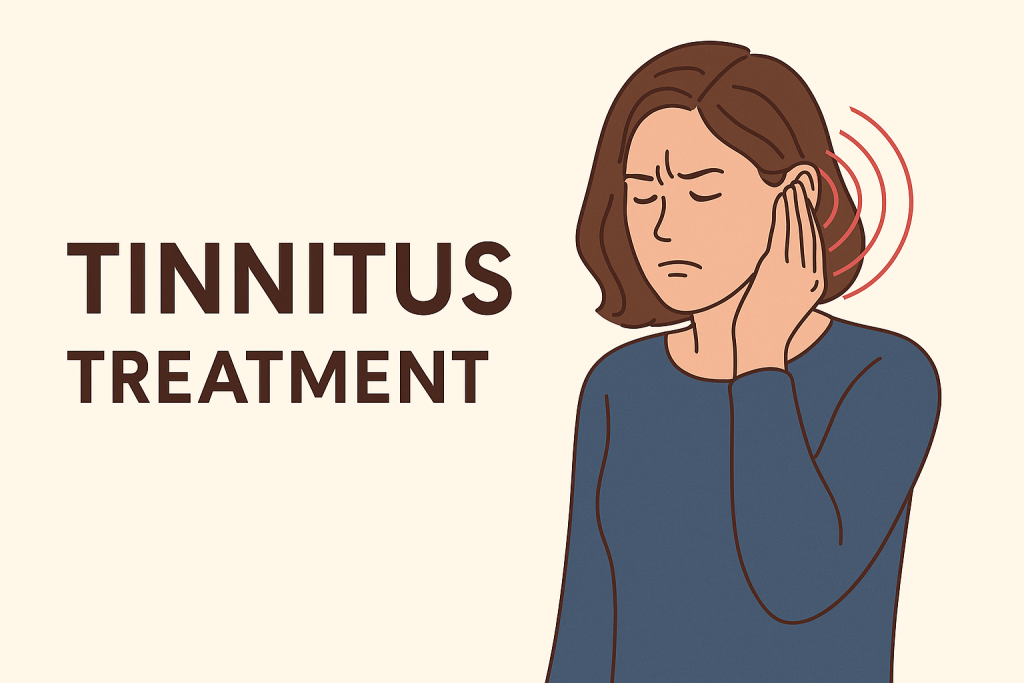
Living with tinnitus can feel like carrying an invisible noise that no one else can hear.
For others, it is a constant chorus of buzzing, whistling, or pulsing that follows them everywhere.
Although millions of people around the world experience tinnitus, it affects each person differently.
Reading time: 19 min
Living with tinnitus can feel like carrying an invisible noise that no one else can hear. For some, it is a faint ringing in the background. For others, it is a constant chorus of buzzing, whistling, or pulsing that follows them everywhere. Although millions of people around the world experience tinnitus, it affects each person differently. What begins as a small annoyance for some can grow into a daily challenge that disrupts sleep, focus, work, and emotional well-being.
Tinnitus itself is not a disease, but a symptom that can appear for many reasons, including inner ear damage, stress, injuries, or even certain medications. When the noise refuses to fade, people often find themselves feeling frustrated, anxious, or overwhelmed. The good news is that a wide variety of treatments and therapies, from neurofeedback to sound therapy and behavioral approaches, can help people regain control and improve their quality of life. With the right support, tinnitus becomes something that can be managed rather than something that manages you.
Key Takeaways
• Tinnitus is a common condition affecting up to 20 percent of the population, often described as ringing, buzzing, or humming in the ears. • Symptoms vary widely, and can be constant or occasional, and may worsen in quiet environments. • Emotional and psychological stress can intensify tinnitus, making relaxation and stress management important parts of treatment. • Neurofeedback, behavioral therapies, mindfulness, and sound therapy are among the most effective evidence-supported treatment options. • Lifestyle changes such as exercise, social engagement, and improved sleep can also reduce the day-to-day burden of tinnitus. • There is no universal cure, but many people achieve significant relief and improved quality of life through a combination of therapies.
Tinnitus is the sense of experiencing a sound of buzzing, whistling, ringing, chirping, hissing, or other sounds in one’s ears. The noise may be continuous or intermittent, and its volume may vary. It’s generally worse when there’s little background noise, so you might notice it the most at night while you’re attempting to rest in a quiet room. The sound may occasionally beat in time with your pulse (pulsatile tinnitus).
Tinnitus is quite widespread, with approximately 50 million American adults suffering from it. It is very common throughout the world, affecting roughly 15 percent to 20 percent of the population, and is most prominent in elderly persons. The condition is only a nuisance for the majority of people. Tinnitus, on the other hand, can make it difficult to concentrate and sleep in serious forms. It may ultimately cause psychological discomfort by interfering with work and personal relationships.
Tinnitus is commonly linked with hearing problems, although it does not cause the loss, and hearing loss does not create tinnitus. In reality, some individuals with tinnitus have no trouble hearing, and in extreme circumstances, they become so hypersensitive to noise (hyperacusis) that they have to muffle or cover outside noises.
Tinnitus can be caused by an infection or obstructions in the ear, and if the underlying reason is cured, the tinnitus will go away. Tinnitus, on the other hand, frequently persists after the primary disease has been addressed. Other treatments, both conventional and unconventional, may provide great relief in this situation by reducing or masking the annoying sound.
Tinnitus can cause intense, negative feelings such as Depression, anger and anxiety. Tinnitus sufferers can learn to handle their psychological responses and so distinguish tinnitus from troubling negative behavioral patterns.
Tinnitus affects over 50 million American adults, with about 20 percent of those suffering from severe cases affecting their life quality. This is a situation where people hear a consistently high-pitched ringing sound, and unfortunately, there are not many evidence-based treatment choices available. Fortunately, neurofeedback appears to be a viable therapeutic option.
There is reason to be optimistic, as research has shown that Neurofeedback can help with difficult-to-treat Tinnitus. Tinnitus is viewed as too much ‘excitability’ in particular brain areas, which leads to unregulated activity and cognitive instability, according to Neurofeedback. Tinnitus, in other terms, is a sign that indicates that the mind is ‘out of control.’ The goal of neurofeedback training is to re-calibrate the brain and restore auditory sensitivity and processing. Neurofeedback can greatly alleviate Tinnitus symptoms by soothing the brain and training it to stay quiet.
When it comes to treating tinnitus using neurofeedback therapy, there are a few things to consider:
Retrain your mind. Neurofeedback has been shown in studies to help retrain brainwaves that induce tinnitus. Patients can change how the mind operates by employing video and/or audio stimulation.
Treatment is straightforward. Turn up to the office and pay close attention to the therapy. That’s all there is to neurofeedback. The ease of neurofeedback therapy appeals to many patients. We want to highlight it is only simple for the patient – neurofeedback is sophisticated in terms of how it functions and fine-tunes the brain waves, but the person has to put in very little effort.
Helps with a variety of ailments. Tinnitus patients are affected by more than simply the ringing. Hearing loss, impatience, weariness, anxiety, and sadness are some of the additional symptoms. These symptoms can be alleviated by using neurofeedback to cure tinnitus.
There is a definite rationale for Neurofeedback in Tinnitus. Tinnitus can be treated with neurofeedback. Tinnitus can be determined by a multitude of things, including loud noise exposure, accidents, age-related loss of hearing, and inner ear cell destruction.
Behavioral therapies, which emphasize the patient’s emotional response to tinnitus, are one of the most well-established and successful treatments for serious cases of tinnitus. These methods have been demonstrated to lessen tinnitus-related discomfort, depression, and anxiety, as well as to improve patient’s general quality of life.
The argument behind behavioral therapy is that “severe” tinnitus is determined by its emotional impact rather than its auditory features. (Studies reveal that the pitch of tinnitus/noise level and patient-reported discomfort have little in common.) The unpleasant cognitive and psychological reactions individuals have in reaction to tinnitus are what render the illness genuinely burdensome. In those terms, whether tinnitus is seen as irritating or non-affective, emotionally disturbing or unimportant is largely determined by the patient’s emotional reaction. Behavioral therapies aim to assist patients to regulate their behavioral responses to tinnitus and thereby lessen the disease’s potential impacts.
Patients who pay a lot of attention to their tinnitus and don’t have any emotional coping skills are more unhappy, upset, and have felt more handicapped as a result of their disease. Behavioral therapies teach patients how to lower internal tinnitus awareness, increase coping, and develop new thought and behavior patterns to distract them from their tinnitus. The goal of treatment is to promote enjoyable activities, develop relaxation techniques, and improve cognitive abilities to substitute negative (or unproductive) thinking.
These treatments can be given in a group context or one-on-one to a single patient. There’s also proof that they’re beneficial when provided remotely, through the internet, or by phone, allowing patients to stay in their comfort and privacy.
The data for behavioral tinnitus treatments is strong. Patients who completed a therapy program exhibited considerable improvement in self-reported anxiety, depression, and quality of life, according to a 2010 meta-analysis of 8 scientific studies. These treatments regularly and significantly reduced tinnitus intensity and disability, tinnitus-related panic, and overall depression and anxiety, according to a 2014 series of research literature. Furthermore, improvements in patients following psychological therapy were strongly aligned and long-lasting, with advantages lasting up to 15 years after treatment ended.
Behavioral treatment approaches try to improve the way you feel and think about your symptoms to help you live with tinnitus. Your tinnitus may become less bothersome over time. The following are some of the therapy options:
Mindfulness-Based Stress Reduction (MBSR)
A mindfulness-based therapy that promotes acute, nonjudgmental awareness of one’s bodily sensations, sensory experiences, emotional responses, and cognitive functions. MBSR enables patients to completely acknowledge, accept, and manage their tinnitus experience, rather than fighting (often in vain) to ignore it. Patients will be in a better position to control their condition as a result of this. It can also help with the unpleasant emotions of rage and apathy that frequently accompany tinnitus.
Acceptance and Commitment Therapy (ACT)
ACT, like all other mindful-based therapies, highlights the importance of reducing tinnitus experiential aversion. Patients are encouraged to thoroughly experience their thoughts, emotions, and perceptions in a nonjudgmental and straightforward manner. Patients can get more control over their reactions by finally acknowledging even negative ideas and feelings.
Tinnitus Activities Treatment (TAT)
TAT is a variant of CBT that focuses exclusively on tinnitus management. TAT is a gradual learning technique to investigate 4 aspects of tinnitus’ impact: feelings and thoughts, sleep, concentration, and hearing and communication. For masking reasons, the method often employs a low level of supplementary sound therapy.
Progressive Tinnitus Management (PTM)
PTM is a progressive method for tinnitus treatment established by the National Center for Rehabilitative Audio Research of the United States Department Of veterans affairs. It includes thorough patient training, behavior interventions, and, where appropriate, additional sound therapy. Members of the American Tinnitus Association can get a free digital edition of the Progressive Tinnitus Management workbook from the ATA’s website’s members area.
Tinnitus Retraining Therapy (TRT)
TRT relies on the brain’s innate tendency to “habituate” a stimulus, filtering it out on a subconscious level before it reaches conscious perception. No conscious effort is required for habit formation. Many auditory noises become habitual for people, including computer fans, air conditioners, refrigerators, and moderate rain. They all have one thing in common: they are unimportant, thus they aren’t viewed as “loud.” As a result, the brain can filter them out.
TRT is made up of two parts:
Tinnitus sufferers will carry a form of neutral sound with them wherever they go, which includes in-the-ear sound producers.
Tinnitus sufferers undergo one-on-one counseling.
Counseling, such as cognitive-behavioral therapy (CBT). A qualified mental health practitioner or psychologist can assist you in learning coping methods to help you cope with tinnitus problems. Counseling can also be helpful with other issues that are commonly associated with tinnitus, such as anxiety and depression. CBT for tinnitus is offered by many mental health specialists in a group or individual sessions, and CBT courses are also accessible online.
Methods for Relaxation
Tinnitus can be aggravated by stress. Exercise, Deep breathing, and biofeedback, a calming technique that helps individuals manage stress by modifying their reaction to it, are all good strategies to control anxiety. It has been shown to benefit some people with tinnitus.
Some of the following treatments might be offered at Luxury inpatient rehab centers for Tinnitus treatment.
Sound Therapy
This is also known as acoustic therapy, and it can help to reduce the buzzing or ringing in your ears. It won’t make the problem go away. It may, however, make it simpler to live with.
Special devices that produce a soft background noise can be placed on a tabletop or carried in your pocket. Put a DVD player, electric fan, or laptop on your bedside table if your tinnitus disturbs you at night. You could wear a sound generator or use a smartphone app if your symptoms are persistent.
Some tools can be tailored to your needs. They produce sounds that are suited to your needs in terms of frequencies and tones. You will often use one for a specific time every day, such as before bed.
The gadget you use will be determined by your symptoms. Certain devices may not function well for you if you have hyperacusis, which means you are sensitive to sounds that some other people are not (a typical symptom called hyperacusis). Your doctor will assist you in selecting one that is appropriate for your needs.
Bimodal therapy
Bimodal treatment relieves tinnitus by teaching the brain to think about sound differently using two types of sensory stimulation – sound and touch. You can alter how your brain interprets sound by utilizing non-invasive, external devices for a few minutes each day. One alternative uses a bracelet and a phone app to transmit both auditory and electrical stimuli to the tongue, while another uses a bracelet and a mobile application. The bracelet shakes to indicate the existence of external sound as you listen to noises on the app.
Noise reduction
Tinnitus is sometimes incurable. However, some therapies can help you cover your symptoms. Your doctor may recommend that you use an electronic device to block out the noise. The following are examples of devices:
Machines that make white noise. Tinnitus is typically treated with these devices, which emit a sound comparable to static or ambient sounds like rain falling or waves of the ocean. To make you sleep, you could use a white noise machine with cushion speakers. White noise is produced by humidifiers, air conditioners, fans, and dehumidifiers in the bedroom, which may help to mask tinnitus at nighttime.
Masking devices. These devices, which are worn in the ear and work analogous to hearing aids, produce a constant, low-level white noise that reduces symptoms of tinnitus.
There are currently no FDA-approved medicines for the management of tinnitus. There are, however, a variety of prescription-based pharmaceutical treatments for treating stress, depression, and anxiety. Because these mental health concerns are frequently caused or exacerbated by tinnitus, identifying and treating them immediately can result in calming down tinnitus. Be wary of over-the-counter tinnitus therapies and substances that promise to cure the condition. There is no scientific data to back this up. Discuss these possibilities with your primary care physician or a psychologist, and have your audiologist informed. Your doctor may recommend medicine to assist ease your symptoms, either to address an underlying medical condition or to manage the depression and anxiety that often accompanies tinnitus.
If your tinnitus is due to an underlying or existing health problem, your treatment options are limited. If this is the case, fixing the underlying cause is the way forward to relieve your symptoms. Tinnitus can be produced by physiological processes or abnormalities within the body, such as neck and head injuries or instability of the jaw joint (TMJ or temporomandibular joint). Tinnitus can also be a side effect of various over-the-counter and prescription drugs. In such less common cases, resolving the underlying physical cause—such as seeing an orthodontist to treat TMJ or speaking with your doctor about altering your prescription regimen or dosage—can eliminate or significantly lessen tinnitus symptoms.
Here are several other examples:
Earwax removal is a procedure that involves removing wax from the ear canal. Tinnitus symptoms can be reduced by removing an earwax blockage.
Treating a blood vascular problem. To treat this disease, underlying blood vessel disorders may necessitate medical, surgical, or other treatment.
Hearing aids are used to help people hear better. Hearing aids can help alleviate your symptoms if your tinnitus is triggered by age-related or noise-induced hearing loss.
Switching your prescription medicine. If a medicine you are taking seems to be the source of your tinnitus, your doctor may advise you to quit taking it or reduce how often you take it, or change to a different one.
Diet
There is little evidence linking specific diets (or the avoidance of particular foods) to a reduction in symptoms of tinnitus. A nutritious diet, on the other hand, has a slew of health benefits that may help to minimize the effects of tinnitus. A healthy diet can help with tinnitus by lowering blood pressure and weight, increasing blood flow, increasing energy levels, and improving mental well-being.
Patients with tinnitus or Ménière’s Disease (a cause of tinnitus) should consider a low-salt regimen, as there is a clear link between salt intake and Ménière’s complaints.
Caffeine consumption is one diet-related tinnitus subject that gets a lot of attention. Caffeine does not appear to increase tinnitus symptoms, according to scientific findings. However, tinnitus sufferers should keep track of their coffee intake and make adjustments as needed. If caffeine appears to dramatically increase your tinnitus, try lowering your intake; if caffeine has no effect and/or is a pleasant part of the routine, you may want to keep drinking as usual. (Most other dietary issues, including alcohol, follow this general rule.)
Physical Exercise
Exercise is beneficial not just to your physical health but also to your mental well-being and can help you deal with the effects of tinnitus. Workout reduces stress, which is a recognized tinnitus inducer.
Social Interaction
Due to problems with interpersonal interactions, sound hypersensitivity, and/or irritation, many tinnitus sufferers experience a sense of isolation. Unfortunately, withdrawing yourself from social settings sets in motion a loop of adverse reinforcements which may exacerbate tinnitus. (Isolation enables an individual to concentrate more on their tinnitus, which makes them less eager to interact, which causes them to focus even more on their tinnitus, and so on.)
Social interactions with family, friends, and colleagues can help people forget about their tinnitus problems. They can also boost emotional well-being, as well as general emotions of happiness and optimism. Discussing your tinnitus experience with others might also help you build a peer support network that can help you get through your next bad patch.
Hobbies and recreational activities
Some people believe that experiencing tinnitus forces them to stop doing things they love. It is not the reality at all. Individuals should indeed continue to engage in things that bring them joy and provide pleasant distractions from their tinnitus.
Some hobbies may even have the added benefit of effectively concealing tinnitus sounds. Many cyclists claim that the noise of the wind rushing over their ears while riding masks their tinnitus. (Of fact, each patient is unique, and a tone that masks for one person might irritate another.)
Tinnitus sufferers may have to make small alterations or take special precautions before participating in some recreational activities, especially those that involve loud sounds. Individuals should speak with their audiologist about the best sound insulation for these pursuits.
Reduction of Stress
Many of the above approaches have the added benefit of lowering stress. Any activity that reduces stress can help to reduce the severity of tinnitus sensations. Individuals can relax by a variety of methods, including meditation, in addition to a healthy diet, socialization and exercise.
Biofeedback
Biofeedback is a type of relaxation therapy that educates patients on how to indirectly control autonomic biological functions like heart rate (by alleviation of anxiety), tense muscles, and body temperature. Biofeedback’s purpose is to assist people to cope with stress and anxiety by altering the body’s response to these damaging effects. Most tinnitus sufferers report a reduction in the incidence of symptoms when they can control stress, which is why biofeedback is utilized for a range of chronic diseases.
Hypnotherapy
Hypnotherapy has been found to help people relax and feel less anxious. It may also affect the neuronal connections that connect different parts of the brain. As a result, it’s frequently promoted as a fantastic wellness alternative for tinnitus sufferers.
Protecting Your Hearing
Personal hearing protection may provide some help for many individuals, especially those with severe sound sensitivity. Canal Caps, earplugs, earmuffs, and other sound mufflers can shield the auditory system from uncomfortable sounds and future injury.
While appropriate hearing protection is recommended, it should be remembered that protective equipment does not alleviate tinnitus symptoms. Furthermore, because hearing protection blocks outside, ambient sounds, some patients may believe that their tinnitus becomes worse when wearing it.
FAQs
What does tinnitus actually feel like?
Tinnitus feels different for each person. Some hear a ringing sound while others describe it as buzzing, hissing, pulsing, or a high-pitched tone. The noise may come and go or continue throughout the day. Many people notice it most in quiet places.
Can tinnitus affect my sleep?
Yes. Tinnitus often becomes more noticeable at night when the environment is quiet. This can make it harder to fall asleep or stay asleep. Many people find that soft background sound or relaxation techniques help them rest more comfortably.
Does tinnitus always mean I am losing my hearing?
Not necessarily. Tinnitus can appear with or without hearing loss. Some people with excellent hearing still experience tinnitus. In other cases, hearing loss and tinnitus occur together because both can result from damage to the inner ear.
Can stress make tinnitus worse?
Stress is a major trigger for many people. When stress levels rise, tinnitus often feels louder or more distracting. Learning relaxation skills, mindfulness, or stress-reduction techniques can help calm the nervous system and reduce the intensity of symptoms.
Is there a cure for tinnitus?
There is no single cure, but there are many treatments that reduce how noticeable or disruptive tinnitus feels. Behavioral therapies, sound therapy, neurofeedback, and lifestyle changes can all improve daily functioning and emotional well-being.
Does neurofeedback really help with tinnitus?
Neurofeedback has shown encouraging results for many patients. It helps retrain brainwave patterns linked to tinnitus and may reduce the brain’s overactivity in certain areas. Some people experience meaningful relief after consistent sessions.
Are hearing aids helpful for tinnitus?
Hearing aids can be very helpful when tinnitus is linked to hearing loss. They bring external sounds back into your awareness, which can naturally mask the internal ringing and make it less noticeable.
Can changing my diet reduce tinnitus?
There is no specific tinnitus diet, but staying healthy can support your overall well-being. Some people notice improvements when they reduce salt, manage caffeine, or stay hydrated. The effect varies from person to person, so monitoring your triggers can help.
This article was written by THE BALANCE’s clinical content team and reviewed by a licensed medical or mental health professional (such as an MD, psychiatrist, clinical psychologist, or equivalent). Our reviewers ensure that the information reflects current research, accepted medical guidelines, and best practices in mental health and addiction treatment. THE BALANCE’s medical editors draw on extensive real-world clinical experience supporting individuals in residential, outpatient, and luxury private treatment settings across Europe and internationally.
Editorial Standards & Integrity
THE BALANCE follows strict editorial and clinical review standards to ensure accuracy, balance, and reliability:
All medical statements rely on authoritative sources such as the WHO, NIMH, APA, NHS, CDC, and SAMHSA
Statistics use the most recent and reliable research available
No medical or therapeutic claims are made without clear, verifiable evidence
Content is reviewed and updated regularly to reflect evolving science, treatment guidelines, and clinical best practices
Commercial interests do not influence clinical accuracy; all clinical insights are reviewed independently
Recommendations include context, limitations, and alternatives where appropriate
How We Review Sources
Our clinical writers and editors rely on:
Peer-reviewed research and meta-analyses
National and international treatment guidelines
Professional bodies and regulatory authorities
Verified public data from reputable institutions
We do not use anecdotal reports, unverified claims, or commercially biased sources. Every factual claim is supported by established evidence.
Conflicts of Interest
THE BALANCE provides private mental health and addiction treatment services. However, our clinical reviewers ensure that all content remains objective, non-promotional, and balanced. When discussing treatment options, we outline limitations, risks, and alternatives. Our priority is reader safety and informed decision-making.
How to Use This Information Safely
Mental health and addiction conditions are complex and vary significantly between individuals. The information in this article is provided for general educational purposes only and should not replace professional medical advice, diagnosis, or treatment. If you or someone you know is experiencing symptoms, seek guidance from a qualified healthcare professional. To maintain accuracy and trust, THE BALANCE updates articles regularly as new research and clinical guidance become available.
+
Do you need help?
If you’re struggling, you don’t have to handle it alone. Support is available - whether you’re feeling overwhelmed, anxious, depressed, or dealing with alcohol or drug-related concerns. If you feel unsafe, are at risk of harming yourself, or someone else is in immediate danger, contact your local emergency number immediately.
Talk to Someone Now (Free & Confidential)
Choose your country to find a trusted helpline near you:
Telefono Amico Italia: 800 860 022 or 02 2327 2327
Not an Emergency, but You Want Support?
If you’re not in immediate danger but are worried about yourself or someone you care about, reaching out early can make a meaningful difference.
Explore Care Options Near You
This website lists verified mental health professionals, addiction specialists, and treatment programs searchable by country and location. Use the “Find treatment” / “Providers” section to explore available options.
Or Reach Out to Us
If you’d like help understanding next steps, you can contact our team confidentially. We’ll listen without judgment and help you explore appropriate options.
Contact our team
Phone: +41445005111
Email: help@thebalance.clinic
Availability: Mon–Sun, 07:00–22:00 CET
Not sure what to say? You can simply write: “I need help.” We’ll take it from there.
Whether you are seeking support for yourself or someone close to you, we offer a discreet, clinician-led process to help you understand suitable options and next steps.
1 Speak confidentially
A private conversation to understand your situation, concerns, and goals - without pressure or obligation.
2 Receive clinical guidance
Our team will advise on suitability, appropriate options, and recommended next steps based on your needs.
3 Access coordinated care
If appropriate, we support assessment, admission logistics, and continuity of care planning - including family involvement where helpful.