

- Hormones are essential chemical messengers that regulate various functions in the body, including metabolism, growth, mood, and reproductive health.
- For women, the primary sex hormones—estrogen and progesterone—play critical roles in menstruation, fertility, and pregnancy, but other hormones like testosterone, cortisol, and thyroid hormones are equally important for overall well-being.
- Although your hormone levels naturally rise and fall throughout the day, maintaining a delicate balance among these hormones is crucial for optimal health, as greater disruptions can impact the body in several ways.
Hormones are essential chemical messengers that regulate various functions in the body, including metabolism, growth, mood, and reproductive health. For women, the primary sex hormones—estrogen and progesterone—play critical roles in menstruation, fertility, and pregnancy, but other hormones like testosterone, cortisol, and thyroid hormones are equally important for overall well-being. Although your hormone levels naturally rise and fall throughout the day, maintaining a delicate balance among these hormones is crucial for optimal health, as greater disruptions can impact the body in several ways.
A hormonal imbalance occurs when this delicate balance is disrupted, resulting in either an excess or deficiency of one or more hormones in the bloodstream. Women are particularly susceptible to these imbalances due to hormonal shifts that naturally occur during life stages such as puberty, pregnancy, and menopause. These fluctuations in hormones can significantly alter hormone levels, often leading to various physical and emotional symptoms, from irregular periods and weight changes to mood swings and fatigue. Recognizing these symptoms is key to addressing hormonal imbalances and improving overall quality of life.
In this article, we’ll explain everything you need to know about hormonal imbalances in women. We’ll discuss the most common symptoms and underlying causes of imbalances so that you can recognize the signs early on. You’ll also learn about how you can restore hormonal balance, including lifestyle changes, natural remedies, and available medical treatments. This guide will help you understand what’s happening in your body during hormonal imbalance and what help you can get to feel your best again.
Hormonal imbalances can cause a range of symptoms, but many of these are often confused with other common health problems, which can delay getting the right care. The type of symptoms you experience will depend on which hormones are out of balance. Let’s take a look at some of the most common symptoms and the hormones linked to them:
Key symptoms to watch for:
Irregular periods
Are you experiencing irregular menstruation? Hormones like estrogen and progesterone are two key hormones in women and they play an important role in regulating the menstrual cycle. When these hormones are out of balance, it can result in heavy bleeding, missed periods, or cycles that are too frequent or unpredictable. Hormone-related conditions like polycystic ovary syndrome (PCOS) can cause fluctuations in these hormones and is a common cause of irregular or even painful periods.
Weight gain or difficulty losing weight
There are several hormones that can affect how your body uses energy. In some cases, an imbalance of certain hormones can cause the body to store more fat, resulting in weight gain. For instance, high levels of the hormone cortisol – which is often caused by chronic stress – can cause the body to store fat, especially around the abdomen. Low thyroid hormones can also be a cause of weight gain. Additionally, insulin resistance – a condition where cells become less responsive to the hormone insulin – can cause a persistent elevation of blood sugar levels, which promotes fat storage and makes weight loss challenging. This is particularly common in women with PCOS or thyroid dysfunction.
Persistent fatigue
If you are feeling constantly exhausted although you are sleeping well, this might point to a hormonal issue. The issue might for instance be caused by low levels of thyroid hormones (hypothyroidism) which can slow down your metabolism, making you feel sleepy, foggy-headed, and tired all the time. Additionally, imbalances in cortisol can lead to adrenal fatigue, meaning that your body’s stress response system is overworked, which makes you feel drained.
Mood swings and anxiety
Mood swings and emotional symptoms such as anxiety and depression are very common during a menstrual period. However, severe mood swings or mood swings that don’t coincide with your period can indicate hormonal imbalance. This is caused by the hormones estrogen and progesterone which can impact the levels of neurotransmitters like serotonin and dopamine, which regulate mood. For example, low progesterone levels (which is common right before a period) can lead to heightened anxiety, irritability, or even symptoms of depression. Women experiencing perimenopause may also notice increased mood swings due to declining estrogen levels.
Acne
Hormonal acne is often caused by elevated androgens (male hormones), which stimulate the skin’s sebaceous (oil) glands, leading to clogged pores and breakouts. It’s common for women to experience some acne around their periods, but if you experience acne at other times of the month, it could be caused by these heightened androgen levels. High androgen levels are also a hallmark sign of polycystic ovary syndrome (PCOS) which can cause infertility and other health issues.
Hair thinning and hair loss
Hormones have a big impact on the hair growth cycle and hormonal imbalances can therefore cause several hair-related symptoms. This can be in the form of unwanted hair around your face, hair loss or thinning hair. Both low estrogen levels and high testosterone levels can affect hair health. Declining levels of estrogen can cause hair thinning since estrogen helps keep hair in its growth phase. Additionally, elevated androgens can lead to hair loss or thinning, especially around the crown and temples. This pattern is commonly seen in women with conditions like PCOS.
Hot flashes and night sweats
These symptoms are more common during perimenopause and menopause, caused by the declining levels of estrogen which are characteristic for these periods. The declining levels disrupts the body’s temperature regulation. These sudden sensations of heat, often accompanied by sweating, can be uncomfortable and may even disrupt sleep. Night sweats are essentially hot flashes that occur during sleep, leading to frequent awakenings and poor sleep quality.
Sleep disturbances
Low levels of progesterone, which has a calming effect on the brain, can lead to difficulty falling or staying asleep. Women going through menopause or experiencing chronic stress may notice worsening sleep quality. Additionally, elevated cortisol levels can make it hard to relax at bedtime, resulting in insomnia or waking up frequently during the night.
Low libido
Estrogen and testosterone both play key roles in sexual desire and arousal in women. However, estrogen is the primary sex hormone linked to female sexual desire, which means that a drop in estrogen can lead to a noticeable decrease in libido in women. This can commonly occur during menopause, after childbirth, or due to hormonal contraceptives. On the other hand, high levels of progesterone can cause a decrease in sexual desire. Additionally, testosterone might increase libido in some females.
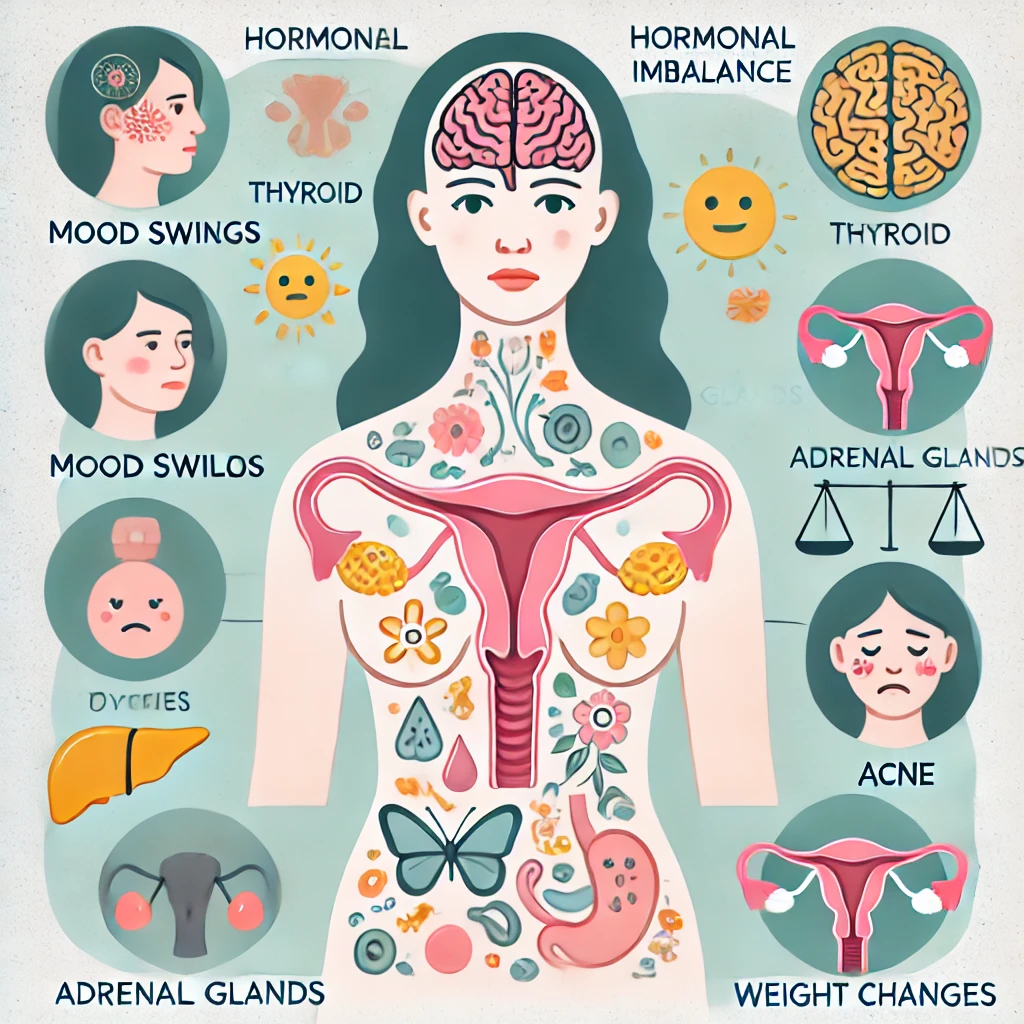
If you experience any of these nine symptoms consistently, it might be a good idea to consult a healthcare professional for diagnosis and treatment. During your appointment, you should be prepared to describe your symptoms and when they occurred. It’s also a good idea to bring a list of any medications, vitamins, and supplements that you’re currently taking.
Before we delve into the common causes of hormonal imbalance, let’s clarify that it’s natural for women to experience hormonal fluctuations throughout various stages of life. Certain periods of a woman’s life cause more dramatic changes and fluctuations in hormones. This includes puberty, pregnancy and the different stages of menopause. Let’s explore how these stages affect hormone levels:
- Puberty: The onset of menstruation involves a surge in estrogen and progesterone, causing physical changes and mood fluctuations.
- Pregnancy: During pregnancy, hormones like estrogen and progesterone increase significantly to support fetal development. The increase of these hormones are the major contributors to symptoms like morning sickness and fatigue.
- Postpartum: After childbirth, when the hormones have done their part in supporting fetal development, the hormone levels rapidly drop which can sometimes result in postpartum depression.
- Perimenopause: Perimenopause is the period before menopause – a period in which hormone levels fluctuate, which can cause symptoms like hot flashes, mood swings, and irregular periods.
- Menopause: This period marks the end of a woman’s reproductive years leading to a steep decline in estrogen, which can impact several factors in the body including bone density, skin elasticity, and cardiovascular health.
- Post-menopause: After menopause, women are at an increased risk of osteoporosis and cardiovascular disease due to the continuous decline in estrogen’s protective effects on bone density and heart health.
Identifying the root causes of hormonal imbalances is crucial for determining the most effective treatment. Numerous factors can disrupt hormone levels, including lifestyle habits, underlying medical conditions, and natural age-related changes. By understanding these triggers, you can take proactive steps to restore hormonal balance and improve your overall health. Below, we’ll explore some of the most common contributors to hormonal imbalances.
1. Chronic stress
Stress is the culprit of many conditions in our society, including hormonal imbalances. When you’re under stress—whether physical, emotional, or mental—your body releases cortisol, which is commonly known as the body’s “stress hormone.” While cortisol is essential for helping the body respond to stress, chronically elevated levels can lead to hormonal disruptions in several ways:
- Suppression of reproductive hormones: High cortisol levels has been shown to suppress the production of estrogen and progesterone, which can cause irregular menstrual cycles, mood swings, decreased sex drive, and infertility.
- Impact on thyroid function: Chronic stress and high cortisol levels can also impact your thyroid hormones. High cortisol levels restrict the conversion of the thyroid hormone T4 (inactive hormone) to the active thyroid hormone T3, which is the form of thyroid hormone that cells can use. This leads to a condition called hypothyroidism which can cause fatigue, weight gain, and depression.
- Blood sugar imbalances: Elevated cortisol can also increase blood sugar levels, which over time can contribute to insulin resistance. Insulin resistance impacts metabolism but it can also increase the risk of polycystic ovary syndrome (PCOS) and other endocrine disorders.
It’s therefore important to deal with long-term stress through different techniques such as mindfulness meditation, regular exercise, and a consistent sleep schedule.
2. Poor diet
A healthy and balanced diet which includes whole foods, lean proteins, healthy fats, and fiber is crucial for overall health, including hormonal balance. Nutrient deficiencies and a high intake of processed foods can contribute to hormonal imbalance, leading to a cascade of health problems. Let’s take a look at some of the effects of a poor diet:
- Insulin resistance: Diets consisting mainly of refined carbohydrates, added sugars, and unhealthy fats can cause insulin resistance. Insulin resistance means that cells stop responding effectively to insulin, forcing the pancreas to produce more of it which causes elevated insulin levels in the blood. This can stimulate the ovaries to produce more androgens (male hormones), which is a hallmark of PCOS.
- Lack of healthy fats: Diets low in healthy fats – such as Omega 3 found in fatty fish, nuts, and seeds – can reduce hormone production since hormones are synthesized from cholesterol and fatty acids. On the other hand, diets with a high level of “bad fats” such as trans fats and saturated fats can promote inflammation and disrupt hormone signalling.
3. Sleep deprivation
Sleep is a critical but often overlooked factor in hormonal balance. Chronic sleep deprivation disrupts the natural rhythm of hormone production, particularly those related to stress, appetite, and metabolism.
- Estrogen and progesterone: A lack of deep, restorative sleep can cause a drop in estrogen and progesterone levels, which we already know can lead to symptoms like irregular periods, mood swings, and low libido.
- Insulin: Furthermore, inadequate sleep affects insulin sensitivity, increasing the risk of developing insulin resistance, which is linked to conditions like PCOS and type 2 diabetes.
Therefore, it’s crucial to prioritize good sleep hygiene – such as maintaining a consistent sleep schedule, reducing screen time before bed, and creating a restful environment – to help stabilize your hormone levels.
4. Use of hormonal contraceptives
Hormonal contraceptives such as birth control pills are widely used to prevent pregnancy, regulate menstrual cycles, and treat symptoms of conditions like acne and PCOS. Since hormonal contraceptives contain hormones, it’s given that they will impact hormone balance. Let’s look at how this can happen and the symptoms it can cause:
- Disruption of natural hormone production: Birth control pills contain synthetic hormones (usually estrogen and a synthetic progesterone) which can suppress the natural production of hormones by the ovaries. This can sometimes lead to reduced libido, mood swings, and nutrient deficiencies.
- Increased estrogen levels: Some contraceptives can cause estrogen dominance (higher levels of estrogen in the blood) causing symptoms like bloating, breast tenderness, and weight gain. It’s also known that long-term use of contraceptives can increase the risk of blood clots and other health conditions due to the higher level of estrogen.
- Post-pill amenorrhea: Once a woman stops birth control pills, it may take several months for natural hormone levels to normalize. This can cause irregular periods or a temporary absence of menstruation (amenorrhea).
If you have encountered any severe side effects from hormonal contraceptives, there is always non-hormonal alternatives that you can discuss with your healthcare provider.
5. Health Conditions
Hormonal imbalances can also be caused by certain medical conditions which are directly linked to hormone production in the body:
- Autoimmune diseases: An autoimmune disease is caused by the immune system accidentally attacking a part of your body instead of protecting it. It’s still unclear why the immune system does this. In the instance that your immune system attacks a gland or organ that produces hormones, it causes a hormonal imbalance. Autoimmune endocrine conditions include Hashimoto’s disease and Graves’ disease.
- Tumors: Although it’s rare, endocrine tumors can form in glands or cells that produce hormones and can cause hormone imbalances. Some of the rare endocrine tumors include adrenal tumors and carcinoid tumors.
- Polycystic Ovary Syndrome (PCOS): This condition is characterized by elevated levels of androgens, which can lead to symptoms like irregular periods, acne, hair loss, and weight gain. PCOS is also associated with insulin resistance, making diet and exercise critical for management.
- Thyroid disorders: The thyroid gland produces hormones that regulate metabolism, energy levels, and body temperature. Hypothyroidism (low thyroid hormone levels) can cause fatigue, weight gain, and depression, while hyperthyroidism (overactive thyroid) can lead to weight loss, anxiety, and insomnia.
- Adrenal fatigue: Chronic stress can exhaust the adrenal glands, which produce the hormone cortisol. This can result in symptoms like extreme fatigue, cravings for salty foods, and difficulty waking up in the morning.
Now that we have covered some of the common causes of hormonal imbalances in women, let’s take a look at what lifestyle changes you can make to restore hormone balance and get back to your best self. Making the right adjustments can significantly alleviate symptoms:
- Adopt a balanced diet:
Focus on whole foods, fiber, healthy fats, and lean proteins. Incorporate foods like:- Flaxseeds: Rich in lignans, which can help balance estrogen levels.
- Fatty fish: Provides omega-3 fatty acids, which reduce inflammation.
- Leafy greens and cruciferous vegetables: Help detoxify excess estrogen.
- Regular exercise:
Physical activity helps regulate insulin levels, reduce cortisol, and improve mood. Aim for a mix of:- Cardio: Such as walking, jogging, or cycling.
- Strength training: To boost metabolism and bone density.
- Yoga or Pilates: For reducing stress and enhancing flexibility.
- Prioritize sleep:
We can’t stress enough how important quality sleep is for hormone regulation. Strive for 7–9 hours of uninterrupted sleep per night. Here are some tips on how to improve your sleep:- Limiting screen time before bed.
- Creating a dark, cool sleep environment.
- Practicing relaxation exercises like deep breathing.
- Manage stress:
Reducing stress is critical for hormonal health. Techniques include:- Meditation and mindfulness: To lower cortisol levels.
- Deep breathing exercises: To activate the parasympathetic nervous system.
- Journaling or creative outlets: To release emotional tension.
- Reduce exposure to endocrine disruptors:
Avoid products with chemicals like BPA and parabens found in plastics, cosmetics, and household cleaners. These chemicals can mimic hormones and interfere with your body’s natural hormonal balance.
In addition to the important lifestyle changes mentioned above, there are also certain natural supplements that can support hormonal balance. Let’s explore some of these below.
Effective natural supplements:
- Bioidentical hormones: These supplements contain plant-derived hormones that chemically resemble the body’s natural hormones. However, there’s no evidence to suggest that they work better than regular hormone therapy
- Adaptogens: Herbs like ashwagandha, maca root, and holy basil help the body adapt to stress and stabilize cortisol levels.
- Magnesium: Supports hormone production and can relieve symptoms of PMS, cramps, and anxiety.
- Omega-3 fatty acids: Reduce inflammation and improve symptoms related to menopause and PMS.
- Vitamin D: Supports thyroid function and overall hormone balance. Low levels of vitamin D are linked to mood disorders and fatigue.
- Probiotics: A healthy gut microbiome is essential for regulating estrogen levels and preventing hormonal imbalances.
In some cases, lifestyle modifications and natural remedies aren’t enough. That’s when medications might become necessary. The type of medication that is right for you depends on the cause of your hormonal imbalance. Below are some common medications used to treat hormonal imbalances in women:
- Hormonal birth control:
Hormonal birth control is often prescribed to regulate menstrual cycles, reduce heavy bleeding, and alleviate symptoms of PCOS. They come in the form of pills, patches, vaginal rings and more to suit everyone’s needs. - Metformin:
Metformin is actually a type 2 diabetes medication, but it can also help some individuals with PCOS symptoms. Although the FDA has not approved it to treat PCOS, it might help lower androgen levels (reducing symptoms like acne and excessive hair growth) and encourage ovulation. - Thyroid medications:
For women with an imbalance in thyroid hormones, such as hypothyroidism, the synthetic thyroid hormone levothyroxine can bring hormone levels back into balance. This can help improve energy and reduce weight gain. - Hormone Replacement Therapy (HRT):
This is usually prescribed as a low dose of estrogen prescribed during menopause to relieve symptoms like hot flashes, mood swings, and bone density loss. - Anti-androgen medications: If you are suffering from high androgen levels with symptoms like hair loss, facial hair growth, and acne, then anti-androgen medications which block the effects of androgens could be helpful for you.
In summary, it’s clear that hormonal imbalances significantly affect a woman’s physical and mental health. We have explained that hormonal imbalances can have several different causes and give rise to various symptoms. By recognizing the symptoms, identifying the causes, and exploring various treatment options, women can take proactive steps to restore balance. Always consult a healthcare professional for diagnosis and tailored treatment.

