
- Especially today, when we have a million things vying for our attention on a daily basis.
- The mind is constantly filtering out noise in pursuit of a calmer, more fulfilled lifestyle.
- At The Balance, we've built a program to help level out that noise by teaching people how to stay mindful in the face of it.
We all want to be present, but getting there is easier said than done. Especially today, when we have a million things vying for our attention on a daily basis. The mind is constantly filtering out noise in pursuit of a calmer, more fulfilled lifestyle. For high-profile people, it can be even louder. At The Balance, we’ve built a program to help level out that noise by teaching people how to stay mindful in the face of it. We give each of our clients a new toolkit to bring back to the world. We work to restore the brain-body connection. To discuss some of our practices and dive into what mindfulness really is, we sat down with our Founder & CEO, Abdullah Boulad, to get his insights.
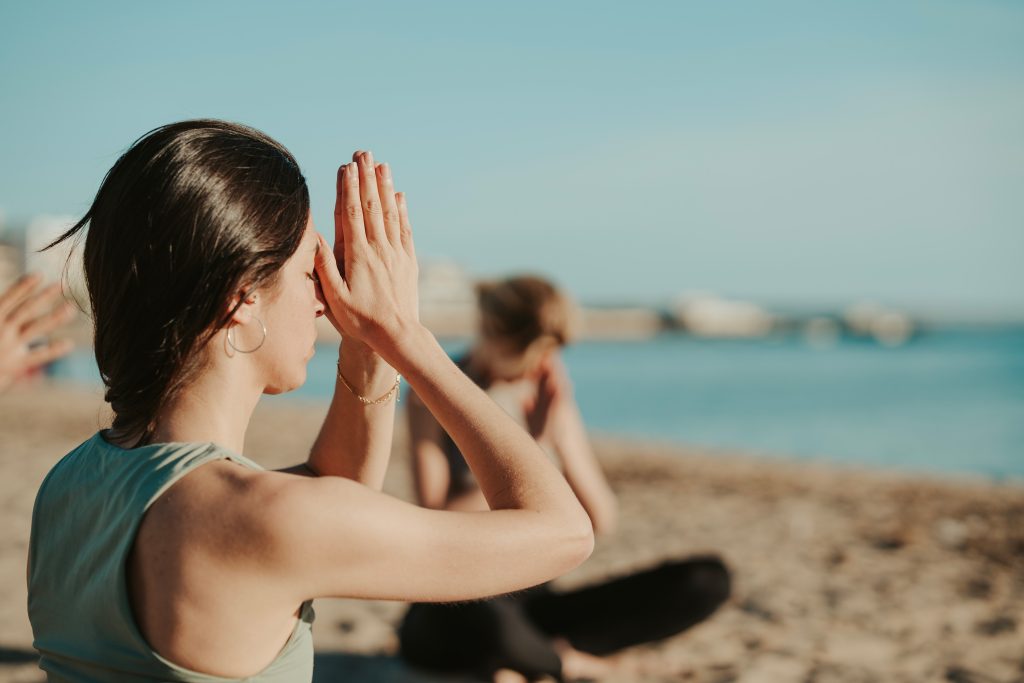
Mindfulness in its simplest form is about presence. It’s the practice of presence. Our bodies are always here, while our minds have the ability to travel – both to the past and the future. Abdullah Boulad notes, “The mind is a trickster; it is a shape shifter, an illusionist, and what better way to enslave a being than by having it look at illusions?” Everyone experiences mental chatter in their life time – whether it be distractions or something more upsetting like intrusive thoughts. Mindfulness is a daily practice that allows these habits to slowly melt away.
Everyone has access to the practice of mindfulness because it is in our control. That being said, when first learning to embrace awareness and let go of judgements, your mind will resist. This is natural. “Mindfulness is very much like a muscle, you can train it to become stronger. The more you focus your attention; the better the result over time,” says Abdullah.
The more we engage with mindfulness, the more we can control our immediate reactions to our environment and surrounding circumstances. It is quite easy to jump to an intense emotion like rage or upset. But when we practice mindfulness, we practice letting go of what we can’t control. This is because much of the practice revolves around the present moment, and getting back to our most truthful, calm state.
Mindfulness is something you can practice in a multitude of ways. Here are a few of our favourites:
Breathing exercises:
This thousand year old ritual has been practiced by nearly every culture in the world. When we connect to our breath, we connect to our present moment. When we breath deeply, we activate the parasympathetic nervous system. We send signals to the anxious part of our brain that we are safe and don’t need to be in fight or flight. You want to let your lungs and belly fill, sending the air deep into the body rather than keeping it shallow in the throat and chest. It can be particularly helpful to do exercises with mental visualisations. “Visualise your breath as fresh and positive and then imagine releasing that stale air along with all that is holding you back.”
Alternative fitness:
Alternative fitness is any kind of movement that has more of a rhythm to it. It’s not static, it’s active. Things like dance, martial arts, ballet and yoga are active. You have to be focused on the moment you are in to be able to do it. When people speak about these activities, they often talk about their mind ‘turning off.’ That is the feeling of dropping into the physical body, and out of the mind by engaging your muscles, raising your heart rate, and focusing you on the task at hand. Beyond this, these exercises are an act of joyfulness.
Equine therapy:
Horses are highly limbic creatures, meaning they have an alert emotional system. They have the ability to sense our tensions and mood and are easily affected by it. If someone is off, a horse will feel it and can be triggered by it. This requires the rider to be aware of their own emotions too. You have to be mindful not only of yourself but another being. This, as Abdullah says, “expands your brains capacity for attention, and allows you to access a higher level of consciousness.
We’ve incorporated everything we know to be grounding into our unique, individualized program. This looks different for each person. Our complementary therapies range from art, music and equine therapy. We have experts across all disciplines from our yoga master, Sarah Elfrin to our Chi Gong and meditation master, Antonio Bellosa. We work with the breath in various ways. It’s incorporated into psychotherapeutic treatments as well as somatic practices like Thai-massage, Rolfing, and acupuncture. We know that different techniques work on different days which is why we expose our clients to all of these practices. We create a powerful toolbox to help people navigate the impact of stress and society’s interference.
Mindfulness is the practice of presence. There is no one way to do it. But the more we do it, the better we become at practicing it. Some examples of techniques include breath work, alternative fitness routines, and equine therapy. At The Balance, we’ve incorporated all techniques into our program and hired the best experts in each field to give our clients an expert toolbox. When we lose our connection between the body and the mind, our life can quickly become chaotic. That’s why these practices are necessary to help us remain calm in the face of intense situations. As an affluent individual, we know the stakes are often raised in terms of pressures and stressors. We know the lifestyle, and we understand how to equip you with the skills to go with it.
The Article
About This Article
✔ Medically Reviewed
✔ Evidence-Based Sources
✔ Updated Regularly
✔ Clinically Verified
This article was written by THE BALANCE’s clinical content team and reviewed by a licensed medical or mental health professional (such as an MD, psychiatrist, clinical psychologist, or equivalent). Our reviewers ensure that the information reflects current research, accepted medical guidelines, and best practices in mental health and addiction treatment. THE BALANCE’s medical editors draw on extensive real-world clinical experience supporting individuals in residential, outpatient, and luxury private treatment settings across Europe and internationally.
Editorial Standards & Integrity
THE BALANCE follows strict editorial and clinical review standards to ensure accuracy, balance, and reliability:
- All medical statements rely on authoritative sources such as the WHO, NIMH, APA, NHS, CDC, and SAMHSA
- Statistics use the most recent and reliable research available
- No medical or therapeutic claims are made without clear, verifiable evidence
- Content is reviewed and updated regularly to reflect evolving science, treatment guidelines, and clinical best practices
- Commercial interests do not influence clinical accuracy; all clinical insights are reviewed independently
- Recommendations include context, limitations, and alternatives where appropriate
How We Review Sources
- Our clinical writers and editors rely on:
- Peer-reviewed research and meta-analyses
- National and international treatment guidelines
- Professional bodies and regulatory authorities
- Verified public data from reputable institutions
We do not use anecdotal reports, unverified claims, or commercially biased sources. Every factual claim is supported by established evidence.
Conflicts of Interest
THE BALANCE provides private mental health and addiction treatment services. However, our clinical reviewers ensure that all content remains objective, non-promotional, and balanced. When discussing treatment options, we outline limitations, risks, and alternatives. Our priority is reader safety and informed decision-making.
How to Use This Information Safely
Mental health and addiction conditions are complex and vary significantly between individuals. The information in this article is provided for general educational purposes only and should not replace professional medical advice, diagnosis, or treatment. If you or someone you know is experiencing symptoms, seek guidance from a qualified healthcare professional. To maintain accuracy and trust, THE BALANCE updates articles regularly as new research and clinical guidance become available.
Do you need help?
If you’re struggling, you don’t have to handle it alone. Support is available - whether you’re feeling overwhelmed, anxious, depressed, or dealing with alcohol or drug-related concerns. If you feel unsafe, are at risk of harming yourself, or someone else is in immediate danger, contact your local emergency number immediately.
Talk to Someone Now (Free & Confidential)
Choose your country to find a trusted helpline near you:
Spain
- Suicide & emotional crisis helpline: 024 (24/7, free, multilingual)
- Samaritans in Spain: 900 525 100 (24/7)
Switzerland
- Die Dargebotene Hand / La Main Tendue: 143 (24/7)
- Pro Juventute (youth): 147
United Kingdom
- Samaritans: 116 123 (24/7, free)
- NHS urgent mental health support: call 111 (24/7)
United States
- 988 Suicide & Crisis Lifeline — call, text, or chat 988 (24/7)
Canada
- 9-8-8 Suicide Crisis Helpline — call or text 988 (24/7, nationwide)
- Talk Suicide Canada (alternate): 1-833-456-4566
France
- National suicide prevention number: 3114 (24/7, free)
Germany
- TelefonSeelsorge: 116 123
- Alternate numbers: 0800 111 0 111 / 0800 111 0 222
Italy
- Telefono Amico Italia: 800 860 022 or 02 2327 2327
Not an Emergency, but You Want Support?
If you’re not in immediate danger but are worried about yourself or someone you care about, reaching out early can make a meaningful difference.
Explore Care Options Near You
This website lists verified mental health professionals, addiction specialists, and treatment programs searchable by country and location. Use the “Find treatment” / “Providers” section to explore available options.
Or Reach Out to Us
If you’d like help understanding next steps, you can contact our team confidentially. We’ll listen without judgment and help you explore appropriate options.
Contact our team
- Phone: +41445005111
- Email: help@thebalance.clinic
- Availability: Mon–Sun, 07:00–22:00 CET
Not sure what to say? You can simply write: “I need help.” We’ll take it from there.