


- Obsessive-Compulsive Disorder (OCD) is a complex mental health condition that affects millions worldwide, yet it is often misunderstood.
- It is estimated that 2% of the global condition is living with this condition, with 9 out of 10 experiencing a co-occurring disorder.
- In film and television, we often see it displayed as an insatiable desire for cleanliness - but this is a very narrow understanding.
Obsessive-Compulsive Disorder (OCD) is a complex mental health condition that affects millions worldwide, yet it is often misunderstood. It is estimated that 2% of the global condition is living with this condition, with 9 out of 10 experiencing a co-occurring disorder. In film and television, we often see it displayed as an insatiable desire for cleanliness – but this is a very narrow understanding. While cleaning can be part of the symptoms, it does not have to be present for someone to have OCD. These misconceptions often hinder people finding the right treatment and support. (source: FDA, n.d.)
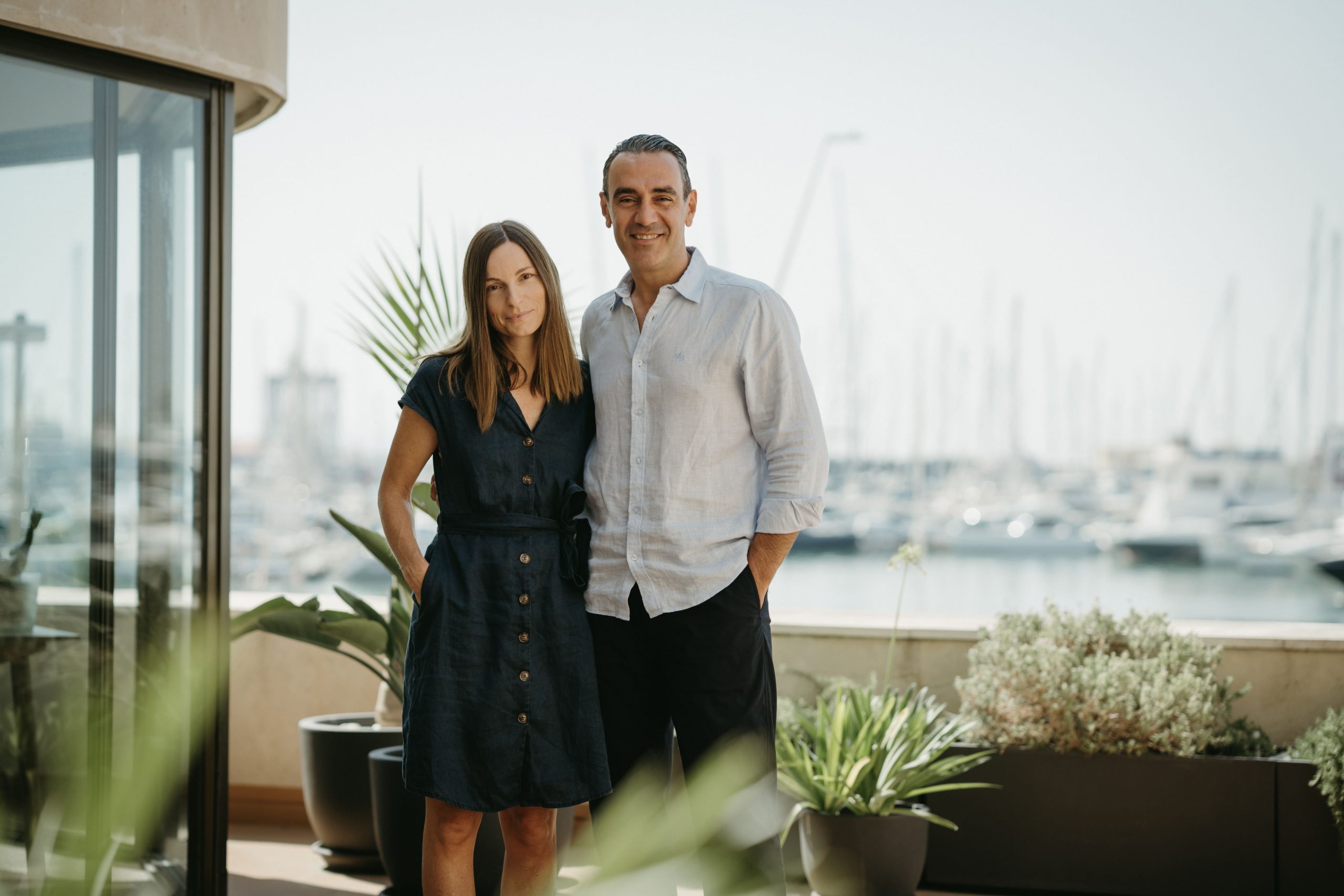
THE BALANCE Rehab Clinic specialises in helping affluent individuals get to the other side of their symptoms. To understand OCD better, we sat down with our Clinical Director, Dr. Sarah Boss, to discuss the condition, common misconceptions and how it develops. (source: NCBI, 2022)
The DSM-5, or diagnostic manual for mental disorders, characterises OCD as persistent, unwanted thoughts and behaviors that the sufferer feels compelled to perform on repeat. The compulsion is the attempt to ignore or suppress the thoughts, urges, or images or neutralise them with another thought or action. The way this manifests changes depending on the individual, but the key link is the intrusive nature and distress that it’s capable of causing. Examples of compulsions include checking, counting or cleaning rituals. Oftentimes, there is a frightening belief on the other side of the compulsion and if they don’t perform it correctly – something bad will happen. [3]
Beyond the DSM-5 diagnostic definition, our Clinical Director, Dr. Sarah Boss, defines OCD as the “inability to be flexible.” People who struggle with OCD, or the symptoms of it, are often obsessed with certain rules. Someone with OCD can be a perfectionist and it may help them in certain areas of life, but when it starts to negatively impact them is when they need to seek clinical support. [4]
OCD can be present in children from a young age, or it can develop as a result of depression, anxiety, or a particularly stressful moment of life. “The counting, cleaning or compulsion gives the illusion of order, of taking back control,” says Dr. Boss. (source: NIMH, n.d.)
- OCD is just about cleanliness The stereotype that OCD solely involves cleanliness and a desire for order is pervasive but grossly inaccurate. Many individuals with OCD have no cleaning compulsions. Instead, they may struggle with entirely different anxieties, such as an irrational fear of harming loved ones or the need to perform tasks in a specific, ritualistic way to avoid perceived disaster.
- People with OCD can just stop if they try hard enough This misconception is not only false but also harmful. It suggests that OCD is a matter of willpower, but it’s not. Compulsions are the attempt to stop whatever they think is going to happen. It is mentally exhausting, and something that requires professional help to understand and change slowly.
- OCD is just a personality trait This minimises OCD as if to say the experience of it is just a quirk. The condition is debilitating, and can severely impact every aspect of life, from personal relationships to professional responsibilities. It needs to be seen as a serious mental health struggle in order to get the appropriate support.
At THE BALANCE Rehab Clinic, we approach every struggle with the same philosophy. We know that the symptoms someone is experiencing comes from a deeper, underlying issue. We work to find the root cause. Our personalized programs are built after in-depth assessments and one to one time with our clinical experts. OCD is a condition that 90% of the time is co-occurring with another disorder. In order to get the right treatment, you need a team that is able to treat things as a whole – not just in isolation. [6]
It evolves with you. Dr, Sarah Boss says, “We want each patient to experience a bit of everything: good psychotherapy treatments, vagus nerve stimulation, medication if needed, with possible technology treatments like TMS or tDCS. We make sure all aspects of the body are looked at – with a full restoration of the microbiome, and balancing of all blood levels. We tailor everything we do to an individual’s needs – the tests and treatment could not be more specialised.” The program evolves with the client. Each of our treatments are carried out with the utmost privacy. (source: AACAP, n.d.)
Debunking common misconceptions about OCD is essential for changing perceptions about the disorder and improving treatment outcomes. When OCD starts to affect an individual’s quality of life – it’s time to seek treatment. 90% of people struggling with OCD are experiencing a co-occurring condition. At THE BALANCE Rehab Clinic, we specialise in multi-diagnosis cases. Our expert team builds a program that is personalized and evolves as you do. We encourage anyone struggling with OCD or their loved ones to reach out to discover how our unique approach can lead to a better quality of life. (source: NIH ClinicalTrials, n.d.)
The Article
References
- National Health Service. (n.d.). *Obsessive compulsive disorder (OCD).* [nhs.uk]
- National Center for Biotechnology Information. (n.d.). Home - Books - NCBI. [ncbi.nlm.nih.gov]
- MedlinePlus. (n.d.). *Obsessive-compulsive disorder (OCD).* National Library of Medicine. [medlineplus.gov]
- National Institute for Health and Care Excellence. (2005). Obsessive-compulsive disorder and body dysmorphic disorder: Treatment. National Institute for Health and Care Excellence. [nice.org.uk]
- FindTreatment.gov. (findtreatment.gov). [findtreatment.gov]
- National Library of Medicine. (n.d.). *ClinicalTrials.gov.* [clinicaltrials.gov]
About This Article
✔ Medically Reviewed
✔ Evidence-Based Sources
✔ Updated Regularly
✔ Clinically Verified
This article was written by THE BALANCE’s clinical content team and reviewed by a licensed medical or mental health professional (such as an MD, psychiatrist, clinical psychologist, or equivalent). Our reviewers ensure that the information reflects current research, accepted medical guidelines, and best practices in mental health and addiction treatment. THE BALANCE’s medical editors draw on extensive real-world clinical experience supporting individuals in residential, outpatient, and luxury private treatment settings across Europe and internationally.
Editorial Standards & Integrity
THE BALANCE follows strict editorial and clinical review standards to ensure accuracy, balance, and reliability:
- All medical statements rely on authoritative sources such as the WHO, NIMH, APA, NHS, CDC, and SAMHSA
- Statistics use the most recent and reliable research available
- No medical or therapeutic claims are made without clear, verifiable evidence
- Content is reviewed and updated regularly to reflect evolving science, treatment guidelines, and clinical best practices
- Commercial interests do not influence clinical accuracy; all clinical insights are reviewed independently
- Recommendations include context, limitations, and alternatives where appropriate
How We Review Sources
- Our clinical writers and editors rely on:
- Peer-reviewed research and meta-analyses
- National and international treatment guidelines
- Professional bodies and regulatory authorities
- Verified public data from reputable institutions
We do not use anecdotal reports, unverified claims, or commercially biased sources. Every factual claim is supported by established evidence.
Conflicts of Interest
THE BALANCE provides private mental health and addiction treatment services. However, our clinical reviewers ensure that all content remains objective, non-promotional, and balanced. When discussing treatment options, we outline limitations, risks, and alternatives. Our priority is reader safety and informed decision-making.
How to Use This Information Safely
Mental health and addiction conditions are complex and vary significantly between individuals. The information in this article is provided for general educational purposes only and should not replace professional medical advice, diagnosis, or treatment. If you or someone you know is experiencing symptoms, seek guidance from a qualified healthcare professional. To maintain accuracy and trust, THE BALANCE updates articles regularly as new research and clinical guidance become available.
Do you need help?
If you’re struggling, you don’t have to handle it alone. Support is available - whether you’re feeling overwhelmed, anxious, depressed, or dealing with alcohol or drug-related concerns. If you feel unsafe, are at risk of harming yourself, or someone else is in immediate danger, contact your local emergency number immediately.
Talk to Someone Now (Free & Confidential)
Choose your country to find a trusted helpline near you:
Spain
- Suicide & emotional crisis helpline: 024 (24/7, free, multilingual)
- Samaritans in Spain: 900 525 100 (24/7)
Switzerland
- Die Dargebotene Hand / La Main Tendue: 143 (24/7)
- Pro Juventute (youth): 147
United Kingdom
- Samaritans: 116 123 (24/7, free)
- NHS urgent mental health support: call 111 (24/7)
United States
- 988 Suicide & Crisis Lifeline — call, text, or chat 988 (24/7)
Canada
- 9-8-8 Suicide Crisis Helpline — call or text 988 (24/7, nationwide)
- Talk Suicide Canada (alternate): 1-833-456-4566
France
- National suicide prevention number: 3114 (24/7, free)
Germany
- TelefonSeelsorge: 116 123
- Alternate numbers: 0800 111 0 111 / 0800 111 0 222
Italy
- Telefono Amico Italia: 800 860 022 or 02 2327 2327
Not an Emergency, but You Want Support?
If you’re not in immediate danger but are worried about yourself or someone you care about, reaching out early can make a meaningful difference.
Explore Care Options Near You
This website lists verified mental health professionals, addiction specialists, and treatment programs searchable by country and location. Use the “Find treatment” / “Providers” section to explore available options.
Or Reach Out to Us
If you’d like help understanding next steps, you can contact our team confidentially. We’ll listen without judgment and help you explore appropriate options.
Contact our team
- Phone: +41445005111
- Email: help@thebalance.clinic
- Availability: Mon–Sun, 07:00–22:00 CET
Not sure what to say? You can simply write: “I need help.” We’ll take it from there.