

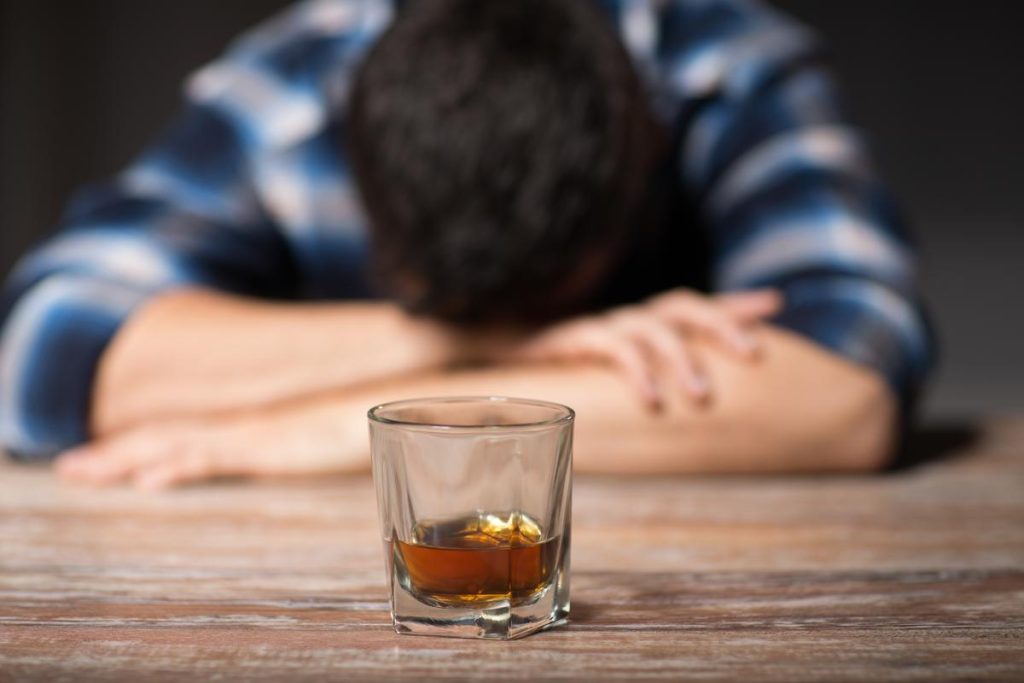
- Did you know that alcohol, the notorious liquid chameleon, possesses the astonishing power to shape-shift personalities?
- As the elixir of euphoria flows through our veins, it unlocks a secret door to a realm where even the most reserved souls turn into raucous revellers or brooding shadows.
- From the uninhibited to the explosive, alcoholism and personality changes go hand in hand, paving the way for an enthralling exploration into the enigmatic world where booze reigns supreme.
Did you know that alcohol, the notorious liquid chameleon, possesses the astonishing power to shape-shift personalities? Yes, it’s true! As the elixir of euphoria flows through our veins, it unlocks a secret door to a realm where even the most reserved souls turn into raucous revellers or brooding shadows.
From the uninhibited to the explosive, alcoholism and personality changes go hand in hand, paving the way for an enthralling exploration into the enigmatic world where booze reigns supreme.
But how does binge drinking affect a person’s personality? Buckle up and join us on a fascinating journey as we explore the curious ways alcohol changes personalities and delve into the intriguing relationship between alcoholism and the human psyche. Prepare to be amazed as we unravel the intriguing secrets hidden within the depths of alcohol-induced metamorphosis.
Alcohol can cause behavior changes, but does alcohol change your personality altogether? Let’s dive into the topic and better understand the alcoholic personality.
Alcohol and Inhibition: The Science Behind Behavioral Changes
Raise your hand if you’ve heard someone say, “I’m not myself when I’m drunk!” It turns out there’s some truth to that statement. Alcohol has a remarkable way of loosening our inhibitions. Researchers have made significant efforts in understanding the alcoholic personality changes, exploring the complex interplay between alcohol and enduring changes in behavior. Here’s what happens:
Impaired judgment: As the alcohol seeps into your system, it affects the decision-making part of your brain. This can lead to poor judgment and a disregard for consequences, resulting in behavior that is out of character.
Emotional volatility: Alcohol can heighten emotions, making you more prone to outbursts of anger, sadness, or even euphoria. It can amplify existing feelings, making them harder to control.
Reduced self-awareness: You know that little voice in your head that keeps you in check? Well, alcohol has a way of silencing it. It impairs your ability to assess your behavior, leading to actions that you might later regret [1].
The Immediate Impact Of Alcohol On Personality: Signs To Look For
While alcohol can affect everyone differently, certain patterns of personality change tend to emerge when people consume alcohol. Here are a few examples:
Aggression: Alcohol lowers inhibitions and can increase aggressive tendencies in some individuals. What starts as a harmless argument can quickly escalate into something more intense under the influence of alcohol.
Unpredictability: People who are typically calm and collected may become more impulsive and unpredictable when they drink. Alcohol can make you more likely to engage in risky behaviours without considering the consequences.
Extroversion or introversion extremes: If you’re naturally extroverted, alcohol might amplify that side of your personality. On the other hand, introverts may become even more withdrawn and reserved.
Emotional instability: Alcohol can magnify emotions, making you more susceptible to mood swings. What might have been a minor annoyance when sober could turn into a major source of distress after a few drinks [2].
The Aftermath: What Happens After The Party
So, what happens when the party ends and the hangover kicks in? Well, your personality typically returns to its usual state once the effects of alcohol wear off. However, excessive or chronic alcohol use can have long-term effects on your mental health and personality.
We’ve all heard stories of people behaving completely differently after a few drinks. But does alcohol change your personality in the long term? Let’s explore this intriguing question and uncover the truth.
There is scientific evidence that heavy, long-term drinking can have more profound and lasting effects. Here’s what research suggests about long-term personality changes associated with alcohol consumption [1]:
Increased neuroticism: Heavy drinking over time has been linked to higher levels of neuroticism, which is characterised by increased emotional instability, anxiety, and moodiness.
Impaired cognition: Alcohol abuse can negatively impact cognitive functions such as memory, attention, and problem-solving skills. This can affect your ability to think clearly and make sound decisions.
Relationship strain: Excessive alcohol consumption can strain relationships with friends, family, and romantic partners. This can lead to increased conflicts, decreased trust, and a decline in overall relationship satisfaction.
Lack of Self-Control: The lack of self-control can extend beyond alcohol consumption and start affecting other areas of life. It may lead to impulsive behavior, poor impulse control, and difficulty in managing emotions or regulating one’s actions. This lack of self-control can hinder personal growth, and contribute to a cycle of destructive behaviours associated with alcoholism.
Worsened Mental Health: While alcohol might provide temporary relief or escape, it ultimately worsens mental health in the long run. Some of the common mental health issues associated with alcoholism include:
- Depression: Heavy drinking can lead to depressive symptoms or worsen preexisting depression. Alcohol is a depressant, and its consumption can disrupt the brain’s natural chemical balance, leading to feelings of sadness, hopelessness, and low mood.
- Anxiety disorders: Alcohol abuse can increase anxiety levels and contribute to the development of anxiety disorders. It can create a cycle of dependence, where individuals rely on alcohol to alleviate anxiety temporarily, only to experience heightened anxiety when the effects wear off.
- Personality disorders: Prolonged alcohol abuse can contribute to the developing or worsening of certain personality disorders, such as antisocial personality disorder or borderline personality disorder. These disorders are characterised by unhealthy patterns of thinking, feeling, and behaving.
Lack of Motivation: Alcoholism can also significantly impact an individual’s motivation and drive. Excessive drinking can disrupt normal brain functioning and interfere with the brain’s reward system, which is responsible for feelings of motivation and pleasure.
By now we know that alcohol changes personality. That said, not everyone who drinks will experience significant changes in their behavior or personality. However, certain factors can increase the risk of experiencing alcoholic behavior changes. Let’s explore who is more susceptible to these effects.
Genetic Factors
Genetics can play a role in determining an individual’s susceptibility to alcohol-related behavior changes. Some people may have a genetic predisposition that makes them more vulnerable to the effects of alcohol on their personality. If there is a family history of alcoholism or substance abuse, the risk may be higher [3].
Psychological Factors
Several psychological factors can contribute to an increased risk of alcoholic behavior changes:
Preexisting mental health conditions: Individuals with mental health disorders, such as depression, anxiety, or personality disorders, may be more susceptible to personality changes when consuming alcohol. Alcohol can interact with these conditions, exacerbating symptoms and altering behavior.
Coping mechanisms: People who rely on alcohol as a coping mechanism for stress, emotional pain, or trauma may be at a higher risk of experiencing behavioral changes. Alcohol can temporarily alleviate symptoms but worsen underlying psychological issues in the long run.
Impulsivity and sensation-seeking tendencies: Individuals who are naturally more impulsive or have a strong inclination toward seeking novelty and excitement may be at a heightened risk. They may be more likely to engage in risky behaviours and experience changes in behavior when under the influence of alcohol [1].
Environmental And Social Factors
The social and environmental contexts in which alcohol is consumed can also influence behavior changes:
Peer influence: If you surround yourself with a social group that encourages excessive drinking or engages in risky behaviours, the likelihood of experiencing personality changes may increase.
Stressful environments: High-stress environments, such as work-related stress or challenging personal circumstances, can contribute to increased alcohol consumption and subsequent behavior changes.
Early exposure: Individuals who begin drinking at an early age may be at a higher risk of developing alcohol-related behavior changes later in life [2].
Personality changes in alcoholics can be profound and enduring, affecting various aspects of their behavior and emotional well-being, but the good news is that there are steps you can take to undo them. Let’s dive in and discover how to reclaim your true self.
Embrace Sobriety
The most effective way to reverse alcohol-induced personality changes is to abstain from drinking altogether [2]. Give yourself time to heal and allow your brain and body to recover from the effects of alcohol.
Seek Support
Reach out to a support network that understands your struggle and can provide guidance and encouragement. Consider joining a support group or seeking professional therapy [3]. Surround yourself with positive influences who can help you stay on track.
Practice Self-Reflection and Awareness
Take the time to reflect on your behaviours and identify the specific personality changes that occurred while under the influence of alcohol [1]. Develop self-awareness by journaling, meditating, or engaging in activities that promote introspection.
Implement Healthy Coping Mechanisms
Replace alcohol with healthier coping strategies, such as exercise, hobbies, or spending time with loved ones. Develop new ways to manage stress and manage emotions without relying on alcohol.
Focus on Self-Care
Prioritise your physical and mental well-being by getting enough sleep, eating nutritious meals, and engaging in activities that bring you joy. Consider incorporating relaxation techniques, such as deep breathing or mindfulness, into your daily routine.
It’s essential to recognize when professional help may be needed to address alcoholic personality changes. Here’s a guide to knowing when it’s time to take that crucial step towards seeking support.
Drastic and Persistent Personality Shifts
If the personality changes observed during drinking episodes persist even after the effects of alcohol wear off, it may indicate a deeper issue [1]. Signs that warrant professional intervention include:
- Extreme mood swings, from euphoria to depression
- Heightened aggression or violent tendencies
- Drastic shifts in social behavior, such as withdrawal from loved ones or engaging in risky activities
- Impaired judgment and decision-making even when sober
Negative Impact on Relationships and Functioning
When alcoholic personality changes start taking a toll on relationships, work, or daily functioning, it’s time to seek professional help [3]. Warning signs include:
- Frequent conflicts with family, friends, or colleagues
- A decline in work or academic performance
- Neglecting responsibilities and obligations
- Legal issues resulting from alcohol-related behavior
Increased Dependence on Alcohol
If your loved one shows signs of alcohol dependence or addiction, seeking professional help is crucial [2]. Look out for:
- An inability to control or limit alcohol consumption
- Persistent cravings and preoccupation with obtaining alcohol
- Experiencing withdrawal symptoms when attempting to quit or cut back on drinking
Remember, reaching out for professional assistance is a courageous and compassionate choice. Mental health professionals, addiction specialists, and support groups can provide the guidance, resources, and treatment options necessary to address alcoholic personality changes and embark on a path to recovery.
By seeking help, you’re taking the first step towards reclaiming yourself or helping a loved one regain control over their life. Don’t hesitate to reach out—there’s a supportive network ready to help you navigate this challenging journey. Remember, change is possible, and a brighter future awaits.
1. Psych Central. Does Drinking Alcohol Change Your Personality? https://psychcentral.com/addictions/what-happens-to-your-specific-personality-when-drinking
2. Good Rx. Can Drinking Too Much Alcohol Change One’s Personality? https://www.goodrx.com/health-topic/alcohol/personality-change-when-drinking-alcohol
3. Choosing Therapy. Alcoholic Personality Changes: 10 Signs to Look Out For. https://www.choosingtherapy.com/alcoholic-personality-changes/