
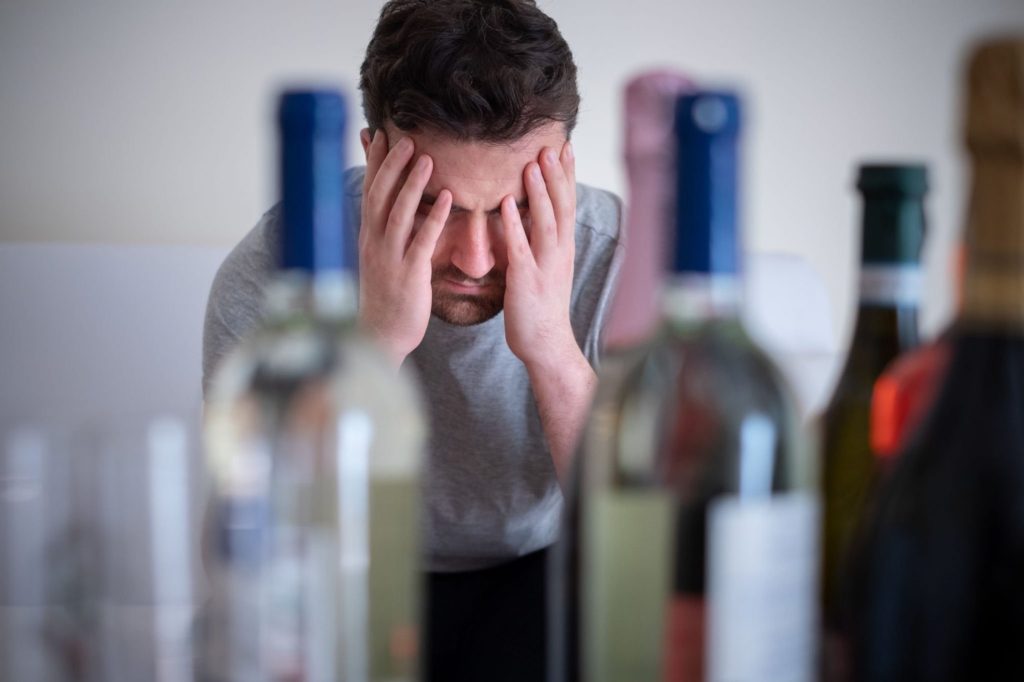
- Drinking heavily is detrimental to your physical health as well as your mental health.
- Some individuals may drink in an attempt to alleviate the symptoms of their mental illness.
- People drink for a variety of reasons, such as to celebrate, socialize, commiserate, and drown their sorrows.
Alcohol abuse and mental health go hand in hand. Drinking heavily is detrimental to your physical health as well as your mental health. Some individuals may drink in an attempt to alleviate the symptoms of their mental illness. People drink for a variety of reasons, such as to celebrate, socialize, commiserate, and drown their sorrows. We may consume alcohol in an effort to change our temperament: to feel more courageous, calm, or confident. However, alcohol’s effects are just transitory. Due to the effects of alcohol withdrawal on the mind and body, as it fades off, we frequently feel worse.
You may believe that alcohol is your survival strategy or coping mechanism: a technique to manage stress, depression, worry, and other challenging emotions. You may be anxious about how your life might change if you quit drinking or reduce your alcohol consumption.
However, relying on drinking to manage your mental health might be problematic in and of itself. There is no shame in seeking assistance, undergoing high-end treatment at luxury residential rehab centers, and exploring a new relationship with alcohol.
Alcohol causes the central nervous system to slow down. The central nervous system regulates thoughts and emotions and how the brain communicates with the body. Alcohol’s most immediate impacts are on the brain, altering how you feel, think, and act.
According to research, some individuals, especially adolescents, consume alcohol to enable them to cope with anxiety, stress, and depression, as well as situations they otherwise would find challenging to deal with.
After a busy or challenging day, a glass of wine or beer may help you relax, but in the long run, it can cause more tension, anxiety, and depression and greatly increase alcohol consumption. This happens because alcohol alters the brain, which depletes the neurotransmitters in our brains that naturally alleviate anxiety. As a consequence, we may feel even more pressured, anxious, or sad, leading us to believe that we require more alcohol to cope with these overpowering emotions of tension.
According to research, people who admitted to using alcohol as a form of self-medication for their mood are more likely to become dependent on alcohol.
Additionally, alcohol impairs our capacity to think clearly and make logical judgments, which can increase the chance of violent or aggressive behavior. This is because alcohol might diminish your capacity for self-reflection, ability to process sensory stimuli, and conflict resolution skills.
Some individuals claim that alcohol helps them sleep. While alcohol may help promote sleep in the short term (— in other words, during the first half of the night), you are much more likely to encounter sleep disturbances during the latter half of the night, which is the deepest portion of our sleep cycle. Sleep quality is essential for optimal mental health, emotional stability, and well-being, and sleep deprivation can significantly affect our ability to function normally and our overall life quality. (source: NIAAA, n.d.)
Our mental health and well-being are influenced by numerous things, including alcohol intake. Mental illness and alcohol use have a strong correlation. Alcohol consumption can contribute to the development and severity of mental health disorders. Individuals with or at risk for a mental health disorder are more prone to consume alcohol and may experience worsened symptoms as a result.
According to an Australian study, one in five (16–85 years old) may have a mental health illness, and one in twenty (5 percent) will suffer from alcohol abuse or other substance abuse in any given year.
Alcohol or other substance addiction coexisting with one or more mental health conditions is common among people. At least 30-50 percent of people with an alcohol or other drug problem also have a mental health disorder, according to estimates.
In addition to its numerous harmful effects, alcohol can interact poorly with the majority of drugs typically prescribed for mental health disorders, including antidepressants, especially when ingested at low levels (1 or 2 drinks per day).
Below is a summary of the association between alcohol and mental health conditions.
Individuals with clinically severe alcohol problems frequently exhibit symptoms of anxiety and depression, and likewise, individuals with clinically substantial anxiety and depression frequently exhibit symptoms of alcohol problems.
The National Health and Medical Research Council advises individuals receiving treatment for a mental health issue to address their alcohol consumption with a health care practitioner.
Because the association between alcohol use and mental health issues is bidirectional, alcohol dependence increases the probability of developing a mental health condition, and psychological disorders can raise the risk of developing alcohol dependence. For instance, the incidence of depression doubles for people who suffer from alcoholism. Similarly, those with depression and anxiety disorders are more than four-fold more likely to develop alcohol dependence than those without these conditions. (source: NIMH, n.d.)
Alcoholism, mental health, emotional well-being, and physical health are closely linked. Using alcohol as a short-term remedy to difficult, challenging, or unpleasant emotions or situations can be enticing. However, it can result in major mental health issues.
You may be unaware that your drinking is negatively impacting your mental health. However, there may be warning indications.
Symptoms of poor mental health caused by excessive drinking include:
- Memory and recall issues
- Concentration problems
- Struggling to learn new stuff
- Depression or lack of interest
- Anxiety or excessive worry
- Frequent changes in personality
- Fuzzy reasoning
Consult your doctor if you have any of these symptoms.
Harmful coping skills and related lack of mental wellness
If you use alcohol to manage stress and anxiety, you forego the opportunity to build healthy coping skills.
Among healthy coping skills are:
- Discussing your concerns and problems with family and friends
- Seeking professional assistance
- Adopting stress management strategies
- The next time you confront a problem, you may get more intimidated and be more inclined to drink.
- Insomnia, hangovers, and health issues can also leave you feeling less capable of coping with your day-to-day problems.
Mental health issues due to broken relationships (source: NHS, 2023)
Intoxication and excessive drinking might result in arguments. It can also cause you to ignore or harm the people you care for.
Mental health disorders
Alcohol can exacerbate the symptoms of mental disorders such as anxiety and depression. Reducing or eliminating alcohol consumption has the immediate effect of enhancing mood.
Using alcohol to alleviate social anxiety can impede the development of interpersonal, relational, social, and coping skills.
You may also:
- Become dependent on alcohol
- Sense extreme anxiety in social settings where alcohol is lacking
- Start to shun social environments
- Social anxiety transcends shyness. It is a fear that persists after the social occasion.
Consuming alcohol to suppress feelings
The idiom “to drown one’s sorrows” is a common response to painful emotions.
Occasionally, you may not even realize what is upsetting you. You simply recognize that you feel horrible and desire temporary forgetfulness. (source: WHO, 2023)
Alcohol can provide momentary alleviation, but only temporarily. The end impact is depression and increased anxiety.
You may discover that you require more alcohol to remain numb and ignore your emotions. This could result in alcoholism.
Alcohol causes an unwanted release of emotions
Alcohol can weaken inhibitions and cause negative emotions to arise or become more powerful. This is one of the reasons why drinking may cause you to become irritated, aggressive, or angry.
Attempting to regulate these emotions when intoxicated can result in:
- Violence
- Arguments
- Self-harm
- Suicidal thoughts
Alcohol and anger
Alcohol can release repressed emotions. It might also intensify feelings of rage, anger, and irritation. This can result in profound regret if you’ve caused harm.
Alcohol and low self-esteem (source: NIDA, 2020)
Low self-esteem can be damaging to:
- Quality of life
- Relationships
- Achievements
- Career
- Workplace adjustment
- Potential for happiness
Alcohol is a momentary and occasionally destructive solution to a more persistent problem. It may prevent you from discovering coping mechanisms and enhancing your self-esteem.
You may drink more frequently or develop dependent on alcohol. This can cause you to behave in a manner that lowers your self-esteem.
Alcohol and stress
You may consume alcohol to ease stress and unwind.
Initially, drinking may help you relax. However, as the effects fades off, the tension, stress, and problems producing the stress remain. They could also be worse, resulting in a greater thirst or craving to drink.
Alcohol, self-harm, and suicide
Alcohol might increase the likelihood of erratic or impulsive behavior. (source: SAMHSA, 2023)
There is a substantial correlation between alcoholism, self-mutilation, and suicide. If you abuse alcohol, your suicide risk increases.
Some effects of alcohol emotionally decapitate its addicts. Alcohol affects the cerebral cortex, which is responsible for mental processing and consciousness. Alcohol drinking, particularly in high amounts, impairs rational thought.
Additionally, alcohol depresses the behavioral inhibitory regions, resulting in decreased inhibition and impaired judgment. This loss of inhibition typically causes individuals to consume more alcohol than they normally would.
Alcohol may temporarily improve your mood, but its benefits are usually transient. A person may experience happy emotions when intoxicated, but the emotional elements that led to alcohol misuse persist after the effects of intoxication subside.
Drinking Emotions
Alcohol typically affects three basic kinds of emotions and temperaments:
Painful: When a person drinks alcohol to cope with uncomfortable feelings, they are often attempting to overcome fear, sorrow, hurt, grief, jealousy, shame, guilt, embarrassment, or loneliness.
Happy: People who use alcohol to control their feelings of happiness are typically seeking to amplify sensations of delight, confidence, general excitement, thrill, self-esteem, and belonging/connection in social settings. According to research, these are common reasons for drinking, particularly among younger individuals. (source: MedlinePlus, 2024)
Feelings of relaxation: Alcohol appears to induce feelings of emotional relaxation. People describe experiencing comfort, lack of concern over situations, and emotional numbness. Alcohol causes these effects by elevating levels of the neurotransmitter GABA, which suppresses nervous system function and produces a calming effect.
Alcohol Induced Emotional Numbness
People experiencing emotional agony may consume alcohol to seek numbness. Due to the effects of drunkenness, it is possible to create temporary numbness through the consumption of alcohol. Even excessive drinking can result in blackouts and memory lapses.
While blacking out can help produce numbness, consuming alcohol to the point of blacking out is harmful. A person loses control of their instincts and has difficulties making sensible decisions during a blackout.
This raises the likelihood of engaging in dangerous behaviors, such as drinking and driving or unprotected sex. The hazards associated with excessive alcohol drinking outweigh the sense of numbness that it produces.
Emotional Flatness Due To Alcohol
Since alcohol boosts GABA levels, it might have a calming impact on the body. Consequently, some individuals may use alcohol to settle their emotions, although these effects are likewise transient.
If someone increases their alcohol consumption over time and builds a tolerance, it will take more alcohol to have the same soothing benefits. Because their body is accustomed to a certain level of alcohol and its effects on GABA levels, a person with alcohol tolerance may feel withdrawal symptoms when they stop drinking or try to cut back. Without alcohol to raise GABA levels, the body experiences withdrawal, resulting in feelings such as anxiety. (source: NICE, 2023)
Eventually, the emotional flatness associated with alcohol consumption vanishes, and it becomes even more difficult to regulate emotions.
Alcoholism and Emotional Abuse
Alcohol addiction may wreak havoc on families and personal relationships. During a period of alcoholism, a person’s emotions may be raw and unstable, resulting in wrath, hysteria, weeping fits, or even verbal or physical abuse. This results in others avoiding the person out of fear or inability to cope.
Alcohol abusers are frequently viewed as untrustworthy, unreliable, easily provoked, and unworthy of respect. Unfortunately, these are frequently some of the emotions that initially lead to alcohol abuse. As a consequence, the cycle of abuse persists and is self-sustaining.
Alcohol alters the brain’s chemical makeup and raises the likelihood of feeling depressed or anxious. If you have been drinking more frequently and have discovered that you’re feeling depressed, quitting alcohol may help.
Within a few weeks of abstaining from alcohol, experts have observed that sad persons who had been drinking began to feel better. If you feel better after trying this, alcohol was likely the cause of your low mood.
You may discover that you feel happier and can manage your life better. However, if your poor mood persists and negatively impacts your quality of life, you must get support from your primary care physician.
Signs that alcohol is damaging your mental well-being include:
- Finding it challenging to relax and sleep after drinking
- Being in a bad mood
- Recurring fatigue and hangover symptoms
- Worrying and stressing out in situations and with people you normally wouldn’t be bothered by.
- Alcohol and Mental Health. Alcohol Think Again. Available at: https://alcoholthinkagain.com.au/alcohol-your-health/alcohol-and-mental-health.
- Alcohol and Mental Health. Mental Health Foundation. Available at: https://www.mentalhealth.org.uk/explore-mental-health/a-z-topics/alcohol-and-mental-health.
- How alcohol affects your mental health. HSE.ie. Available at: https://www2.hse.ie/living-well/alcohol/health/mental-health/how-alcohol-affects-your-mental-health.
- How does alcohol affect your mental health? WebMD. Available at: https://www.webmd.com/mental-health/addiction/what-to-know-about-alcohol-and-mental-health.
- The short-term & long-term emotional effects of alcohol use & addiction. The Recovery Village Drug and Alcohol Rehab. Available at: https://www.therecoveryvillage.com/alcohol-abuse/emotional-effects-alcohol.
- Stress and anxiety: How alcohol affects your mental health. Private healthcare. Available at: https://www.bupa.co.uk/newsroom/ourviews/alcohol-and-mental-health.
The Article
About This Article
✔ Medically Reviewed
✔ Evidence-Based Sources
✔ Updated Regularly
✔ Clinically Verified
This article was written by THE BALANCE’s clinical content team and reviewed by a licensed medical or mental health professional (such as an MD, psychiatrist, clinical psychologist, or equivalent). Our reviewers ensure that the information reflects current research, accepted medical guidelines, and best practices in mental health and addiction treatment. THE BALANCE’s medical editors draw on extensive real-world clinical experience supporting individuals in residential, outpatient, and luxury private treatment settings across Europe and internationally.
Editorial Standards & Integrity
THE BALANCE follows strict editorial and clinical review standards to ensure accuracy, balance, and reliability:
- All medical statements rely on authoritative sources such as the WHO, NIMH, APA, NHS, CDC, and SAMHSA
- Statistics use the most recent and reliable research available
- No medical or therapeutic claims are made without clear, verifiable evidence
- Content is reviewed and updated regularly to reflect evolving science, treatment guidelines, and clinical best practices
- Commercial interests do not influence clinical accuracy; all clinical insights are reviewed independently
- Recommendations include context, limitations, and alternatives where appropriate
How We Review Sources
- Our clinical writers and editors rely on:
- Peer-reviewed research and meta-analyses
- National and international treatment guidelines
- Professional bodies and regulatory authorities
- Verified public data from reputable institutions
We do not use anecdotal reports, unverified claims, or commercially biased sources. Every factual claim is supported by established evidence.
Conflicts of Interest
THE BALANCE provides private mental health and addiction treatment services. However, our clinical reviewers ensure that all content remains objective, non-promotional, and balanced. When discussing treatment options, we outline limitations, risks, and alternatives. Our priority is reader safety and informed decision-making.
How to Use This Information Safely
Mental health and addiction conditions are complex and vary significantly between individuals. The information in this article is provided for general educational purposes only and should not replace professional medical advice, diagnosis, or treatment. If you or someone you know is experiencing symptoms, seek guidance from a qualified healthcare professional. To maintain accuracy and trust, THE BALANCE updates articles regularly as new research and clinical guidance become available.
Do you need help?
If you’re struggling, you don’t have to handle it alone. Support is available - whether you’re feeling overwhelmed, anxious, depressed, or dealing with alcohol or drug-related concerns. If you feel unsafe, are at risk of harming yourself, or someone else is in immediate danger, contact your local emergency number immediately.
Talk to Someone Now (Free & Confidential)
Choose your country to find a trusted helpline near you:
Spain
- Suicide & emotional crisis helpline: 024 (24/7, free, multilingual)
- Samaritans in Spain: 900 525 100 (24/7)
Switzerland
- Die Dargebotene Hand / La Main Tendue: 143 (24/7)
- Pro Juventute (youth): 147
United Kingdom
- Samaritans: 116 123 (24/7, free)
- NHS urgent mental health support: call 111 (24/7)
United States
- 988 Suicide & Crisis Lifeline — call, text, or chat 988 (24/7)
Canada
- 9-8-8 Suicide Crisis Helpline — call or text 988 (24/7, nationwide)
- Talk Suicide Canada (alternate): 1-833-456-4566
France
- National suicide prevention number: 3114 (24/7, free)
Germany
- TelefonSeelsorge: 116 123
- Alternate numbers: 0800 111 0 111 / 0800 111 0 222
Italy
- Telefono Amico Italia: 800 860 022 or 02 2327 2327
Not an Emergency, but You Want Support?
If you’re not in immediate danger but are worried about yourself or someone you care about, reaching out early can make a meaningful difference.
Explore Care Options Near You
This website lists verified mental health professionals, addiction specialists, and treatment programs searchable by country and location. Use the “Find treatment” / “Providers” section to explore available options.
Or Reach Out to Us
If you’d like help understanding next steps, you can contact our team confidentially. We’ll listen without judgment and help you explore appropriate options.
Contact our team
- Phone: +41445005111
- Email: help@thebalance.clinic
- Availability: Mon–Sun, 07:00–22:00 CET
Not sure what to say? You can simply write: “I need help.” We’ll take it from there.