

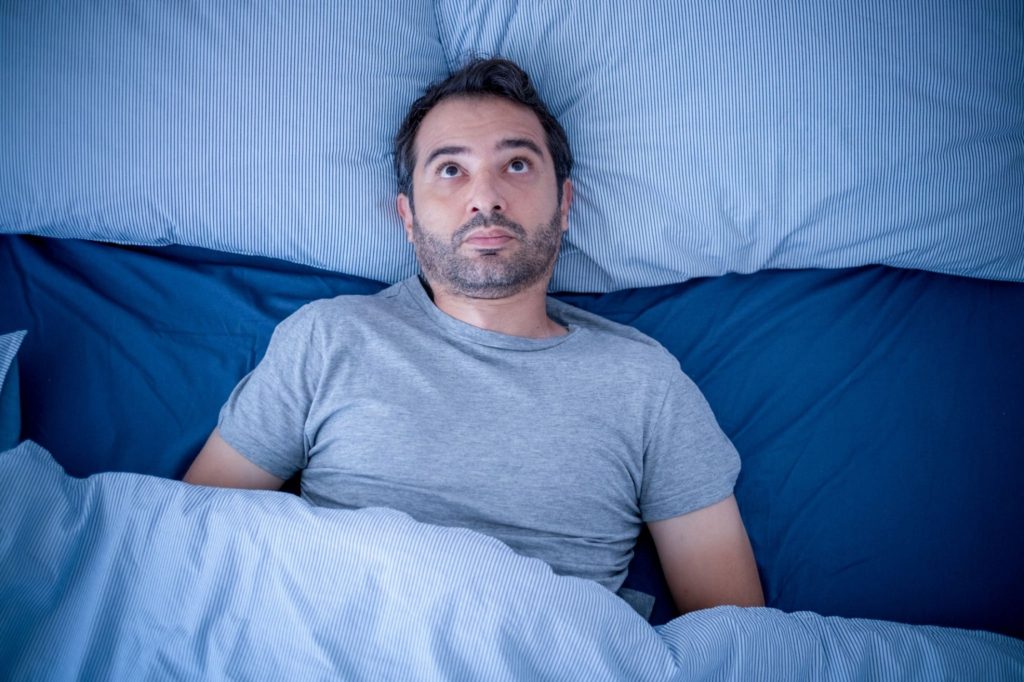
- It's easy to take a pleasant and restful night's sleep for granted when you're getting plenty of it.
- If you have ever dealt with insomnia, you might have a greater appreciation for the importance of sleep to your general health and well-being.
- Small quantities of alcoholic drinks may produce short-term sleep problems, however regular intake of high quantities of alcohol may result in persistent insomnia in certain individuals.
It’s easy to take a pleasant and restful night’s sleep for granted when you’re getting plenty of it. If you have ever dealt with insomnia, you might have a greater appreciation for the importance of sleep to your general health and well-being.
Insomnia is a disorder of sleep that can affect individuals of any age. Small quantities of alcoholic drinks may produce short-term sleep problems, however regular intake of high quantities of alcohol may result in persistent insomnia in certain individuals.
People with this condition may experience difficulty falling asleep or frequent awakenings throughout the night. Alcohol may disturb normal sleeping patterns.
The stomach and small intestine absorb alcohol into circulation once an individual consumes the substance. Alcohol is eventually metabolized by enzymes in the liver, but because this is a somewhat lengthy process, excess alcohol continues to flow throughout the body. The impact of alcohol varies greatly on the drinker. Important considerations include the amount and rate of alcohol use, as well as the individual’s age, gender, body type, and physical build.
Since the 1930s, the association between alcohol and sleep has been investigated, yet many elements of this correlation remain unexplained. According to research, individuals who consume substantial amounts of alcohol before bedtime are frequently susceptible to delayed onset of sleep, meaning they require more time to fall asleep. As liver enzymes break down alcohol during the night and blood alcohol level declines, these individuals are also more prone to experience sleep interruptions and a decline in sleep quality.
To comprehend how alcohol affects sleep, it is necessary to look at the various phases of the normal sleep cycle. Three non-rapid eye movement (NREM) stages and one rapid eye movement (REM) stage comprise a normal sleep cycle.
Stage 1 (NREM): During this stage, the body begins to shut down, marking the shift between wakefulness and sleep. The sleeper’s heart rate, respiration, and eye movements begin to calm down, and their muscles relax. Likewise, brain activity begins to decline. This stage is often referred to as light sleep.
Stage 2 (NREM): The heartbeat and respiration rates continue to slow as the sleeper enters deeper sleep. In addition, their body temperature will drop and their eyes will become motionless. Stage 2 is often the longest of the four stages of the sleep cycle.
Stage 3 (NREM): Heart rate, respiration rates, and brain activity all reach their lowest levels during stage 3 of the sleep cycle. Muscles are completely relaxed, and eye movements halt. This phase is referred to as slow-wave sleep.
REM: REM sleep begins approximately 90 minutes after a person falls asleep. The sleeper’s eye movements will resume, and their respiration and heart rate will accelerate. The majority of dreaming occurs during REM sleep. This stage is also believed to contribute to memory consolidation.
Throughout the night, these four NREM and REM stages recur in a cyclical pattern. Each cycle should last between 90 and 120 minutes, for a total of four to five cycles per eight hours of sleep. During the first one to two cycles, NREM slow-wave sleep predominates, while REM sleep normally lasts no more than 10 minutes. In later cycles, REM sleep will predominate, often lasting 40 minutes or more without interruption, while NREM sleep will cease to exist.
Alcohol consumption prior to bedtime can contribute to the reduction of REM sleep during the initial two cycles. Because alcohol is a sedative, sleep onset is often faster for drinkers, and a few fall into deeper sleep quickly. This can lead to a discrepancy between slow-wave sleep and REM sleep as the night passes, culminating in less REM sleep and more slow-wave sleep. This affects the overall quality of sleep, which can lead to a shorter time spent asleep and an increase in sleep interruptions.
There is a complex interplay between alcoholism and insomnia. Insomnia is a condition that hinders a person from sleeping soundly throughout the night. This could indicate that they are not attaining a deep level of sleep, are waking up multiple times during the night, or are unable to fall asleep. Any of these options indicates that the individual does not feel refreshed upon awakening. On a daily basis, this does not appear to be a serious concern. On the other hand, it can be deleterious to an individual’s mood, mental and physical health, work performance, overall energy level, and quality of life over the long term.
Certain chemicals, including alcohol, might disturb sleep patterns. Because alcohol depresses the central nervous system, this is the case.
A small amount of alcohol before bed may initially appear beneficial for insomnia. However, tolerance to alcohol’s sedative effects can develop swiftly.
Alcohol may have significantly more detrimental effects on sleep when ingested in larger quantities or over an extended period. It has been proven that higher alcohol doses disturb sleep, especially during the latter half of the night.
Thus, alcohol can both promote and inhibit sleep. Research indicates that the deleterious effects of alcohol on sleep are dose-dependent and variable. In fact, an increasing number of studies suggest a link between alcoholism and sleep-related disorders such as insomnia.
Most cases of insomnia are treatable and, if detected early enough, can be completely avoided before irreversible harm sets in. Unfortunately, many people seek to self-medicate their insomnia using the calming effects of alcohol. Nevertheless, alcohol can substantially aggravate the situation.
Many people with a prior diagnosis of insomnia may have significant difficulty falling asleep at night. As a result, individuals may take alcohol to help them fall asleep faster, despite the fact that evidence suggests this does not improve the quality of sleep.
Similarly, long-term alcohol usage for sleep can lead to an alcohol use disorder (AUD). Initially, a modest amount of alcohol may help folks fall asleep more quickly, but with time, they will need to drink more alcohol to achieve the same outcome.
ADHD and AUD are associated with a higher prevalence of insomnia, while alcohol consumption to treat insomnia typically increases sleeplessness. It can potentially heighten the likelihood of acquiring AUD.
Those who consume alcohol before bed are also more likely to have difficulty breathing at night. Additionally, they will experience shorter sleep durations, culminating in less restful sleep overall.
People with AUD have significantly lower sleep quality than people who consume alcohol in moderation. Their insufficient REM sleep can be detrimental to their health.
Occasionally taking an alcoholic beverage in the evening may mildly impair sleep, but consuming alcohol numerous nights in a row or every night increases the risk of insomnia.
The prevalence of insomnia among alcoholics is estimated to range between 36 and 91 percent, which is substantially above average.
Alcohol affects the portion of sleep termed rapid eye movement (REM), according to a study scheduled for publication in 2020. REM sleep is one of the four sleep stages. This phase can last anywhere between ten minutes and an hour. It’s a crucial period for long-term memory preservation, and dreaming may occur during this time. Persistent heavy drinking can also disturb the brain’s chemical messengers, which can impact sleep.
A short study precisely demonstrates how rapidly alcohol becomes ineffective for sleep when used regularly. Before bedtime, alcohol or placebo was administered to subjects with insomnia and no history of alcohol consumption. Initially, alcohol did increase overall sleep time and deep sleep duration. However, these symptoms disappeared within one week.
As the trial progressed, those who had been drinking alcohol before bed tended to increase their alcohol intake to about the equivalent of three beers every night. The study clearly indicates how rapidly alcohol tolerance develops, putting individuals at risk for alcohol use disorders.
Additionally, research has linked binge drinking to sleep disturbances. Certain cells in the frontal cortex or forebrain contribute to a state of alertness. It appears that alcohol inhibits the neurotransmitters that stimulate these brain cells. This can disrupt the entire sleep-wake cycle, impairing sleep and possibly making a person susceptible to insomnia.
Those with attention deficit hyperactivity disorder (ADHD) are also disproportionately susceptible to sleeplessness. A study conducted in 2020 revealed that patients with ADHD are more prone to take alcohol to alleviate their sleeplessness symptoms.
Alcohol may also increase sleep-disordered breathing, like snoring and even obstructive sleep apnea, according to studies. The combination of excessive drinking with sleep apnea can raise the risk of stroke, heart attack, and sudden death.
Short-term alcohol consumption has been demonstrated to reduce the time required to fall asleep. Additionally, it can help the first part of the night’s sleep.
In the latter half of the night, though, alcohol reduces the amount of REM sleep. After multiple nights of drinking, the harmful effects of alcohol on sleep worsen.
Consuming alcohol before bedtime impairs the cardiovascular system as well. A 2018 study discovered that consuming alcohol before bedtime increased heart rate during sleep. It also has a negative effect on the body’s recuperation during sleep.
Insomnia due to alcohol withdrawal is highly common among those in recovery from an alcohol use disorder. Approximately half of those experiencing withdrawal will suffer this symptom, while some are at a higher risk than others.
As the intensity of alcoholism increases, so does the likelihood of developing sleeplessness. In addition, alcohol drinkers who smoke, who have co-occurring anxiety or depression, or who used alcohol explicitly as a sleep aid are substantially more likely to suffer this distressing symptom.
Understanding why sleeplessness and alcohol withdrawal are associated requires a fundamental knowledge of how alcohol affects your body and brain. The central nervous system, which comprises the brain and spinal cord, is depressed by alcohol, resulting in intoxication. This may have the following effects:
- Sluggish breathing
- Reduced stress and anxiety
- Decreased heart rate
- Drowsiness
- Pain alleviation
These characteristics sometimes drive individuals to use alcohol as a relaxant or sleep aid, as the short-term actions can induce relaxation and assist you in falling asleep sooner.
However, when alcohol consumption increases, the body starts to adapt in the other direction. The excitability of your central nervous system counteracts the effects of alcohol. This change in the central nervous system is mainly responsible for the development of tolerance and is the primary cause of alcohol withdrawal symptoms.
According to research, people with an alcohol use problem exhibit a variety of underlying sleep disorders during drinking and withdrawal, including:
- Having trouble falling asleep.
- Total sleep duration is reduced.
- Deficits in the overall quality of sleep
With sobriety, many sleep disorders caused by alcohol consumption may improve, although some may last longer than others. Seeking assistance is the first step to healing and maybe curing sleep irregularities connected with alcohol use disorders if you are battling both alcoholism and insomnia.
- Alcohol & Insomnia: How Alcohol Affects Sleep. American Addiction Centers. Available at: https://americanaddictioncenters.org/alcoholism-treatment/insomnia.
- Alcohol and insomnia. Alcohol Rehab Guide. Available at: https://www.alcoholrehabguide.org/resources/dual-diagnosis/alcohol-and-insomnia.
- Alcohol and insomnia: Possible risks and more. Medical News Today. MediLexicon International. Available at: https://www.medicalnewstoday.com/articles/alcohol-insomnia.
- Alcohol and sleep. Sleep Foundation. Available at: https://www.sleepfoundation.org/nutrition/alcohol-and-sleep.
- Can alcohol cause insomnia? Psych Central. Available at: https://psychcentral.com/addictions/alcohol-use-can-impair-sleep-cause-insomnia#alcohol-and-sleep-fa-qs.
FAQs
The majority of women have less water in their systems than men since women tend to have higher alcohol levels than men after drinking the same amount of alcohol due to the alcohol’s circulation through water in the body.
The Article
About This Article
✔ Medically Reviewed
✔ Evidence-Based Sources
✔ Updated Regularly
✔ Clinically Verified
This article was written by THE BALANCE’s clinical content team and reviewed by a licensed medical or mental health professional (such as an MD, psychiatrist, clinical psychologist, or equivalent). Our reviewers ensure that the information reflects current research, accepted medical guidelines, and best practices in mental health and addiction treatment. THE BALANCE’s medical editors draw on extensive real-world clinical experience supporting individuals in residential, outpatient, and luxury private treatment settings across Europe and internationally.
Editorial Standards & Integrity
THE BALANCE follows strict editorial and clinical review standards to ensure accuracy, balance, and reliability:
- All medical statements rely on authoritative sources such as the WHO, NIMH, APA, NHS, CDC, and SAMHSA
- Statistics use the most recent and reliable research available
- No medical or therapeutic claims are made without clear, verifiable evidence
- Content is reviewed and updated regularly to reflect evolving science, treatment guidelines, and clinical best practices
- Commercial interests do not influence clinical accuracy; all clinical insights are reviewed independently
- Recommendations include context, limitations, and alternatives where appropriate
How We Review Sources
- Our clinical writers and editors rely on:
- Peer-reviewed research and meta-analyses
- National and international treatment guidelines
- Professional bodies and regulatory authorities
- Verified public data from reputable institutions
We do not use anecdotal reports, unverified claims, or commercially biased sources. Every factual claim is supported by established evidence.
Conflicts of Interest
THE BALANCE provides private mental health and addiction treatment services. However, our clinical reviewers ensure that all content remains objective, non-promotional, and balanced. When discussing treatment options, we outline limitations, risks, and alternatives. Our priority is reader safety and informed decision-making.
How to Use This Information Safely
Mental health and addiction conditions are complex and vary significantly between individuals. The information in this article is provided for general educational purposes only and should not replace professional medical advice, diagnosis, or treatment. If you or someone you know is experiencing symptoms, seek guidance from a qualified healthcare professional. To maintain accuracy and trust, THE BALANCE updates articles regularly as new research and clinical guidance become available.
Do you need help?
If you’re struggling, you don’t have to handle it alone. Support is available - whether you’re feeling overwhelmed, anxious, depressed, or dealing with alcohol or drug-related concerns. If you feel unsafe, are at risk of harming yourself, or someone else is in immediate danger, contact your local emergency number immediately.
Talk to Someone Now (Free & Confidential)
Choose your country to find a trusted helpline near you:
Spain
- Suicide & emotional crisis helpline: 024 (24/7, free, multilingual)
- Samaritans in Spain: 900 525 100 (24/7)
Switzerland
- Die Dargebotene Hand / La Main Tendue: 143 (24/7)
- Pro Juventute (youth): 147
United Kingdom
- Samaritans: 116 123 (24/7, free)
- NHS urgent mental health support: call 111 (24/7)
United States
- 988 Suicide & Crisis Lifeline — call, text, or chat 988 (24/7)
Canada
- 9-8-8 Suicide Crisis Helpline — call or text 988 (24/7, nationwide)
- Talk Suicide Canada (alternate): 1-833-456-4566
France
- National suicide prevention number: 3114 (24/7, free)
Germany
- TelefonSeelsorge: 116 123
- Alternate numbers: 0800 111 0 111 / 0800 111 0 222
Italy
- Telefono Amico Italia: 800 860 022 or 02 2327 2327
Not an Emergency, but You Want Support?
If you’re not in immediate danger but are worried about yourself or someone you care about, reaching out early can make a meaningful difference.
Explore Care Options Near You
This website lists verified mental health professionals, addiction specialists, and treatment programs searchable by country and location. Use the “Find treatment” / “Providers” section to explore available options.
Or Reach Out to Us
If you’d like help understanding next steps, you can contact our team confidentially. We’ll listen without judgment and help you explore appropriate options.
Contact our team
- Phone: +41445005111
- Email: help@thebalance.clinic
- Availability: Mon–Sun, 07:00–22:00 CET
Not sure what to say? You can simply write: “I need help.” We’ll take it from there.