

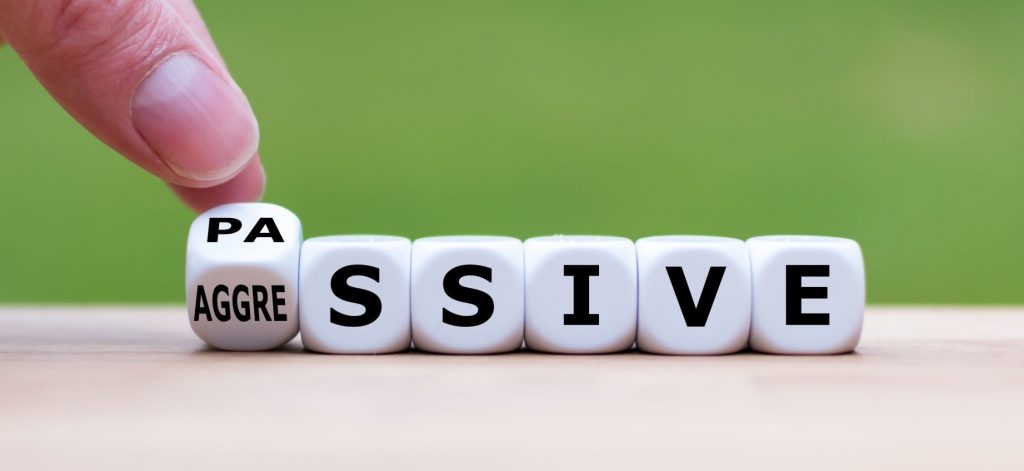
- Passive-aggressive behavior can be difficult to recognize and understand, but it can have a significant impact on personal and professional relationships.
- From procrastination to deliberate inefficiency, passive-aggressive behavior can take many different forms and can be a source of frustration, miscommunication, and conflict.
- Passive-aggressive behavior is different from a passive-aggressive personality disorder, which is a more persistent and pervasive pattern of behavior that can significantly impact an individual's quality of life and relationships.
Passive-aggressive behavior can be difficult to recognize and understand, but it can have a significant impact on personal and professional relationships. From procrastination to deliberate inefficiency, passive-aggressive behavior can take many different forms and can be a source of frustration, miscommunication, and conflict.
Passive-aggressive behavior is different from a passive-aggressive personality disorder, which is a more persistent and pervasive pattern of behavior that can significantly impact an individual’s quality of life and relationships. Understanding the signs and symptoms of passive-aggressive behavior and passive-aggressive personality disorder is an important step in improving communication and relationships.
We will explore the nature of passive-aggressive behavior, its potential causes, and the impact it can have on personal and professional relationships.
Passive-aggressive refers to behavior that is indirect, unassertive, and subtly hostile or negative. It is a way of expressing negative emotions or feelings indirectly, often as a way of avoiding confrontation or criticism.
Passive-aggressive behavior can take many different forms, which include procrastination, deliberate inefficiency, sarcasm, backhanded compliments, and other subtle means of expressing frustration or anger. This behavior can be a way to get back at someone without directly confronting them or expressing oneself assertively.
Individuals who engage in passive-aggressive behavior may do so for a variety of reasons, such as fear of confrontation, difficulty expressing their emotions, or a desire to maintain a sense of control. However, this type of behavior can be harmful to relationships, as it can lead to miscommunication and misunderstandings.
It’s important to note that while passive-aggressive behavior can be frustrating or hurtful, it is not the same as a passive-aggressive personality disorder, which is a more persistent and pervasive pattern of behavior that can significantly impact an individual’s quality of life and relationships. If you or someone you know is struggling with passive-aggressive behavior or other issues related to communication and interpersonal relationships, it may be helpful to seek the guidance of a mental health professional.
Passive-aggressive behavior is a form of indirect aggression that involves the use of subtle or indirect tactics to express anger, hostility, or resentment. While everyone can be passive-aggressive from time to time, some individuals exhibit this behavior consistently. Here are ten passive-aggressive examples and characteristics most commonly seen in a passive-aggressive person.
Avoids Direct Communication
Passive-aggressive individuals tend to avoid direct communication when they are upset or angry. They may use non-verbal cues, like eye-rolling, sighing, or facial expressions, to communicate their displeasure. They may also use indirect language or make ambiguous statements that are difficult to interpret.
Uses Sarcasm
Sarcasm is a common tactic used by passive-aggressive individuals. They may use it as a way to express their frustration or anger without directly confronting the person or issue that is bothering them. Sarcasm can be hurtful and confusing, and it can create tension in relationships.
Blames Others
Passive-aggressive individuals often blame others for their problems. They may use phrases like, “I wouldn’t have done this if you hadn’t…” or “If you had just listened to me, we wouldn’t be in this situation.” This type of behavior is a way to avoid taking responsibility for their actions and to deflect blame onto others.
Gives Backhanded Compliments
Passive-aggressive individuals may give compliments that are backhanded or double-edged. For example, they may say, “That dress looks nice on you, but I’m not sure it’s the best color for your skin tone.” These types of comments are a way to criticize without appearing to be overtly critical.
Procrastinates
Procrastination is another common characteristic of passive-aggressive individuals. They may delay completing tasks, miss deadlines, or arrive late to meetings. This behavior is a way to exert control or to show displeasure without having to confront the situation directly.
Plays the Victim
Passive-aggressive individuals may portray themselves as the victim in situations where they are not. They may use this tactic to gain sympathy or to deflect blame onto others. Playing the victim can also be a way to avoid taking responsibility for their actions.
Uses Silent Treatment
Silent treatment is a common tactic used by passive-aggressive individuals. They may stop communicating with someone as a way to express their anger or frustration. This behavior can be hurtful and confusing, and it can create tension in relationships.
Engages in Passive Resistance
Passive resistance is a form of indirect resistance that involves doing the opposite of what is requested. For example, if someone asks a passive-aggressive individual to do something, they may intentionally do it poorly or not at all. This behavior is a way to resist authority or to express displeasure.
Sabotages Others
Passive-aggressive individuals may try to sabotage others in subtle ways. For example, they may provide incorrect information or leave out important details that could affect the outcome of a project. This behavior is a way to undermine others and gain a sense of control.
Exhibits Indecisiveness
Indecisiveness is another common characteristic of passive-aggressive individuals. They may struggle to make decisions or to take action, even in situations where it is necessary. This behavior is a way to avoid responsibility or to delay confrontation.
In conclusion, passive-aggressive behavior is a complex issue that can be detrimental to personal and professional relationships. By recognizing these ten characteristics of a passive-aggressive person, individuals can better understand and address this behavior when it arises. Communication, honesty, and a willingness to address issues directly can help prevent passive-aggressive behavior from damaging relationships and undermining personal growth.
Passive-aggressive behavior can have a variety of causes, and it is often a coping mechanism that individuals use to deal with underlying emotional or psychological issues. Here are ten common causes of passive-aggressive behavior:
Fear of Confrontation
One of the primary causes of passive-aggressive behavior is a fear of confrontation. Many people avoid confrontation because they are afraid of the consequences, such as being rejected or criticized. Passive-aggressive behavior can be a way to express anger or frustration indirectly, without having to face the potential consequences of confronting the person or issue directly.
Low Self-Esteem
Individuals with low self-esteem may struggle to express their needs and desires and may be more likely to engage in passive-aggressive behavior. They may feel as though they do not have the right to assert themselves and may use indirect tactics as a way to avoid appearing needy or demanding.
Childhood Trauma
Childhood trauma, such as abuse or neglect, can cause individuals to develop passive-aggressive behavior as a way to protect themselves. They may have learned that expressing their emotions directly can be dangerous or result in punishment, and may have learned to express themselves indirectly as a way to cope with the trauma.
Power Struggles
Passive-aggressive behavior can also be caused by power struggles in relationships. For example, in a workplace setting, an employee may feel as though they are not being treated fairly, and may use passive-aggressive behavior as a way to gain control or assert themselves.
Anxiety and Depression
Anxiety and depression can also contribute to passive-aggressive behavior. Individuals who are anxious or depressed may struggle to express their emotions and may feel as though they do not have the energy or motivation to confront issues directly. Passive-aggressive behavior can be a way to cope with these emotions without having to face them head-on.
Perceived Injustice
Perceived injustice is another common cause of passive-aggressive behavior. Individuals who feel as though they have been treated unfairly may use passive-aggressive behavior as a way to express their anger or frustration, without having to confront the person or issue directly.
Communication Problems
Communication problems can also contribute to passive-aggressive behavior. For example, if an individual feels as though they are not being listened to or understood, they may use passive-aggressive behavior as a way to communicate their needs indirectly.
Trauma and PTSD
Individuals who have experienced trauma, such as combat veterans, may develop passive-aggressive behavior as a way to cope with the symptoms of PTSD. They may struggle with emotions like anger and frustration and may use passive-aggressive behavior as a way to cope with these feelings.
Learned Behavior
Passive-aggressive behavior can also be learned behavior. Individuals who grew up in environments where indirect communication was the norm may have learned to express themselves in this way, even if it is not healthy or effective.
Narcissistic or Controlling Relationships
In some cases, passive-aggressive behavior can be a response to narcissistic or controlling relationships. Individuals in these types of relationships may feel as though they have no power or control and may use passive-aggressive behavior as a way to regain some control or assert themselves in the relationship.
Passive-aggressive behavior can have many different causes, ranging from childhood trauma to communication problems. Understanding the underlying causes of this behavior can help individuals identify and address these issues, and develop healthier ways of expressing themselves and coping with their emotions. Therapy can be a helpful tool in identifying and addressing the root causes of passive-aggressive behavior, and developing healthier ways of expressing oneself and navigating relationships.
Passive-aggressive behavior can have a variety of causes, and it is often a coping mechanism that individuals use to deal with underlying emotional or psychological issues. Here are ten common causes of passive-aggressive behavior:
Fear of Confrontation
One of the primary causes of passive-aggressive behavior is a fear of confrontation. Many people avoid confrontation because they are afraid of the consequences, such as being rejected or criticized. Passive-aggressive behavior can be a way to express anger or frustration indirectly, without having to face the potential consequences of confronting the person or issue directly.
Low Self-Esteem
Individuals with low self-esteem may struggle to express their needs and desires and may be more likely to engage in passive-aggressive behavior. They may feel as though they do not have the right to assert themselves and may use indirect tactics as a way to avoid appearing needy or demanding.
Childhood Trauma
Childhood trauma, such as abuse or neglect, can cause individuals to develop passive-aggressive behavior as a way to protect themselves. They may have learned that expressing their emotions directly can be dangerous or result in punishment, and may have learned to express themselves indirectly as a way to cope with the trauma.
Power Struggles
Passive-aggressive behavior can also be caused by power struggles in relationships. For example, in a workplace setting, an employee may feel as though they are not being treated fairly, and may use passive-aggressive behavior as a way to gain control or assert themselves.
Anxiety and Depression
Anxiety and depression can also contribute to passive-aggressive behavior. Individuals who are anxious or depressed may struggle to express their emotions and may feel as though they do not have the energy or motivation to confront issues directly. Passive-aggressive behavior can be a way to cope with these emotions without having to face them head-on.
Perceived Injustice
Perceived injustice is another common cause of passive-aggressive behavior. Individuals who feel as though they have been treated unfairly may use passive-aggressive behavior as a way to express their anger or frustration, without having to confront the person or issue directly.
Communication Problems
Communication problems can also contribute to passive-aggressive behavior. For example, if an individual feels as though they are not being listened to or understood, they may use passive-aggressive behavior as a way to communicate their needs indirectly.
Trauma and PTSD
Individuals who have experienced trauma, such as combat veterans, may develop passive-aggressive behavior as a way to cope with the symptoms of PTSD. They may struggle with emotions like anger and frustration and may use passive-aggressive behavior as a way to cope with these feelings.
Learned Behavior
Passive-aggressive behavior can also be learned behavior. Individuals who grew up in environments where indirect communication was the norm may have learned to express themselves in this way, even if it is not healthy or effective.
Narcissistic or Controlling Relationships
In some cases, passive-aggressive behavior can be a response to narcissistic or controlling relationships. Individuals in these types of relationships may feel as though they have no power or control and may use passive-aggressive behavior as a way to regain some control or assert themselves in the relationship.
Passive-aggressive behavior can have many different causes, ranging from childhood trauma to communication problems. Understanding the underlying causes of this behavior can help individuals identify and address these issues, and develop healthier ways of expressing themselves and coping with their emotions. Therapy can be a helpful tool in identifying and addressing the root causes of passive-aggressive behavior, and developing healthier ways of expressing oneself and navigating relationships.
A passive-aggressive personality disorder is a condition in which an individual consistently displays a pattern of passive resistance and indirect expressions of anger and hostility. This behavior is often characterized by behaviors such as procrastination, deliberate inefficiency, and stubbornness, as well as other indirect means of expressing anger or frustration.
Individuals with a passive-aggressive personality disorder may struggle to express their needs or healthily assert themselves and may use indirect means of communication as a way to avoid confrontation or perceived criticism. They may also have difficulty with personal relationships, both at work and in their personal lives, due to their tendency to resist or subvert authority.
Symptoms of passive-aggressive personality disorder can include difficulty expressing negative emotions, a tendency to blame others for problems or failures, a reluctance to take responsibility for their actions, and persistent resistance to authority or direction. They may also exhibit a sense of stubbornness, tend to hold grudges, and may struggle with forming and maintaining close relationships.
Treatment for passive-aggressive personality disorder typically involves therapy, which can help individuals develop healthy communication skills and assertiveness, as well as identify and address underlying emotional or psychological issues. Cognitive-behavioral therapy (CBT) is a common approach, which can help individuals develop more effective coping mechanisms and communication skills.
It is important to note that passive-aggressive behavior is not the same as a passive-aggressive personality disorder, and not all individuals who exhibit passive-aggressive behavior have this disorder. Passive-aggressive behavior can be a normal response to specific situations, while passive-aggressive personality disorder is a more persistent and pervasive pattern of behavior that can have a significant impact on an individual’s quality of life and relationships. If you or someone you know is struggling with passive-aggressive behavior, seek the guidance of a mental health professional to explore treatment options.
Passive-aggressive behavior can be harmful to relationships and can lead to misunderstandings, miscommunication, and even conflict. While it may seem like an effective way to avoid confrontation or express negative emotions without directly confronting someone, it can be quite damaging in the long run.
Passive-aggressive behavior can make it difficult for others to trust and communicate effectively with an individual, and it can lead to a breakdown in personal and professional relationships. It can also prevent individuals from addressing their own emotions and issues healthily and productively, leading to further emotional and psychological distress.
It’s important to note that while passive-aggressive behavior can be frustrating or hurtful, it is not the same as a passive-aggressive personality disorder, which is a more persistent and pervasive pattern of behavior that can significantly impact an individual’s quality of life and relationships. If you or someone you know is struggling with passive-aggressive behavior or other issues related to communication and interpersonal relationships, it may be helpful to seek the guidance of a mental health professional.
- Interpersonal problems associated with a passive-aggressive personality disorder. The Journal of nervous and mental disease, LWW. Available at: https://journals.lww.com/jonmd/Abstract/2019/10000/Interpersonal_Problems_Associated_With.2.aspx.
- How to understand and identify passive-aggressive behavior. Verywell Mind. Available at: https://www.verywellmind.com/what-is-passive-aggressive-behavior-2795481.
- A qualitative study on passive aggressive behavior at Workplace, Annals of Faculty of Economics. The University of Oradea, Faculty of Economics. Available at: https://ideas.repec.org/a/ora/journl/v1y2019i2p241-247.html.
- Passive-aggression. Psychology Today. Sussex Publishers. Available at: https://www.psychologytoday.com/us/basics/passive-aggression.
- What makes people passive-aggressive? 6 possible causes. Psychology Today. Sussex Publishers. Available at: https://www.psychologytoday.com/us/blog/communication-success/201608/what-makes-people-passive-aggressive-6-possible-causes.
The Article
About This Article
✔ Medically Reviewed
✔ Evidence-Based Sources
✔ Updated Regularly
✔ Clinically Verified
This article was written by THE BALANCE’s clinical content team and reviewed by a licensed medical or mental health professional (such as an MD, psychiatrist, clinical psychologist, or equivalent). Our reviewers ensure that the information reflects current research, accepted medical guidelines, and best practices in mental health and addiction treatment. THE BALANCE’s medical editors draw on extensive real-world clinical experience supporting individuals in residential, outpatient, and luxury private treatment settings across Europe and internationally.
Editorial Standards & Integrity
THE BALANCE follows strict editorial and clinical review standards to ensure accuracy, balance, and reliability:
- All medical statements rely on authoritative sources such as the WHO, NIMH, APA, NHS, CDC, and SAMHSA
- Statistics use the most recent and reliable research available
- No medical or therapeutic claims are made without clear, verifiable evidence
- Content is reviewed and updated regularly to reflect evolving science, treatment guidelines, and clinical best practices
- Commercial interests do not influence clinical accuracy; all clinical insights are reviewed independently
- Recommendations include context, limitations, and alternatives where appropriate
How We Review Sources
- Our clinical writers and editors rely on:
- Peer-reviewed research and meta-analyses
- National and international treatment guidelines
- Professional bodies and regulatory authorities
- Verified public data from reputable institutions
We do not use anecdotal reports, unverified claims, or commercially biased sources. Every factual claim is supported by established evidence.
Conflicts of Interest
THE BALANCE provides private mental health and addiction treatment services. However, our clinical reviewers ensure that all content remains objective, non-promotional, and balanced. When discussing treatment options, we outline limitations, risks, and alternatives. Our priority is reader safety and informed decision-making.
How to Use This Information Safely
Mental health and addiction conditions are complex and vary significantly between individuals. The information in this article is provided for general educational purposes only and should not replace professional medical advice, diagnosis, or treatment. If you or someone you know is experiencing symptoms, seek guidance from a qualified healthcare professional. To maintain accuracy and trust, THE BALANCE updates articles regularly as new research and clinical guidance become available.
Do you need help?
If you’re struggling, you don’t have to handle it alone. Support is available - whether you’re feeling overwhelmed, anxious, depressed, or dealing with alcohol or drug-related concerns. If you feel unsafe, are at risk of harming yourself, or someone else is in immediate danger, contact your local emergency number immediately.
Talk to Someone Now (Free & Confidential)
Choose your country to find a trusted helpline near you:
Spain
- Suicide & emotional crisis helpline: 024 (24/7, free, multilingual)
- Samaritans in Spain: 900 525 100 (24/7)
Switzerland
- Die Dargebotene Hand / La Main Tendue: 143 (24/7)
- Pro Juventute (youth): 147
United Kingdom
- Samaritans: 116 123 (24/7, free)
- NHS urgent mental health support: call 111 (24/7)
United States
- 988 Suicide & Crisis Lifeline — call, text, or chat 988 (24/7)
Canada
- 9-8-8 Suicide Crisis Helpline — call or text 988 (24/7, nationwide)
- Talk Suicide Canada (alternate): 1-833-456-4566
France
- National suicide prevention number: 3114 (24/7, free)
Germany
- TelefonSeelsorge: 116 123
- Alternate numbers: 0800 111 0 111 / 0800 111 0 222
Italy
- Telefono Amico Italia: 800 860 022 or 02 2327 2327
Not an Emergency, but You Want Support?
If you’re not in immediate danger but are worried about yourself or someone you care about, reaching out early can make a meaningful difference.
Explore Care Options Near You
This website lists verified mental health professionals, addiction specialists, and treatment programs searchable by country and location. Use the “Find treatment” / “Providers” section to explore available options.
Or Reach Out to Us
If you’d like help understanding next steps, you can contact our team confidentially. We’ll listen without judgment and help you explore appropriate options.
Contact our team
- Phone: +41445005111
- Email: help@thebalance.clinic
- Availability: Mon–Sun, 07:00–22:00 CET
Not sure what to say? You can simply write: “I need help.” We’ll take it from there.