

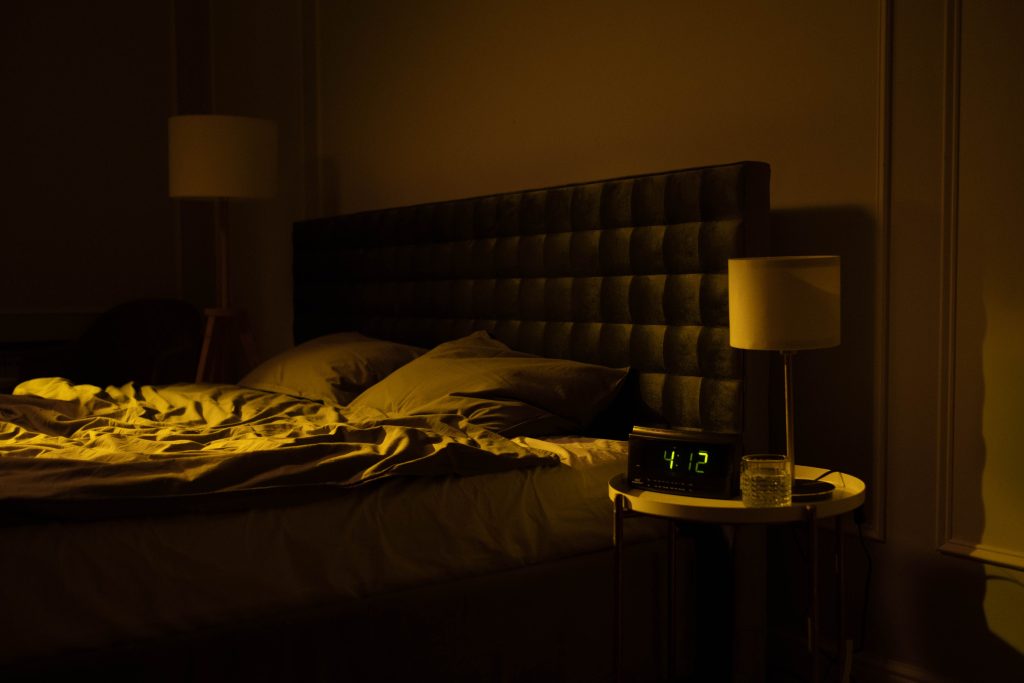
- As the clock keeps ticking, you toss and turn but fail to fall asleep no matter how hard you try.
- You may feel like you are cursed, but know that you are not alone in this struggle.
- Experts estimate that between 30 to 40 percent of adults across the world struggle with some degree of insomnia, a condition which makes it difficult to fall or stay asleep at night.
It’s past midnight, and you lie in bed with your eyes wide awake. As the clock keeps ticking, you toss and turn but fail to fall asleep no matter how hard you try. You may feel like you are cursed, but know that you are not alone in this struggle. Experts estimate that between 30 to 40 percent of adults across the world struggle with some degree of insomnia, a condition which makes it difficult to fall or stay asleep at night. Women, in particular, have a lifelong risk of insomnia which is around 40 per cent more than men.
There can be multiple reasons your brain isn’t letting you rest at night. The reason can be anything from a stressful event, such as getting fired from a job, or a long-term health issue, like depression. Regardless of the causative factor, it is important to remember that the initial brief periods of insomnia you develop occasionally can turn into a long-term issue if you do not seek help.
With the recent advances in modern science, you no longer need to suffer from this debilitating health issue. Multiple therapies, medications, and simple lifestyle changes are now available to retrain your mind and body and get the sleep you need to stay healthy and happy.
This article will help you learn how to treat insomnia using different medical and non-medical ways.
FAQs
Yes, waking up in the middle of the night, followed by an inability to go back to sleep, is a type of insomnia. Remember that insomnia can present in different forms- some may find it difficult to sleep, others may make up in the middle of their sleep routine, and others may wake up too early.
On average, most adults need approximately 7 to 8 hours of sleep per day. Some signs that you may not be hitting this essential criterion include daytime sleepiness, moodiness, low energy levels, and poor concentration.
Yes, certain medical disorders, especially the ones that cause nighttime discomfort or pain, can trigger insomnia. Some examples of such medical issues include fibromyalgia, arthritis, and heartburn. Depression and anxiety can also lead to difficulty falling asleep or maintaining it. Moreover, men with enlarged prostates also suffer from sleep disruptions due to an increased need to urinate throughout the night. Women's hot flashes and other hormonal changes are other important contributors to insomnia. Since different types of health problems can disturb a good night’s sleep, the evaluation of chronic insomnia must also include a detailed analysis to rule out a possibility of an underlying medical disorder.
Many people commonly rely on melatonin supplements to sleep well at night. Melatonin is a hormone the brain naturally produces to regulate the sleep-wake cycle. When taken close to bedtime, this hormonal supplement signals the brain that the body is sleepy. Evidence suggests that melatonin can reduce sleep problems due to insomnia and disturbed circadian rhythm. However, it is still advisable to check with a healthcare professional before using this over-the-counter supplement on your own.