
- It is described as excessive and long-term use of one or more types of psychoactive drugs.
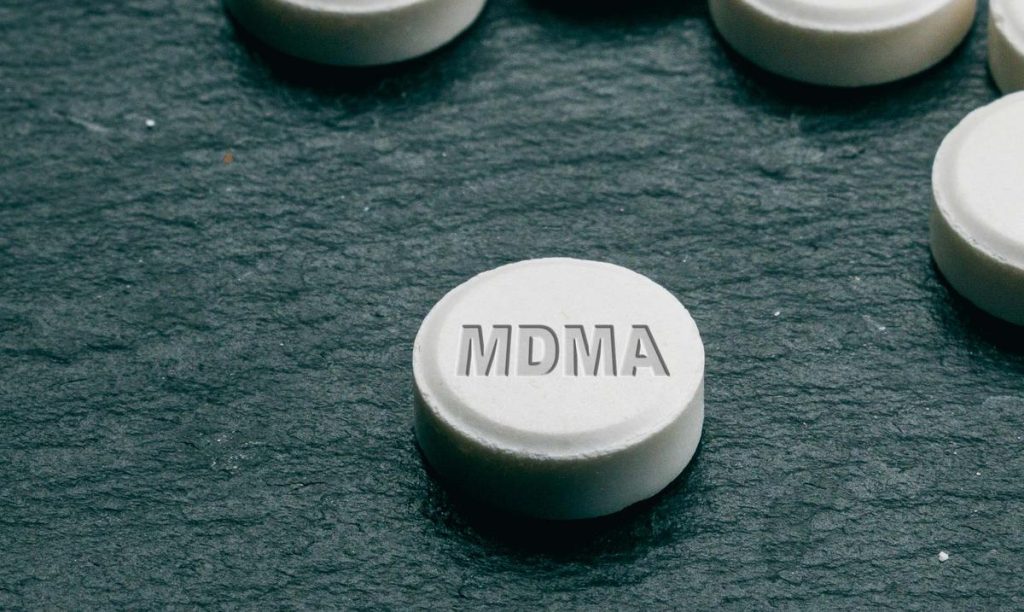
- Also known as ecstasy, MDMA is taken by addicts in combination with other substances.
- Though they may seem subtle at first, the symptoms of drug abuse are visible to people around you.
Substance abuse comes in many forms and affects many people around the world. It is described as excessive and long-term use of one or more types of psychoactive drugs. For example, you may take medicine not prescribed to you with alcoholic drinks. According to sources, MDMA addiction is among the common types of abuse. Also known as ecstasy, MDMA is taken by addicts in combination with other substances. It is equally dangerous whether you use it on its own or with another drug. Over time, it may impact your emotional, physical, and mental health. To avoid such consequences, look for patterns or signs of drug use.
Though they may seem subtle at first, the symptoms of drug abuse are visible to people around you. If you are unsure, examine the behavior of your friends or family around you. Secondly, check how you act around them and look for any changes in the past few months. Are you distant from your loved ones? Do they often express they are concerned about you? Are some of them more cautious around you than before? If you have noticed any of these changes, it is time to come to terms with your addiction. Do not undermine your substance abuse, especially if you are involved in MDMA abuse. To get sober again, consider knowing more about the reasons for your addiction, its severity, and associated issues. A suitable rehabilitation facility can assist you in this and provide treatment. This article will help you learn about MDMA addiction symptoms and their treatment. (source: NIDA, n.d.)
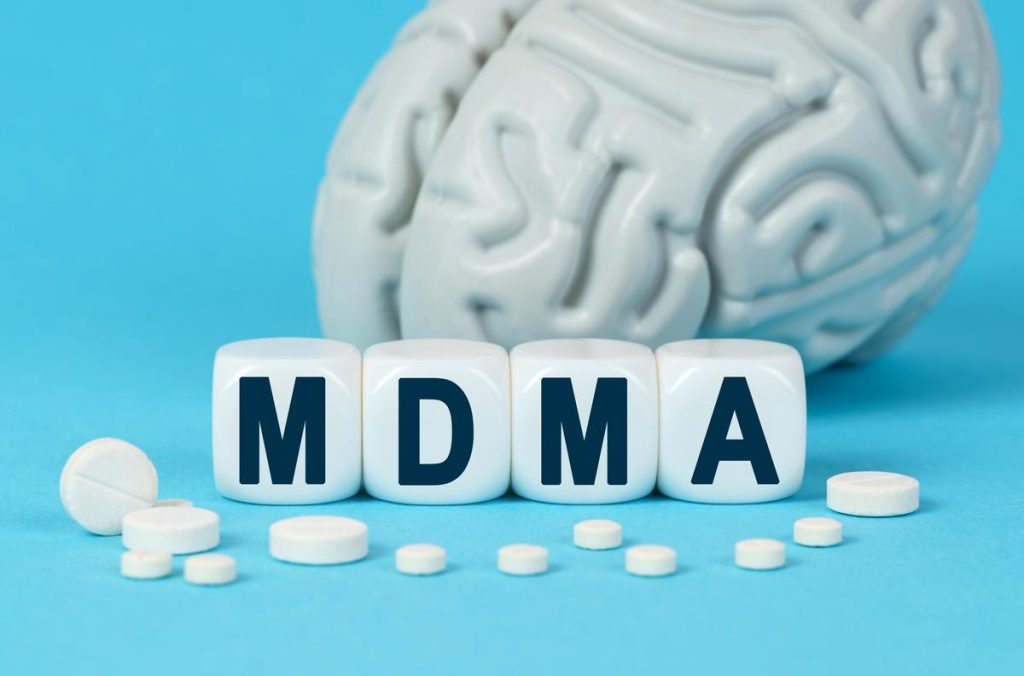
MDMA or 3,4-methylenedioxy-methamphetamine is a synthetic stimulant in the form of tablets. Depending on the dosage, it can alter a user’s perception, sensation, and mood for a particular period. The average ecstasy dosage lasts around three to six hours. The effects begin in thirty to forty-five minutes when taken by the mouth. AlthoughMDMA was created for use in certain therapies, it gained popularity as a street drug in the 1980s. It is mostly used for recreational purposes and has many names, including molly, mandy, and happy pill. Although its use is much more common now, it does not mean that it is safe to use. If you are not careful, you may develop a problem. Is ecstasy addictive enough to cause dependency? There is debate on the addictiveness nature of MDMA, but many have reported signs of dependence.
If you do MDMA only at parties or once weekly, you may feel the urge to do it more often. With the increased frequency, you will likely use a higher drug dose. The initial effects of ecstasy are trivial and are easy to ignore. For example, you may associate nausea and muscle cramping with being tired rather than your drug use. Secondly, most people do not consider these major effects. Even if they form a link between their substance abuse and health issues, they are unlikely to take any action. If you see such symptoms, it is essential to change as it will increase the chances of recovery immediately. (source: SAMHSA, n.d.)
If you are concerned about your ecstasy use, look for symptoms of addiction. It is a common assumption that one cannot identify substance abuse unless it is severe. You do not develop serious health issues right after you use a drug. However, it does not mean you cannot recognize patterns of addiction. Some early signs may hint you have a problem. In the case of MDMA, you may notice the following symptoms: (source: NIMH, n.d.)
- Involuntary teeth clenching
- Blurry vision
- Nausea
- Sweating
- Chills
- Sleep problems
- Loss of appetite
- Anger issues
- Memory problems
- Anxiety and depression
- Muscle pain and cramping
- Decreased libido
- Inability to concentrate or stay focused
Some of the mentioned effects may appear after the first time you use MDMA and continue throughout the week. Over time, they become severe, and you may develop serious health conditions. Ecstasy can interfere with the body’s ability to maintain temperature. As a result, you experience chills and sweating. The drug may lead to a spike in body temperature when consumed in high doses. Sudden changes in the temperature can cause conditions like heart, liver, and kidney failure and may result in death.
According to statistics, MDMA is one of the most used drugs in young people. Many likely use it because of its association with raves and parties. There are reports of ecstasy addiction on the rise too. The good news is that there are treatment options for controlling ecstasy abuse. To get sober, you need to start treatment with the help of a specialist. Currently, the following therapies are used for MDMA addiction treatment: (source: WHO, n.d.)
behavioral Therapy
Different types of behavioral therapy, including CBT or cognitive behavioral therapy, may help an addict recover by looking at the root causes and stressors of drug use. After identifying the primary reasons for abuse, a therapist designs a plan of strategies that can modify the person’s expectations, behaviors, and thinking. This step helps in controlling addiction and preventing relapse as well. (source: APA, n.d.)
Recovery Support Groups
Group therapies or recovery support groups are suggested for people struggling with overcoming addictions. A support group allows one to connect and relate to others with the same issue. Consistent community support can keep you on track and stop you from going back to drugs after getting sober. People who have recovered are also encouraged to stay in touch with their support groups for additional help.
Holistic Approaches
Holistic treatment plans comprise different activities, including yoga, acupuncture, and many others. They can help people heal from the consequences of substance abuse on mental and spiritual health. Secondly, you may be able to understand your addiction and your stressors better with holistic treatment. Usually, holistic treatments are used along with other therapies for people with severe addictions. (source: NCBI Bookshelf, 2024)
Rehabilitation centers
Rehab centers offer structured programs that significantly increase the chances of recovery. For people with severe addictions, joining a facility is ideal as it provides multiple treatment options and medical care for related conditions. You may be able to get back to your normal life and self faster with the help of certified professionals at rehab and continue to stay sober.