

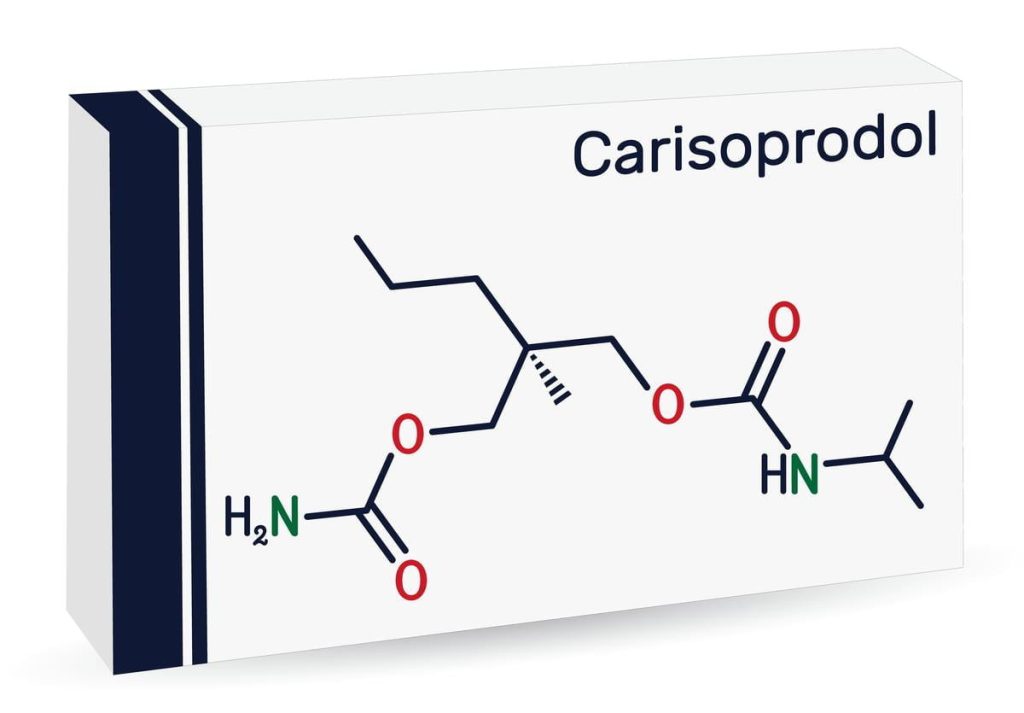
- Carisoprodol is a widely prescribed muscle relaxant that offers relief from musculoskeletal pain and discomfort. With its potential to provide effective pain management, carisoprodol has gained popularity in the medical field.
- Carisoprodol, more commonly known by its brand and street name Soma, is a medication that belongs to a class of drugs known as muscle relaxants.
- What Do Doctors Prescribe Soma For Soma is classified as a prescription medication.
Carisoprodol is a widely prescribed muscle relaxant that offers relief from musculoskeletal pain and discomfort.
With its potential to provide effective pain management, carisoprodol has gained popularity in the medical field. However, it’s essential to navigate its usage with awareness, considering factors such as potential abuse, side effects, and its tendency to induce drowsiness.
As a muscle relaxer, carisoprodol holds promise in alleviating pain, but its benefits must be weighed against its potential risks, including the risk of abuse and the sedative effects that it can induce.
Carisoprodol, more commonly known by its brand and street name Soma, is a medication that belongs to a class of drugs known as muscle relaxants. These drugs are specifically designed to relieve muscle spasms, stiffness, and discomfort that arise due to musculoskeletal injuries or conditions.
Carisoprodol works by affecting the communication between nerves in the central nervous system, which helps to relax muscles and reduce pain.
What Do Doctors Prescribe Soma For
Soma is classified as a prescription medication. This means that it can only be obtained with a valid prescription from a licenced healthcare provider. It’s essential to consult a doctor before taking Soma to ensure that it is appropriate for your specific condition and medical history.
Doctors commonly prescribe Soma to alleviate the symptoms of acute musculoskeletal pain. It’s often utilized for the treatment of:
- Muscle spasms
- Strains and sprains
- Injuries related to physical activity
- Pain resulting from other musculoskeletal conditions
Soma is usually prescribed as part of a comprehensive treatment plan that includes rest, physical therapy, and other measures aimed at promoting healing and pain relief.
What Does Soma Do
The mechanism of action of Soma involves influencing the communication between nerves in the spinal cord and brain. It is thought to interrupt pain signals that are sent from the muscles to the brain, which leads to muscle relaxation and decreased discomfort.
How is Soma Taken
Soma is available in various forms to cater to different patient preferences and medical needs:
Tablets: The most common form, these are taken orally and come in different strengths.
Combination Medications: Some formulations combine carisoprodol with other pain-relieving substances like aspirin or codeine.
Soma is typically taken by mouth, as directed by a healthcare professional. The dosage and frequency of administration will depend on the individual’s condition and response to treatment. It’s important to follow the prescribed instructions closely and not exceed the recommended dose.
While Soma’s intended purpose is to relieve muscle pain, its effects on the central nervous system can lead to relaxation and a sense of euphoria.
This potential for a pleasurable experience has led some individuals to misuse the medication for non-medical reasons, using it to achieve a “high” or altered state of consciousness.
Is Carisoprodol Addictive
Soma has the potential to be addictive due to its interactions with the brain’s reward pathways.
When misused, it can lead to psychological and physical dependence, where the individual feels compelled to keep using the medication despite negative consequences.
The addictive properties are primarily attributed to the drug’s sedative and calming effects.
Who Can Get Addicted?
Addiction to Soma doesn’t discriminate and can affect a wide range of individuals. Some of the demographics more prone to carisoprodol abuse and addiction include:
Young Adults: Younger individuals may be drawn to the recreational effects of Soma, seeking new experiences or attempting to cope with stress.
History of Substance Abuse: Those who have struggled with other substances in the past may be at a higher risk of developing an addiction to Soma.
Mental Health Issues: Misuse of Soma for anxiety, depression, or other mental health challenges is common and can cause addiction.
History of Prescription Drug Abuse: Those with a history of misusing prescription medications are more likely to misuse Soma.
How Common Is Soma Addiction
The exact prevalence of Soma addiction is difficult to determine due to underreporting and varying levels of misuse. However, its potential for abuse has prompted medical professionals and authorities to monitor its usage closely.
How Is Soma Abused
Soma abuse often involves taking higher doses than prescribed or using it without a medical need. Some people misuse Soma to induce relaxation, and euphoria, or to enhance the effects of other substances. This can lead to physical and psychological dependence, as well as an increased risk of adverse effects.
It’s crucial to use Soma as directed by a healthcare professional to avoid the potential for abuse and its associated consequences.
Timeline of Soma Addiction
Soma addiction typically follows a progression, with distinct stages:
Initial Use: Individuals may initially take Soma as prescribed or experiment with it recreationally.
Regular Use: Continued use can lead to the development of tolerance, where higher doses are needed to achieve the desired effects.
Misuse: Some users begin to take larger doses than prescribed, use it more frequently, or mix it with other substances.
Dependence: Psychological and physical dependence can develop, causing cravings and withdrawal symptoms when not using the drug.
Addiction: At this point, the individual’s life can be significantly affected, as they prioritize obtaining and using Soma above other responsibilities and activities.
Soma is a muscle relaxant used to ease pain from musculoskeletal conditions [1]. While it serves as an effective tool for managing discomfort, it’s important to be aware of potential side effects.
These side effects can fall into various categories, and misuse or abuse of the medication can lead to more severe complications.
Let’s explore into the different categories of Soma’s side effects and the complications that can arise from its misuse.
Common Side Effects
Drowsiness: Feeling excessively tired or sleepy.
Dizziness: Experiencing a spinning sensation or feeling lightheaded.
Headache: Aching or discomfort in the head.
Nausea: Feeling queasy or the urge to vomit.
Upset Stomach: Experiencing digestive discomfort.
Serious Side Effects
Allergic Reactions: Rash, itching, swelling, severe dizziness, and trouble breathing [3].
Slow Heartbeat: Heart rate dropping below a healthy level.
Seizures: Uncontrolled muscle contractions and loss of consciousness.
Behavioral Changes
Mood Swings: Shifts in emotional states, such as becoming unusually irritable or overly happy.
Confusion: Difficulty thinking clearly or understanding situations.
Depression: Feeling persistently sad or hopeless.
Agitation: Restlessness or being easily irritated.
Severe Effects Of Soma Abuse Requiring Professional Help
Physical Dependence: Prolonged misuse of Soma can lead to physical dependence, where the body becomes reliant on the drug to function normally. Sudden cessation can result in withdrawal symptoms like nausea, insomnia, and anxiety [4].
Psychological Dependence: Misusing Soma may lead to psychological dependence, where the individual feels a compulsive need to use the drug for emotional reasons. Breaking this cycle often requires professional intervention.
Tolerance and Escalation: Over time, the body can build a tolerance to Soma’s effects, leading individuals to take higher doses to achieve the desired results. This escalation increases the risk of adverse effects and overdose.
Effects On Heart: Soma can have effects on the heart, primarily related to its potential for causing slow heart rate (bradycardia). This can be more pronounced when combined with other medications or substances that also slow down the heart.
Overdose: Taking excessive amounts of Soma can lead to overdose, characterized by symptoms like confusion, shallow breathing, fainting, or even coma. An overdose requires immediate medical attention.
Interaction with Other Substances
Combining Soma with alcohol or other drugs can intensify its effects and increase the risk of dangerous interactions. This cocktail can further impair coordination, judgment, and breathing.
Negative Impact on Daily Life: Continued misuse of Soma can disrupt daily activities, work, relationships, and responsibilities. It may lead to isolation, financial strain, and a decline in physical and mental well-being.
Legal Consequences: Misuse of prescription medications like Soma is against the law and can lead to legal repercussions.
When considering Soma usage, it’s essential to be aware of how it interacts with other drugs. These interactions can affect its effectiveness and safety.
Let’s explore the various drug interactions of Soma and understand the potential risks.
Interactions with Central Nervous System Depressants
Opioids: Combining Soma with opioids can lead to excessive sedation, respiratory depression, and even coma. This dangerous interaction requires close medical supervision [3].
Benzodiazepines: Mixing Soma with benzodiazepines intensifies sedation and can impair coordination and judgment.
Serotonin Syndrome Risk
When Soma is taken with medications that increase serotonin levels (e.g., antidepressants), there’s a risk of serotonin syndrome. Symptoms include agitation, hallucinations, rapid heart rate, fever, and muscle stiffness [4].
Impaired Cognitive and Motor Skills
Alcohol, antihistamines, and sleep aids can intensify Soma’s sedative effects, leading to impaired cognitive and motor skills [2].
Drug Interactions that Affect Metabolism
Some drugs can affect Soma’s metabolism, leading to altered levels in the body. This may require dose adjustments or careful monitoring.
Medications that inhibit certain liver enzymes can increase Soma’s effects, potentially leading to excessive sedation.
Interactions with Medications for Blood Pressure
Soma’s combination with blood pressure medications can lead to hypotension (low blood pressure), causing dizziness and fainting [2].
Interaction with Antidepressants
Combining Soma with certain antidepressants can increase the risk of seizures [4].
This interaction should be carefully managed, and doctors may opt for alternative pain management strategies.
Gastrointestinal Effects with Stomach Medications
Soma can impact the absorption of medications that affect stomach acidity, potentially reducing their effectiveness.
Carisoprodol, commonly known as Soma, is a muscle relaxant often prescribed for pain relief [1]. To prevent dependence, addiction, and abuse, it’s crucial to use this medication responsibly.
Let’s explore effective methods to avoid becoming dependent on Soma and ensure safe usage.
Follow Prescribed Dosage and Duration: Adhere to your doctor’s instructions precisely. Do not take more Soma than prescribed or for a longer duration. Avoid adjusting your dosage without medical guidance.
Use Soma as Part of a Comprehensive Plan: Incorporate Soma into a holistic pain management plan that includes physical therapy, rest, and other non-medication approaches. Relying solely on Soma for pain relief increases the risk of dependence.
Regular Check-Ins with Your Doctor: Maintain regular appointments with your healthcare provider to discuss your progress and any concerns. If you feel the need for more pain relief, consult your doctor before making changes.
Educate Yourself about Soma: Understand Soma’s potential side effects, risks, and interactions with other substances. Being informed empowers you to make responsible decisions.
Mindful Self-Assessment: Periodically assess whether you are using Soma for its intended purpose or to achieve a pleasurable sensation. Honest self-reflection can prevent slipping into misuse patterns.
Avoid Combining with Other Substances: Do not mix Soma with alcohol, other prescription medications, or recreational drugs. Combining substances can lead to dangerous interactions and increase the risk of dependence.
Listen to Your Body: Pay attention to how your body responds to Soma. If you notice unusual reactions or changes, consult your doctor. Promptly address any concerns to prevent escalating dependence.
Seek Alternatives: Explore alternative pain management techniques, such as acupuncture, meditation, or physical therapy. Diversifying your pain relief strategies reduces reliance on Soma.
Involve a Support System: Share your medication usage with a trusted friend or family member. They can provide accountability and help identify any concerning behaviors.
Dispose off Unused Medication: Safely dispose of any leftover Soma after your treatment is complete. This prevents the temptation to use it recreationally later.
Professional Help if Needed: If you find it challenging to control your use of Soma, seek help from a medical professional or addiction specialist. Early intervention can prevent dependence from worsening.
Soma addiction is a serious concern that requires comprehensive treatment to achieve recovery and regain control over one’s life. Various treatment options, including therapies and medications, are available to address soma dependence, addiction, and abuse.
Let’s explore the effective methods used to treat carisoprodol abuse and addiction.
Therapeutic Approaches
1. Behavioral Therapies
Cognitive Behavioral Therapy (CBT): Helps individuals identify and modify negative thought patterns and behaviors associated with addiction.
Contingency Management: Reinforces positive behaviors and abstinence through rewards.
2. Individual Counseling
One-on-one counseling sessions allow individuals to explore the underlying factors contributing to their addiction and develop coping strategies.
3. Group Therapy
Group sessions provide a supportive environment where individuals can share their experiences, learn from others, and receive encouragement.
Medication-Assisted Treatment (MAT)
Detoxification: Medical professionals may oversee a gradual reduction of Soma dosage to manage withdrawal symptoms safely.
Replacement Therapy: In some cases, a doctor may prescribe a tapering schedule with a different, less addictive medication to manage withdrawal symptoms.
Medications for Cravings: Medications like Naltrexone can help reduce cravings and minimize the risk of relapse.
Holistic Approaches
Yoga and Meditation: Mindfulness practices can aid in managing stress, anxiety, and cravings.
Physical Therapy: Physical therapy can address underlying musculoskeletal issues and provide alternatives to pain management.
Supportive Services
Support Groups: Joining support groups, such as 12-step programs, provides a sense of community and accountability.
Family Involvement: Involving family members in therapy sessions can improve communication and strengthen the support network.
Aftercare Planning: Developing a plan for ongoing recovery post-treatment helps individuals maintain sobriety.
Inpatient vs. Outpatient Treatment
Inpatient Treatment: Provides a structured, immersive environment with 24/7 medical and therapeutic support.
Outpatient Treatment: Allows individuals to receive treatment while living at home and continuing with daily responsibilities.
Customized Treatment Plans
Assessment and Tailoring: Treatment plans are tailored to the individual’s needs, considering factors like addiction severity, medical history, and personal goals.
Professional Guidance
Addiction Specialists: Medical professionals and addiction specialists oversee treatment, ensuring a safe and effective recovery process.
Psychiatrists and Therapists: Mental health professionals address co-occurring disorders and provide therapy.
FAQs
The Article
About This Article
✔ Medically Reviewed
✔ Evidence-Based Sources
✔ Updated Regularly
✔ Clinically Verified
This article was written by THE BALANCE’s clinical content team and reviewed by a licensed medical or mental health professional (such as an MD, psychiatrist, clinical psychologist, or equivalent). Our reviewers ensure that the information reflects current research, accepted medical guidelines, and best practices in mental health and addiction treatment. THE BALANCE’s medical editors draw on extensive real-world clinical experience supporting individuals in residential, outpatient, and luxury private treatment settings across Europe and internationally.
Editorial Standards & Integrity
THE BALANCE follows strict editorial and clinical review standards to ensure accuracy, balance, and reliability:
- All medical statements rely on authoritative sources such as the WHO, NIMH, APA, NHS, CDC, and SAMHSA
- Statistics use the most recent and reliable research available
- No medical or therapeutic claims are made without clear, verifiable evidence
- Content is reviewed and updated regularly to reflect evolving science, treatment guidelines, and clinical best practices
- Commercial interests do not influence clinical accuracy; all clinical insights are reviewed independently
- Recommendations include context, limitations, and alternatives where appropriate
How We Review Sources
- Our clinical writers and editors rely on:
- Peer-reviewed research and meta-analyses
- National and international treatment guidelines
- Professional bodies and regulatory authorities
- Verified public data from reputable institutions
We do not use anecdotal reports, unverified claims, or commercially biased sources. Every factual claim is supported by established evidence.
Conflicts of Interest
THE BALANCE provides private mental health and addiction treatment services. However, our clinical reviewers ensure that all content remains objective, non-promotional, and balanced. When discussing treatment options, we outline limitations, risks, and alternatives. Our priority is reader safety and informed decision-making.
How to Use This Information Safely
Mental health and addiction conditions are complex and vary significantly between individuals. The information in this article is provided for general educational purposes only and should not replace professional medical advice, diagnosis, or treatment. If you or someone you know is experiencing symptoms, seek guidance from a qualified healthcare professional. To maintain accuracy and trust, THE BALANCE updates articles regularly as new research and clinical guidance become available.
Do you need help?
If you’re struggling, you don’t have to handle it alone. Support is available - whether you’re feeling overwhelmed, anxious, depressed, or dealing with alcohol or drug-related concerns. If you feel unsafe, are at risk of harming yourself, or someone else is in immediate danger, contact your local emergency number immediately.
Talk to Someone Now (Free & Confidential)
Choose your country to find a trusted helpline near you:
Spain
- Suicide & emotional crisis helpline: 024 (24/7, free, multilingual)
- Samaritans in Spain: 900 525 100 (24/7)
Switzerland
- Die Dargebotene Hand / La Main Tendue: 143 (24/7)
- Pro Juventute (youth): 147
United Kingdom
- Samaritans: 116 123 (24/7, free)
- NHS urgent mental health support: call 111 (24/7)
United States
- 988 Suicide & Crisis Lifeline — call, text, or chat 988 (24/7)
Canada
- 9-8-8 Suicide Crisis Helpline — call or text 988 (24/7, nationwide)
- Talk Suicide Canada (alternate): 1-833-456-4566
France
- National suicide prevention number: 3114 (24/7, free)
Germany
- TelefonSeelsorge: 116 123
- Alternate numbers: 0800 111 0 111 / 0800 111 0 222
Italy
- Telefono Amico Italia: 800 860 022 or 02 2327 2327
Not an Emergency, but You Want Support?
If you’re not in immediate danger but are worried about yourself or someone you care about, reaching out early can make a meaningful difference.
Explore Care Options Near You
This website lists verified mental health professionals, addiction specialists, and treatment programs searchable by country and location. Use the “Find treatment” / “Providers” section to explore available options.
Or Reach Out to Us
If you’d like help understanding next steps, you can contact our team confidentially. We’ll listen without judgment and help you explore appropriate options.
Contact our team
- Phone: +41445005111
- Email: help@thebalance.clinic
- Availability: Mon–Sun, 07:00–22:00 CET
Not sure what to say? You can simply write: “I need help.” We’ll take it from there.