

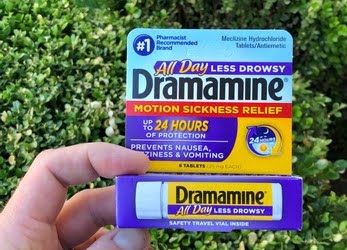
- Dramamine, a well-known over-the-counter medication, has become a go-to solution for individuals seeking relief from motion sickness during travels.
- Dramamine, scientifically known as dimenhydrinate, is an over-the-counter medication often used to alleviate symptoms related to motion sickness, such as nausea, vomiting, and dizziness.
- It belongs to the antihistamine class of drugs and is available in various forms, including tablets, chewable tablets, and liquid formulations.
Dramamine, a well-known over-the-counter medication, has become a go-to solution for individuals seeking relief from motion sickness during travels. However, beyond its intended purpose, there are crucial aspects of Dramamine that deserve attention.
From its potential to make you sleepy and drowsy to the risks of abuse and overdose, understanding the multifaceted nature of this medication is essential.
Dramamine, scientifically known as dimenhydrinate, is an over-the-counter medication often used to alleviate symptoms related to motion sickness, such as nausea, vomiting, and dizziness. It belongs to the antihistamine class of drugs and is available in various forms, including tablets, chewable tablets, and liquid formulations.
Is Dramamine Addictive
Fortunately, Dramamine is not considered addictive in the same way that substances like opioids or stimulants are. However, it’s essential to highlight that some individuals may develop a psychological dependence on it.
This can stem from the relief it provides from uncomfortable symptoms, leading to a pattern of frequent use even when not needed. Such behaviors can mimic addiction, but they’re more about seeking comfort rather than the classic biological mechanisms of addiction [2].
Biological Mechanisms Behind Dramamine Addictions
Unlike highly addictive substances that directly impact the brain’s reward system, Dramamine’s mechanism of action is different. It primarily targets histamine receptors in the brain to alleviate nausea and dizziness.
The risk of addiction to Dramamine lies more in the psychological realm, as individuals might misuse it to manage stress, anxiety, or other emotional issues. Repeatedly turning to Dramamine for emotional relief can pave the way for habitual use, blurring the lines between medical necessity and psychological reliance [3].
How Is Dramamine Taken
Dramamine is typically taken orally and is recommended to be used as directed by a healthcare professional or according to the instructions on the packaging.
Taking the medication with food is commonly advised to minimize potential stomach upset. It’s crucial to adhere to the recommended dosage and not exceed it, as doing so can lead to unwanted side effects [1].
How Common Is Dramamine Addiction
While not as extensively studied as other forms of substance abuse, cases of Dramamine addiction do exist. Some statistics provide insights into the potential scope of this issue:
- About 10.7% of high school seniors in the United States reported using non-prescription medications for recreational purposes, which can include drugs like Dramamine4.
- Cases of individuals seeking treatment for abuse of over-the-counter medications, including Dramamine, have been documented4.
Dramamine addiction, albeit not as common as addictions to other substances, is more likely to occur in certain demographics:
- Adolescents and young adults may be more prone due to experimentation and seeking thrill4.
- Individuals with a history of substance abuse or addiction might be at a higher risk of developing problematic usage patterns with Dramamine4.
Can You Get High on Dramamine?
Yes, it’s possible to get high on Dramamine, but the practice comes with significant risks. When taken in high doses, it can induce hallucinations and a dissociative state. This effect arises from the medication’s impact on neurotransmitters in the brain, particularly dopamine. However, this attempt to achieve a euphoric experience is dangerous and can lead to serious health complications.
Misusing Dramamine to get high involves consuming doses far beyond the recommended amounts for motion sickness relief. This practice is hazardous due to the drug’s side effects, which include rapid heart rate, blurred vision, confusion, and even seizures.
Moreover, the line between achieving the desired high and suffering from life-threatening symptoms is dangerously thin. Combining Dramamine with other substances, such as alcohol or illicit drugs, intensifies the risks and can result in fatal outcomes.
Can Dramamine Addiction Be Fatal?
While Dramamine itself isn’t known to have fatal consequences when used as directed, excessive consumption can lead to severe health risks. Taking very high doses can cause Dramamine hallucinations, seizures, irregular heartbeats, and even death in extreme cases [3]. Moreover, as Dramamine can cause drowsiness, individuals who misuse it in high doses put themselves at risk while driving or operating heavy machinery.
Dramamine, commonly used to combat motion sickness, has effects that extend beyond relief. While it can provide comfort during travels, it’s crucial to understand its potential short-term and long-term side effects, as well as the complications and how long the Dramamine side effects will last.
Dramamine Short-Term Side Effects: The Immediate Impact
When taken as directed for motion sickness, Dramamine can offer relief from nausea and dizziness. However, like any medication, it can bring about certain short-term effects. These are generally felt soon after consumption and may last for a few hours:
Drowsiness: One of the most common side effects of Dramamine is drowsiness. Dramamine makes you sleepy and fatigued, which can be helpful during travel but might affect your alertness in other situations.
Dry Mouth: Dramamine can lead to a dry sensation in the mouth, making it essential to stay hydrated.
Blurred Vision: Some individuals might experience blurred or unclear vision temporarily while taking Dramamine [1].
Dramamine Long-Term Side Effects: The Lingering Impact
While Dramamine is not typically intended for prolonged use, some individuals might misuse it over extended periods. This can result in a range of long-term effects of Dramamine that should not be ignored. The timeline for long-term side effects can vary based on the individual and the extent of usage.
Tolerance and Dependence: Long-term or excessive use of Dramamine can lead to the body becoming tolerant to its effects. This means that over time, you might need higher doses to achieve the same relief. In some cases, this can progress to physical and psychological dependence, making it challenging to function without the medication.
Cognitive Impairment: Prolonged use of Dramamine might lead to cognitive issues, including difficulties with memory, attention, and concentration.
Gastrointestinal Problems: Some individuals might experience gastrointestinal disturbances, including constipation, as a result of long-term use [2].
Complications of Dramamine Addiction: The Perils of Misuse
While Dramamine is not considered highly addictive in comparison to substances like opioids, its misuse can still lead to significant complications, especially when abused for its hallucinogenic effects:
Hallucinations: Misusing Dramamine in high doses can lead to hallucinations and a sense of detachment from reality. However, these experiences are often unpleasant and accompanied by confusion.
Cardiovascular Issues: Abusing Dramamine can result in rapid heart rate, irregular heartbeat, and high blood pressure.
Seizures: Dramamine misuse can trigger seizures, posing a serious risk to overall health.
Organ Damage: Prolonged and excessive use of Dramamine can cause harm to various organs, including the liver and kidneys.
Mental Health Impact: Misuse of this medication can exacerbate mental health conditions or induce symptoms like anxiety and depression.
Risk of Overdose: Taking excessive amounts of Dramamine can lead to an overdose, which can be life-threatening. Symptoms of overdose include extreme drowsiness, confusion, hallucinations, seizures, and even coma [3].
When it comes to medications, understanding potential interactions is crucial to your safety and well-being. Dramamine, often used for motion sickness, is no exception.
Let’s explore how Dramamine interacts with other drugs.
Dramamine and Other Drug Interactions: A Delicate Balance
Dramamine, containing the active ingredient dimenhydrinate, interacts with various medications due to its effects on the central nervous system. Before using Dramamine alongside other drugs, it’s essential to consult your healthcare provider to prevent adverse effects and complications.
Some of the common interactions to be aware of include:
Sedatives and Hypnotics: Combining Dramamine with sedatives, like benzodiazepines or sleep medications, can enhance the sedative effects, leading to excessive drowsiness and impaired coordination. This can increase the risk of accidents and falls [1].
Alcohol: Alcohol and Dramamine both have sedative properties. When consumed together, they can intensify each other’s effects, potentially leading to severe drowsiness, dizziness, and impaired judgment [2].
Antidepressants: Some antidepressants, particularly monoamine oxidase inhibitors (MAOIs), can interact with Dramamine, resulting in elevated blood pressure and other adverse reactions [3].
Anticholinergic Drugs: Dramamine belongs to a class of anticholinergic drugs. Combining it with other anticholinergic medications can increase the risk of side effects like dry mouth, blurred vision, and urinary retention [2].
Xanax And Dramamine: A Closer Look
Xanax, a widely prescribed medication for anxiety and panic disorders, interacts with Dramamine due to its shared sedative properties. Combining Xanax with Dramamine can lead to an amplified sedative effect, potentially causing extreme drowsiness, difficulty concentrating, and impaired motor skills.
It’s crucial to avoid this combination, as it can increase the risk of accidents and injuries, especially if tasks requiring focus and coordination are involved [1].
Understanding how Dramamine interacts with other drugs is essential for your well-being. While Dramamine can provide relief from motion sickness, it’s crucial to approach its use cautiously, particularly when considering other medications in the mix.
Dramamine can be a game-changer when it comes to managing motion sickness, but like any medication, it’s essential to use it correctly to ensure your safety and well-being.
Let’s delve into the proper way to use Dramamine, steering clear of side effects, addiction, and the risks of overdose.
Dosage and Timing: Finding the Right Balance
Finding the right dosage and timing is crucial to reaping the benefits of Dramamine without falling into the trap of misuse. Here’s what you need to know:
Follow Label Instructions: Always adhere to the dosage instructions provided on the label or as directed by your healthcare provider. The recommended dosage varies based on factors such as age and weight.
Timing Matters: Take Dramamine about 30 minutes to an hour before your journey to allow it enough time to take effect [1].
Respect Frequency: Typically, Dramamine is taken every 4 to 6 hours if needed. Avoid taking more than the recommended dose or more often than directed to prevent potential adverse effects.
Avoiding Side Effects: Prioritize Your Well-Being
To avoid unwanted side effects while using Dramamine, keep the following pointers in mind:
Stay Hydrated: Dramamine can lead to dry mouth, so keep yourself well-hydrated throughout your journey.
Be Mindful of Drowsiness: While some drowsiness is normal, excessive sleepiness can impair your ability to function. Avoid activities requiring focus and coordination, such as driving, while under the influence of Dramamine.
Limit Alcohol: Alcohol can intensify the sedative effects of Dramamine. Steer clear of alcohol when using this medication.
Preventing Addiction: Responsible Use Is Key
Although Dramamine has a lower potential for addiction compared to some other drugs, responsible use is still crucial:
Stick to the Recommended Dose: Taking more than the recommended dose won’t provide extra relief and could lead to adverse effects or increased tolerance.
Consult a Healthcare Provider: If you’re using Dramamine regularly or for a prolonged period, consult your healthcare provider. They can monitor your usage and help prevent dependency.
Guarding Against Overdose: A Critical Concern
Avoiding overdose is vital to your safety and well-being:
Don’t Exceed the Maximum Dose: Taking more than the maximum recommended dose can lead to serious health risks, including seizures, heart problems, and even coma [3].
Recognize Overdose Symptoms: If you experience symptoms like extreme drowsiness, confusion, rapid heart rate, or hallucinations, seek medical attention immediately.
Personalized Guidance: Your Healthcare Provider’s Role
Remember, your healthcare provider is your best source of guidance:
Consultation is Key: Before using Dramamine, discuss your medical history and any other medications or supplements you’re taking with your healthcare provider.
Individualized Recommendations: Your provider can tailor their advice based on your specific health needs and circumstances.
FAQs
The dosage required to achieve any potential hallucinogenic effects can vary, but attempting to do so poses significant dangers such as seizures, heart problems, and even life-threatening complications.
The goal should always be to use medications, including Dramamine, responsibly and as directed by a healthcare professional, to ensure your safety and well-being. If you have questions about medication use or concerns about its effects, it’s best to consult a medical professional for accurate guidance.
The Article
About This Article
✔ Medically Reviewed
✔ Evidence-Based Sources
✔ Updated Regularly
✔ Clinically Verified
This article was written by THE BALANCE’s clinical content team and reviewed by a licensed medical or mental health professional (such as an MD, psychiatrist, clinical psychologist, or equivalent). Our reviewers ensure that the information reflects current research, accepted medical guidelines, and best practices in mental health and addiction treatment. THE BALANCE’s medical editors draw on extensive real-world clinical experience supporting individuals in residential, outpatient, and luxury private treatment settings across Europe and internationally.
Editorial Standards & Integrity
THE BALANCE follows strict editorial and clinical review standards to ensure accuracy, balance, and reliability:
- All medical statements rely on authoritative sources such as the WHO, NIMH, APA, NHS, CDC, and SAMHSA
- Statistics use the most recent and reliable research available
- No medical or therapeutic claims are made without clear, verifiable evidence
- Content is reviewed and updated regularly to reflect evolving science, treatment guidelines, and clinical best practices
- Commercial interests do not influence clinical accuracy; all clinical insights are reviewed independently
- Recommendations include context, limitations, and alternatives where appropriate
How We Review Sources
- Our clinical writers and editors rely on:
- Peer-reviewed research and meta-analyses
- National and international treatment guidelines
- Professional bodies and regulatory authorities
- Verified public data from reputable institutions
We do not use anecdotal reports, unverified claims, or commercially biased sources. Every factual claim is supported by established evidence.
Conflicts of Interest
THE BALANCE provides private mental health and addiction treatment services. However, our clinical reviewers ensure that all content remains objective, non-promotional, and balanced. When discussing treatment options, we outline limitations, risks, and alternatives. Our priority is reader safety and informed decision-making.
How to Use This Information Safely
Mental health and addiction conditions are complex and vary significantly between individuals. The information in this article is provided for general educational purposes only and should not replace professional medical advice, diagnosis, or treatment. If you or someone you know is experiencing symptoms, seek guidance from a qualified healthcare professional. To maintain accuracy and trust, THE BALANCE updates articles regularly as new research and clinical guidance become available.
Do you need help?
If you’re struggling, you don’t have to handle it alone. Support is available - whether you’re feeling overwhelmed, anxious, depressed, or dealing with alcohol or drug-related concerns. If you feel unsafe, are at risk of harming yourself, or someone else is in immediate danger, contact your local emergency number immediately.
Talk to Someone Now (Free & Confidential)
Choose your country to find a trusted helpline near you:
Spain
- Suicide & emotional crisis helpline: 024 (24/7, free, multilingual)
- Samaritans in Spain: 900 525 100 (24/7)
Switzerland
- Die Dargebotene Hand / La Main Tendue: 143 (24/7)
- Pro Juventute (youth): 147
United Kingdom
- Samaritans: 116 123 (24/7, free)
- NHS urgent mental health support: call 111 (24/7)
United States
- 988 Suicide & Crisis Lifeline — call, text, or chat 988 (24/7)
Canada
- 9-8-8 Suicide Crisis Helpline — call or text 988 (24/7, nationwide)
- Talk Suicide Canada (alternate): 1-833-456-4566
France
- National suicide prevention number: 3114 (24/7, free)
Germany
- TelefonSeelsorge: 116 123
- Alternate numbers: 0800 111 0 111 / 0800 111 0 222
Italy
- Telefono Amico Italia: 800 860 022 or 02 2327 2327
Not an Emergency, but You Want Support?
If you’re not in immediate danger but are worried about yourself or someone you care about, reaching out early can make a meaningful difference.
Explore Care Options Near You
This website lists verified mental health professionals, addiction specialists, and treatment programs searchable by country and location. Use the “Find treatment” / “Providers” section to explore available options.
Or Reach Out to Us
If you’d like help understanding next steps, you can contact our team confidentially. We’ll listen without judgment and help you explore appropriate options.
Contact our team
- Phone: +41445005111
- Email: help@thebalance.clinic
- Availability: Mon–Sun, 07:00–22:00 CET
Not sure what to say? You can simply write: “I need help.” We’ll take it from there.