

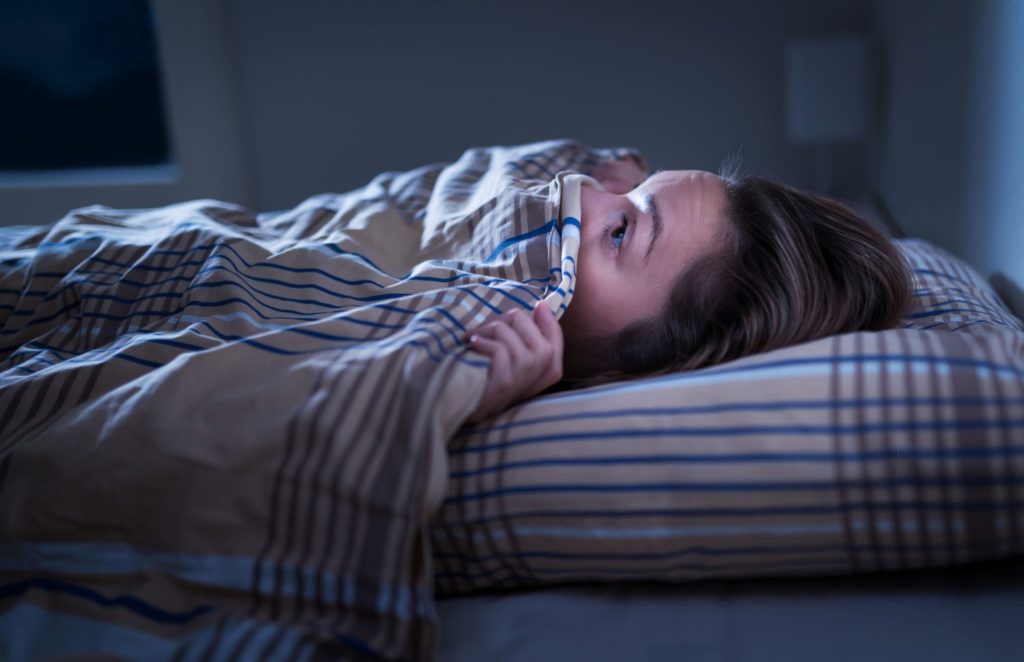
- Nocturnal panic attacks occur during sleep, characterized by a sense of panic and confusion.
- The experience of waking up in the middle of the night, overwhelmed by anxiety and a sense of dread, can be disorienting and distressing.
- Let's find out more about nocturnal panic attacks and learn effective methods to manage them.
Nocturnal panic attacks occur during sleep, characterized by a sense of panic and confusion. The experience of waking up in the middle of the night, overwhelmed by anxiety and a sense of dread, can be disorienting and distressing. These nighttime episodes can disrupt sleep patterns and significantly impact overall well-being, leading to increased emotional strain and exhaustion.
Managing the symptoms of panic attacks at night often involves implementing relaxation techniques, creating a comforting sleep environment, and seeking professional guidance to address the underlying triggers and psychological factors contributing to these unsettling episodes.
Let’s find out more about nocturnal panic attacks and learn effective methods to manage them.
1. Cleveland Clinic. Nocturnal Panic Attacks. https://my.clevelandclinic.org/health/diseases/22776-nocturnal-panic-attacks
2. Choosing Therapy. Nocturnal Panic Attacks: Symptoms, Causes, & How to Cope. https://www.choosingtherapy.com/nocturnal-panic-attacks/
3. Medical News Today. What to know about panic attacks at night. https://www.medicalnewstoday.com/articles/324531
4. Mayo Clinic. Nocturnal panic attacks: What causes them? https://www.mayoclinic.org/diseases-conditions/panic-attacks/expert-answers/panic-attacks/faq-20057984

