

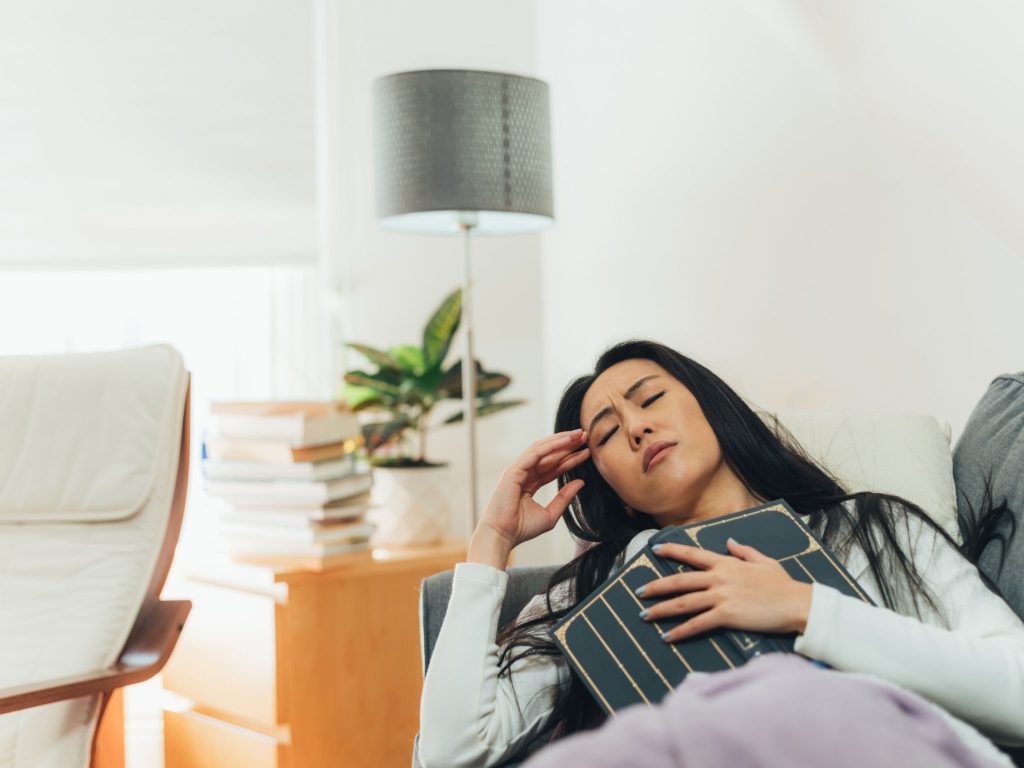
- Post-Traumatic Stress Disorder (PTSD) associated sleep problems present a significant challenge to those affected with PTSD.
- The struggle to find restorative sleep is a hallmark of PTSD, impacting not only the quantity but also the quality of sleep.
- Approximately 70% to 91% of individuals with PTSD experience sleep disturbances, with insomnia being a prevalent and disruptive symptom.
Post-Traumatic Stress Disorder (PTSD) associated sleep problems present a significant challenge to those affected with PTSD. The struggle to find restorative sleep is a hallmark of PTSD, impacting not only the quantity but also the quality of sleep. Approximately 70% to 91% of individuals with PTSD experience sleep disturbances, with insomnia being a prevalent and disruptive symptom.
Fortunately, various effective treatment options exist to manage PTSD-related sleep problems and insomnia. These can range from traditional to more sophisticated and specialized luxury treatments.
At our luxury treatment center, we provide a comprehensive approach to address the complex relationship between PTSD and sleep disturbances. Our specialized programs offer a comfortable and supportive environment where clients can access a range of evidence-based treatments, therapies, and amenities to address the unique needs of those struggling with PTSD-related sleep problems. We prioritize personalized care and aim to provide a holistic approach to improving sleep quality and promoting overall healing and recovery.
Post-Traumatic Stress Disorder and insomnia are two distinct yet interconnected conditions that can significantly impact a person’s well-being.
Keep reading as we explore the relationship between PTSD and insomnia apart from other sleep problems.
What is PTSD
Post-Traumatic Stress Disorder is a mental health condition that can develop after a person experiences a traumatic event.
This event might involve physical harm, the threat of harm, or witnessing a traumatic incident. Individuals with PTSD often experience intense, disturbing thoughts and feelings related to the traumatic event, which can persist long after the event has occurred [1].
What is Insomnia
Insomnia is a sleep disorder characterized by difficulty falling asleep, staying asleep, or both. People with insomnia may also wake up too early and find it difficult to return to sleep. This condition can lead to significant daytime impairment, including fatigue, difficulty concentrating, and mood disturbances [2].
The Link Between PTSD and Sleep
Sleep disturbances are common among individuals with PTSD. The relationship between the two can be complex and bidirectional, meaning that each condition can exacerbate the other.
Here’s how PTSD affects sleep:
Nightmares and Flashbacks: People with PTSD often experience vivid nightmares and flashbacks related to their traumatic experiences. These distressing dreams can make it difficult to fall asleep, stay asleep, or even initiate sleep in the first place.
Hyperarousal: PTSD can lead to a state of hyperarousal, where the individual remains in a heightened state of alertness and vigilance. This heightened arousal can make it challenging to relax and fall asleep, as the person’s mind and body are constantly on edge.
Hypervigilance: Individuals with PTSD may have a heightened sense of danger, even in safe environments. This hypervigilance can lead to frequent awakenings during the night, as the individual may wake up at the slightest noise or perceived threat.
Avoidance Behaviors: People with PTSD may avoid situations, places, or activities that remind them of their trauma. This avoidance can disrupt their sleep patterns, as they may actively avoid going to bed or their bedroom to prevent triggering memories.
How Does Insomnia Develop Due to PTSD
The development of insomnia in individuals with PTSD can be attributed to various biological mechanisms:
Dysregulated Stress Response: PTSD often results in a dysregulated stress response, with increased levels of stress hormones such as cortisol. Elevated cortisol levels can disrupt the normal sleep-wake cycle, making it difficult to fall asleep and maintain a consistent sleep pattern.
Alterations in Brain Chemistry: The brain chemistry of individuals with PTSD can be altered, affecting neurotransmitters that play a crucial role in sleep regulation. Imbalances in neurotransmitters like serotonin and norepinephrine can contribute to sleep disturbances.
Chronic Arousal: The constant state of hyperarousal in PTSD can lead to chronic activation of the body’s fight-or-flight response. This heightened arousal can interfere with the body’s ability to enter the restorative stages of sleep.
Facts and Statistics on PTSD Sleep Problems
To provide a deeper understanding of the prevalence and impact of sleep problems in individuals with PTSD.
Here are some key facts and statistics:
- Nightmares are a prevalent symptom of PTSD, with up to 85% of PTSD sufferers reporting frequent distressing dreams.
- Insomnia is one of the most common sleep problems among people with PTSD and women are more likely to experience it than men.
- Sleep problems in PTSD are associated with greater symptom severity, impaired daily functioning, and a lower quality of life [2].
- Veterans who have experienced combat-related trauma are at a higher risk of developing both PTSD and sleep disorders.
Sleep problems related to PTSD can affect individuals from various backgrounds and demographics. However, certain factors may increase the likelihood of experiencing these sleep disturbances
We will explore who is more prone to PTSD sleep problems and the causes behind PTSD-related insomnia and other sleep issues.
Those Who Are At Risk
Military Veterans: Military veterans, particularly those who have been exposed to combat situations, are at a higher risk of developing PTSD and experiencing sleep disturbances [3].
Survivors of Sexual Assault: Survivors of sexual assault often grapple with PTSD, and this trauma can lead to sleep problems, including insomnia and nightmares.
First Responders: Firefighters, police officers, and other first responders frequently encounter traumatic events in their line of work, which can lead to both PTSD and sleep disturbances [2].
Childhood Trauma Survivors: Individuals who have experienced childhood trauma, such as physical or emotional abuse, may develop PTSD and associated sleep problems later in life.
Natural Disaster Survivors: People who have lived through natural disasters, like hurricanes or earthquakes, can develop PTSD and experience sleep disruptions as a result.
Refugees and War Survivors: Those who have fled conflict zones or lived through war often carry the emotional scars of their experiences, leading to PTSD and sleep issues [1].
Causes of PTSD Insomnia and Other Sleep Problems
Understanding why PTSD can lead to sleep disturbances is essential to addressing these issues effectively.
Here are some key causes:
Trauma-Related Memories: Traumatic memories can intrude into a person’s thoughts, making it challenging to relax and fall asleep. Nightmares and flashbacks can be particularly disruptive.
Stress Hormones: PTSD can result in an overproduction of stress hormones, such as cortisol. Elevated cortisol levels can disrupt the normal sleep-wake cycle, making it difficult to fall asleep and maintain consistent sleep patterns.
Altered Brain Chemistry: The brain chemistry of individuals with PTSD can be altered, affecting neurotransmitters responsible for sleep regulation. Imbalances in neurotransmitters like serotonin and norepinephrine can contribute to sleep disturbances.
Physical Health: PTSD can lead to physical health problems, such as chronic pain or medical conditions. These issues can also contribute to sleep disruptions.
Co-Occurring Disorders: PTSD often co-occurs with other mental health conditions, such as depression or anxiety. These comorbidities can compound sleep problems [2].
Medication Side Effects: Some medications used to treat PTSD symptoms may have side effects that affect sleep, such as sedation or insomnia [3].
If you’re experiencing sleep problems, it’s essential to consider whether PTSD might be a contributing factor. Considering the symptoms of PTSD-related sleep troubles can help you identify the root cause of your sleep issues.
Let’s understand how to recognize if your sleep problems are due to PTSD, focusing on the various symptoms of PTSD insomnia and other related sleep problems.
Symptoms of PTSD-Related Insomnia
Difficulty Falling Asleep: Individuals with PTSD often struggle to initiate sleep due to racing thoughts, anxiety, or distressing memories related to their trauma. If you find it consistently hard to fall asleep, this could be a sign.
Frequent Night Terrors: Night terrors are a characteristic symptom of PTSD. If you regularly experience vivid, distressing dreams and episodes of night terrors related to your traumatic experience, it can disrupt your sleep and lead to insomnia.
Night Sweats: Some people with PTSD may experience night sweats or night terrors, causing them to wake up in a state of distress and anxiety. These episodes can make it challenging to maintain a normal sleep pattern.
Sleep Fragmentation: PTSD can lead to frequent awakenings throughout the night, preventing you from achieving deep, restorative sleep. You may find yourself waking up multiple times during the night, feeling unrefreshed in the morning.
How to Determine if Your Sleep Problems Are Due to PTSD
Identifying the link between your sleep problems and PTSD requires self-awareness and careful consideration.
Here are some steps to help you determine if your sleep issues might be related to PTSD:
Reflect on Traumatic Experiences: Consider whether you have experienced a traumatic event in the past. Trauma could be a major life event, such as combat, a serious accident, or a natural disaster.
Assess Your Sleep Patterns: Keep a sleep diary to track your sleep patterns and any disturbances. Note down the frequency of nightmares, difficulty falling asleep, and waking up during the night.
Examine Emotional Well-Being: Pay attention to your emotional well-being during the day. If you experience symptoms of PTSD, such as intrusive thoughts, flashbacks, or heightened anxiety, these may be contributing to your sleep problems.
There are several strategies and lifestyle adjustments you can try to improve your sleep quality and PTSD-related sleep problems. Let’s explore various tips and techniques to help you get a better night’s sleep without relying on medications or therapies.
Create a Comfortable Sleep Environment
Comfortable Bedding: Invest in a comfortable mattress, pillows, and bedding that suit your preferences. A comfortable sleep surface can make a significant difference in sleep quality.
Dark and Quiet Room: Make your bedroom as dark and quiet as possible. Consider blackout curtains and earplugs if necessary to block out disturbances.
Cool Temperature: Keep the room at a comfortable, cool temperature. A slightly cooler room can promote better sleep [2].
Limit Screen Time: Avoid screens like phones, tablets, and computers in the hour before bedtime. The blue light emitted from screens can disrupt your sleep-wake cycle.
Establish a Consistent Sleep Routine
Regular Bedtime: Go to bed and wake up at the same time every day, even on weekends. This consistency helps regulate your body’s internal clock.
Wind Down: Engage in relaxing activities before bed, such as reading a book, taking a warm bath, or practicing deep breathing exercises [1].
Limit Naps: Avoid long daytime naps, as they can interfere with night-time sleep. If you need a nap, keep it short (20-30 minutes).
Manage Stress and Anxiety
Stress Reduction Techniques: Practice stress-reduction techniques like mindfulness meditation, yoga, or progressive muscle relaxation to manage anxiety and calm your mind before bedtime.
Journaling: Write down your thoughts and worries in a journal to help clear your mind before sleep. This can reduce the racing thoughts that often accompany PTSD.
Create a Sleep-Friendly Lifestyle
Limit Caffeine and Alcohol: Reduce your intake of caffeine and alcohol, especially in the hours leading up to bedtime. Both substances can interfere with sleep.
Regular Exercise: Engage in regular physical activity during the day, but avoid vigorous exercise close to bedtime. Exercise can help reduce stress and promote better sleep.
Healthy Diet: Maintain a balanced diet and avoid heavy or spicy meals right before bed. A light snack can be beneficial if you’re hungry.
Hydration: Stay hydrated throughout the day, but reduce fluid intake in the hours leading up to bedtime to minimize night-time awakenings.
Manage Nightmares and Flashbacks
Bedtime Routine: Develop a calming bedtime routine that can help reduce the occurrence of nightmares and flashbacks. Relaxation exercises or listening to soothing music may be helpful.
Nightmare-Related Triggers: Identify and minimize potential triggers in your sleep environment, such as photos or objects that remind you of the traumatic event.
Therapist Referral: A therapist experienced in treating PTSD can be a valuable resource. They can provide non-pharmacological therapies that address the root causes of sleep disturbances [1].
Stay Patient and Persistent
Give It Time: Improving sleep with PTSD can take time and consistent effort. Be patient with yourself and understand that progress may be gradual [2].
Stay Persistent: Keep trying different strategies and techniques to find what works best for you. What works for one person may not work for another, so be open to experimentation.
When it comes to addressing sleep problems due to PTSD, a combination of medications and therapies can be effective in improving sleep quality. We will explore the most effective treatments for PTSD-related sleep problems, including both medication and therapy options.
Medications for PTSD and Insomnia
There are various medications to help manage insomnia due to PTSD. It is essential to consult your doctor before taking any of these medications to choose the one that will work best for you. Here are a few of the common ones:
Prazosin: Prazosin is an alpha-1 blocker that primarily treats high blood pressure but is effective in reducing nightmares and improving sleep in individuals with PTSD. It can help reduce the frequency and intensity of nightmares, making sleep less disruptive.
Trazodone: Trazodone is an antidepressant that is sometimes prescribed off-label to manage sleep disturbances. It can help with insomnia and may also reduce the severity of nightmares. Trazodone can promote better sleep by increasing drowsiness and maintaining a longer duration of rest.
Melatonin: Melatonin is a hormone that regulates sleep-wake cycles. Supplemental melatonin may help regulate the sleep patterns of individuals with PTSD. Melatonin can improve sleep onset and reduce night-time awakenings.
Therapies for PTSD and Insomnia
Cognitive-Behavioral Therapy for Insomnia: CBT-I is a structured therapy that helps individuals with PTSD address the cognitive and behavioral factors contributing to their sleep problems. CBT-I is highly effective in treating insomnia in people with PTSD. It focuses on changing thought patterns and behaviors that hinder sleep.
Exposure Therapy: Exposure therapy is a component of PTSD treatment that helps individuals confront and process their traumatic memories. This can reduce the frequency and intensity of nightmares. Reducing the emotional charge of traumatic memories through exposure therapy can lead to fewer distressing dreams [2].
Eye Movement Desensitization and Reprocessing (EMDR): EMDR is a psychotherapy approach that aims to alleviate the distress associated with traumatic memories. It involves guided eye movements while recalling the traumatic event. EMDR has shown promise in reducing nightmares and improving overall sleep quality in individuals with PTSD.
Mindfulness-Based Stress Reduction (MBSR): MBSR is a mindfulness meditation program that helps individuals develop awareness and acceptance of their thoughts and emotions, reducing overall stress. By reducing stress and promoting relaxation, MBSR can improve sleep quality for those with PTSD.
Luxury Treatment for PTSD and Insomnia
For those seeking a more personalized and comfortable approach to PTSD sleep problems, our luxury treatment center is the best option for you. We offer upscale facilities with specialized programs designed to address the unique needs of individuals with PTSD and insomnia.
Our luxury treatment center offers:
Comfortable Accommodations: High-end facilities provide luxurious rooms and amenities to ensure a comfortable stay during treatment.
Individualized Care: Our center offers personalized treatment plans tailored to the specific needs of each patient.
Holistic Approaches: Our programs incorporate holistic therapies like yoga and gourmet nutrition to promote relaxation and overall well-being.
Additional Support: Patients may have access to a range of therapeutic modalities, including individual counseling, art therapy, and family therapy when required.
Peaceful Settings: We encourage serene, natural surroundings, providing a tranquil environment for healing.
The Article
About This Article
✔ Medically Reviewed
✔ Evidence-Based Sources
✔ Updated Regularly
✔ Clinically Verified
This article was written by THE BALANCE’s clinical content team and reviewed by a licensed medical or mental health professional (such as an MD, psychiatrist, clinical psychologist, or equivalent). Our reviewers ensure that the information reflects current research, accepted medical guidelines, and best practices in mental health and addiction treatment. THE BALANCE’s medical editors draw on extensive real-world clinical experience supporting individuals in residential, outpatient, and luxury private treatment settings across Europe and internationally.
Editorial Standards & Integrity
THE BALANCE follows strict editorial and clinical review standards to ensure accuracy, balance, and reliability:
- All medical statements rely on authoritative sources such as the WHO, NIMH, APA, NHS, CDC, and SAMHSA
- Statistics use the most recent and reliable research available
- No medical or therapeutic claims are made without clear, verifiable evidence
- Content is reviewed and updated regularly to reflect evolving science, treatment guidelines, and clinical best practices
- Commercial interests do not influence clinical accuracy; all clinical insights are reviewed independently
- Recommendations include context, limitations, and alternatives where appropriate
How We Review Sources
- Our clinical writers and editors rely on:
- Peer-reviewed research and meta-analyses
- National and international treatment guidelines
- Professional bodies and regulatory authorities
- Verified public data from reputable institutions
We do not use anecdotal reports, unverified claims, or commercially biased sources. Every factual claim is supported by established evidence.
Conflicts of Interest
THE BALANCE provides private mental health and addiction treatment services. However, our clinical reviewers ensure that all content remains objective, non-promotional, and balanced. When discussing treatment options, we outline limitations, risks, and alternatives. Our priority is reader safety and informed decision-making.
How to Use This Information Safely
Mental health and addiction conditions are complex and vary significantly between individuals. The information in this article is provided for general educational purposes only and should not replace professional medical advice, diagnosis, or treatment. If you or someone you know is experiencing symptoms, seek guidance from a qualified healthcare professional. To maintain accuracy and trust, THE BALANCE updates articles regularly as new research and clinical guidance become available.
Do you need help?
If you’re struggling, you don’t have to handle it alone. Support is available - whether you’re feeling overwhelmed, anxious, depressed, or dealing with alcohol or drug-related concerns. If you feel unsafe, are at risk of harming yourself, or someone else is in immediate danger, contact your local emergency number immediately.
Talk to Someone Now (Free & Confidential)
Choose your country to find a trusted helpline near you:
Spain
- Suicide & emotional crisis helpline: 024 (24/7, free, multilingual)
- Samaritans in Spain: 900 525 100 (24/7)
Switzerland
- Die Dargebotene Hand / La Main Tendue: 143 (24/7)
- Pro Juventute (youth): 147
United Kingdom
- Samaritans: 116 123 (24/7, free)
- NHS urgent mental health support: call 111 (24/7)
United States
- 988 Suicide & Crisis Lifeline — call, text, or chat 988 (24/7)
Canada
- 9-8-8 Suicide Crisis Helpline — call or text 988 (24/7, nationwide)
- Talk Suicide Canada (alternate): 1-833-456-4566
France
- National suicide prevention number: 3114 (24/7, free)
Germany
- TelefonSeelsorge: 116 123
- Alternate numbers: 0800 111 0 111 / 0800 111 0 222
Italy
- Telefono Amico Italia: 800 860 022 or 02 2327 2327
Not an Emergency, but You Want Support?
If you’re not in immediate danger but are worried about yourself or someone you care about, reaching out early can make a meaningful difference.
Explore Care Options Near You
This website lists verified mental health professionals, addiction specialists, and treatment programs searchable by country and location. Use the “Find treatment” / “Providers” section to explore available options.
Or Reach Out to Us
If you’d like help understanding next steps, you can contact our team confidentially. We’ll listen without judgment and help you explore appropriate options.
Contact our team
- Phone: +41445005111
- Email: help@thebalance.clinic
- Availability: Mon–Sun, 07:00–22:00 CET
Not sure what to say? You can simply write: “I need help.” We’ll take it from there.