

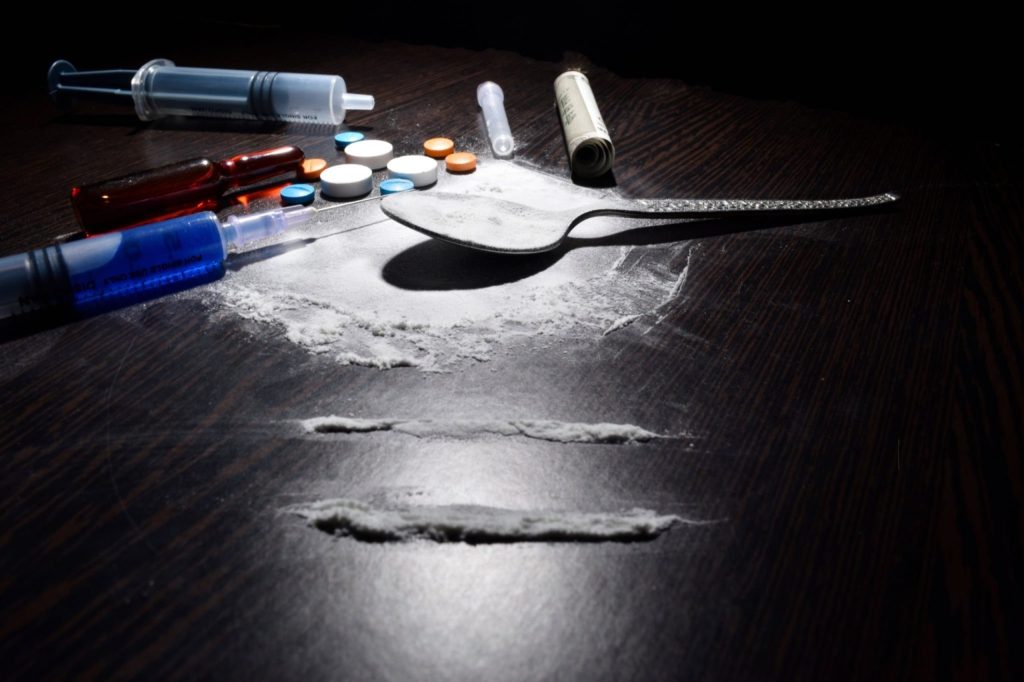
- Factors such as socioeconomic disparities, peer pressure, stress, and inadequate access to rehabilitation facilities contribute to the escalating crisis.
- Alarming statistics reveal that around 15.8 million children aged 10 to 17 are grappling with substance addiction in the country [1].
- Heroin: The highest rates of heroin use are observed in Uttar Pradesh (17.3%), followed by Delhi (16.3%), West Bengal (15.0%), Manipur (10.1%), and Bihar (10.0%).
Drug addiction is a pervasive issue in India that spans across demographics and regions, presenting a multifaceted challenge.
With substances ranging from heroin and cocaine to synthetic drugs like methamphetamine gaining traction, addiction has infiltrated various strata of society. Factors such as socioeconomic disparities, peer pressure, stress, and inadequate access to rehabilitation facilities contribute to the escalating crisis.
The youth, especially in urban areas, often fall victim to the allure of drugs, perpetuating a cycle of dependency that hampers societal progress.
While the government has implemented measures to curb trafficking and increase awareness, addressing the root causes and providing comprehensive support systems remain imperative to combat this complex problem plaguing the nation.
The prevalence of drug abuse in India is significant, with approximately 2.1% of the population using opioids like heroin and pharmaceutical opioids.
Cannabis consumption, including bhang, ganja, and charas, accounts for about 2.8% of Indians aged between 10 and 75 years.
Alarming statistics reveal that around 15.8 million children aged 10 to 17 are grappling with substance addiction in the country [1].
Types Of Illicit Drugs Usage
Cannabis, heroin, and opium stand as the most prevalent drugs across India, with an emerging uptick in methamphetamine usage.
Cannabis: In specific regions like Uttar Pradesh, Punjab, Sikkim, and Chhattisgarh, cannabis use is notably high.
Heroin: The highest rates of heroin use are observed in Uttar Pradesh (17.3%), followed by Delhi (16.3%), West Bengal (15.0%), Manipur (10.1%), and Bihar (10.0%).
When it comes to opioids, heroin takes the lead (1.14%), followed by pharmaceutical opioids (0.96%) and then opium (0.52%). A significant portion of opioid users resides in states like Uttar Pradesh, Punjab, Haryana, Delhi, Maharashtra, Rajasthan, Andhra Pradesh, and Gujarat.
In terms of population percentages, Mizoram, Nagaland (6.5%), Arunachal Pradesh (5.7%), and Sikkim (5.1%) house the highest number of opioid users.
Sedatives and inhalants: Sedatives and inhalants have a usage rate of about 1.08% among Indians aged 10 to 75, with states like Sikkim, Nagaland, Manipur, Mizoram, Uttar Pradesh, Maharashtra, Punjab, Andhra Pradesh, and Gujarat exhibiting higher usage rates.
Low Prevalence: However, drugs like cocaine (0.10%), amphetamine-type stimulants (0.18%), and hallucinogens (0.12%) have notably lower prevalence rates in India [2].
Regions With The Highest Drug Abuse
States with the highest rates of drug abuse exhibit distinct patterns across India. For instance, in terms of rural drug abuse, Goa and Punjab record the highest percentages, standing at 78.0% and 77.5%, respectively.
On the other hand, Mizoram (91.0%) and Meghalaya (90.7%) report the highest numbers of urban drug abusers, being the most drug-addicted states in India.
Origins Of Drugs Within India
The source of these drugs in India primarily involves opiate trafficking from Central Asia/Transcaucasia through Afghanistan, Iran, and Pakistan [2].
India is a significant hub for heroin trafficking, along with countries like Qatar, the United Arab Emirates, and various African nations, between 2014 and 2018.
Drug addiction, a complex and chronic disease, plagues societies worldwide, leaving devastating consequences on individuals, families, and communities.
In India, the problem has reached alarming proportions, with estimates suggesting over 1 million registered addicts and millions more unreported.
Understanding the intricate web of factors that contribute to this epidemic is crucial for developing effective prevention and treatment strategies.
Quick Facts And Statistics
According to the National Survey on Extent and Pattern of Substance Use in India (2018), the prevalence of drug use among adults (18-60 years) is 3.1%.
Cannabis is the most commonly used drug in India, followed by opioids and alcohol.
The World Health Organization (WHO) estimates that over 7 million Indians suffer from opioid use disorders.
Unemployment and poverty are associated with a higher risk of drug use. A 2019 study found that the prevalence of drug use was 12.6% among unemployed individuals compared to 2.2% among employed individuals.
Family problems, including parental addiction and domestic violence, are also associated with an increased risk of addiction. A 2017 study found that children of parents with addiction were 7 times more likely to develop a substance use disorder themselves [3].
Socioeconomic Factors
Poverty and unemployment are major contributors to substance abuse in India. Individuals struggling to meet basic needs may turn to drugs as a form of escape or to alleviate stress and anxiety.
Lack of education and limited job opportunities can further exacerbate the problem, leading individuals to seek solace in substance use.
Family problems play a significant role in initiating and perpetuating addiction. Dysfunctional family dynamics, including lack of parental supervision, neglect, and abuse, can increase the risk of substance use. Conversely, strong family support can act as a protective factor against addiction.
Peer pressure is another significant factor, particularly among adolescents. The desire to belong and fit in can lead youth to experiment with drugs, even if they are initially hesitant. Easy access to drugs within social circles further increases the risk of addiction.
Psychological Factors
Mental health disorders like stress, depression, and anxiety can significantly influence the development of addiction. Individuals suffering from these conditions may self-medicate with drugs to cope with their emotional distress.
Additionally, the negative emotions associated with mental health issues can make individuals more susceptible to the addictive properties of drugs.
Lack of healthy coping mechanisms is another factor contributing to addiction. Individuals who lack positive ways to deal with stress, trauma, and other challenges may resort to drugs as a coping mechanism. This can quickly lead to dependence and addiction.
Availability of Drugs
The easy access to drugs, particularly in certain regions known for drug trafficking and abuse, creates an environment conducive to addiction. Individuals with limited resources and weak social support are particularly vulnerable in such settings.
Cultural Factors
In some Indian communities, substance use, particularly alcohol and tobacco, is normalized. This can lead to a casual attitude towards drug use, reducing awareness of its potential dangers and increasing the risk of addiction.
Drug addiction casts a long shadow over India, impacting not only individuals but also families, communities, and the nation’s social and economic fabric.
The consequences are far-reaching and devastating, leaving a trail of physical and mental health problems, crime, violence, and economic hardship.
Health Consequences
Drug addiction wreaks havoc on the physical and mental well-being of individuals. Common health issues include:
Overdose: In 2018, India witnessed an estimated 275,000 drug overdose deaths, highlighting the severity of the problem.
Physical health problems: Addiction damages organs like the liver, lungs, and brain, leading to respiratory issues, heart disease, and even cancer.
Mental health issues: Depression, anxiety, and psychosis are common among drug users, further exacerbating their struggles.
HIV/AIDS and hepatitis: Injecting drug use is a major risk factor for contracting blood-borne diseases like HIV/AIDS and hepatitis B and C, posing a significant threat to public health.
Social Consequences
Drug addiction fuels social problems, creating a vicious cycle of crime, violence, and instability. These include:
Crime: Studies reveal that 50-60% of crimes in India are committed under the influence of drugs, highlighting the link between addiction and criminal activity.
Violence: Domestic violence, child abuse, and community violence are all exacerbated by drug use, creating an environment of fear and insecurity.
Neglect of children: Drug-addicted parents often neglect their children’s needs, leading to emotional trauma, educational challenges, and increased vulnerability to abuse and exploitation.
Economic Consequences
The economic burden of drug addiction is significant, impacting individuals, families, and the nation as a whole. Key economic consequences include:
Loss of productivity: Drug-related absenteeism and reduced productivity cost businesses billions annually.
Unemployment: Addiction often leads to job loss, further deepening economic woes and reducing individuals’ ability to support themselves and their families.
Financial strain: Drug addiction drains household finances, leaving families struggling to meet basic needs like food, shelter, and healthcare.
The strain on public resources: The government spends vast sums on law enforcement, healthcare, and social welfare programs to address drug-related problems.
Interconnectedness And Impact On Society
These negative consequences are interconnected and have a multiplier effect on society. For example, a drug-addicted parent struggling with unemployment might resort to crime to support their addiction, leading to family breakdown, child neglect, and increased crime rates. This, in turn, creates a climate of fear and distrust within communities, hindering economic development and social well-being.
The impact of drug addiction extends far beyond the individual user, leaving a lasting scar on families and communities. It undermines the nation’s social fabric, weakens the economy, and hinders India’s progress towards a brighter future.
Addressing this issue requires a comprehensive approach that includes prevention, treatment, harm reduction, and rehabilitation. This will require a concerted effort from individuals, families, communities, and the government, working together to break the cycle of addiction and build a healthier and safer India for all.
In the face of a growing drug addiction crisis, the Indian government has implemented various initiatives and policies aimed at curbing drug trafficking and reducing demand. These efforts include:
Laws and Policies
Narcotic Drugs and Psychotropic Substances Act (NDPS Act, 1985): This legislation forms the backbone of India’s drug control strategy, criminalizing the cultivation, possession, and sale of illicit drugs.
National Drug Policy (2012): This policy outlines a comprehensive framework for drug control, emphasizing prevention, treatment, and rehabilitation.
National Action Plan for Drug Demand Reduction (NAPDDR): This plan provides a blueprint for coordinated action across various ministries and agencies to address drug demand reduction.
Treatment Programs and Initiatives
Drug De-addiction Programme (DDAP): Launched in 1988, DDAP provides financial assistance to NGOs for running treatment centers and offering counseling and rehabilitation services.
Integrated Rehabilitation Centres for Addicts (IRCAs): These centers offer comprehensive treatment services, including detoxification, medication-assisted treatment, and psychosocial support.
National Fund for Control of Drug Abuse (NFCDA): This fund supports various drug control initiatives, including prevention programs, research, and training.
Awareness Campaigns and Educational Programs
National Youth Anti-Drug Action Programme (NYADAP): This program aims to educate youth about the dangers of drug use through awareness campaigns and peer-to-peer education.
Life Skills Education Program: This program equips school children with life skills to resist peer pressure and make informed decisions about drugs.
Media Campaigns: The government utilizes mass media to spread awareness about drug abuse and promote help-seeking behavior.
Evaluation and Recommendations
While these initiatives have yielded some positive outcomes, challenges remain. Some areas requiring improvement include:
Strengthening law enforcement: Addressing corruption and improving inter-agency coordination are crucial for effective enforcement of drug laws.
Expanding treatment services: The current infrastructure needs to be improved to meet the growing demand for treatment services. More treatment centers, trained personnel, and affordable treatment options are needed.
Enhancing access to medication-assisted treatment: Expanding access to medications like methadone and buprenorphine can significantly improve treatment outcomes.
Investing in evidence-based prevention programs: Targeting high-risk populations with effective prevention programs can help reduce drug use initiation.
Promoting harm reduction strategies: Providing sterile syringes and needles can help prevent the spread of HIV/AIDS and other blood-borne diseases among injecting drug users.
Addressing social determinants of addiction: Poverty, lack of education, and unemployment are significant risk factors for drug use. Addressing these issues is crucial for preventing addiction in the long run [4].
Despite the devastating impact of drug abuse in India, hope remains in the form of comprehensive treatment and rehabilitation programs.
These programs offer individuals the chance to overcome their addiction and rebuild their lives.
Available Treatment Options
India offers a variety of treatment options for drug addiction, including:
Detoxification: This medically supervised process helps individuals safely withdraw from drugs, managing withdrawal symptoms and minimizing discomfort.
Behavioral therapy: Individual and group therapy sessions address the underlying psychological and emotional factors that contribute to addiction, helping individuals develop coping skills and strategies for relapse prevention.
Medication: Depending on the specific substance and individual needs, medications can be used to manage withdrawal symptoms, cravings, and co-occurring mental health conditions.
Rehabilitation centers: Long-term residential programs provide a structured environment with intensive therapy, support groups, life skills training, and vocational rehabilitation, all aimed at facilitating a holistic and sustainable recovery.
Challenges to Accessing Treatment
Despite the availability of treatment options, accessing them remains a significant challenge for many individuals and families in India.
Key obstacles include:
Limited availability of treatment facilities: India faces a severe shortage of beds in treatment centers, particularly in rural areas. Additionally, the lack of trained professionals, especially in specialized areas like addiction psychiatry, further restricts access to quality care.
Cost of treatment: The high cost of treatment, coupled with limited insurance coverage, makes it inaccessible to a large population segment. This disparity disproportionately impacts low-income families, further marginalizing those who need help the most.
Social stigma: A deep-rooted stigma surrounds addiction and substance abuse in Indian society, leading to discrimination and social isolation for individuals seeking treatment. This fear of judgment and shame often prevents individuals from seeking help and exacerbates the problem.
Lack of awareness: Many individuals and families remain unaware of available treatment options due to insufficient public awareness campaigns and limited access to information. This lack of knowledge creates barriers to seeking timely and appropriate care.
Potential Solutions
Addressing these challenges requires a multi-pronged approach:
Increase funding and infrastructure: The government needs to invest in expanding treatment facilities, particularly in underserved areas. This includes building new centers, renovating existing facilities, and providing adequate resources for staffing and equipment.
Improve affordability: Government subsidies, insurance coverage expansion, and innovative financing models can make treatment more accessible and affordable for low-income individuals.
Combat stigma: Public awareness campaigns can play a crucial role in destigmatizing addiction and promoting positive perceptions of treatment. Educational programs for communities and healthcare professionals can enhance understanding and encourage help-seeking behavior.
Leverage technology: Telehealth consultations, online support groups, and mobile applications can provide convenient and accessible resources for individuals seeking information and support.
Community-based interventions: Empowering communities to play a role in prevention, early intervention, and reintegration after treatment can provide a critical support network for individuals in recovery.
1. NDTV. 1.58 Crore In 10-17 Age Group Addicted To Drugs: Centre To Supreme Court. https://www.ndtv.com/india-news/1-58-crore-in-10-17-age-group-addicted-to-drugs-centre-to-supreme-court-3606777
2. Study IQ. Stats IQ: Drug Abuse in India. https://www.studyiq.com/articles/drug-abuse-in-india/
3. DW.com. Is India on the brink of a drug and alcohol abuse crisis? https://www.dw.com/en/is-india-on-the-brink-of-a-drug-and-alcohol-abuse-crisis/a-64217066
4. Psychology.net. Drug Addiction in India. https://psychology.net.in/drug-addiction-in-india/
FAQs
The Article
About This Article
✔ Medically Reviewed
✔ Evidence-Based Sources
✔ Updated Regularly
✔ Clinically Verified
This article was written by THE BALANCE’s clinical content team and reviewed by a licensed medical or mental health professional (such as an MD, psychiatrist, clinical psychologist, or equivalent). Our reviewers ensure that the information reflects current research, accepted medical guidelines, and best practices in mental health and addiction treatment. THE BALANCE’s medical editors draw on extensive real-world clinical experience supporting individuals in residential, outpatient, and luxury private treatment settings across Europe and internationally.
Editorial Standards & Integrity
THE BALANCE follows strict editorial and clinical review standards to ensure accuracy, balance, and reliability:
- All medical statements rely on authoritative sources such as the WHO, NIMH, APA, NHS, CDC, and SAMHSA
- Statistics use the most recent and reliable research available
- No medical or therapeutic claims are made without clear, verifiable evidence
- Content is reviewed and updated regularly to reflect evolving science, treatment guidelines, and clinical best practices
- Commercial interests do not influence clinical accuracy; all clinical insights are reviewed independently
- Recommendations include context, limitations, and alternatives where appropriate
How We Review Sources
- Our clinical writers and editors rely on:
- Peer-reviewed research and meta-analyses
- National and international treatment guidelines
- Professional bodies and regulatory authorities
- Verified public data from reputable institutions
We do not use anecdotal reports, unverified claims, or commercially biased sources. Every factual claim is supported by established evidence.
Conflicts of Interest
THE BALANCE provides private mental health and addiction treatment services. However, our clinical reviewers ensure that all content remains objective, non-promotional, and balanced. When discussing treatment options, we outline limitations, risks, and alternatives. Our priority is reader safety and informed decision-making.
How to Use This Information Safely
Mental health and addiction conditions are complex and vary significantly between individuals. The information in this article is provided for general educational purposes only and should not replace professional medical advice, diagnosis, or treatment. If you or someone you know is experiencing symptoms, seek guidance from a qualified healthcare professional. To maintain accuracy and trust, THE BALANCE updates articles regularly as new research and clinical guidance become available.
Do you need help?
If you’re struggling, you don’t have to handle it alone. Support is available - whether you’re feeling overwhelmed, anxious, depressed, or dealing with alcohol or drug-related concerns. If you feel unsafe, are at risk of harming yourself, or someone else is in immediate danger, contact your local emergency number immediately.
Talk to Someone Now (Free & Confidential)
Choose your country to find a trusted helpline near you:
Spain
- Suicide & emotional crisis helpline: 024 (24/7, free, multilingual)
- Samaritans in Spain: 900 525 100 (24/7)
Switzerland
- Die Dargebotene Hand / La Main Tendue: 143 (24/7)
- Pro Juventute (youth): 147
United Kingdom
- Samaritans: 116 123 (24/7, free)
- NHS urgent mental health support: call 111 (24/7)
United States
- 988 Suicide & Crisis Lifeline — call, text, or chat 988 (24/7)
Canada
- 9-8-8 Suicide Crisis Helpline — call or text 988 (24/7, nationwide)
- Talk Suicide Canada (alternate): 1-833-456-4566
France
- National suicide prevention number: 3114 (24/7, free)
Germany
- TelefonSeelsorge: 116 123
- Alternate numbers: 0800 111 0 111 / 0800 111 0 222
Italy
- Telefono Amico Italia: 800 860 022 or 02 2327 2327
Not an Emergency, but You Want Support?
If you’re not in immediate danger but are worried about yourself or someone you care about, reaching out early can make a meaningful difference.
Explore Care Options Near You
This website lists verified mental health professionals, addiction specialists, and treatment programs searchable by country and location. Use the “Find treatment” / “Providers” section to explore available options.
Or Reach Out to Us
If you’d like help understanding next steps, you can contact our team confidentially. We’ll listen without judgment and help you explore appropriate options.
Contact our team
- Phone: +41445005111
- Email: help@thebalance.clinic
- Availability: Mon–Sun, 07:00–22:00 CET
Not sure what to say? You can simply write: “I need help.” We’ll take it from there.

