
- It helps the body remove harmful substances while keeping the person safe and stable.
- Many people think detox is simple, but the process involves careful planning, medical support, and constant monitoring.
- The body and brain react strongly when drugs are removed, which is why professional care is so important.
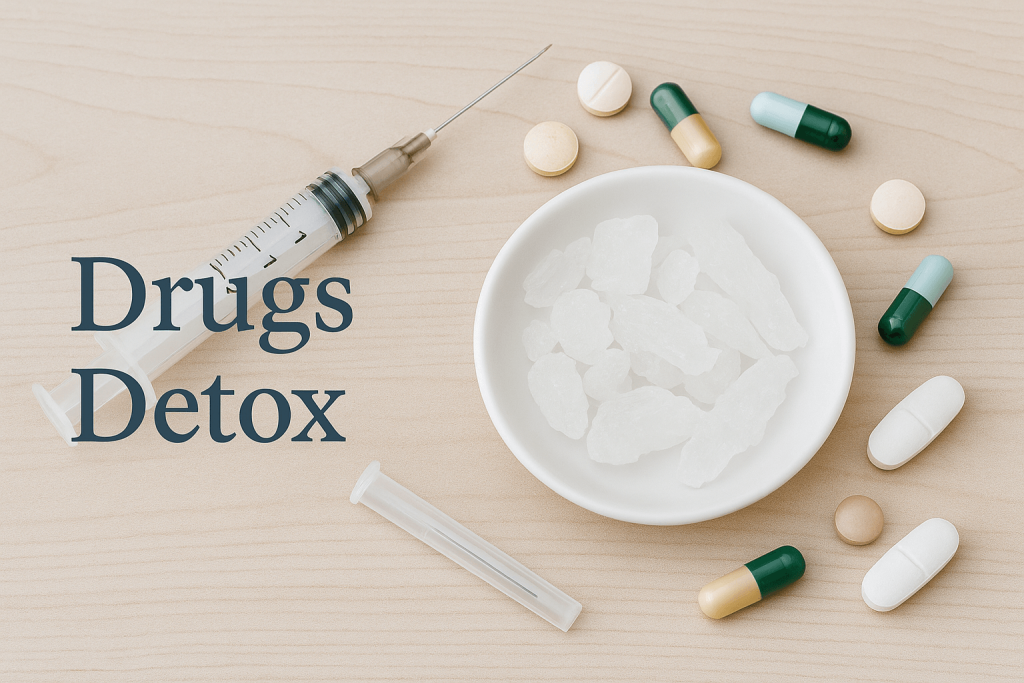
Drug detox is the first major step toward recovering from addiction. It helps the body remove harmful substances while keeping the person safe and stable. Many people think detox is simple, but the process involves careful planning, medical support, and constant monitoring. The body and brain react strongly when drugs are removed, which is why professional care is so important. A proper detox prepares people for therapy, healing, and long-term recovery.
Addiction affects how the brain works, and stopping suddenly can cause painful or dangerous withdrawal symptoms. Detox helps manage these changes in a controlled and supportive environment. With the right plan and trained professionals, people can move through withdrawal with less fear and more comfort. Once detox is complete, they are ready to continue treatment and begin their recovery journey with a clearer mind and a stronger body.
Key Takeaways
- Drug detox removes harmful substances from the body in a safe and controlled way.
- Withdrawal symptoms can be physical, emotional, or both, and often need medical support.
- Detox programs vary by level of care, including outpatient, residential, and inpatient options.
- Medications may help reduce cravings, stabilize vital signs, and ease discomfort.
- Rapid and ultra-rapid detox methods carry serious risks and are not recommended.
- A full recovery plan begins after detox, with therapy and long-term support.