
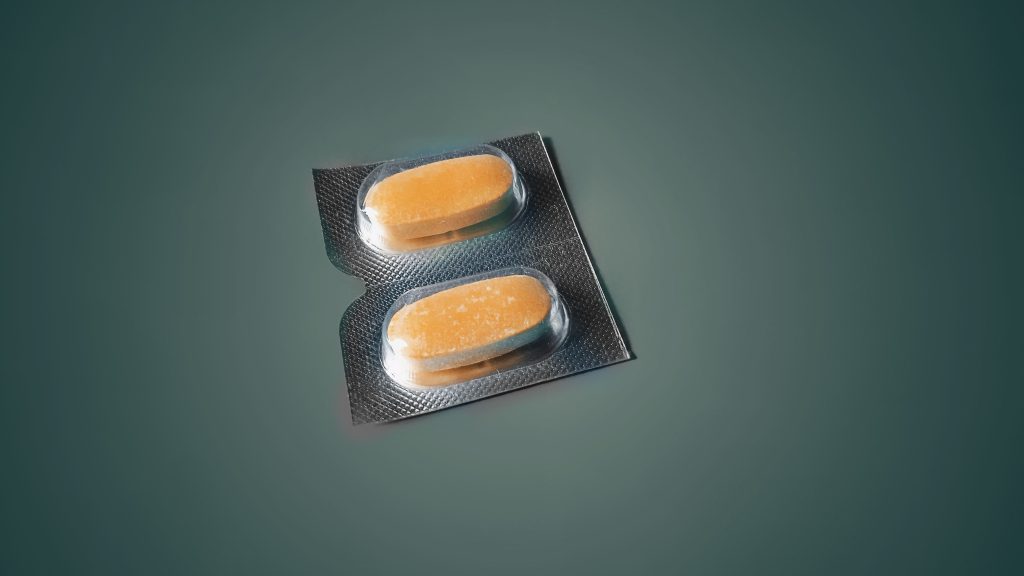
- Iintroduced to the world in the 1960s, Ritalin is a stimulant medication commonly prescribed to manage attention deficit hyperactivity disorder (ADHD).
- It contains methylphenidate, a famous focus-booster and cognitive enhancer that floods the brain with dopamine to sharpen it.
- Despite the numerous benefits that methylphenidate or Ritalin carries, it is also capable of triggering certain side effects.
Iintroduced to the world in the 1960s, Ritalin is a stimulant medication commonly prescribed to manage attention deficit hyperactivity disorder (ADHD). It contains methylphenidate, a famous focus-booster and cognitive enhancer that floods the brain with dopamine to sharpen it.
Despite the numerous benefits that methylphenidate or Ritalin carries, it is also capable of triggering certain side effects. Given its easy availability, anyone can easily misuse it, which only negatively impacts the quality of life and overall health. The side effects of Ritalin, when you first start using it, are usually temporary. However, with time, these adverse effects start getting a hold of the entire body, eventually causing irreparable damage. If you or someone you love has been abusing Ritalin for a long time, an urgent referral to rehab is imperative to stop and reverse the damage before it is too late.
FAQs
Yes, just like Adderall, Ritalin also belongs to the drug class of stimulants. However, you cannot use both interchangeably as they contain different types of salt in their compositions. For example, Adderall is an amphetamine-type stimulant, whereas Ritalin contains methylphenidate as its primary stimulating agent.
Ritalin is not necessarily bad for you, especially if you use it on a doctor’s advice to treat an underlying psychiatric disorder, such as ADHD. It is unlikely to cause any side effects as long as you continue using it in the recommended dose and for the recommended amount of time. However, messing with the dose, continuing to use it even after the prescription expires, or using it recreationally can lead to habit formation and tolerance. Also, overdosing can result in severe blood pressure and cardiac issues that may prove fatal.
The mechanism of action that Ritalin follows involves increasing the dopamine levels in the brain. Dopamine is the same chemical naturally produced by the body to reward the brain in everyday situations. Because of the surge in dopamine due to Ritalin, users can develop feelings of extreme euphoria and happiness, otherwise known as a “high.” However, most people can only experience this high if they use Ritalin in higher than prescribed amounts. (source: FindTreatment.gov, 2025)
While relying on home remedies may seem like the best natural alternative to coming off any medication, many of these remedies do not work for addiction. In fact, some of them may come bearing severe side effects. Certain remedies for Ritalin addiction involve using other drugs to ease withdrawal pains. While this method can work, it is better to perform it under the supervision of a qualified physician.
The detox and therapeutic management process for Ritalin addiction can vary depending on the length of use and the exact dosage. Most rehabs can provide an estimated time frame after assessing your circumstances. Getting in touch with the rehab of your choice and enquiring about the schedule is best.