

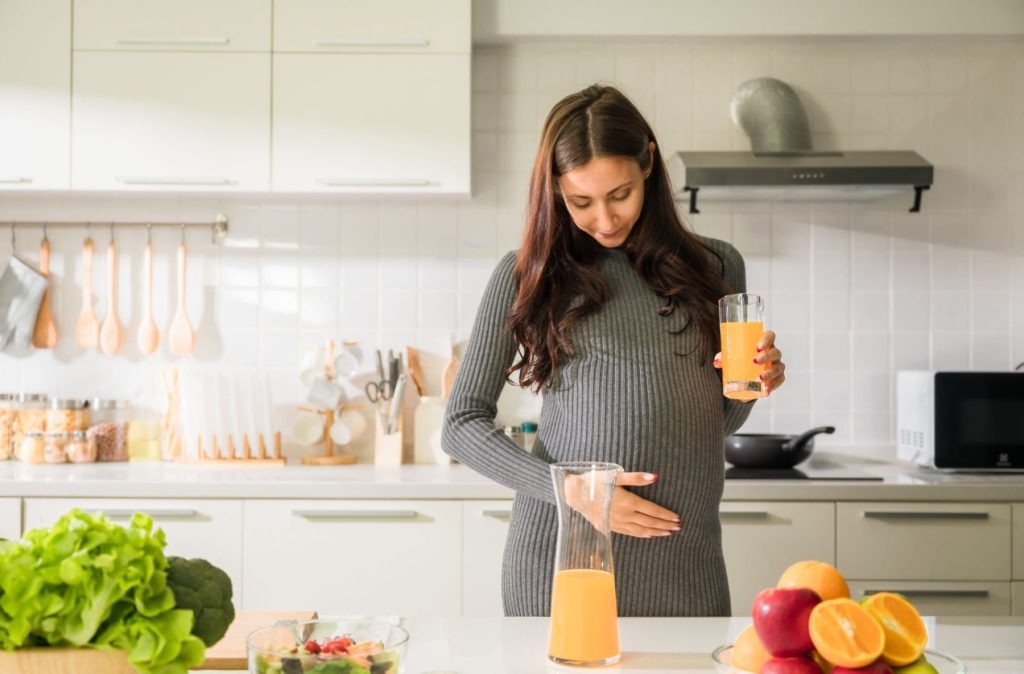
- As per the National Survey on Drug Use and Health, over 5.5% of pregnant women aged 15 to 44 were deemed current illegal drug users on average between 2012 and 2013.
- According to the Centers for Disease Control and Prevention (CDC), up to one out of every ten pregnant women uses alcohol.
- Furthermore, as per a national study conducted in 2012: Unlawful substances were taken by 9 percent of pregnant women.
As per the National Survey on Drug Use and Health, over 5.5% of pregnant women aged 15 to 44 were deemed current illegal drug users on average between 2012 and 2013. According to the Centers for Disease Control and Prevention (CDC), up to one out of every ten pregnant women uses alcohol. Learn more about detox for pregnant women.
Furthermore, as per a national study conducted in 2012:
- Unlawful substances were taken by 9 percent of pregnant women.
- Alcohol was consumed by 5 percent of the participants.
- Only 9 percent of people smoked cigarettes.
- Over 380,000 infants have been exposed to illegal substances, over 550,000 to alcohol, and over 1 million to cigarettes while still in the womb.
While pregnant, drinking alcohol or taking drugs can affect not only the mother but also the unborn baby because these chemicals pass the placenta to some extent. According to the National Institute on Drug Abuse (NIDA), based on the substance consumed, substance abuse might double or even triple the chance of stillbirth. Persistent alcohol or drug abuse in pregnancy can lead to fetal alcohol syndrome (FAS), various birth defects, early birth, miscarriage, neurological problems, low birth weight, and kids born addicted to opioids (neonatal abstinence syndrome, or NAS).
Medical detox is the safest and most comfortable approach to cease taking addictive substances, and it’s especially important for pregnant women. Detox is the process of removing toxins from the body over a few days to a week in a residential or outpatient program. Medical detox is more complete, including expert monitoring 24 hours a day, and may include medicine to help with withdrawal symptoms and drug cravings. Expectant mothers should be monitored even more closely than the general public, as several prescription drugs might cause difficulties if they are not used with correct medical expertise, attention, and supervision.
Because withdrawal symptoms can be extremely dangerous to the fetus, detoxing during gestation should be closely managed by highly qualified doctors. As a result, if a pregnant woman is physically addicted to a substance, medical supervision throughout detox is the safest option for both the mother and the unborn child.
While the idea of detoxing while pregnant may make some people nervous, it is the wisest choice. A mother can achieve the safest state feasible for the birth of their kid by detoxing. As a result, the best method to ensure a healthy start for a baby is to enroll in a detoxification program as quickly as possible after learning they are expecting a child. Not only detoxification programs for various substances like alcohol, heroin, cocaine, prescription drugs, opioids, and weed detox while pregnant at the premium detox center; we also can provide gender-specific treatment that can help expectant mothers not only work through their withdrawal but also identify their underlying addiction issues. (source: SAMHSA, 2014)
It’s critical to seek help since drug and alcohol abuse can have major consequences for pregnancy, including:
Termination of pregnancy, stillbirth and a variety of lasting congenital and developmental abnormalities can all result from drinking during pregnancy. Fetal alcohol spectrum disorders are the name for these conditions.
Preterm birth, poor fetal growth, stillbirth, particular congenital impairments, and neonatal abstinence syndrome have all been linked to opioid use during pregnancy.
Marijuana or the use of weed during pregnancy has been associated with low birth weight in several studies. It may also raise the likelihood of a child’s developmental issues, such as attention and learning difficulties.
Stillbirth, fetal alcohol syndrome (FAS), congenital impairments, premature birth, miscarriage, low birth weight, neurological abnormalities, and neonatal abstinence syndrome are all risks associated with substance abuse. Continued alcohol or drug use while pregnant can increase the risk of these health problems by two to three times. The best approach for women who are pregnant to ensure the health of their fetus is to maintain their health. This involves enrolling as quickly as possible in an alcohol or drug detox program. (source: NIDA, 2024)
Addiction is a condition that can occur at any time and harm anyone. Dependent people frequently continue to use alcohol or drugs while pregnant. Some women are surprised to learn they are pregnant, and they are concerned about the impact of the drugs they have taken on the fetus. Others’ addiction is so strong that they can’t quit using even when they know it’s dangerous. In either instance, finding a detoxification program at a drug and alcohol abuse treatment center is the right course of action both for mother and fetus.
Pregnant women would be able to work over withdrawal symptoms under medical supervision during detox. The duration and intensity of withdrawal will vary based on the person, substance, and duration of dependency. Individuals can start the healing process with the proper use of drugs in a secure, comfortable environment. For those who are pregnant, this implies they will be stronger and healthier before giving birth, increasing the chances that their child will be delivered well and without complications.
Natural detoxing while expecting a baby can be a risky and life-threatening method due to the wide range of side effects. Women find it tempting, and to the greatest advantage of their baby, to abruptly discontinue all drug usage once they learn they are pregnant. Some people look for detox drinks that are safe to drink during pregnancy on the internet. Others opt for holistic detoxes. Although some drug detox drinks on the marketplace promise to detoxify the body quickly, they do not address the overpowering drug craving. Their effectiveness is also unproven.
How Long to Detox from Alcohol?
Furthermore, if the fetus has been addicted to the medication, a quick detox cleansing can trigger withdrawal symptoms. As a result, these activities may be more damaging to both the mother and the fetus.
Home drug detoxification is dangerous, especially when you’re pregnant and the side effects are amplified. The mother or her relatives would not know how to handle the various issues that come with drug withdrawal in an unsupervised home environment. Both the mother and the child are at risk. However, inpatient detox is the safest option, several women refuse to do it while pregnant. In such cases, it is strongly advised to detoxify in an outpatient facility under medical supervision rather than cleansing out the system at home while pregnant. (source: NIH/MedlinePlus, 2024 (NAS))
Professionals have developed particular detox procedures for pregnant women, which are recommended by health groups such as the Substance Abuse and Mental Health Services Administration (SAMHSA). These measures can only be implemented safely and successfully by medical professionals.
Medical Examination
When you are pregnant, detoxing from any form of substance usage can be dangerous for both you and your developing baby. To know your overall fitness and the advantages and hazards of detox medicines that help with withdrawal symptoms, you’ll need to get a full medical evaluation. If you have a physical addiction to these substances, alcohol detoxing and sedative/hypnotic drug detoxification can be fatal. Based on your unique condition, your doctor can identify the appropriate medicinal treatments to keep you and your child safe during detox.
Dealing with Symptoms Of withdrawal
When it comes to handling symptoms of withdrawal in expectant mothers who are addicted to alcohol or drugs, there are a few things to keep in mind. For example, medicines are occasionally provided to alleviate the discomfort that can accompany alcohol or drug withdrawal. A clinician understands: (source: WHO, 2014)
- Which detox treatments are safe to take while pregnant?
- What are the safest doses?
- Pregnant women should follow the safest drug taper schedules.
- Alternative pain management methods that are potentially safer than some medicines.
Prenatal Treatment
Medical detox and addiction therapy should always involve obstetrical care if you are pregnant. Regular obstetric checkups can help you avoid issues and keep track of your child’s development and growth. Some addiction treatment clinics have on-staff specialists who can provide this specialist treatment, whilst others link you with outside physicians during your stay.
Education on Addiction
A detox program isn’t enough to keep you and your child protected from the impacts of alcohol and drugs. You won’t be able to comprehend why you use substances or build the positive coping mechanisms you’ll need to stay sober without treatment. Your detox team can assist you in finding the right addiction treatment facility for you and your child, as well as connecting you with programs that will keep you and your newborn healthy.
Various substances of abuse will cause different symptoms of withdrawal and associated issues. A person’s dependence on a substance can be influenced by a variety of factors, including the class of medication used, the technique of abuse (swallowing, smoking, injecting, or snorting), the duration they’ve been abusing it, the quantity abused each time, genetic and biological factors, and environmental variables. The severity and duration of withdrawal are affected by the extent of reliance. In general, the more reliant a person is on a drug, the greater the chance of difficulties and risk factors during withdrawal. (source: ACOG, 2017)
Stopping certain mind-altering drugs that are deemed addictive, either illegal or prescription, “cold turkey” is not suggested. This abrupt halt can drive the brain to try to regulate itself, resulting in psychological and physical withdrawal symptoms. When a person is detoxing while pregnant, there are several potential issues and symptoms to be mindful of, which are mentioned below for various substances of abuse.
Prescription opioids and Heroin (Vicodin, OxyContin, fentanyl, morphine): Opioid withdrawal syndrome can include joint and muscle pain, chills, sweating, restlessness, insomnia, increased blood pressure and heart rate, tremors, tearing, yawning, nausea and vomiting, runny nose, and diarrhea, and is often compared to a bad case of the flu. Unborn newborns may have respiratory depression as a result of abrupt opioid withdrawal, which can result in the fetus not getting enough oxygen and maybe lethal, according to MinnPost. Opioid withdrawal can cause depression and anxiety in people, which can be exacerbated by pregnancy stress and hormones.
Cocaine and other stimulant substances (methamphetamine, Ritalin, Adderall, and other ADHD medications): Stimulant withdrawal is by far the most emotionally distressing because, when abused, these substances can provide tremendous euphoria by changing neurochemistry involved in reward and pleasure. Severe depression, difficulty feeling happy, powerful drug cravings, and even thoughts of suicide or impulses may occur once they are discontinued, which may be worsened by pregnancy.
Alcohol: Stopping drinking suddenly after developing a dependent can be life-threatening, resulting in seizures, hallucinations, delirium (called delirium tremens, or DTs), and confusion. Both the mother and the fetus can die as a result of DTs. Headaches, anxiety, dizziness, decreased memory, slowed cognitive processes, stomach discomfort, diarrhea, nausea and vomiting, hypertension, depression, tachycardia, sweating, exhaustion, irritability, sleeplessness, and muscle weakness are some of the physical and emotional side symptoms of alcohol withdrawal.
Benzodiazepines (Klonopin, Ativan, Xanax, Valium): These anti-anxiety and sedative prescription medications decrease the central nervous system’s activities. As per the labeling information for Xanax (alprazolam) issued by the United States Food and Drug Administration, or FDA, a dependency can develop in a matter of weeks, even with legal medical use. Once a reliance has developed, abruptly discontinuing these medicines may cause brain damage to rebound. Insomnia, anxiety, depression, restlessness, irritability, seizures, elevated blood pressure, heart rate, and body temperature are all possible side effects of benzodiazepines withdrawal, which can be fatal to both the mother and fetus.
Medical detox, particularly in programs customized to the circumstances and needs of pregnant women, is frequently regarded as the safest and most convenient method of detoxing drugs out of the system. (source: NHS, 2023)
It may be enticing to quit all drug usage as soon as a pregnancy is discovered; nevertheless, this can be extremely upsetting for both the mother and fetus. Rather, a medical detoxification program can assist the expectant mother in safely discontinuing drug usage while also managing any withdrawal symptoms that may arise.
Based on what is needed or thought appropriate, medical detox can be delivered in an inpatient or outpatient setting, however, inpatient detox is often suggested for expectant mothers. Both the fetus and the mother have the potential for seizures during alcohol and benzodiazepine withdrawal. Dehydration and a lack of key minerals and vitamins are two side effects of alcoholism that must be constantly monitored during detox since they can affect both the mother and the baby. Medical detoxification can provide 24-hour monitoring of vital signs and psychological health to assure safety and security while also preventing self-harm.
Methadone replacement and maintenance have long been accepted for usage during opiate withdrawal during pregnancy. Due to a pregnant woman’s higher metabolism, methadone dosages may be divided for the medicine to keep functioning in the system. Methadone, however, still poses a risk of addiction thus other alternatives may be preferable. In recent research published by the American Congress of Obstetricians and Gynecologists (ACOG), buprenorphine, a long-acting partial opioid agonist, has shown promise in helping pregnant women detox from opioid medications. Partially agonist opioids bind to opioid receptors to prevent or greatly lessen symptoms of withdrawal, and they can be administered in lower dosages and less frequently without causing euphoria. When possible, ACOG recommends starting opioid detox in the second trimester, while the harm of continuing to use illegal drugs as an alternative may necessitate that detox should begin sooner.
Even when a person is pregnant, medications can be helpful during detox because the potential adverse effects of the pharmaceuticals are frequently less severe than the withdrawal syndrome or ongoing drug use. Individuals might seek medical advice to help them consider their alternatives. During detox, co-occurring mental health or medical disorders must also be recognized and managed. Antidepressants, for example, maybe required as adjunct drugs, and psychological health or medical expert can choose the one with the fewest risks.
According to the Primary Care Companion to the Journal of Clinical Psychiatry, cocaine detox during pregnancy is mostly supportive, however, mood-stabilizing medicines may be beneficial. Because of the risk of seizures during alcohol withdrawal, short-acting benzodiazepines may be required. Because pregnant women absorb these medicines at a higher rate than others, they may be administered more frequently during an inpatient detox program, as much as once every hour for five days or so. Clonidine, a blood pressure medicine used off-label for the treatment of benzodiazepine and alcohol withdrawal, may be useful during detox and is considered safe to use during pregnancy. (source: FindTreatment.gov, 2025)
The best way for detoxing while pregnant is to use a holistic approach that includes both specialist and supportive care and helps a woman safely detox from drugs, frequently with the use of pharmaceuticals.
According to the journal Obstetrical & Gynecological Survey, postpartum discomfort and the emotional toll of labor, birth, and new parenthood can be relieved by transitioning to a drug abuse treatment program and/or an addiction specialist after the baby is delivered. This demographic is served by specialized programs that address potential relapse triggers and assist new mothers in starting over and staying healthy.
Instead of seeing a clinician, some women continue to take drugs or quit cold turkey when they learn they are pregnant. It may, in the end, cause more harm than benefit. In such circumstances, inpatient detoxification is the most advised alternative.
Most women find it difficult to locate a suitable detox center once they decide to detox during pregnancy. Only a quarter of rehabilitation institutions provide services for pregnant women, even though many offer extensive programs and therapy. This is because safe detoxing while expecting a baby is more complicated and demanding than typical detoxing for men and women. To create pregnancy-safe detox regimens, a professionally qualified medical team must be incorporated.
An expectant mother who has decided to avoid abusing drugs should contact top-rated drug rehab centers in her area to see whether they offer pregnancy detox programs. The mother should then visit and compare these programs to ensure that she feels comfortable and secure at the institution. The programs are meant to be confidential, private, and judgment-free in general. The medical staff at the centers is empathetic to the hardships of addiction and recognizes the importance of a mother’s recovery. Some facilities even provide free medical detoxification.
FAQs
The Article
References
- National Institute for Health and Care Excellence. (2021). Pregnancy and complex social factors: A model for service provision for pregnant women with complex social factors. [nice.org.uk]
- Cochrane Library. (2020). Psychosocial interventions for pregnant women in outpatient illicit drug treatment programs compared with other interventions. [cochranelibrary.com]
About This Article
✔ Medically Reviewed
✔ Evidence-Based Sources
✔ Updated Regularly
✔ Clinically Verified
This article was written by THE BALANCE’s clinical content team and reviewed by a licensed medical or mental health professional (such as an MD, psychiatrist, clinical psychologist, or equivalent). Our reviewers ensure that the information reflects current research, accepted medical guidelines, and best practices in mental health and addiction treatment. THE BALANCE’s medical editors draw on extensive real-world clinical experience supporting individuals in residential, outpatient, and luxury private treatment settings across Europe and internationally.
Editorial Standards & Integrity
THE BALANCE follows strict editorial and clinical review standards to ensure accuracy, balance, and reliability:
- All medical statements rely on authoritative sources such as the WHO, NIMH, APA, NHS, CDC, and SAMHSA
- Statistics use the most recent and reliable research available
- No medical or therapeutic claims are made without clear, verifiable evidence
- Content is reviewed and updated regularly to reflect evolving science, treatment guidelines, and clinical best practices
- Commercial interests do not influence clinical accuracy; all clinical insights are reviewed independently
- Recommendations include context, limitations, and alternatives where appropriate
How We Review Sources
- Our clinical writers and editors rely on:
- Peer-reviewed research and meta-analyses
- National and international treatment guidelines
- Professional bodies and regulatory authorities
- Verified public data from reputable institutions
We do not use anecdotal reports, unverified claims, or commercially biased sources. Every factual claim is supported by established evidence.
Conflicts of Interest
THE BALANCE provides private mental health and addiction treatment services. However, our clinical reviewers ensure that all content remains objective, non-promotional, and balanced. When discussing treatment options, we outline limitations, risks, and alternatives. Our priority is reader safety and informed decision-making.
How to Use This Information Safely
Mental health and addiction conditions are complex and vary significantly between individuals. The information in this article is provided for general educational purposes only and should not replace professional medical advice, diagnosis, or treatment. If you or someone you know is experiencing symptoms, seek guidance from a qualified healthcare professional. To maintain accuracy and trust, THE BALANCE updates articles regularly as new research and clinical guidance become available.
Do you need help?
If you’re struggling, you don’t have to handle it alone. Support is available - whether you’re feeling overwhelmed, anxious, depressed, or dealing with alcohol or drug-related concerns. If you feel unsafe, are at risk of harming yourself, or someone else is in immediate danger, contact your local emergency number immediately.
Talk to Someone Now (Free & Confidential)
Choose your country to find a trusted helpline near you:
Spain
- Suicide & emotional crisis helpline: 024 (24/7, free, multilingual)
- Samaritans in Spain: 900 525 100 (24/7)
Switzerland
- Die Dargebotene Hand / La Main Tendue: 143 (24/7)
- Pro Juventute (youth): 147
United Kingdom
- Samaritans: 116 123 (24/7, free)
- NHS urgent mental health support: call 111 (24/7)
United States
- 988 Suicide & Crisis Lifeline — call, text, or chat 988 (24/7)
Canada
- 9-8-8 Suicide Crisis Helpline — call or text 988 (24/7, nationwide)
- Talk Suicide Canada (alternate): 1-833-456-4566
France
- National suicide prevention number: 3114 (24/7, free)
Germany
- TelefonSeelsorge: 116 123
- Alternate numbers: 0800 111 0 111 / 0800 111 0 222
Italy
- Telefono Amico Italia: 800 860 022 or 02 2327 2327
Not an Emergency, but You Want Support?
If you’re not in immediate danger but are worried about yourself or someone you care about, reaching out early can make a meaningful difference.
Explore Care Options Near You
This website lists verified mental health professionals, addiction specialists, and treatment programs searchable by country and location. Use the “Find treatment” / “Providers” section to explore available options.
Or Reach Out to Us
If you’d like help understanding next steps, you can contact our team confidentially. We’ll listen without judgment and help you explore appropriate options.
Contact our team
- Phone: +41445005111
- Email: help@thebalance.clinic
- Availability: Mon–Sun, 07:00–22:00 CET
Not sure what to say? You can simply write: “I need help.” We’ll take it from there.

