

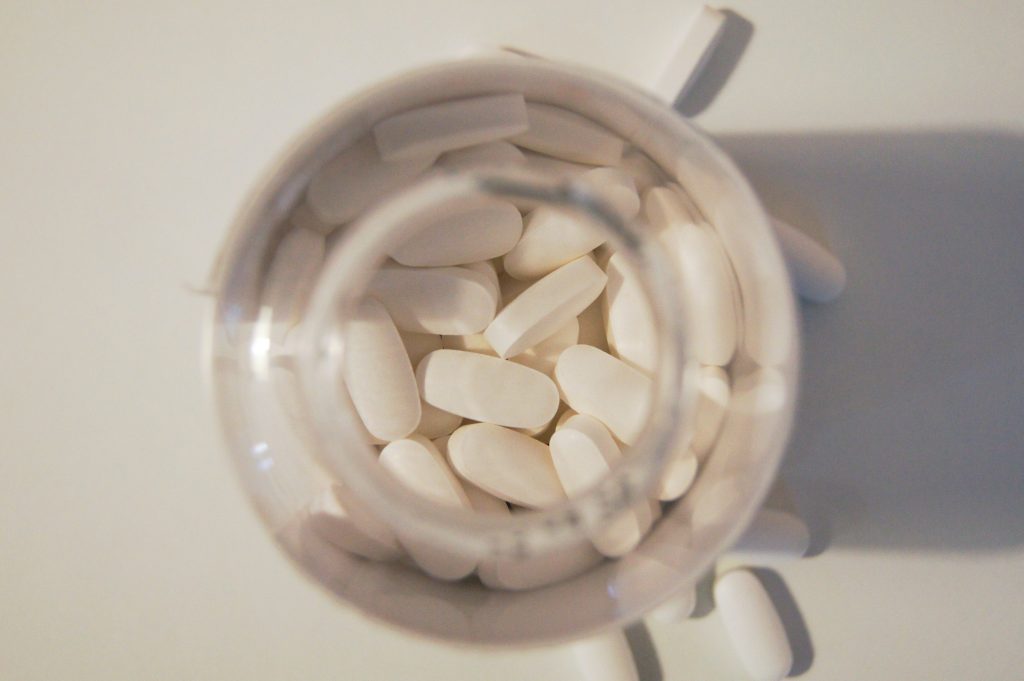
- These drugs are used to treat anxiety disorders, insomnia, panic attacks, and active seizures, including status epilepticus.
- For optimal results, the dose and administration of Lorazepam are determined according to the patient's response.
- For people struggling with anxiety, the only solution they want is to relieve them from the stress immediately.
Ativan is a sedative that belongs to a class of drugs called benzodiazepines. These drugs are used to treat anxiety disorders, insomnia, panic attacks, and active seizures, including status epilepticus. Due to its fast-acting properties, Ativan is prescribed for short-term treatment. Nevertheless, people who urgently need to manage chronic symptoms or seek comfort from these drugs have a high potential for Ativan addiction
Lorazepam is the generic name of Ativan that is inexpensive in comparison to the branded version. You may have heard doctors refer to Lorazepam as a sedative. The reason being? Well, these drugs slow down the overactive mental process by blocking the GABA neurotransmitters that relax your brain. Lorazepam ranked #48 among the list of the 200 most frequently prescribed drugs, according to pharmacy times
Ativan is either consumed orally or administered intravenously. For optimal results, the dose and administration of Lorazepam are determined according to the patient’s response. However, there is always a risk of developing Ativan dependency. Doctors also use Ativan as an analgesic before surgery. Questions like can you get addicted to Ativan? Is Ativan addictive in small doses? What are the long-term effects of Ativan use disorder? Can Lorazepam kill you? might pop in your head.
For people struggling with anxiety, the only solution they want is to relieve them from the stress immediately. This immediate relief comes in the form of Ativan, also known as Heavenly Blues. As the name suggests, Ativan acts as a sedative that has a soothing effect after its use.
With prolonged use, it is not difficult to enter the well of Ativan abuse. So, how long does it takes to get addicted to Ativan? Although there isn’t a set timeline for Lorazepam (Ativan) addiction development, people who self-medicate or abuse Ativan for medicinal purposes are more likely to become addicted.
People who use Lorazepam in strict accordance with the prescribed dose are unlikely to develop Ativan addiction. However, the soothing effect can lead to avoiding the Ativan warning signs listed by the doctor or on the prescription bottle.
The number of factors contributing to Ativan abuse is primarily the instant relief of psychological stress that no other drug can provide. People with a history of drug abuse or previous untreated mental health problems are at significant risk of developing Lorazepam Dependency.
People with Lorazepam dependence often have difficulty controlling their cravings. Despite the health risk, they continue to abuse Ativan in small doses. Hence, the question ‘Is Ativan addictive in small doses?’ can put users into confusion. The answer to this question depends on the person using Lorazepam.
Related: Fentanyl Addiction and Symptoms of Abuse
When we talk about the dangers of Lorazepam abuse, questions like ‘Is Lorazepam addiction worth the health risk that abusers ignore?’, ‘Can Lorazepam kill you?’ are often taken into consideration.
From an ethical point of view, it’s not, but it is the only way to be out of touch with reality for those who want an escape and need to calm down. As far as death is concerned, drug addicts often reach a point of no return when Lorazepam addiction takes over their rational thought process.
Escape from reality is achieved when Ativan slows down the chemical signals the neurotransmitter GABA receives in the brain, which usually has a calming effect. This effect is perceived as a ‘high’ among people when lorazepam addiction takes hold.
Note: GABA is an inhibitory neurotransmitter that reduces the activity of your nervous system
Lorazepam (Ativan) is available depending on the form and strength. This cheap version of the drug has the same effect as the trade name. To prevent serious health risks, it is recommended for short-term use. Long-term side effects of Ativan appear when Lorazepam is misused for an extended period.
Once your body develops tolerance to Lorazepam that exceeds the recommended dose, your ability to function without Ativan will affect your overall well-being. This is an alarming sign that points toward dependence on Lorazepam.
Doctors list down the warnings that come with Ativan; however, for the sake of momentary high, people with addiction are more likely to choose Lorazepam overdose.
Ativan addiction in the first place stems from the gradual transition to abuse and a strong dependence on Lorazepam. This progress is obvious for those who are unwilling to draw the line between use and abuse.
To save your loved ones from the long-term effects of Lorazepam use disorder, let us first understand how dependence on Ativan develops in the first place.
The most frequently asked question is ‘how does Ativan addiction begin?’ the answer to this question lies in the number of times Lorazepam has been injected into your system.
A study published in American Family Physician showed that Ativan works rapidly to alleviate symptoms that patients with anxiety disorder often seek. Dosage recommendation varies based on short-term, intermittent, and as per needed use.
So, can Ativan be addictive in small doses? Absolutely. To seek escape from all the pressure clouding the mind, patients of Ativan abuse consume more than prescribed. This consequently leads to greater development of tolerance than as needed.
With time the use of Lorazepam has become a full-scale abuse, which brings serious health risks.
Although there are numerous reasons why Ativan abuse occurs, there are two ways people choose to abuse Ativan.
- Usually, a fast-dissolving solid
- A colorless concentrated liquid solution of Ativan that is injected intravenously
Ativan Dependence Symptoms
You must have heard the term excess of everything is bad; just like that, this term is also implied when it comes to Lorazepam dependency. When you start to increase your dose, you will gradually become more and more dependent, to feel ‘normal.
Lorazepam tolerance develops rapidly, which means that if you take it for a long time, the body will become physically dependent on it. People often find the need to take these drugs in higher dosages to achieve the same initial effects. Therefore, Lorazepam is a serious hazard for your health.
Ativan has a higher potency that leads users to tolerate Ativan much faster than other benzodiazepines. Without Lorazepam, people often experience recurring symptoms or think they cannot live without it.
So the question is, ‘is it worth the risk?’ A patient might say no after weighing out the health risk, but it is worth their life for people who seek momentary ‘high.’
Some of the reasons why people ignore the potential warning signs of Ativan use Disorder are:
- Muscle relaxation
- Feeling calm
- Drowsiness
- A state of euphoric ‘High’
The relaxing effects of Ativan, when combined with alcohol and other potent forms of Benzodiazepine, are stronger. That is why before prescribing the prescription drug, the doctor will list warnings when using Ativan.
The doctor will prescribe Ativan as a short-term treatment for 3-4 months to avoid physical and mental dependence. Ativan abusers experience different effects.
However, people using Ativan for medicinal purposes easily exceed the limit. To prevent the risk of abuse, doctors advise against using this drug in combination with alcohol or other drugs.
Related: Tramadol(Ultram) Abuse and Side Effects
With the increasing use of Lorazepam, people find ways to make the most of the Ativan combination, which originally is an escape route that abusers are looking for but has long-term side effects.
According to Government statistics, referrals for substance treatment for Benzodiazepine in combination with abuse of other medication gradually increased between 2000 and 2010.
Symptoms of Ativan use order occur during periods of frequent abuse or withdrawal. Some of the psychological, behavioral, and biological signs of possible Ativan misuse are listed below:
- Loss of appetite
- Constipation
- Blurred vision
- Asking family or friends for the prescription dose of Ativan.
- In severe cases, coma or convulsions may occur when combined with alcohol.
- Muscular cramps
- Slow Breathing
- Loss of control on body movements
Ativan is the drug of choice, individuals who abuse Benzodiazepine alone or in combination with multiple drugs. Understanding the symptoms of Ativan abuse can help prevent overdose.
Did you know 50 thousand people were admitted to the emergency room in 2011 due to Lorazepam (Ativan) complications?
This is the price that people paid for spiritual liberation alone. You can see that once you step on the road of drug abuse, it is not so difficult to ignore your mental and physical health. Then the dangers and warning signs seem to disappear.
For a while, you may not feel the changes your body goes through once it has adjusted to the presence of Lorazepam in the system, but in the long run, it doesn’t take much time for short and long-term side effects of Lorazepam to manifest.
Short-Term Side Effects of Lorazepam Use
Before using any prescription drug, frequently asked question by the patient is “what are the side effects of the prescribed 1mg dose of Ativan?’ Due to health concerns, patients often get worried, yet short-term side effects of Ativan resolve on their own within few weeks. Some of them are as follow:
- Decreased sense of worry, tension, and generalized anxiety
- Increased self-esteem
- Feeling drowsy
- Increased feeling of euphoria, which is generally perceived as ‘high’
However, the desire to achieve these effects is reduced once the user has developed tolerance to the drug. With increasing tolerance levels, the drug is not as effective as it was initially.
Read about Morphine Addiction and its side effects
Now you know that Ativan is the most potent benzodiazepine drug and why doctors recommend small dosage, but people still tend to take a destructive route, leaving behind a series of long term side effects that changes the entire course of their health
Long-Term Side Effects of Ativan Abuse
The recommended dose of Ativan is 1 mg which a doctor prescribes within the range of an individual’s tolerance. This dosage can also pose the dangers of Lorazepam use once gradually increased to avoid adverse effects when needed. Ultimately causing long-term side effects to wreak havoc on the body when consumption exceeds the prescribed amount. These side effects bring various changes to different parts of the body, namely:
Cognitive Impairment
Although Lorazepam can relieve mental health problems, if taken in excess, it can cause cognitive impairment. This can lead to an increased risk of memory loss, Alzheimer’s disease, and dementia. Symptoms of cognitive deficits subside with the discontinuation of drugs.
However, the elderly experience adverse symptoms due to a decline in cognitive abilities associated with aging.
Liver Damage
Misuse of Ativan increases the number of enzymes in the liver, indicating liver damage. The most common symptom of liver damage is jaundice, which results from Ativan use disorder.
Drowsiness
Ativan, when abused, can be as harmful as any other substance. Lorazepam is known as a central depressant drug that slows down the brain’s electrical activity, thereby reducing body function.
Weight gain
Taking Ativan slows down the functional activities of body organs, mainly affecting the digestive system, leading to weight gain.
Muscle Atrophy
Loss of muscle control is experienced due to prolong use of Lorazepam.
Additional to these symptoms, Ativan does not cause cardiovascular and respiratory depression. However, the side effects of Lorazepam with alcohol can lead to fatal overdose and, in some rare cases, hallucinations.
The sedative effects of Ativan can also cause loss of coordination, dizziness, and loss of body control.
People who rapidly decrease their dose or comply with a prescription can experience withdrawal symptoms. This generally happens because your body relied on Lorazepam to function normally.
Your brain and body have to go through a period of adjustment as it reroutes to function without Ativan.
Depending on the medical history, duration of Lorazepam addiction, and the quantity of drug used, addicts going through withdrawal will experience bodily and psychological discomfort.
Ativan Addiction Withdrawal Symptoms
Once withdrawal symptoms begin to appear, you may feel irritable and anxious for several weeks. Compared with the level before Ativan, the anxiety level is more serious.
People on the way to recovery have a hard time managing symptoms. Insomnia can enhance the effects of anxiety, and you might have difficulty getting your sleep patterns back to normal.
Common withdrawal symptoms are muscle ache, hand tremors, and headaches. Lack of attention and memory problems are frequently experienced.
Withdrawal symptoms are worst on the second day and gradually improved on the fourth and fifth days.
Potential withdrawal symptoms of Lorazepam addiction include
- Restlessness
- Hypersensitive to touch and light
- Hallucinations
- Excessive sweating
- Skin crawling, Goosebumps
- Blurred vision
- Vomiting
- Anxiety
- Seizures
- Depression
- Mood swings
- Labored Breathing
Note: Around 10-25 % of Ativan users have protracted withdrawal which means milder symptoms will appear and disappear within a few months. These symptoms usually disappear within a year.
How Long Will Ativan Withdrawal Symptoms Last?
Consuming Ativan in therapeutic doses for three to six weeks can result in physical dependence and withdrawal symptoms.
Statistics show around 40% of people on Lorazepam for more than six months face moderate or severe symptoms when the drug is stopped suddenly, whereas 60% have mild symptoms.
The intensity of withdrawal symptoms will depend on your current dose or whether you are mixing Ativan with another type of Benzodiazepine. Symptoms appear in 8-12 hours after the cessation of the drug. Ativan withdrawal has a collective impact on the one misusing the prescription and those around him.
Withdrawal is a difficult challenge with an uncomfortable experience. Regular users of Ativan will be addicted to it unknowingly. Fear and despair are some of the few feelings experienced by Lorazepam users when the drug is unavailable or when the time between doses is long.
In 2015, 9,000 people died due to Ativan overdose, which over the years increased. This data sheds light on the question that needs to be addressed ‘why is Ativan addicting?’
As discussed earlier, Ativan reduces the brain’s hyperactivity which people with anxiety are often experiencing. Lorazepam slowdowns this activity which significantly provides relief. This whole mechanism is pretty tempting to those who are seeking psychological peace.
Like any other benzodiazepine, normal users turn into addicts when Lorazepam is consumed with alcohol while ignoring the Ativan addiction signs and lorazepam side effects.
You cannot detect if someone is overdosing on Lorazepam as Ativan abusers generally appear to be high. This deadly combination eventually leads to seizures or, in most cases, fatal overdose if symptoms of Ativan overdose are not recognized in time.
Signs of Lorazepam Overdose
Symptoms of Ativan overdose that can prove to be fatal are:
- Low Blood Pressure
- Nystagmus
- Delayed reflexes
- Slurred speech
- Labored Breathing
- Irritability
- Episodes of seizures
- Extreme Confusion
- Cognitive Impairment
Prescription of Lorazepam always comes with a warning. Ativan warnings are usually listed when people experience a relapse that leads to overdosing. What happens is tolerance to Ativan decreases when people quit using Lorazepam, so when they relapse, they are overwhelmed by the intake of the usual dose. As a result, they accidentally overdose.
For this reason, it is crucial to have strict relapse measures in place to avoid any future episodes of relapse.
Lorazepam (Ativan) is very addictive. For this reason alone, doctors recommend prescription doses for short-term treatment.
However, the patient who used Ativan to treat anxiety tends to rely heavily on the drug that leads to addiction and, in most cases, overdoses. This increased tolerance has caused people who abuse Lorazepam to experience withdrawal symptoms when they stop the usual dosage.
People addicted to Lorazepam will exhibit mental and behavioral signs that are harmful to impacts those around them. Identifying substance abuse is not always easy. The only way you can help someone with Ativan addiction is to do it wholeheartedly.
One of the most popular treatments is psycho-behavioral therapy. Various theoretical techniques have determined the psychological stress that leads to addiction and the most effective way to maintain a drug-free mentality.
Family therapy is an important part of drug addiction rehabilitation. Without family support, drug addicts find it difficult to cope with withdrawal symptoms. A recovering drug addict with the backing from family can lead a healthy normal life.
So, help your loved one from destroying their life.
FAQS
The thrill of this high will eventually lead to an increased risk of overdose.
For insomnia caused by temporary situational stress, a dose of 2 to 4 mg is given before bedtime. Elderly patients are recommended doses of 1 to 2 mg/day with adjustments as needed.
The Article
References
- Restlessness [pmc.ncbi.nlm.nih.gov]
- MedlinePlus. (n.d.). Lorazepam. https://medlineplus.gov/druginfo/meds/a682053.html [medlineplus.gov]
About This Article
✔ Medically Reviewed
✔ Evidence-Based Sources
✔ Updated Regularly
✔ Clinically Verified
This article was written by THE BALANCE’s clinical content team and reviewed by a licensed medical or mental health professional (such as an MD, psychiatrist, clinical psychologist, or equivalent). Our reviewers ensure that the information reflects current research, accepted medical guidelines, and best practices in mental health and addiction treatment. THE BALANCE’s medical editors draw on extensive real-world clinical experience supporting individuals in residential, outpatient, and luxury private treatment settings across Europe and internationally.
Editorial Standards & Integrity
THE BALANCE follows strict editorial and clinical review standards to ensure accuracy, balance, and reliability:
- All medical statements rely on authoritative sources such as the WHO, NIMH, APA, NHS, CDC, and SAMHSA
- Statistics use the most recent and reliable research available
- No medical or therapeutic claims are made without clear, verifiable evidence
- Content is reviewed and updated regularly to reflect evolving science, treatment guidelines, and clinical best practices
- Commercial interests do not influence clinical accuracy; all clinical insights are reviewed independently
- Recommendations include context, limitations, and alternatives where appropriate
How We Review Sources
- Our clinical writers and editors rely on:
- Peer-reviewed research and meta-analyses
- National and international treatment guidelines
- Professional bodies and regulatory authorities
- Verified public data from reputable institutions
We do not use anecdotal reports, unverified claims, or commercially biased sources. Every factual claim is supported by established evidence.
Conflicts of Interest
THE BALANCE provides private mental health and addiction treatment services. However, our clinical reviewers ensure that all content remains objective, non-promotional, and balanced. When discussing treatment options, we outline limitations, risks, and alternatives. Our priority is reader safety and informed decision-making.
How to Use This Information Safely
Mental health and addiction conditions are complex and vary significantly between individuals. The information in this article is provided for general educational purposes only and should not replace professional medical advice, diagnosis, or treatment. If you or someone you know is experiencing symptoms, seek guidance from a qualified healthcare professional. To maintain accuracy and trust, THE BALANCE updates articles regularly as new research and clinical guidance become available.
Do you need help?
If you’re struggling, you don’t have to handle it alone. Support is available - whether you’re feeling overwhelmed, anxious, depressed, or dealing with alcohol or drug-related concerns. If you feel unsafe, are at risk of harming yourself, or someone else is in immediate danger, contact your local emergency number immediately.
Talk to Someone Now (Free & Confidential)
Choose your country to find a trusted helpline near you:
Spain
- Suicide & emotional crisis helpline: 024 (24/7, free, multilingual)
- Samaritans in Spain: 900 525 100 (24/7)
Switzerland
- Die Dargebotene Hand / La Main Tendue: 143 (24/7)
- Pro Juventute (youth): 147
United Kingdom
- Samaritans: 116 123 (24/7, free)
- NHS urgent mental health support: call 111 (24/7)
United States
- 988 Suicide & Crisis Lifeline — call, text, or chat 988 (24/7)
Canada
- 9-8-8 Suicide Crisis Helpline — call or text 988 (24/7, nationwide)
- Talk Suicide Canada (alternate): 1-833-456-4566
France
- National suicide prevention number: 3114 (24/7, free)
Germany
- TelefonSeelsorge: 116 123
- Alternate numbers: 0800 111 0 111 / 0800 111 0 222
Italy
- Telefono Amico Italia: 800 860 022 or 02 2327 2327
Not an Emergency, but You Want Support?
If you’re not in immediate danger but are worried about yourself or someone you care about, reaching out early can make a meaningful difference.
Explore Care Options Near You
This website lists verified mental health professionals, addiction specialists, and treatment programs searchable by country and location. Use the “Find treatment” / “Providers” section to explore available options.
Or Reach Out to Us
If you’d like help understanding next steps, you can contact our team confidentially. We’ll listen without judgment and help you explore appropriate options.
Contact our team
- Phone: +41445005111
- Email: help@thebalance.clinic
- Availability: Mon–Sun, 07:00–22:00 CET
Not sure what to say? You can simply write: “I need help.” We’ll take it from there.

