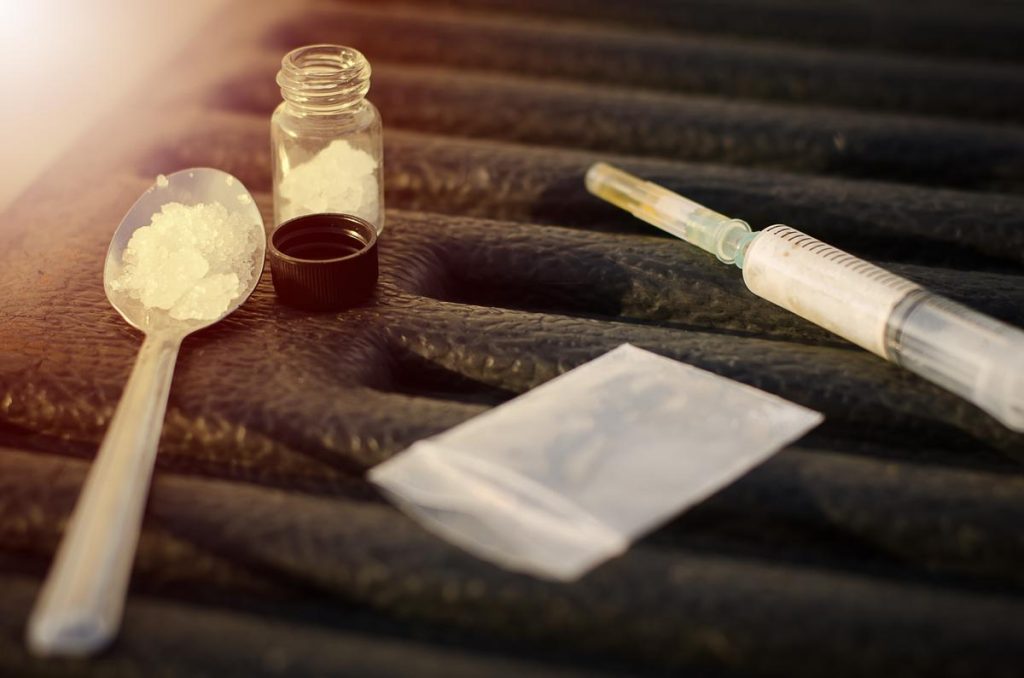
The drug gained notoriety for its highly addictive nature and the potential to cause severe physical and psychological harm. Users commonly administer it by smoking, snorting, or injecting, which can rapidly lead to addiction and compulsive drug-seeking behaviours. The drug’s affordability and accessibility have contributed to its prevalence among specific demographics.
Flakka has been associated with various adverse effects ranging from hallucinations to life-threatening complications that may cause death. The emergency department has reported cases of users exhibiting extreme agitation and displaying superhuman strength, putting themselves and others at risk.
Understanding what is Flakka and how it work can help people understand its dangerous and potentially fatal effects. It can also help control drug use amongst populations and decrease Flakka-related consequences and fatalities.
How long does Flakka stay in your system?
The detection window for Flakka in the body depends on various factors, including the individual’s metabolism, frequency of use, and the type of drug test conducted. In general, Flakka can be detected in urine for up to 2-4 days, in blood for up to 24-48 hours, and saliva for up to 1-2 days. Hair follicle tests may detect Flakka for a more extended period, up to 90 days after use.
What are common street names for Flakka?
Flakka is known by several street names, including “Gravel,” “Flocka,” “Alpha-PVP,” “Zombie Drug,” “Bath Salts,” and “Cloud Nine.” These names may vary regionally and among different user communities.
Can Flakka interact with other drugs?
Flakka can interact with other substances, including prescription medications and illicit drugs. Combining Flakka with other stimulants, depressants, or hallucinogens can lead to dangerous interactions and increase the risk of adverse effects, overdose, or life-threatening consequences.
How can I help someone with Flakka addiction?
Supporting someone with Flakka addiction requires empathy, understanding, and encouraging them to seek professional help. Offer non-judgmental support and encourage them to enter a detoxification and rehabilitation program. Provide information about treatment options, connect them with support groups, and provide emotional support throughout their recovery.
How to know if you have been drugged with Flakka?
If you suspect that you or someone else has been unknowingly drugged with Flakka, be vigilant for sudden and severe changes in behavior. Symptoms may include extreme agitation, paranoia, hallucinations, violent tendencies, and erratic or irrational actions. If you observe these signs or suspect drug use, seek immediate medical attention and inform healthcare professionals about the potential drug involved.
Who is at higher risk of Flakka side effects?
Everyone who uses Flakka is at risk of experiencing dangerous side effects. However, individuals with pre-existing medical conditions, heart problems, mental health disorders, or a history of substance abuse may be at higher risk. Adolescents and young adults are also more vulnerable to the addictive properties and severe consequences of Flakka due to their developing brains and higher propensity for risk-taking behavior.