

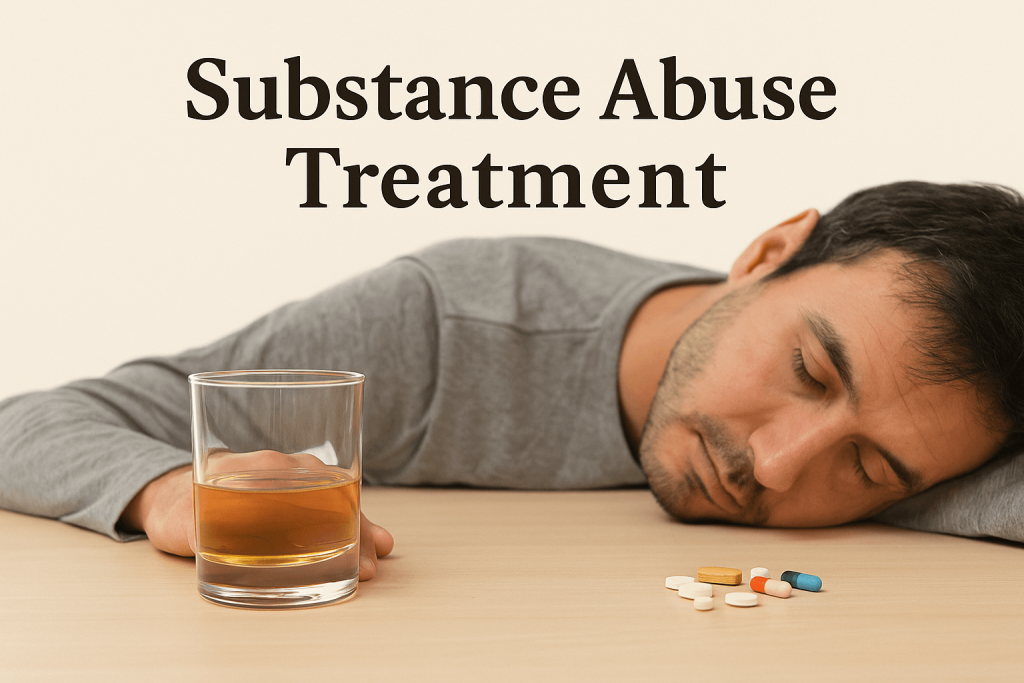
- Recovery begins with understanding what type of care fits your needs and your daily life.
- Each person has a different history, different challenges, and different goals, so treatment must match those differences.
- Modern programs focus on safety, emotional support, and long-term skills that help people stay sober.
Addiction is treatable, and many people recover with the right support. Recovery begins with understanding what type of care fits your needs and your daily life. Each person has a different history, different challenges, and different goals, so treatment must match those differences. Modern programs focus on safety, emotional support, and long-term skills that help people stay sober. Learning about these options is an important first step toward a healthier and more stable future.
Key Takeaways
• Addiction is treatable, and many forms of care can support recovery.
• Choosing the right program depends on personal needs and daily challenges.
• Treatment includes emotional support, medical care, and long-term skill building.
• Options range from inpatient care to outpatient programs and mutual support groups.
• Understanding these choices helps people take confident steps toward sobriety.
FAQs
If you know someone struggling with an addiction, you may feel confused about how to help them out. While you cannot force someone to help for substance abuse, you can certainly provide them support. If your loved one is already willing to get treatment, you can help them by researching all drug and alcohol programs nearby or offering to accompany them as they visit these rehabs. On the contrary, if your loved one is hesitant to seek help, do not try to force anything on them but continue offering them love and support. Sometimes, you can seek help from a professional interventionist who can arrange a group meeting between you and your loved one, along with other family members and friends, where you can convey your concerns to them in an amicable environment.
Research believes that people who join drug or alcohol addiction treatment programs and undergo different professional strategies are more likely to find recovery. Multiple factors contribute to how effective a treatment strategy can be, including the length of treatment, the types of therapy it includes, and the quality of interaction between clients and their treatment providers. Some positive benefits that you may expect to experience by trying out different addiction treatment strategies include the following:
Reduced criminal activity
An improved sense of overall wellbeing
Decreases substance use or even complete abstinence
Healthier relationships
Better functioning in everyday life
There is no set time for treatment for addiction to over-the-counter (OTC) drugs since every person moves through the process of recovery at a different rate. However, research generally supports spending longer time in treatments, i.e., at least three months or more, to get better outcomes. Some factors that may determine the duration of rehabilitation for OTC drug addiction include the severity of addiction, the presence of co-occurring disorders, and personal willingness to change.
Different factors affect the total cost of addiction treatment, such as:
Whether you are seeking treatment on an inpatient or an outpatient basis
Insurance coverage
The duration of treatment
The preferred level of care
Location of rehab
Medications used during treatment
Amenities that the treatment facility offers
A substance abuse inpatient rehab is generally more expensive than outpatient treatment as the former involves living on-site and availing different services, like meals, accommodation, and 24/7 supervision.
A luxury substance abuse rehab is an addiction treatment facility that goes above and beyond to ensure that clients live comfortably with various 5-star facilities. The levels of these rehabs may vary, but almost all of them are likely to include private accommodation with premium interiors and lavish bedding, an upscale treatment facility, and five-star meals prepared by gourmet chefs. Some of these rehabs that offer substance abuse treatment for executives, like celebrities and politicians, even have private villas that come with a personal chef, driver, therapist, and concierge. Almost all luxury addiction rehabs have housekeeping to tidy up the accommodations as clients immerse in other luxuries at spas, massage centers, fitness studios,and pools. Most luxury rehabs follow animal-assisted therapy, such as equine therapy, a common trend to help clients achieve healthy emotional regulation and personal responsibility.