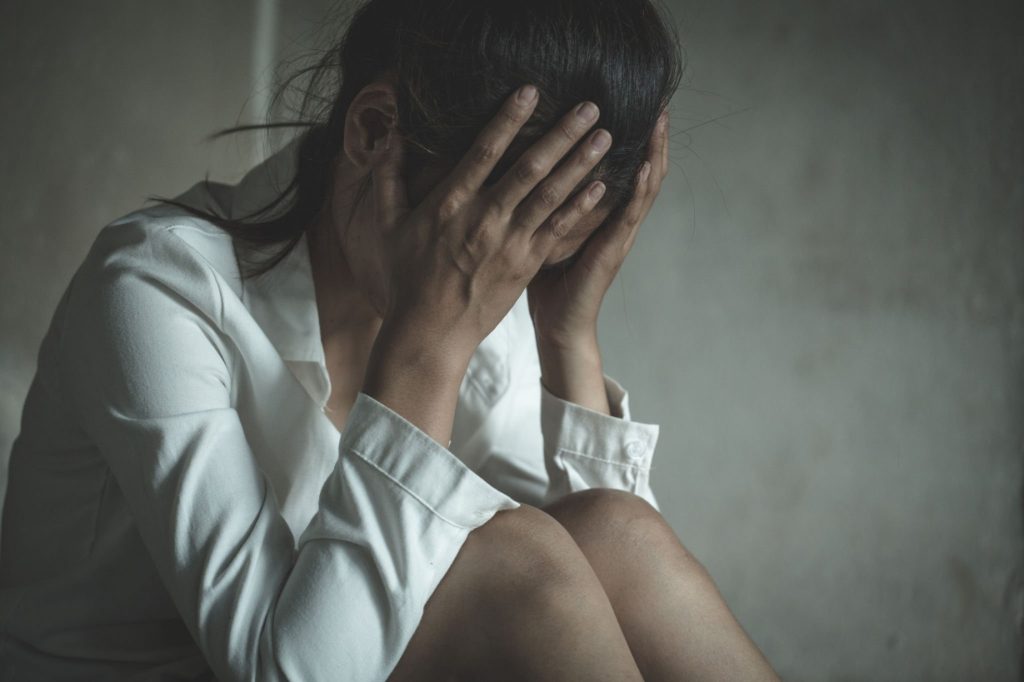
Hypersexuality after assault, commonly referred to as hypersexual trauma, represents a complex psychological response to the experience of sexual assault or trauma.
Individuals who have endured sexual violence or other types of trauma may exhibit compulsive and excessive sexual behaviors as a means of coping with emotional distress and reclaiming a sense of control over their bodies.
Survivors may grapple with a profound sense of emotional turmoil and may seek to establish a sense of connection through physical intimacy, inadvertently using hypersexual behavior as a substitute for genuine emotional intimacy.
Reading time: 10 min
Hypersexuality after assault, commonly referred to as hypersexual trauma, represents a complex psychological response to the experience of sexual assault or trauma.
Individuals who have endured sexual violence or other types of trauma may exhibit compulsive and excessive sexual behaviors as a means of coping with emotional distress and reclaiming a sense of control over their bodies. Survivors may grapple with a profound sense of emotional turmoil and may seek to establish a sense of connection through physical intimacy, inadvertently using hypersexual behavior as a substitute for genuine emotional intimacy.
Understanding and addressing sexual abuse and hypersexuality resulting from it necessitates a comprehensive approach that combines therapy, support groups, and education, emphasizing the importance of creating a safe and empathetic environment for survivors to embark on their journey of healing and recovery.
Hypersexuality, also known as compulsive sexual behavior or sexual addiction, is a state where an individual experiences an intense preoccupation with sexual thoughts, feelings, or behaviors that may feel out of their control. (source: MedlinePlus, n.d.)
It involves an excessive and uncontrollable urge for sexual gratification, often leading to detrimental consequences in various areas of life, including relationships, work, and overall well-being [1].
How Does Trauma Affect Sexual Desire
Trauma, especially in the context of sexual abuse, can significantly impact one’s sexual desire and behavior. The biological mechanism behind this is linked to the body’s stress response. During a traumatic experience, the body releases stress hormones like cortisol and adrenaline, which can affect the normal functioning of the brain’s pleasure and reward system.
This alteration can lead to an increased drive to seek pleasure, including sexual gratification, as a way to cope with the emotional distress caused by the trauma [2]. [2]
Timeframe For Developing Hypersexuality After Trauma
The development of hypersexuality as a result of abuse or after a traumatic experience can vary significantly from person to person. For some individuals, the onset of hypersexual behavior might be immediate, as a direct response to the trauma.
In contrast, for others, it might develop gradually over time as a coping mechanism to deal with the long-term emotional repercussions of the traumatic event. The exact timeline can be influenced by various factors, including the nature of the trauma, the individual’s coping mechanisms, and the availability of support systems [2].
How Common Is Hypersexuality After Trauma
Statistics from various research studies indicate that a significant proportion of individuals who have experienced sexual abuse or trauma develop hypersexual behavior as a coping strategy. (source: NCBI Bookshelf, 2024)
According to a study conducted by the Journal of Traumatic Stress, approximately 23% of survivors of sexual abuse exhibit symptoms of hypersexuality as a result of their traumatic experiences.
This prevalence underscores the profound impact of trauma on sexual behavior and highlights the need for specialized support and interventions for individuals struggling with hypersexuality trauma response [2].
Who Is At Risk Of Hypersexuality
Certain demographics are more prone to experiencing hypersexuality as a result of trauma. These groups include: [4]
Survivors of childhood sexual abuse often struggle with unresolved trauma and the associated emotional distress that can manifest as hypersexual behavior.
Individuals with a history of complex trauma, such as repeated or prolonged exposure to traumatic events can lead to heightened vulnerability to developing maladaptive coping mechanisms, including hypersexuality.
Those with a history of insecure attachment styles, as the lack of secure emotional bonds can contribute to difficulties in forming healthy relationships, making some individuals more susceptible to seeking emotional fulfillment through hypersexual behavior as a substitute for genuine intimacy [2].
How Does Hypersexuality Look Like
Hypersexuality manifests in various ways, encompassing both behavioral and psychological aspects that can significantly impact an individual’s life and relationships.
Behavioral Indicators
Excessive Sexual Activity: Individuals experiencing hypersexuality may engage in frequent and compulsive sexual activities, often to the point where it interferes with their daily functioning and responsibilities. (source: NICE, 2018)
Risk-Taking Behavior: This may include participating in unsafe sexual practices, promiscuity, or engaging in activities that jeopardize personal safety, such as seeking out sexual encounters with strangers or in dangerous environments.
Obsessive Thoughts and Preoccupations: Those affected might constantly experience intrusive sexual thoughts or fantasies that interfere with their ability to focus on other tasks or responsibilities.
Psychological Manifestations
Feelings of Shame and Guilt: Many individuals struggling with hypersexuality often experience intense feelings of shame and guilt associated with their sexual behaviors, leading to a cycle of negative emotions that perpetuate the problem. (source: Kraus, S)
Difficulty in Establishing Intimate Relationships: Hypersexuality can hinder the formation of healthy and meaningful intimate relationships, as individuals may prioritize sexual gratification over emotional connection, leading to a pattern of shallow or unstable relationships.
Emotional Turmoil and Distress: The constant preoccupation with sexual thoughts and behaviors can lead to emotional turmoil, including feelings of emptiness, loneliness, or a persistent sense of dissatisfaction, despite engaging in frequent sexual activities.
Impact on Daily Life
Hypersexuality can significantly disrupt an individual’s work life and relationships, leading to conflicts, performance issues, and an overall decline in personal and professional functioning. [7]
The psychological toll of hypersexuality can contribute to the development of mental health issues such as depression, anxiety, and low self-esteem, further exacerbating the challenges faced by individuals struggling with this condition.
A traumatic sexual experience refers to any encounter that involves sexual activity or behavior and results in significant psychological distress or long-term emotional repercussions for the individuals involved.
Types of Traumatic Sexual Experiences
Sexual Assault: Non-consensual sexual acts, including rape, molestation, or any form of unwanted sexual contact, can lead to profound psychological trauma and long-lasting emotional distress [1]. (source: NIMH, 2024)
Childhood Sexual Abuse: Involves any sexual behavior or activity imposed on a child by an adult or an older child, leading to a breach of trust, emotional harm, and a profound impact on the child’s development and well-being.
Intimate Partner Violence: Includes any form of sexual coercion or abuse within an intimate relationship, such as forced sexual activity or manipulation, leading to a loss of autonomy, emotional turmoil, and a sense of betrayal.
Psychological Impact
Post-Traumatic Stress Disorder (PTSD): Traumatic sexual experiences can result in the development of PTSD, characterized by symptoms such as flashbacks, intrusive memories, and emotional numbness, which significantly affect an individual’s daily life and emotional well-being. [9]
Emotional Distress and Shame: Survivors of traumatic sexual experiences often experience intense feelings of shame, guilt, and self-blame, leading to a persistent sense of worthlessness and damaged self-esteem [2].
Trauma can trigger hypersexual behavior as a coping mechanism, often leading to a compulsive pursuit of sexual gratification. This response is influenced by various factors, including the nature of the trauma and an individual’s emotional coping mechanisms.
Coping Mechanism for Emotional Distress
Engaging in hypersexual behavior can serve as a way to temporarily numb emotional pain and distress, allowing individuals to escape from the overwhelming feelings associated with the traumatic experience. (source: MedlinePlus, 2024)
For individuals who have felt powerless during the traumatic event, hypersexuality might provide a way to regain a sense of control over their bodies and experiences, acting as a way to assert power and autonomy.
Establishing Intimacy and Connection
Trauma survivors might use hypersexual behavior as a substitute for genuine emotional intimacy, seeking physical closeness to compensate for the lack of secure emotional connections.
Some individuals may engage in hypersexual behavior to create a facade of affection and closeness, attempting to fill the emotional void left by the trauma with temporary and superficial connections. (source: NHS, 2023)
Healing from trauma and managing hypersexuality after sexual abuse can be a challenging but essential journey towards restoring emotional well-being and building healthier relationships. Here are some effective tips and strategies for coping with hypersexuality while healing from trauma:
Seek Professional Support
Engage in therapy sessions with a licenced mental health professional who specializes in trauma and sexual behavior to address underlying emotional wounds and develop healthy coping mechanisms [1].
Join support groups or communities for survivors of trauma and individuals dealing with hypersexuality to share experiences, gain insights, and foster a sense of belonging and understanding. [12]
Practice Self-Care and Mindfulness
Incorporate mindfulness practices such as meditation, deep breathing exercises, and yoga to cultivate self-awareness, reduce stress levels, and promote emotional stability [2].
Focus on maintaining a balanced diet, regular exercise, and sufficient sleep to support overall well-being and foster a sense of physical and mental resilience.
Establish Boundaries and Healthy Relationships
Define and communicate personal boundaries in relationships to foster mutual respect, trust, and emotional safety, ensuring that interactions are based on consent and respect for personal limits. [13]
Invest in building genuine and supportive relationships with individuals who prioritize your emotional well-being and provide a nurturing and non-judgmental environment for personal growth and healing.
Explore Alternative Coping Mechanisms
Channel emotional energy into creative endeavors such as art, music, or writing to express and process complex emotions in a healthy and productive manner.
Engage in physical activities or hobbies that promote relaxation and self-expression, such as dancing, hiking, or gardening, to foster a sense of empowerment and emotional release. (source: CDC, 2024)
Educate Yourself and Develop Coping Strategies
Access reputable educational resources and literature on hypersexuality trauma, and coping mechanisms to gain a better understanding of your experiences and equip yourself with effective strategies for managing challenging emotions and behaviors.
Learn and practice specific coping techniques recommended by mental health professionals, such as cognitive-behavioral strategies, to develop resilience and strengthen emotional regulation skills over time.
FAQs
Can You Be Hypersexual Without Trauma?
Yes, individuals can experience hypersexuality without a history of trauma. While trauma can be a contributing factor in the development of hypersexual behavior, there are cases where hypersexuality may arise from various other factors such as certain mental health conditions, hormonal imbalances, or even simply as a natural variation in an individual’s sexual desire. In these instances, hypersexuality might not be directly linked to a traumatic experience but rather may stem from other psychological or physiological factors.
Are There Different Levels Of Hypersexuality Experienced By Trauma Survivors?
Yes, hypersexuality can manifest in varying degrees among trauma survivors. While some individuals may experience occasional heightened sexual desire, others may develop compulsive and uncontrollable sexual behaviors that significantly disrupt their daily functioning and interpersonal relationships.
What Are Some Lesser-Known Symptoms Of Hypersexuality After Trauma?
Apart from the more apparent symptoms, survivors of trauma experiencing hypersexuality might also exhibit symptoms such as risky sexual behavior, a constant need for validation through sexual encounters, and difficulties establishing emotional intimacy due to a reliance on physical intimacy as a substitute.
Are There Specific Societal Factors Influencing Hypersexuality After Trauma?
Yes, cultural and societal factors, such as stigmatization of sexual assault survivors, restrictive attitudes toward sexuality, and lack of awareness regarding trauma-informed care, can impact the way individuals perceive and cope with their experiences of hypersexuality following trauma. Cultural nuances and societal norms may also influence the willingness of individuals to seek help and support for their hypersexual behavior.
The Article
+
References
World Health Organization. (n.d.). Violence against women. World Health Organization. [who.int]
Substance Abuse and Mental Health Services Administration. (n.d.). Trauma-informed care in behavioral health services (Treatment Improvement Protocol 57). Substance Abuse and Mental Health Services Administration. [store.samhsa.gov]
National Center for Biotechnology Information. (n.d.). HIV Nephropathy - StatPearls - NCBI Bookshelf. [ncbi.nlm.nih.gov]
This article was written by THE BALANCE’s clinical content team and reviewed by a licensed medical or mental health professional (such as an MD, psychiatrist, clinical psychologist, or equivalent). Our reviewers ensure that the information reflects current research, accepted medical guidelines, and best practices in mental health and addiction treatment. THE BALANCE’s medical editors draw on extensive real-world clinical experience supporting individuals in residential, outpatient, and luxury private treatment settings across Europe and internationally.
Editorial Standards & Integrity
THE BALANCE follows strict editorial and clinical review standards to ensure accuracy, balance, and reliability:
All medical statements rely on authoritative sources such as the WHO, NIMH, APA, NHS, CDC, and SAMHSA
Statistics use the most recent and reliable research available
No medical or therapeutic claims are made without clear, verifiable evidence
Content is reviewed and updated regularly to reflect evolving science, treatment guidelines, and clinical best practices
Commercial interests do not influence clinical accuracy; all clinical insights are reviewed independently
Recommendations include context, limitations, and alternatives where appropriate
How We Review Sources
Our clinical writers and editors rely on:
Peer-reviewed research and meta-analyses
National and international treatment guidelines
Professional bodies and regulatory authorities
Verified public data from reputable institutions
We do not use anecdotal reports, unverified claims, or commercially biased sources. Every factual claim is supported by established evidence.
Conflicts of Interest
THE BALANCE provides private mental health and addiction treatment services. However, our clinical reviewers ensure that all content remains objective, non-promotional, and balanced. When discussing treatment options, we outline limitations, risks, and alternatives. Our priority is reader safety and informed decision-making.
How to Use This Information Safely
Mental health and addiction conditions are complex and vary significantly between individuals. The information in this article is provided for general educational purposes only and should not replace professional medical advice, diagnosis, or treatment. If you or someone you know is experiencing symptoms, seek guidance from a qualified healthcare professional. To maintain accuracy and trust, THE BALANCE updates articles regularly as new research and clinical guidance become available.
+
Do you need help?
If you’re struggling, you don’t have to handle it alone. Support is available - whether you’re feeling overwhelmed, anxious, depressed, or dealing with alcohol or drug-related concerns. If you feel unsafe, are at risk of harming yourself, or someone else is in immediate danger, contact your local emergency number immediately.
Talk to Someone Now (Free & Confidential)
Choose your country to find a trusted helpline near you:
Telefono Amico Italia: 800 860 022 or 02 2327 2327
Not an Emergency, but You Want Support?
If you’re not in immediate danger but are worried about yourself or someone you care about, reaching out early can make a meaningful difference.
Explore Care Options Near You
This website lists verified mental health professionals, addiction specialists, and treatment programs searchable by country and location. Use the “Find treatment” / “Providers” section to explore available options.
Or Reach Out to Us
If you’d like help understanding next steps, you can contact our team confidentially. We’ll listen without judgment and help you explore appropriate options.
Contact our team
Phone: +41445005111
Email: help@thebalance.clinic
Availability: Mon–Sun, 07:00–22:00 CET
Not sure what to say? You can simply write: “I need help.” We’ll take it from there.
Whether you are seeking support for yourself or someone close to you, we offer a discreet, clinician-led process to help you understand suitable options and next steps.
1 Speak confidentially
A private conversation to understand your situation, concerns, and goals - without pressure or obligation.
2 Receive clinical guidance
Our team will advise on suitability, appropriate options, and recommended next steps based on your needs.
3 Access coordinated care
If appropriate, we support assessment, admission logistics, and continuity of care planning - including family involvement where helpful.