
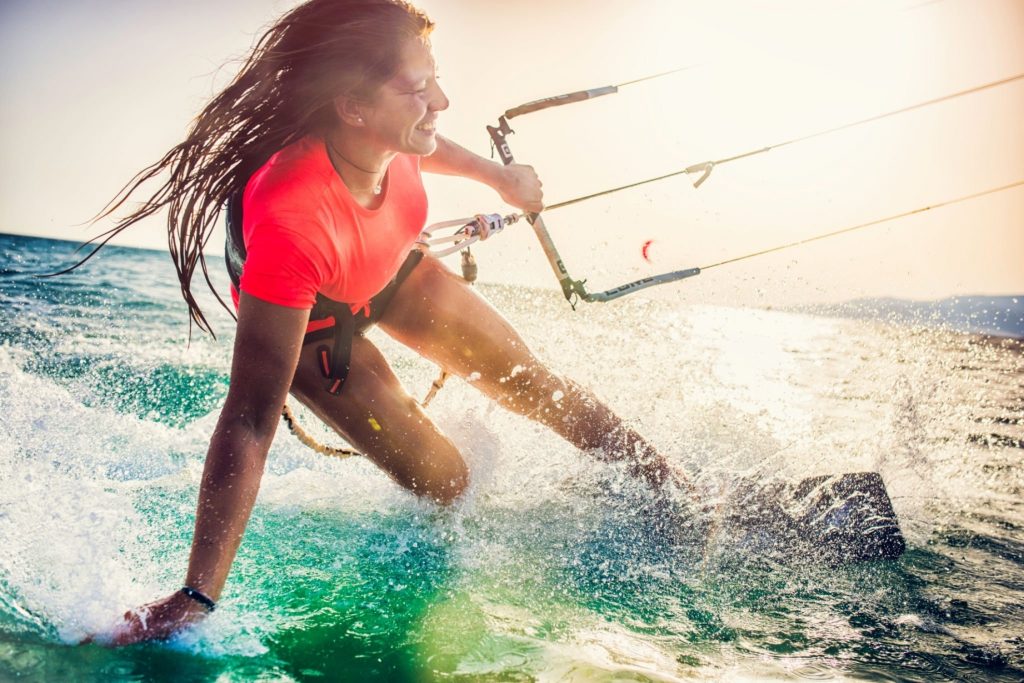
- Are you the kind of person who gets a thrill from extreme sports or risky activities?
- But what drives these daredevils to seek out danger, and what are the consequences of their addiction?
- The term "adrenaline junkie" refers to someone who seeks out high-risk, adrenaline-inducing activities as a way to feel alive and energized [1].
Are you the kind of person who gets a thrill from extreme sports or risky activities? Do you crave the rush of adrenaline that comes from pushing your limits? If so, you might be an adrenaline junkie. Adrenaline junkies are a unique breed of thrill-seekers who crave the rush of adrenaline that comes from high-risk activities such as skydiving, bungee jumping, and extreme sports.
Did you know that approximately 1 in 5 people in the United States engage in some form of extreme or adventure sports? And, according to a study conducted by the American Journal of Sports Medicine, the number of extreme sports injuries has increased by 63% in the past decade.
Despite the risks, adrenaline junkies continue to push the limits, driven by the euphoria that comes with living life on the edge. But what drives these daredevils to seek out danger, and what are the consequences of their addiction?
The term “adrenaline junkie” refers to someone who seeks out high-risk, adrenaline-inducing activities as a way to feel alive and energized [1]. Adrenaline, also known as epinephrine, is a hormone and neurotransmitter that is released by the body in response to stress or danger.
It triggers the “fight or flight” response, increasing heart rate, blood pressure, and breathing rate, and providing a surge of energy that prepares the body to respond to a perceived threat.
Types of Adrenaline Junkies
Adrenaline junkies can be classified into different types based on the activities they enjoy and the reasons behind their addiction. Some common types include:
Extreme sports junkies: These are people who seek out high-risk activities like skydiving, bungee jumping, and rock climbing.
Speed junkies: These are people who crave the rush of speed and enjoy activities like drag racing, motorcycle racing, and skiing.
Thrill-seekers: These are people who enjoy any activity that provides a rush of adrenaline, such as horror movies, haunted houses, or even roller coasters.
Biological Mechanism of Adrenaline Addiction
The biological mechanism behind adrenaline addiction involves the brain’s reward system. When we engage in high-risk activities, the brain releases dopamine, a neurotransmitter that is associated with pleasure and reward.
Over time, the brain becomes addicted to the rush of dopamine, leading to a cycle of seeking out increasingly risky activities to achieve the same level of pleasure [2].
Risk Factors for Becoming an Adrenaline Junkie
While anyone can become an adrenaline junkie, some risk factors may increase the likelihood of developing an addiction to adrenaline. These include:
Genetics: Some people may be genetically predisposed to seeking out high-risk activities as a way to feel alive and energized.
Childhood experiences: Traumatic or thrilling experiences in childhood, such as surviving a natural disaster or riding a roller coaster for the first time, can create a lasting preference for high-risk activities.
Personality traits: People who are sensation-seekers, extroverted, and impulsive are more likely to become adrenaline junkies.
Do you find yourself constantly seeking out thrill-seeking experiences like extreme sports or high-risk activities and often find yourself asking “Am I an adrenaline junkie?”
If so, you might be an adrenaline junkie. Adrenaline junkies are individuals who have a strong craving for the rush of adrenaline that comes from high-intensity activities.
Here are the top 10 characteristics of adrenaline junkies that can help you determine if you fit the profile:
Constantly Seeking Out Excitement
Adrenaline junkies are always on the lookout for new and exciting experiences that will give them an adrenaline rush. They often engage in high-risk activities like skydiving, bungee jumping, and extreme sports [2].
Taking Risks
Adrenaline junkies are willing to take risks and push the boundaries of what is considered safe. They may engage in dangerous activities, such as climbing tall buildings or doing stunts on motorcycles [3].
Thriving on Pressure
Adrenaline junkies tend to perform best under pressure. They enjoy the thrill of a challenge and often seek out situations that require quick decision-making and intense focus [1].
Impulsive Behavior
Adrenaline junkies often act impulsively, without thinking through the potential consequences of their actions. They may jump into situations without fully assessing the risks involved [3].
Enjoying the Adrenaline Rush
Adrenaline junkies crave the rush of adrenaline that comes with high-intensity activities. They enjoy the feeling of being alive and invigorated by the experience [2].
High Tolerance for Pain
Adrenaline junkies often have a high tolerance for pain and discomfort. They may push through injuries or physical limitations to achieve their goals [4].
Needing to Feel Alive
Adrenaline junkies have a strong need to feel alive and experience new sensations. They may feel restless or bored when they are not engaging in high-intensity activities [1].
Seeking Out Dangerous Situations
Adrenaline junkies are drawn to dangerous situations and may actively seek them out. They may enjoy the challenge of navigating hazardous terrain or facing physical obstacles [2].
Competitive Nature
Adrenaline junkies may have a competitive nature and enjoy pitting themselves against others. They may participate in extreme sports or other high-risk activities as a way to prove themselves [4].
Feeling Unfulfilled Without Excitement
Adrenaline junkies may feel unfulfilled and bored without the excitement and rush of adrenaline that comes with high-intensity activities. They may struggle to find joy or meaning in other areas of their life [3].
If you identify with several of these characteristics, you may be an adrenaline junkie. While engaging in high-intensity activities can be thrilling, it’s essential to prioritize safety and avoid taking unnecessary risks. If you find that your desire for adrenaline is negatively impacting other areas of your life, such as your relationships or work, it may be time to seek help.
The thrilling activities can be exhilarating but they can also have negative health consequences. Let’s explore the health consequences of adrenaline addiction.
Increased risk of injury
Adrenaline junkies often participate in high-risk activities that can lead to serious injury or even death [3]. For example, extreme sports like snowboarding or rock climbing can result in broken bones, head injuries, or spinal cord injuries. Bungee jumping or skydiving accidents can cause severe trauma or even be fatal. Repeated exposure to these risks can increase the likelihood of injury over time.
Chronic stress
Adrenaline is a hormone that is released in response to stress, and it prepares your body for a “fight or flight” response [4]. When you’re addicted to adrenaline, your body is constantly in a state of stress, which can lead to chronic stress. Chronic stress can have negative health consequences, such as an increased risk of heart disease, high blood pressure, and depression [5].
Addiction as a coping mechanism
For some adrenaline junkies, the addiction to adrenaline is a way of coping with underlying emotional issues, such as anxiety or depression [4]. However, using adrenaline as a coping mechanism can be harmful to your mental health. Addiction can lead to feelings of shame, guilt, or depression, which can exacerbate underlying mental health issues.
Risk of addiction transfer
Adrenaline addiction can lead to a desire for more intense experiences over time, which can increase the risk of addiction transfer [6]. This means that if you become desensitized to the rush of adrenaline, you might seek out other addictive behaviors, such as drug use or risky sexual behavior, to achieve the same level of intensity.
Burnout
Adrenaline addiction can also lead to burnout over time. Constantly seeking out intense experiences can be emotionally and physically draining, which can lead to exhaustion and burnout [6]. Burnout can have negative consequences for your mental health, including depression, anxiety, and decreased motivation.
Some people become addicted to the rush that comes with adrenaline, and this addiction can harm their relationships. Let’s explore how adrenaline addiction affects relationships.
Neglecting relationships for the thrill
When you’re addicted to adrenaline, you might prioritize seeking out dangerous experiences over spending time with your loved ones. This can lead to neglecting your relationships, which can cause hurt and resentment [1].
Your partner might feel like they’re not important to you or like they can’t compete with the rush of adrenaline. Over time, this can erode the trust and intimacy in your relationship.
Putting others in danger
Adrenaline junkies often take risks that can put themselves and others in danger. For example, you might go bungee jumping without checking the safety equipment or drive recklessly on winding mountain roads.
These behaviors can scare your loved ones and make them feel like they can’t trust you to make responsible decisions [2]. If you have children, this can be particularly damaging, as they rely on you to keep them safe.
Seeking out new experiences without consideration for others
When you’re addicted to adrenaline, you might be constantly seeking out new and more intense experiences. This can make it difficult for you to commit to plans with your partner or family, as you might prioritize chasing the rush over spending time with your loved ones [3].
Your partner might feel like they can’t plan anything because you’re always looking for the next adventure. This can lead to frustration and resentment on both sides.
Difficulty with emotional intimacy
Adrenaline junkies are often more comfortable with physical sensations than emotional ones. This can make it difficult to connect with your partner on an emotional level [4].
You might struggle to express your feelings or empathize with your partner’s emotions. This can lead to feelings of isolation and loneliness in your relationship.
Addiction as a coping mechanism
For some adrenaline junkies, the addiction to adrenaline is a way of coping with underlying emotional issues, such as anxiety or depression [5].
If you’re using adrenaline as a way to avoid dealing with your emotions, it can make it difficult to connect with your partner on a deeper level. Additionally, your partner might feel like they’re competing with your addiction for your attention and affection.
Being an adrenaline junkie can be thrilling, but it can also have negative consequences for your health and well-being. If you’re looking to stop being an adrenaline junkie, here are some steps you can take.
Recognize Your Triggers
The first step in overcoming an addiction to adrenaline is to recognize your triggers. This can help you identify situations that might lead to an adrenaline rush and avoid them [3]. For example, if you know that watching action movies makes you crave excitement, you might choose to watch comedies or dramas instead.
Find Healthy Alternatives
Instead of seeking out risky activities, find healthy alternatives that still give you a rush of excitement. Exercise, for example, can be a great way to get your heart pumping and release endorphins, which can give you a natural high [5]. Other healthy alternatives might include trying new hobbies or activities, like learning a new language or playing an instrument.
Address Underlying Emotional Issues
For some adrenaline junkies, addiction to adrenaline is a way of coping with underlying emotional issues, such as anxiety or depression [4]. Addressing these issues with the help of a therapist or counselor can be a crucial step in overcoming an addiction to adrenaline.
Gradually Reduce Risky Behavior
If you’re used to engaging in risky behavior, it might be difficult to stop cold turkey. Instead, try gradually reducing your exposure to risky situations [7]. For example, if you enjoy extreme sports, try starting with less intense activities before completely giving up the sport.
Build A Support System
Building a support system can be crucial in overcoming an addiction to adrenaline. Surround yourself with people who support your efforts to change and who can help you stay accountable [6]. This might include friends, family members, or a support group.
Seek Professional Help
If you’re struggling to overcome your addiction to adrenaline, seeking professional help from a therapist or counselor can be helpful. They can help you understand the underlying emotional issues driving your addiction and develop healthy coping mechanisms [4].
The Article
About This Article
✔ Medically Reviewed
✔ Evidence-Based Sources
✔ Updated Regularly
✔ Clinically Verified
This article was written by THE BALANCE’s clinical content team and reviewed by a licensed medical or mental health professional (such as an MD, psychiatrist, clinical psychologist, or equivalent). Our reviewers ensure that the information reflects current research, accepted medical guidelines, and best practices in mental health and addiction treatment. THE BALANCE’s medical editors draw on extensive real-world clinical experience supporting individuals in residential, outpatient, and luxury private treatment settings across Europe and internationally.
Editorial Standards & Integrity
THE BALANCE follows strict editorial and clinical review standards to ensure accuracy, balance, and reliability:
- All medical statements rely on authoritative sources such as the WHO, NIMH, APA, NHS, CDC, and SAMHSA
- Statistics use the most recent and reliable research available
- No medical or therapeutic claims are made without clear, verifiable evidence
- Content is reviewed and updated regularly to reflect evolving science, treatment guidelines, and clinical best practices
- Commercial interests do not influence clinical accuracy; all clinical insights are reviewed independently
- Recommendations include context, limitations, and alternatives where appropriate
How We Review Sources
- Our clinical writers and editors rely on:
- Peer-reviewed research and meta-analyses
- National and international treatment guidelines
- Professional bodies and regulatory authorities
- Verified public data from reputable institutions
We do not use anecdotal reports, unverified claims, or commercially biased sources. Every factual claim is supported by established evidence.
Conflicts of Interest
THE BALANCE provides private mental health and addiction treatment services. However, our clinical reviewers ensure that all content remains objective, non-promotional, and balanced. When discussing treatment options, we outline limitations, risks, and alternatives. Our priority is reader safety and informed decision-making.
How to Use This Information Safely
Mental health and addiction conditions are complex and vary significantly between individuals. The information in this article is provided for general educational purposes only and should not replace professional medical advice, diagnosis, or treatment. If you or someone you know is experiencing symptoms, seek guidance from a qualified healthcare professional. To maintain accuracy and trust, THE BALANCE updates articles regularly as new research and clinical guidance become available.
Do you need help?
If you’re struggling, you don’t have to handle it alone. Support is available - whether you’re feeling overwhelmed, anxious, depressed, or dealing with alcohol or drug-related concerns. If you feel unsafe, are at risk of harming yourself, or someone else is in immediate danger, contact your local emergency number immediately.
Talk to Someone Now (Free & Confidential)
Choose your country to find a trusted helpline near you:
Spain
- Suicide & emotional crisis helpline: 024 (24/7, free, multilingual)
- Samaritans in Spain: 900 525 100 (24/7)
Switzerland
- Die Dargebotene Hand / La Main Tendue: 143 (24/7)
- Pro Juventute (youth): 147
United Kingdom
- Samaritans: 116 123 (24/7, free)
- NHS urgent mental health support: call 111 (24/7)
United States
- 988 Suicide & Crisis Lifeline — call, text, or chat 988 (24/7)
Canada
- 9-8-8 Suicide Crisis Helpline — call or text 988 (24/7, nationwide)
- Talk Suicide Canada (alternate): 1-833-456-4566
France
- National suicide prevention number: 3114 (24/7, free)
Germany
- TelefonSeelsorge: 116 123
- Alternate numbers: 0800 111 0 111 / 0800 111 0 222
Italy
- Telefono Amico Italia: 800 860 022 or 02 2327 2327
Not an Emergency, but You Want Support?
If you’re not in immediate danger but are worried about yourself or someone you care about, reaching out early can make a meaningful difference.
Explore Care Options Near You
This website lists verified mental health professionals, addiction specialists, and treatment programs searchable by country and location. Use the “Find treatment” / “Providers” section to explore available options.
Or Reach Out to Us
If you’d like help understanding next steps, you can contact our team confidentially. We’ll listen without judgment and help you explore appropriate options.
Contact our team
- Phone: +41445005111
- Email: help@thebalance.clinic
- Availability: Mon–Sun, 07:00–22:00 CET
Not sure what to say? You can simply write: “I need help.” We’ll take it from there.