
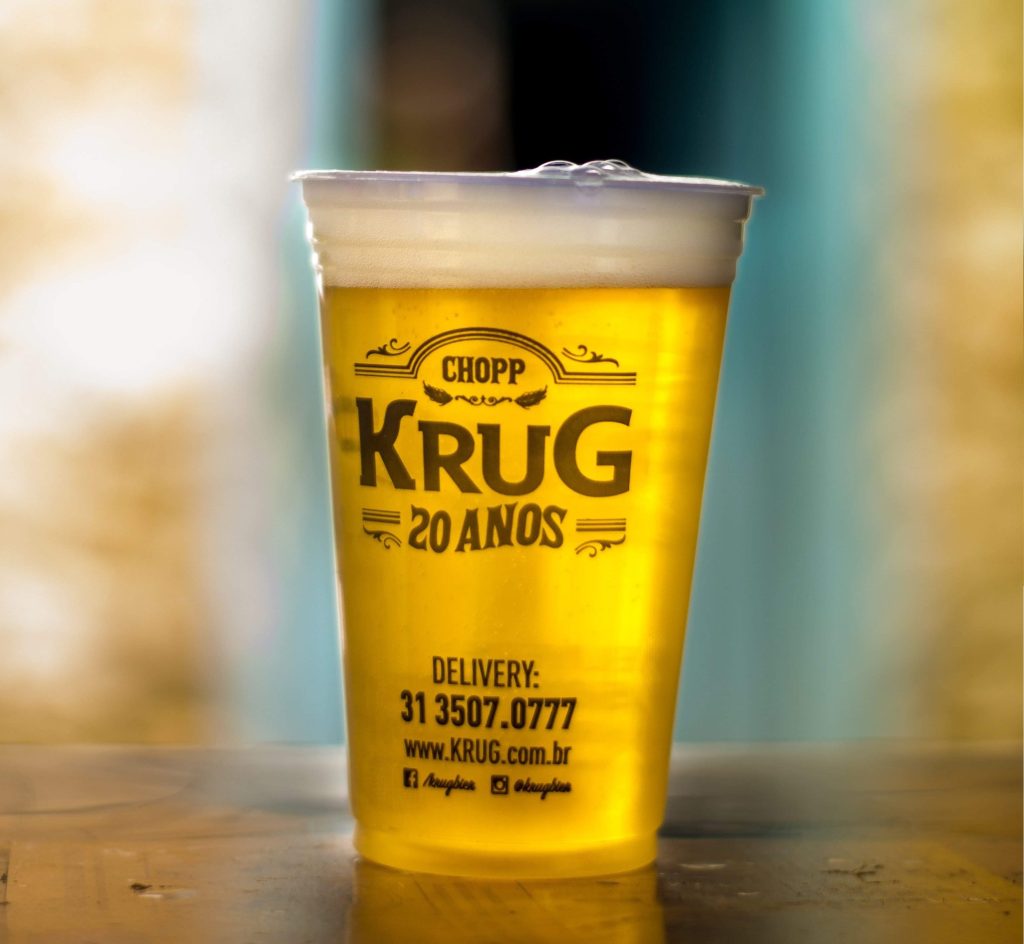
- Ethanol and alcohol are not the same; ethanol is pure and potent, whereas alcohol can vary in its concentration. Due to its use in alcoholic drinks is consumed by humans and can lead to addiction and abuse.
- Alcoholics might turn to Et OH abuse when other alcoholic beverages do not suppress their urges.
- Consumption of Et OH can have damaging effects on the body. The side effects of ethanol consumption are surly dangerous; what adds to it are the harmful withdrawal symptoms.
Ethanol or Ethyl Alcohol is a colorless, toxic compound. It is the alcohol that is added to alcoholic beverages. Ethanol and alcohol are not the same; ethanol is pure and potent, whereas alcohol can vary in its concentration. Due to its use in alcoholic drinks is consumed by humans and can lead to addiction and abuse. Alcoholics might turn to EtOH abuse when other alcoholic beverages do not suppress their urges. Consumption of EtOH can have damaging effects on the body.
The side effects of ethanol consumption are surly dangerous; what adds to it are the harmful withdrawal symptoms. This article will reflect upon what EtOH is, its uses in medicine, and otherwise, along with what effects it has on the human body. Ethanol dependence and withdrawal symptoms will also be discussed.
Ethanol is a fascinating compound. Because of the presence of the terminal hydroxyl group, it is polar or hydrophilic (loves water) and dissolves in water. Despite this, it possesses a non-polar property due to the two carbon chains.EtOH stands for ethyl alcohol, often known as ethanol, and is a chemical symbol for alcohol, frequently used in academic and medical research to define a compound. It is a purer form of alcohol. Ethanol is a colorless liquid that is made up of organic chemicals. It is utilized as a solvent in various industrial and consumer items, from plastics to mouthwashes, polishes, and colognes.
Alcohol Poisoning Luxury Rehab Mallorca
The chemical is also used as a major component in anti-septics and cleaning agents. Health care providers may also provide ethanol as an antidote for ethylene glycol or methanol overdoses.EtOH can also refer to alcoholic drinks, particularly those made with grain. Grain alcohol refers to more than just ethanol made from grains. Individuals may use the term moonshine to refer to 90 percent (or more) pure alcohol.
The capacity of ethanol to travel through cellular membranes and across the body is influenced by its solubility properties. It fits through pores (holes) in the biological membrane since it is a tiny molecule (molecular weight = 46 g/mole). In fact, it may be found in any part of the body where there is water. However, because ethanol has a 2-carbon chain, it is somewhat lipophilic (Loves lipids) and may permeate lipid bilayers of biological membranes.
In the medical field, ETOH is used for various purposes. Most commonly, it is used as an anti-septic to clean medical equipment. It also has sanitizing properties that the doctors and medical staff use to keep their hands clean. It is also an ingredient in over-the-counter medicines such as cough medicines. It also serves as an antidote for methanol poisoning, as mentioned earlier.
Medical Abbreviation
ETOH is not an abbreviation. This molecular combination’s scientific description is represented by these four letters. ETOH stands for ethyl alcohol and is made up of two carbon atoms. In reality, the prefix ethyl is found in all alcohols with two carbon atoms (ET). As a result, the ET distinguishes this alcohol from isopropyl alcohol (three carbons) and methanol (four carbons) (1 carbon). Oxygen (O) and hydrogen (H) molecules are found in all alcohols. That is why ETOH has an OH at the conclusion.
ETOH = 2 Carbon alcohol + 1 molecule of oxygen + 1 molecule of hydrogen
Formula (Molecular): Ethyl alcohol has the chemical formula CH3CH2OH.
The words “ETOH on Board” or “Positive ETOH” are also used by medical staff and nurses on a patient’s chart to indicate that the patient is currently intoxicated.
It is possible that people may employ the term EtOH to deflect any negative connotations associated with excessive drinking. Substance misuse may look more acceptable if the wording is softened. On the other hand, alcohol is a depressant of the central nervous system (CNS) that lowers brain activity and has addictive characteristics. Individuals can develop tolerance and become physically reliant in many instances.
Alcoholism or alcohol use disorder can develop due to heavy, persistent alcohol intake, such as binge drinking (AUD). Alcohols are carbon ©, oxygen (O), and hydrogen (H) atoms organized into organic molecules. Ethanol is the form of alcohol that has two carbon atoms (also known as ethyl alcohol). Ethanol is a kind of alcohol found in alcoholic drinks such as beer, wine, and liquor.
Ethanol is a pure form of alcohol, and because alcohol is addictive, so is ethanol or EtOH. Statistically, 10 percent of all adult men and 5 percent of all adult women in the U.S. are alcohol addicts. Small doses are not harmful, as in medicines, but larger amounts can be severely harmful.
Related: Painkillers Addiction and Side Effects
EtOH is the main ingredient in alcoholic substances, including beverages, anti-septics, flavorings, and medicines. It is, in fact, the most common intoxicant used in Western communities. Easy access and availability, relatively low cost, and legality have to do with its increased consumption over the past few decades. Furthermore, it is indirectly encouraged through religious events, birthday celebrations, promotions, and other social events. Its addiction has to do with the mechanism of reward centers in the brain by releasing chemicals called endorphins. These centers are stimulated when ethanol is ingested and create feelings of relaxation and glee. The brain begins to crave this relaxation after a certain period of constant consumption.
Symptoms of EtOH abuse range from less severe to highly severe. Some observable symptoms include going out of the way to get alcohol, a strong desire to drink and inability to counter the cravings, sneaking drinks, and drinking in the absence of others to drink a larger quantity. Other symptoms that require immediate attention are disregarding friends and family, becoming alcohol-oriented, driving under the influence, and drinking to relax even after the smallest misfortune or discomfort.
Ethanol/alcohol abuse causes the user to engage in risky behavior like driving rashly without caution and making poor judgments. The person also experiences blackouts, and even though the person is conscious, they do not remember (or rarely recall) what happened during the drinking episode. Other than this, they are also inclined to suffer from memory loss due to slow brain activity and anxiety.
The night after drinking, the person is likely to have more skirmishes and arguments. They are also more likely to trip a lot, lose their balance while walking, and get into accidents while driving. When asked to reduce the drinking, the user feels agitated and drinks more to counter irritability.
The main damage that ethanol/alcohol does to the body is that it attacks the central nervous system and reduces overall brain functioning. This is done by increasing the concentration of the neurotransmitter GABA (short for gamma-aminobutyric acid), which is responsible for having a calming effect on the body as it is sort of an antianxiety chemical. So, when GABA is increased, the brain becomes more relaxed than it should be, causing symptoms like slurred speech, difficulty maintaining balance and coordination, slowed reflexes, etc.
Side Effects and Dangers of Mixing Cocaine And Alcohol
Once the person’s brain gets adapted to ethanol intake, he/she develops tolerance. This means that they have to take more and more amounts of ethanol/alcohol to achieve the same satisfactory effect. When the user tries and discontinues use, he/she experiences withdrawal symptoms that are highly difficult to fight. These include tremors and uncontrollable shaking, hallucinations, etc.
Long term side effects include:
- Liver damage and even failure,
- Countless types of cancers like cancer of the mouth, esophagus, and throat,
- Pancreatic damage, particularly pancreatic inflammation,
- Cardiovascular health problems, for example, strokes, high blood pressure, and heart attacks.
It also greatly weakens the immune system and drastically increases the risk of catching illnesse and diseases.
In alcoholic beverages, even though ethanol is present, its percentage is very low. However, if ethanol is consumed in a more potent form or its pure form, the consequences can be devastating to the human body. Ethanol is even believed to be carcinogenic; however, further research still needs to confirm this. Ethanol exposure is dangerous even when inhaled. One must immediately get fresh air if ethanol is inhaled.
Ethanol is considered a hazardous substance and is on the Special Health Hazard Substance List. Consuming a high quantity of ethanol can damages an unborn baby. Exposure to the skin or eyes can cause irritation, redness, and dryness.
Approximately drinking 1ml/kg of pure ethanol can lead to high blood ethanol concentration, which can be dangerous. Liver damage is likely to occur as a result of consuming potent ethanol. Drinking 5-8g/kg is fatal. Death can even occur as a consequence of too much consumption or after one goes into a coma.
The terms “dependence” and “addiction” sound synonymous. However, they have different meanings. Addiction is usually used to describe a person’s behavior where they act irrationally in society without having the drug they are addicted to. It seems to do more with the biochemical changes in the brain. “Dependence” is used to refer to physical dependence mostly, where a person’s tolerance to a substance as well and the withdrawal symptoms are taken into account. It is considered to be the body’s physical dependence on a substance, without which it starts to deteriorate and have side effects.
When one is dependent on alcohol or EtOH, the same applies. Being dependent would mean that the person is addicted too. Alcohol abuse or addiction can be seen as an early stage of dependence. In 2013, the American Psychological Association departed with both these terms and preferred the term “substance abuse disorder.” Part of this decision is due to the fact that much confusion exists around these two terms and also because they wish to avoid the negative connotations associated with such terms.
So, in terms of EtOH, addiction would mean consuming more EtOH socially when at work, with friends, or even at home and not being able to stop oneself. On the other hand, EtOH dependence refers to physical dependence on alcohol, where the body requires more of it to achieve a certain effect, and if the one abruptly stops using it, then the body could react, showing withdrawal symptoms, which could be worse. Mild symptoms of alcohol withdrawal can start as early as 6 hours after ceasing use. Later symptoms include seizures, high blood pressure, hallucinations, etc. They are all indicative of alcohol dependence.
FAQS
The Article
References
- hazardous substance [nj.gov]
About This Article
✔ Medically Reviewed
✔ Evidence-Based Sources
✔ Updated Regularly
✔ Clinically Verified
This article was written by THE BALANCE’s clinical content team and reviewed by a licensed medical or mental health professional (such as an MD, psychiatrist, clinical psychologist, or equivalent). Our reviewers ensure that the information reflects current research, accepted medical guidelines, and best practices in mental health and addiction treatment. THE BALANCE’s medical editors draw on extensive real-world clinical experience supporting individuals in residential, outpatient, and luxury private treatment settings across Europe and internationally.
Editorial Standards & Integrity
THE BALANCE follows strict editorial and clinical review standards to ensure accuracy, balance, and reliability:
- All medical statements rely on authoritative sources such as the WHO, NIMH, APA, NHS, CDC, and SAMHSA
- Statistics use the most recent and reliable research available
- No medical or therapeutic claims are made without clear, verifiable evidence
- Content is reviewed and updated regularly to reflect evolving science, treatment guidelines, and clinical best practices
- Commercial interests do not influence clinical accuracy; all clinical insights are reviewed independently
- Recommendations include context, limitations, and alternatives where appropriate
How We Review Sources
- Our clinical writers and editors rely on:
- Peer-reviewed research and meta-analyses
- National and international treatment guidelines
- Professional bodies and regulatory authorities
- Verified public data from reputable institutions
We do not use anecdotal reports, unverified claims, or commercially biased sources. Every factual claim is supported by established evidence.
Conflicts of Interest
THE BALANCE provides private mental health and addiction treatment services. However, our clinical reviewers ensure that all content remains objective, non-promotional, and balanced. When discussing treatment options, we outline limitations, risks, and alternatives. Our priority is reader safety and informed decision-making.
How to Use This Information Safely
Mental health and addiction conditions are complex and vary significantly between individuals. The information in this article is provided for general educational purposes only and should not replace professional medical advice, diagnosis, or treatment. If you or someone you know is experiencing symptoms, seek guidance from a qualified healthcare professional. To maintain accuracy and trust, THE BALANCE updates articles regularly as new research and clinical guidance become available.
Do you need help?
If you’re struggling, you don’t have to handle it alone. Support is available - whether you’re feeling overwhelmed, anxious, depressed, or dealing with alcohol or drug-related concerns. If you feel unsafe, are at risk of harming yourself, or someone else is in immediate danger, contact your local emergency number immediately.
Talk to Someone Now (Free & Confidential)
Choose your country to find a trusted helpline near you:
Spain
- Suicide & emotional crisis helpline: 024 (24/7, free, multilingual)
- Samaritans in Spain: 900 525 100 (24/7)
Switzerland
- Die Dargebotene Hand / La Main Tendue: 143 (24/7)
- Pro Juventute (youth): 147
United Kingdom
- Samaritans: 116 123 (24/7, free)
- NHS urgent mental health support: call 111 (24/7)
United States
- 988 Suicide & Crisis Lifeline — call, text, or chat 988 (24/7)
Canada
- 9-8-8 Suicide Crisis Helpline — call or text 988 (24/7, nationwide)
- Talk Suicide Canada (alternate): 1-833-456-4566
France
- National suicide prevention number: 3114 (24/7, free)
Germany
- TelefonSeelsorge: 116 123
- Alternate numbers: 0800 111 0 111 / 0800 111 0 222
Italy
- Telefono Amico Italia: 800 860 022 or 02 2327 2327
Not an Emergency, but You Want Support?
If you’re not in immediate danger but are worried about yourself or someone you care about, reaching out early can make a meaningful difference.
Explore Care Options Near You
This website lists verified mental health professionals, addiction specialists, and treatment programs searchable by country and location. Use the “Find treatment” / “Providers” section to explore available options.
Or Reach Out to Us
If you’d like help understanding next steps, you can contact our team confidentially. We’ll listen without judgment and help you explore appropriate options.
Contact our team
- Phone: +41445005111
- Email: help@thebalance.clinic
- Availability: Mon–Sun, 07:00–22:00 CET
Not sure what to say? You can simply write: “I need help.” We’ll take it from there.