
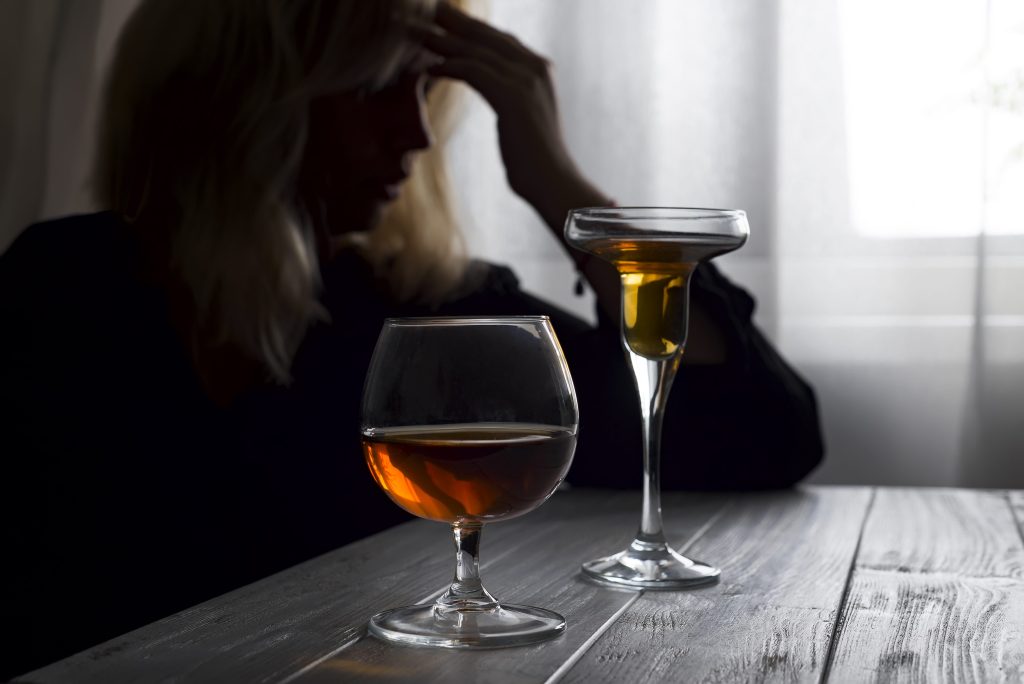
- Alcohol is one of the most widely consumed psychoactive substances in the United States.
- But have you ever thought of how many people are alcoholics and how many individuals and families are seriously affected by alcoholism?
- The numbers might stun you. Every year, three million deaths are caused by the harmful consumption of alcohol around the world.
Alcohol is one of the most widely consumed psychoactive substances in the United States. But have you ever thought of how many people are alcoholics and how many individuals and families are seriously affected by alcoholism? The numbers might stun you.
Every year, three million deaths are caused by the harmful consumption of alcohol around the world. This accounts for 5.3 percent of all fatalities. Alcohol is responsible for 5.1 percent of the worldwide leading causes of injuries, diseases, and disability, as assessed by disability-adjusted life years (DALYs).
Alcohol is a psychotropic substance with dependence-producing effects that has been broadly utilized for ages in a variety of cultures. The statistics of alcohol abuse in the US have taken sudden turns for adversity in the recent past. Alcohol abuse creates a high disease burden and has significant economic and social effects. Alcohol abuse can also cause harm to others, including family members, acquaintances, coworkers, and even strangers.
Alcohol abuse is a causative factor in more than two hundred diseases and injuries. Alcoholism is connected with an increased risk of behavioral and mental disorders, including alcoholism, and non-communicable diseases like liver cirrhosis, cardiovascular disease, and certain malignancies.
Individuals and society suffer significant economic and social losses as a result of the excessive consumption of alcohol, in addition to its negative effects on health.
Death and disability are caused by alcohol drinking quite early in life. Alcohol is responsible for roughly 13.5 percent of all deaths among adults aged 20–39.
There is a causal connection between alcohol abuse in the US and a variety of behavioral and mental disorders, non-communicable diseases, and injuries. (source: WHO, 2022)
The current alcohol consumption trends, data, and studies given below can guide your own decisions related to alcohol consumption.
Alcohol is one of the most frequently consumed substances worldwide. In 2019, alcoholism rates in the US rose to 139.7 million, which represents nearly half of the population. According to the 2019 National Survey on Drug Use and Health, around 16 million Americans were heavy drinkers and 14.5 million Americans had alcohol use disorders. These numbers may have increased due to the stress and isolation caused by the COVID-19 pandemic. In a survey carried out in May 2020:
- 88 percent reported alcohol use
- 55 percent of respondents reported increased alcohol usage.
- 18 percent reported a substantial rise
According to one survey, the annual cost of alcohol abuse in the United States is around $250 billion.
In America, alcohol use trends differ with age. Young adults (18-25) and adults (26 and older) have the highest prevalence of current alcohol usage compared to elderly adults (65 and older) and adolescents (12-17).
Males who have consumed five or more drinks on a single occasion in the preceding month, or ladies who have consumed four or more drinks, are classified in the binge drinking category. Five or more days of binge drinking in the past month is indicative of heavy alcohol consumption. The highest incidence of binge drinking and excessive alcohol usage is reported by young individuals.
Alcohol Abuse Statistics in Adults
Among young adults aged 18-25: (source: WHO, 2018)
- 54.3 percent of young adults report current alcohol consumption.
- Over 34.3 percent of young adults reported excessive drinking.
- About 8.4 percent of young adults reported significant alcohol consumption.
It is well known that alcohol impairs the functioning of the brain. Since the brain is not fully matured until the age of 25, young individuals should consume alcohol with caution.
Among adults older than 26:
- Approximately 55 percent of people indicated current alcohol consumption.
- In the preceding month, over 24.5 percent of adults reported excessive drinking.
- Roughly 6.0 percent of people reported binge drinking in the previous month.
For both men and women, excessive alcohol intake is connected with a higher risk of head and neck, esophagus, liver, and colon cancers, as well as an increased risk of breast cancer in women. In current recommendations, the American Cancer Society advocates total abstinence from alcohol.
Alcohol Use Stats in Teens
- Alcohol use statistics for adolescents ages 12 to 17 show:
- 9.4 percent of respondents reported current alcohol use
- 4.9 percent of adolescents reported binge drinking within the previous month
- 0.8 percent of adolescents reported significant alcohol consumption in the previous month
Alcohol can influence adolescent sex hormones and postpone puberty, notably in the prepubescent stage.
Underage Alcohol Stats
- In a 2019 survey, 7 million adolescents aged 12 to 20 admitted to drinking alcohol even though it is forbidden for this age range.
- Approximately 4.2 million teenagers (11.1 percent) admitted binge drinking, while 825,000 adolescents (2.2 percent) reported heavy alcohol usage.
Alcohol Statistics In the Elderly (source: NIAAA, 2023)
In elderly adults aged 65 and above:
- At least once a week, 65 percent of seniors started drinking at a high-risk level, where they surpassed daily norms.
- Over 10 percent of seniors engage in binge drinking.
- The prevalence of alcohol consumption disorder in this age category more than doubled between 2001 and 2013.
As people age, their tolerance to alcohol decreases. The elderly who combine alcohol and their prescriptions may experience more severe side effects than younger individuals. Moreover, elders who consume excessive amounts of alcohol are more prone to develop health issues. For older persons, consuming more than 3 drinks a day or 7 drinks a week can raise the risk of high blood pressure, diabetes, mood disorders, cognitive problems, and heart failure.
In addition to numerous other epidemiological factors, the biological differences between men and women affect alcohol metabolism. Among the gender-specific alcohol consumption figures are:
- Men are more likely than women to be habitual drinkers.
- Men are more likely than women to engage in excessive alcohol consumption.
- Men are hospitalized at a higher rate due to alcohol consumption than women.
- Men are nearly twice as likely as women to binge drink.
- Men are more likely than women to commit suicide after consuming alcohol.
- After consuming the same quantity of alcohol, women had higher blood alcohol levels than men.
- Women are more prone to develop liver problems and cognitive deterioration as a result of alcohol consumption.
- Nearly 10 percent of pregnant women consumed alcohol, and 4.5 percent engaged in binge drinking.
Alcohol consumption problems are independent of age, biological sex, race, and other variables. Nonetheless, statistics indicate that particular ethnic groups are disproportionately impacted by alcohol consumption:
- Caucasians consume roughly 10 percent more alcohol than African-Americans.
- Greater than 20 percent of Hispanic Americans indulge in excessive drinking.
- Asian Americans are significantly less likely than all ethnicities to use alcohol.
- African-Americans are more prone to suffer from various alcohol-related health problems, including cancer, liver cirrhosis, and heart disease.
- Women of Native American heritage had a greater cirrhosis mortality rate than women of other U.S. ethnicities.
- Native Alaskans are 5 times more likely to experience fetal alcohol syndrome than Caucasians.
Alcohol has a bigger impact on the LGBTQ+ demographic than the general population, as per the 2019 National Survey on Drug Use and Health (NSDUH).
60.2 percent of LGBTQ+ Americans aged 18 and older (9.0 million) reported current alcohol consumption, compared to 54.7 percent of all adults (137.4 million).
Only 7.2 percent (14.1 million) of all adults suffered from an alcohol use disorder, compared to 12 percent (1.7 million) of LGBTQ+ adults aged 18 and older. (source: SAMHSA, 2019)
Multiple studies have revealed that LGBT teenagers are at a higher risk for alcohol abuse and alcohol use disorders than their heterosexual peers. To assist LGBTQ+ people in recovering from past alcohol consumption, there are tools for addiction rehabilitation tailored to the unique elements that impact this trend.
As part of their occupations, firefighters, first responders, and veterans are frequently exposed to trauma regularly. This can increase their likelihood of abusing alcohol as an unhealthy coping mechanism:
- 85 percent of firemen acknowledged drinking alcohol in the past month
- 50 percent of firefighters admitted to binge drinking or heavy drinking within the preceding month.
- 9 percent of firefighters admitted to drunken driving
On average, firefighters consume alcohol 10 days each month, or almost fifty percent of their off-duty days. According to a 2013 SAMHSA survey, 65.4 percent of veterans receiving substance addiction treatment received assistance for alcohol abuse.
The association between the level of education and alcohol consumption patterns is complex but well-founded. Higher levels of education have been connected with the following:
- Decrease the probability of heavy drinking
- Reduced frequency of memory loss as a result of drinking (blacking out)
- Fewer beverages consumed daily.
- Reduced likelihood of high-risk drinking (or having at least one heavy drinking episode in the last year)
A recent 2019 study indicated that an additional 3.61 years of education often corresponded to a 50 percent reduction in the likelihood of alcoholism.
A study of more than 130 papers uncovered associations between unemployment and substance abuse. Furthermore, unemployed individuals are 87 percent more likely to report heavy alcohol consumption and 29 percent more likely to acquire alcohol dependency than employed individuals. The past year’s growth in unemployment has also been attributed to: (source: NIAAA, 2021)
- The amount of alcohol a person consumes on average each day
- How frequently heavy drinking occurs
- How probable is a diagnosis of alcohol use disorder
Additionally, drinking statistics differ with financial status. According to a recent survey, alcohol consumption raises as household income goes up.
A 2012 study that examined specific drinking patterns indicated that lower-income families are more likely to not drink at all or engage in heavy drinking. Higher-income families are more likely to consume alcohol in smaller amounts more frequently.
Each year in the United States, thousands of deaths and injuries are caused by excessive alcohol use. In the United States, alcohol is the third most preventable cause of mortality. The Centers for Disease Control and Prevention (CDC) estimates that alcohol causes about 95,000 fatalities annually in the United States alone. That equates to 261 deaths each day. Several diseases, including heart disease, liver disease, and certain malignancies, are associated with long-term alcohol use. However, a significant number of deaths are due to a short-term effect: alcohol poisoning:
- Approximately 2,200 people die annually from alcohol poisoning.
- Alcohol poisoning deaths are most prevalent among adults aged 35 to 64.
- The biggest percentage of alcohol poisoning fatalities are among non-Hispanic white Americans.
In addition to the short-term hazards, heavy alcohol consumption might increase the chance of severe and even deadly health consequences. In a 2021 study, participants were asked about their alcohol consumption and provided with a list of ailments or health problems that may have been caused by alcohol usage. Compared to intermediate or light drinkers, heavy drinkers consistently had a greater risk of developing these health problems. In our study, heavy drinkers had increased their risk by more than double. They were:
- 2.12 times more likely to suffer from liver illness
- 2.26 times more likely to be diagnosed with cirrhosis (scarring of the liver)
- 2.06 times more prone to have hypertension
- 2.26 times more prone to suffer from cardiovascular illness
- 2.77 times more prone to nerve damage
- 2.18 times more prone to be diagnosed with pancreatitis
In addition, they were at greater risk for various common health issues than intermediate or light drinkers. Heavy drinkers ever:
- 85 percent greater likelihood of depression
- 61 percent greater likelihood to suffer from a compromised immune system.
- 73 percent greater likelihood to suffer from epilepsy
- 48 percent higher risk of developing cancer
Even though some heavy drinkers reported no health issues, the odds were not favorable: heavy drinkers were 71 percent less likely to have none of these ailments compared to other research participants.
When under the influence of alcohol, many individuals jeopardize not only themselves but also others. Every 50 minutes, a U.S. citizen dies in an alcohol-related auto accident. (source: NHS, 2023)
Other useful statistics about drunk driving include:
- Every day, twenty-nine people are killed in motor vehicle crashes involving an intoxicated drivers.
- In 2016, roughly one-third of all traffic-related fatalities were alcohol-related.
- One million motorists were caught, detained, or charged with driving under the effects of drugs or alcohol in 2016.
- Alcohol-related auto accidents involving alcoholics in America cost the US $44 billion annually.
Alcohol abuse can affect parts of your life in unexpected ways. A survey of over a thousand people who had decided to stop drinking was conducted and it was discovered that physical health (61 percent), mental health (52 percent), and relationships (47 percent) are the most prevalent negative effects. Additionally, drinking affected individuals’ employment, parental ability, income, hygiene, and legal standing.
No matter whether respondents drank heavily or not, physical health, mental health, and relationships took the greatest toll on their lives when asked to rank these effects.
In a 2021 study, 1,559 individuals were surveyed about their experiences with alcohol detox, rehabilitation, and recovery to determine statistics, trends, and risk estimates among those in recovery from alcohol misuse.
Alcohol Detoxification and Withdrawal Signs
Seventy-two percent of responders to the survey detoxed from alcohol at home, whereas 28 percent did so in a treatment facility or medical setting. Respondents placed safety and comfort as the top two concerns when deciding between detoxifying at home versus in a medical center or rehabilitation facility.
Average Detox Length (source: Lancet, 2018)
During alcohol detox, respondents experienced withdrawal symptoms for an average of 4.83 days. The duration of withdrawal symptoms for 95 percent of respondents was between 2 and 8 days. This range remained the same regardless of whether the detox occurred at home or in a medical facility.
Alternative Treatment Programs
There are several rehabilitation programs available to accommodate the individual needs of each recovering patient. Among the 1,559 individuals in recovery surveyed:
- 34.9 percent began rehabilitation in an inpatient or residential facility
- 24.2 percent began rehabilitation in intensive outpatient care
- 26.1 percent began treatment in an outpatient setting
- 14.8 percent began treatment via teletherapy.
The greater your alcohol consumption, the more probable it is that you will require intensive treatment to begin your recovery. Due to the elevated needs associated with excessive alcohol use, heavy drinkers were 2.42 times more likely to enroll in an inpatient or residential recovery program than in any other type of therapy. In a poll of first-time rehabilitation patients:
- Sixty-six percent of inpatient and residential patients were classified as heavy drinkers.
- Half (54.1 percent) of serious outdoor patients are classified as heavy drinkers.
- Less than half of outdoor patients (44.2 percent) qualified as heavy drinkers.
- Sixty-eight percent of teletherapy patients did not qualify as heavy drinkers.
Average Treatment Duration
Rehabilitation programs vary in duration. Outpatient programs, for instance, are typically lengthier than inpatient care but need fewer hours per week. Among those questioned:
- 55.4 percent of patients spent less than 30 days in rehabilitation.
- 27.1 percent spent between 31 and 60 days in rehab
- 10.8 percent of patients spent 61-90 days in rehab
- 6.7 percent spent over 90 days in rehabilitation.
FAQs
Almost 1 in 5 (18 percent) adult Americans grew up with an alcoholic parent.
Roughly 1 in 8 American adult drinkers are alcoholics or experience alcohol-related issues. The annual cost to society is anticipated to exceed $166 billion.
It is estimated that there are 26.8 million children of alcoholics in America. Preliminary data indicates that over 11 million individuals are under 18 years of age.
The Article
About This Article
✔ Medically Reviewed
✔ Evidence-Based Sources
✔ Updated Regularly
✔ Clinically Verified
This article was written by THE BALANCE’s clinical content team and reviewed by a licensed medical or mental health professional (such as an MD, psychiatrist, clinical psychologist, or equivalent). Our reviewers ensure that the information reflects current research, accepted medical guidelines, and best practices in mental health and addiction treatment. THE BALANCE’s medical editors draw on extensive real-world clinical experience supporting individuals in residential, outpatient, and luxury private treatment settings across Europe and internationally.
Editorial Standards & Integrity
THE BALANCE follows strict editorial and clinical review standards to ensure accuracy, balance, and reliability:
- All medical statements rely on authoritative sources such as the WHO, NIMH, APA, NHS, CDC, and SAMHSA
- Statistics use the most recent and reliable research available
- No medical or therapeutic claims are made without clear, verifiable evidence
- Content is reviewed and updated regularly to reflect evolving science, treatment guidelines, and clinical best practices
- Commercial interests do not influence clinical accuracy; all clinical insights are reviewed independently
- Recommendations include context, limitations, and alternatives where appropriate
How We Review Sources
- Our clinical writers and editors rely on:
- Peer-reviewed research and meta-analyses
- National and international treatment guidelines
- Professional bodies and regulatory authorities
- Verified public data from reputable institutions
We do not use anecdotal reports, unverified claims, or commercially biased sources. Every factual claim is supported by established evidence.
Conflicts of Interest
THE BALANCE provides private mental health and addiction treatment services. However, our clinical reviewers ensure that all content remains objective, non-promotional, and balanced. When discussing treatment options, we outline limitations, risks, and alternatives. Our priority is reader safety and informed decision-making.
How to Use This Information Safely
Mental health and addiction conditions are complex and vary significantly between individuals. The information in this article is provided for general educational purposes only and should not replace professional medical advice, diagnosis, or treatment. If you or someone you know is experiencing symptoms, seek guidance from a qualified healthcare professional. To maintain accuracy and trust, THE BALANCE updates articles regularly as new research and clinical guidance become available.
Do you need help?
If you’re struggling, you don’t have to handle it alone. Support is available - whether you’re feeling overwhelmed, anxious, depressed, or dealing with alcohol or drug-related concerns. If you feel unsafe, are at risk of harming yourself, or someone else is in immediate danger, contact your local emergency number immediately.
Talk to Someone Now (Free & Confidential)
Choose your country to find a trusted helpline near you:
Spain
- Suicide & emotional crisis helpline: 024 (24/7, free, multilingual)
- Samaritans in Spain: 900 525 100 (24/7)
Switzerland
- Die Dargebotene Hand / La Main Tendue: 143 (24/7)
- Pro Juventute (youth): 147
United Kingdom
- Samaritans: 116 123 (24/7, free)
- NHS urgent mental health support: call 111 (24/7)
United States
- 988 Suicide & Crisis Lifeline — call, text, or chat 988 (24/7)
Canada
- 9-8-8 Suicide Crisis Helpline — call or text 988 (24/7, nationwide)
- Talk Suicide Canada (alternate): 1-833-456-4566
France
- National suicide prevention number: 3114 (24/7, free)
Germany
- TelefonSeelsorge: 116 123
- Alternate numbers: 0800 111 0 111 / 0800 111 0 222
Italy
- Telefono Amico Italia: 800 860 022 or 02 2327 2327
Not an Emergency, but You Want Support?
If you’re not in immediate danger but are worried about yourself or someone you care about, reaching out early can make a meaningful difference.
Explore Care Options Near You
This website lists verified mental health professionals, addiction specialists, and treatment programs searchable by country and location. Use the “Find treatment” / “Providers” section to explore available options.
Or Reach Out to Us
If you’d like help understanding next steps, you can contact our team confidentially. We’ll listen without judgment and help you explore appropriate options.
Contact our team
- Phone: +41445005111
- Email: help@thebalance.clinic
- Availability: Mon–Sun, 07:00–22:00 CET
Not sure what to say? You can simply write: “I need help.” We’ll take it from there.