


- Yet, many whose lives get crippled by their constant obsession with a particular substance or behavior.
- This article will shed light on the mechanism of addiction, why people develop it, its symptoms, and recovery.
- At the same time, certain commonalities also exist that can be attributed to their willingness to engage in an addiction: They wish to feel better.
Not everyone who uses drugs or alcohol goes on to develop an addiction. Yet, many whose lives get crippled by their constant obsession with a particular substance or behavior. But how do these obsessions begin? What is addiction’s biology, and how can one identify and address this issue?
This article will shed light on the mechanism of addiction, why people develop it, its symptoms, and recovery.
FAQs
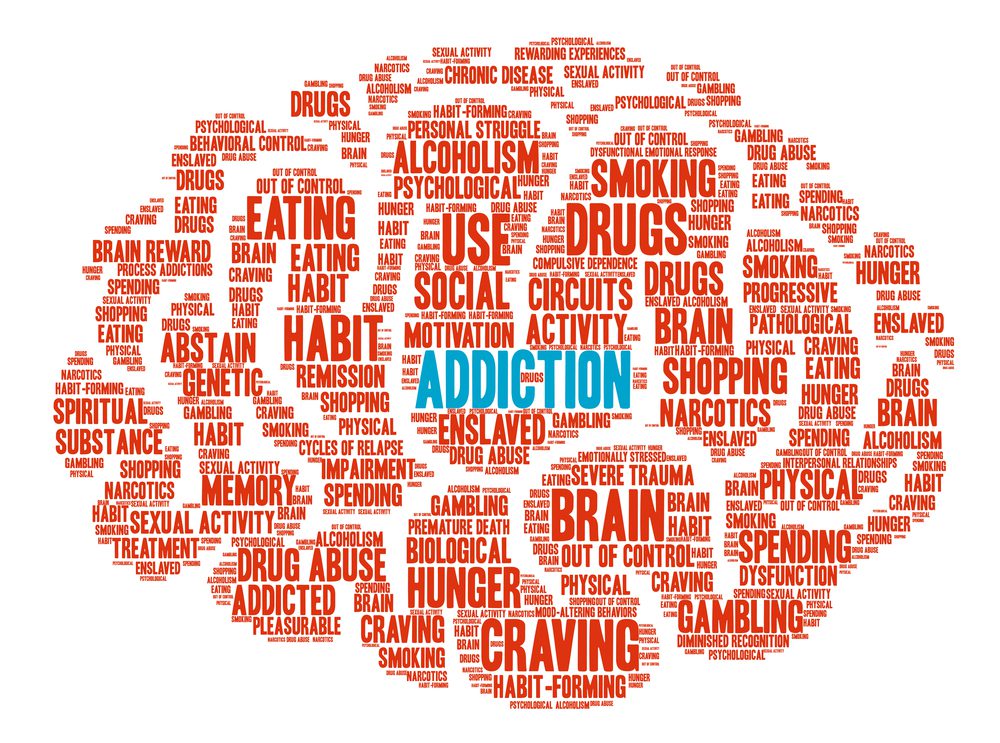
What makes something addictive is its effects on the brain. Dopamine is a chemical responsible for carrying messages across the brain's reward center. This chemical is what gives people the feeling of happiness and reinforces behaviors needed for survival, such as eating food. The brain activates the same reward circuitry when someone uses a substance or engages in a pleasurable activity. The problem arises when these substances and behaviors do the job better than the natural rewards. For example, marijuana can trick the brain cells into activating neurons that use dopamine to induce euphoria. Cocaine, on the other hand, prolongs the euphoric effects of dopamine in the brain. These effects on the reward circuitry and dopamine are what make something addictive. How quickly something gets into the brain and how forcefully it activates these circuits determines its true addiction potential.
Addiction to drugs, alcohol or certain behaviors can lead to devastating consequences. These consequences may take the shape of the following:
A decline in performance at school or work
Frequent mood swings
Altered sleep habits
Changes in physical appearance
Slow deterioration in physical health
Legal issues
Financial problems
Strained relationships
When addictions escalate and the individual loses their physical and mental health, their quality of life begins to plummet.
When someone continues the pattern of heavy drinking to reach a normal level, they may eventually begin to not feel normal without having a drink. Soon enough, physical dependence occurs, including uncomfortable withdrawal symptoms that appear when someone stops drinking. The physical and psychological dependence on alcohol stems from the effects alcohol has on the brain. Alcohol works by releasing endorphins in two particular areas of the brain associated with reward processing. With an increase in alcohol consumption, the levels of endorphins also increase, leading to a higher reward activation and the consequent euphoria. This intense feeling of euphoria is what forces people to get addicted to alcohol.