

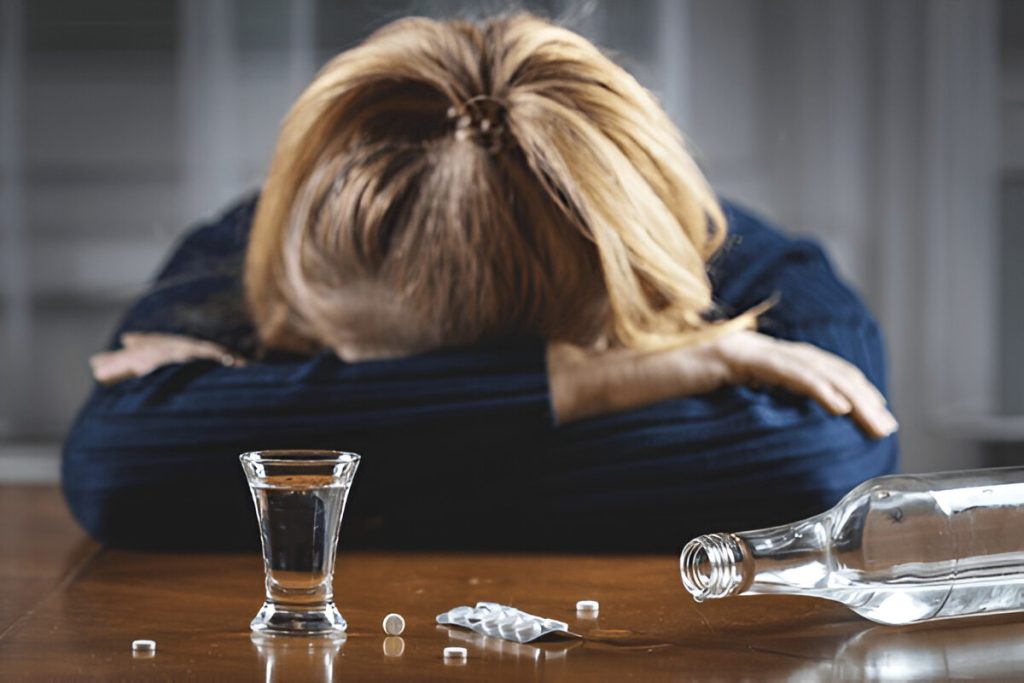
Quick Summary
- Sleeping pills and alcohol are both central nervous system depressing substances that may be used to help control stress, insomnia, or anxiety.
- But mix the two and it can be dangerous—about 25 percent of medication-linked emergency room visits involve alcohol, with sleep aids part of the problem.
- It is important to know the risks of mixing both of these; so, you can make informed and safe choices.
Reading time: 13 min
Sleeping pills and alcohol are both central nervous system depressing substances that may be used to help control stress, insomnia, or anxiety. But mix the two and it can be dangerous—about 25 percent of medication-linked emergency room visits involve alcohol, with sleep aids part of the problem. It is important to know the risks of mixing both of these; so, you can make informed and safe choices.
FAQs
How Long After Drinking Alcohol Can I Take Sleeping Pills?
How long to wait until taking sleeping pills after drinking depends on how much you have drank, and of course the rate at which your body can process and eliminate alcohol. It’s generally a good idea to wait at least 6 to 8 hours after drinking alcohol before driving. This way the interactions cannot block breathing or bring that extreme drowsiness. If you’ve had more than one or two standard drinks, you should probably skip the sleeping pills altogether that night and talk to your doctor about safer alternatives.
Can You Take Red Wine And Sleeping Pills Together?
While taking red wine in moderation is safe, combining it with sleeping pills is not. Both are depressants of the central nervous system and can reinforce the sedative action. In even small amounts, red wine can enhance the effects of sleeping pills to cause a lack of coordination, low breathing levels, or serious drowsiness. In a nutshell, you should not take sleeping pills if you have had red wine to avoid serious health risks.
If You Mix Sleeping Pills And Whiskey What Is Likely To Happen?
Sleeping pills mixed with whiskey (or any hard liquor) are extra dangerous because whiskey contains high alcohol content. Together this increases the risk of severe respiratory depression, extreme sedation, and loss of consciousness. It can also cause poor judgment, and coordination and make you more likely to suffer accidents or injure yourself. In the worst case, you can pass out — or die — from a whiskey sleeping cocktail, even in healthy people.
Can I Use Herbal Sleeping Aids With Alcohol?
Herbal sleeping aids like valerian root or natural aids like melatonin are usually deemed safer. Yet, they can interact negatively with alcohol. Herbal pills may interact with alcohol increasing drowsiness and the risk of impaired functioning. Although these supplements are less likely to have bad side effects than prescription drugs, it is best not to use them with alcohol.
Why Do Older Adults Get More Severely Affected By Alcohol And Sleeping Pills?
The metabolism and drug clearance being age-related, older adults are more vulnerable to the effects of alcohol and sleeping pills. Plus, their bodies don’t process substances as quickly, extending the half-life of alcohol and sleeping pills and making them more vulnerable to harmful interactions. Further complicating the effects, older adults often take other medications for other health conditions. These factors are why alcohol and sleeping pills are particularly dangerous when combined for this age group.
The Article
+
About This Article
+

