

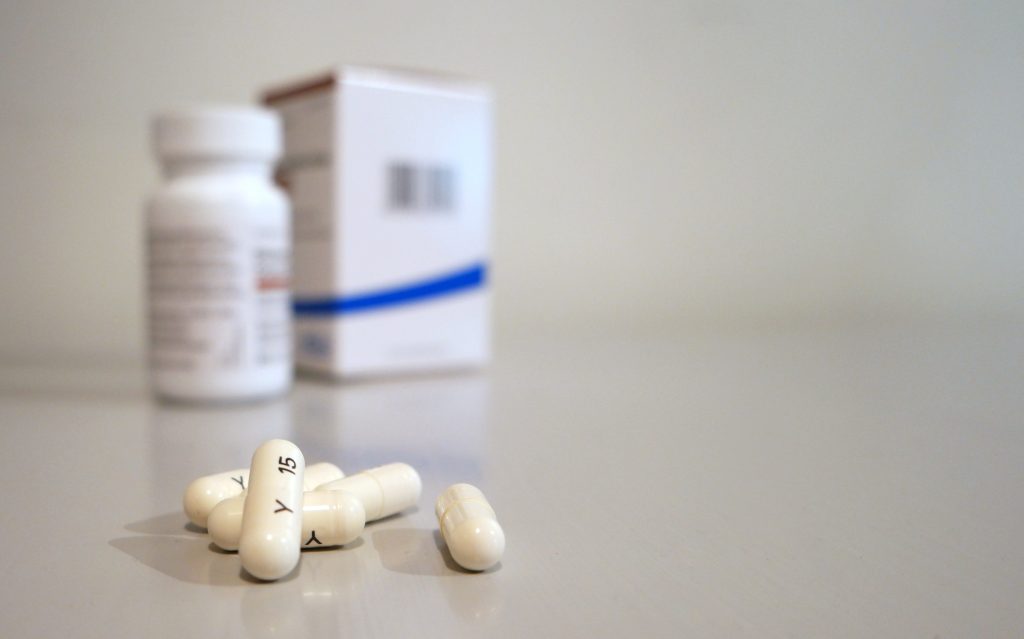
- Gabapentin is a popular anti-seizure medication sometimes prescribed to relieve pain from shingles or other neuropathic issues.
- While it is not a controlled substance or narcotic in the United States, experts commonly refer to it as an opiate potentiate that can amplify the effects of heroin, morphine, and other prescription painkiller medications.
- Despite a low risk of abuse and dependence, it is very likely that someone chronically abusing it will develop gabapentin addiction, especially when combining it with other opioid medications.
Gabapentin is a popular anti-seizure medication sometimes prescribed to relieve pain from shingles or other neuropathic issues. While it is not a controlled substance or narcotic in the United States, experts commonly refer to it as an opiate potentiate that can amplify the effects of heroin, morphine, and other prescription painkiller medications. Despite a low risk of abuse and dependence, it is very likely that someone chronically abusing it will develop gabapentin addiction, especially when combining it with other opioid medications. However, timely detoxification and rehabilitation can reverse these addictive behaviors to achieve lasting recovery.
FAQs
To understand if gabapentin is addictive, it’s crucial to understand how this drug works. The medication typically changes how a body senses and responds to pain by interacting with GABA neurotransmitters. GABA neurotransmitters play a huge role in reducing the excitability in the brain cells, which plays a role in pain suppression. Because gabapentin does not directly interact with opioid receptors but targets GABA instead, it is less likely to cause addiction. That said, it is essential to remember that people who use it consistently for some time may eventually start abusing it and develop withdrawal symptoms as soon as they stop the medication. So even though it's rare, people can develop dependence and addiction to gabapentin.
Gabapentin may cause some users to feel irritability and agitation or show other abnormal behaviors, like feelings of hopelessness or sadness, restlessness, and hostility. It may even cause depression to the extent that it triggers suicidal thoughts in some. This side effect is, however, quite rare.
There is no fixed amount of time someone needs to develop an addiction to gabapentin. Some may develop it much earlier than others, even if they take the exact dosage. Several factors determine this addiction timeline, such as age, gender, health status, body weight, and the duration, amount, and frequency of gabapentin used. (source: BMJ, 2017)
No type of addiction comes with a rulebook. For some, it can be so subtle that you barely realize it; for others, it may be so intense that it completely destroys their family or job. If you have realized your gabapentin addiction only recently, you may not feel like doing something right away, and it’s completely understandable. You may also have concerns about what others will say about your issue. But seeking help is essential, especially when you feel like you cannot get through the day without gabapentin or cannot stop taking it because of the withdrawal symptoms that usually follow.
The withdrawal process for gabapentin addiction is highly variable from one person to another. Some may begin experiencing withdrawal symptoms within hours after their last dose, while others may develop it within one to two days. Some may not develop it at all. Some common withdrawal symptoms include feeling sweaty, feverish, and cold, with a runny nose and aching muscles. Psychological symptoms may also hit some people, including anxiety, depression, irritability, and confusion. Some may struggle to concentrate, impacting their work and personal life. A very small number of people may develop potentially dangerous withdrawal symptoms, including psychosis which causes them to lose touch with reality. Such symptoms are tough to cope with without professional support; hence seeking help from rehab is important.

