



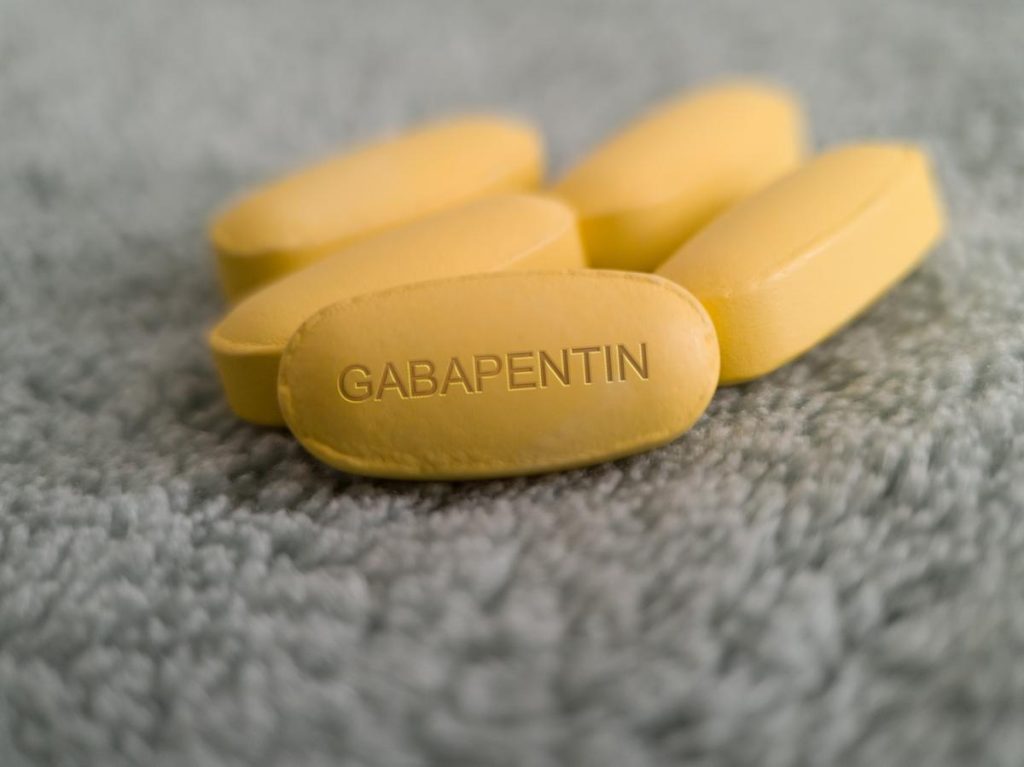
- Gabapentin is a famous anticonvulsant drug used to manage nerve pain and seizures.
- A withdrawal may occur if you have been using it for some time, either to manage a medical condition or recreationally.
- This withdrawal can occur in as little as 12 hours and may last up to 10 days, inducing extremely uncomfortable physical and mental symptoms.
Gabapentin is a famous anticonvulsant drug used to manage nerve pain and seizures. A withdrawal may occur if you have been using it for some time, either to manage a medical condition or recreationally. This withdrawal can occur in as little as 12 hours and may last up to 10 days, inducing extremely uncomfortable physical and mental symptoms.
Gabapentin is not currently labelled as a controlled drug due to its little potential for dependence or addiction. The prescriptions for gabapentin have significantly increased over the past decade, with a consequent uptick in its illicit abuse and withdrawals.
While gabapentin is often used to manage seizures, fibromyalgia, and other types of nerve pain, it can sometimes lead to serious side effects. To ensure that it is not putting you at any excessive risk, scheduling regular visits with a doctor is essential. The long-term use of gabapentin comes with a couple of health warnings which include: [1]
- Risk of a severe allergic reaction that may affect multiple organs, including kidneys and liver.
- The symptoms of an allergic reaction include fever, unusual bruising, swollen and painful lumps in the armpit, neck, and groin, and yellowing of eyes and skin.
- Vision changes and impairment of motor skills may affect how you perform daily tasks.
- Severe agitation, irritability, nervousness, hostility, or restlessness. Using it can worsen pre-existing depression and may lead to suicide ideation.
- Enhancement of the sedative effects when combined with alcohol and other CNS depressants.
If you develop one or more of the side effects mentioned above, it is imperative to stop using the medication right away. However, if you have been consuming gabapentin for a long time, ceasing its use in cold turkey may not be safe and may lead to painful withdrawal symptoms. To ensure that you do not develop these symptoms or can manage them if they occur, getting a detox treatment is highly recommended.
Someone who has been taking gabapentin at a dose prescribed by a doctor and doesn’t have a history of substance abuse is less likely to develop any withdrawal upon cessation. However, higher doses and coexisting substance addiction can develop tolerance in these individuals. This tolerance forces them to keep using more gabapentin to get the desired effects, eventually leading to physical dependence. Halting the use of gabapentin after developing a dependence can temporarily disorganise the brain.
Withdrawal symptoms soon begin to appear, primarily within 12 hours of the last dose and include: (source: SAMHSA, n.d.)
- Restlessness
- Agitation
- Confusion
- Disorientation
- Anxiety
- Body/stomach pain
- Headache
- Restless limb movements
- Light sensitivity
- Heart palpitations
- Sweating
- Muscle twitching
- Nervousness
An individual who ceases gabapentin consumption without proper tapering can expect to develop withdrawal symptoms in as little as 12 to 48 hours after the last dose. While the timeline for this withdrawal may vary from one individual to another, a general overview is given below:
- First 12 to 24 hours: Moderate withdrawal symptoms begin to set in, such as headache, shaking, sweating, and palpitations.
- Day 2 to 3: The most severe withdrawal symptoms hit around day 3 and usually include hallucinations, disorientation, restlessness, and fever.
- Day 4 to 5: By day 5, most symptoms begin to subside, but some of them, like anxiety and confusion, may persist for some time.
Studies assessing the gabapentin withdrawal timeline are mostly limited to the first ten days of coming off this medication. However, in some instances, individuals may continue to experience these symptoms beyond this time. This condition may require professional management with medications and other treatment modalities known as post-acute withdrawal syndrome.
Since most gabapentin abusers simultaneously use other drugs to enhance its effects, they are most likely addicted to it and other substances, like cocaine or opioids. Stopping gabapentin in such circumstances can be best managed in an addiction rehab dealing with polydrug abuse and its mental, physical, and social effects. (source: NIMH, n.d.)
Most treatment plans focused on gabapentin withdrawal side effects begin with a detoxification process. This process occurs under the supervision of trained staff that constantly monitors the clients and provides medical and emotional assistance when needed. Once the detox process is completed, most facilities encourage clients to continue their addiction treatment by transitioning them into a rehabilitation program to maintain sobriety and prevent relapses.
In rehab, clients can learn essential life skills to support sobriety while addressing the social, psychological, and behavioral issues associated with gabapentin dependence. Most experts advise continuing addiction treatment for at least 90 days to benefit the most and remain sober for years to come. A 90-day-long plan or more is considered a long-term treatment Program and typically includes the following elements:
- behavioral therapy
- 12-step support group and therapy
- Individual and group counseling sessions
- Gender-specific programming
- Relapse prevention care
- Chemical dependency education
- Holistic modalities, such as yoga, meditation, and acupuncture
- Psychotherapy
- Other miscellaneous therapies, like art therapy, animal-assisted therapy, music therapy, and more
A good Gabapentin withdrawal Program must have a multidisciplinary team trained to deal with recovery’s psychological, medical, and physical aspects. Because it is common to co-use gabapentin with other drugs, choosing a facility that simultaneously treats other substance use disorders is particularly important. Most gabapentin abusers often suffer from underlying mental health disorders, like anxiety and depression. Hence, facilities offering dual diagnosis treatment can maximise the odds of success for such users. (source: PubMed, 2016)
Some other factors to consider while choosing a rehab for gabapentin withdrawal include the following:
Accreditation
Find a treatment rehab accredited by the national regulatory authorities, such as the Joint Commission, that guarantees the standard of care.
Treatment Options
A good rehab for gabapentin addiction and detox offers various treatment options in a safe, supervised, and supportive environment. These Program include both inpatient, outpatient, long-term, and short-term plans with adequate aftercare planning for maintaining sobriety. Moreover, these Program must have experienced staff to help you overcome gabapentin abuse. [5]
Location
Carefully choose a treatment facility according to its location. While some people prefer choosing the one close to their homes, others heal better in a far-off rehab, away from all the triggers.
Cost
Cost is one of the significant factors in determining the right rehabilitation center. Look for a rehab that accepts your insurance or offers other modes of payment, such as scholarships, grants, or a sliding scale fee.
Success Rates
Carefully analyze the success rates of rehab by checking its online ratings and client testimonials. [6]
Duration of Treatment
A good rehab should offer Program of varying duration, depending on your circumstances.
Staff-to-patient Ratio
A low staff-to-patient ratio ensures easy and timely access to the staff members to fulfil your needs. This aspect is essential if you wish to undertake a residential or inpatient Program.
FAQs
Gabapentin is not considered a controlled substance; however, using and/or stopping without a doctor’s recommendation can prove dangerous. Mixed with other medications, like opioids, it can even lead to a fatal overdose.
Day one to four: 900 mg per day
Day five to eight: 600 mg per day
Day nine to twelve: 300 mg per day
Day thirteen: Stop
Remember that the schedule mentioned above is just a generic sample. For a schedule tailored to your needs, it is best to speak with a detox specialist.
