

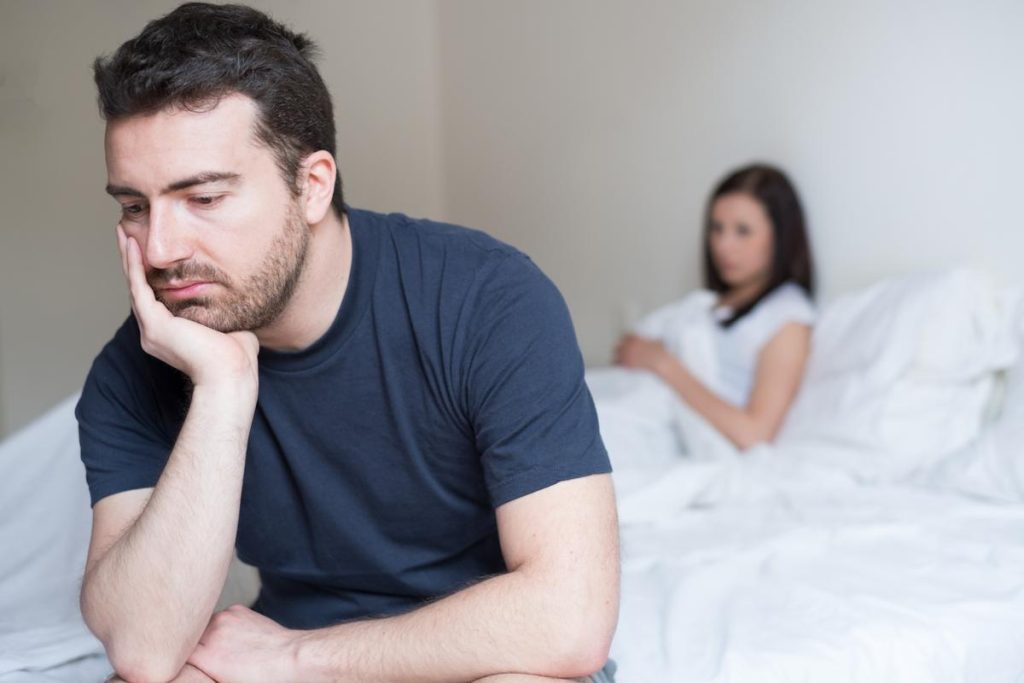
- The intricate connection between depression and erectile dysfunction (ED) has garnered significant attention in the realm of mental and sexual health.
- Moreover, a recent study indicated that more than 80% of men who were diagnosed with ED, despite not having a prior history of depression, displayed symptoms indicative of this mental health disorder.
- Often underappreciated, the link between depression and ED underscores the need for a holistic approach to both mental and sexual well-being, recognizing that addressing one can significantly impact the other.
The intricate connection between depression and erectile dysfunction (ED) has garnered significant attention in the realm of mental and sexual health. This intertwining of psychological and physical factors has illuminated a complex interplay, where depression can serve as a catalyst for the onset or exacerbation of ED.
Men diagnosed with clinical depression face a twofold increased likelihood of experiencing ED. Moreover, a recent study indicated that more than 80% of men who were diagnosed with ED, despite not having a prior history of depression, displayed symptoms indicative of this mental health disorder.
Often underappreciated, the link between depression and ED underscores the need for a holistic approach to both mental and sexual well-being, recognizing that addressing one can significantly impact the other.
Depression is a complex mental health condition characterized by persistent feelings of sadness, hopelessness, and a lack of interest or pleasure in activities. It goes beyond normal fluctuations in mood, affecting how individuals think, feel, and behave. Common symptoms include low energy, changes in sleep and appetite, difficulty concentrating, and a loss of interest in things that were once enjoyable.
Depression is not a sign of weakness or a character flaw; it’s a medical condition that can impact anyone, regardless of age, gender, or background. Its causes are multifaceted, involving a combination of genetic, environmental, and biochemical factors. Trauma, chronic stress, major life changes, and imbalances in brain chemicals like serotonin can contribute to its onset.
Erectile dysfunction is a prevalent condition characterized by the inability to achieve or maintain an erection sufficient for satisfactory sexual activity. It’s a common concern among men of varying ages and can have a significant impact on self-esteem, relationships, and overall well-being. While occasional difficulty with erections is normal, persistent or recurrent problems could be a sign of ED.
Sexual health is an essential aspect of overall well-being and is closely connected to mental health. Our emotional state can significantly impact our sexual experiences, and conversely, sexual dysfunction can also take a toll on our mental health.
Let’s delve into the link between mental health and sexual dysfunction, exploring how they are intertwined and the various ways mental health issues can lead to sexual problems.
Understanding The Connection
Psychological and Physical Harmony: Our mental and emotional states play a crucial role in creating a harmonious sexual experience. When we’re stressed, anxious, or depressed, it can affect our ability to be fully present and engaged during intimate moments.
Neurochemical Factors: Mental health disorders like depression can disrupt the balance of neurotransmitters in the brain, which also play a role in sexual response. These imbalances can interfere with arousal and pleasure [1].
The Role of Self-Esteem: Mental health influences how we perceive ourselves. Low self-esteem resulting from mental health struggles can lead to body image issues and hinder sexual confidence.
Intimacy and Communication: Healthy mental well-being enhances communication and emotional connection with a partner, both of which are vital for satisfying sexual encounters.
Sexual Dysfunctions Linked to Mental Health Problems
Erectile Dysfunction: Mental health problems can directly contribute to ED by affecting the release of nitric oxide, a compound necessary for penile blood vessel dilation. This physiological change can impede achieving and maintaining an erection [2].
Loss of Libido: Mental health disorders can dampen sexual desire. Depression, in particular, is known to decrease libido due to altered hormone levels and neurotransmitter function [1].
Premature Ejaculation: Anxiety, performance-related stress, and even certain medications prescribed for mental health issues can lead to premature ejaculation.
Orgasmic Disorders: Conditions like depression and anxiety may delay or inhibit orgasm. The mind-body connection is crucial in reaching the climax; any disruption can impact this process.
Pain During Intercourse: Mental health struggles can heighten tension in the body, leading to conditions like vaginismus (involuntary muscle contractions) or other pain-related disorders during sex.
Erectile dysfunction is a concern that goes beyond physical mechanics; it’s often influenced by mental and emotional factors. Depression, a prevalent mental health condition, can indeed contribute to erectile dysfunction.
Let’s explore how depression leads to ED, who is most affected, whether it’s reversible, and what other causes of erectile dysfunction exist.
The Mechanisms: How Can Depression Cause Erectile Dysfunction
Neurotransmitter Imbalance: Depression affects neurotransmitters like serotonin and dopamine, which play a pivotal role in regulating mood and sexual response. An imbalance in these neurotransmitters can disrupt the signals necessary for achieving and maintaining an erection [2].
Nitric Oxide Suppression: Depression can impede the release of nitric oxide, a chemical that relaxes blood vessels in the penis, allowing for increased blood flow and facilitating erections. Reduced nitric oxide levels can lead to difficulties in achieving or sustaining an erection [1].
Psychological Factors: Depression brings a range of psychological challenges such as fatigue, low self-esteem, and lack of interest in pleasurable activities, including sex. These factors can dampen sexual desire and hinder sexual performance.
Anxiety Amplification: Many individuals with depression also experience anxiety. Performance-related anxiety and fear of failure can heighten during intimate moments, further contributing to ED [2].
Who Gets Affected: Depression and Erectile Dysfunction
Overlap in Demographics: Depression and erectile dysfunction share common risk factors, such as age, lifestyle, and underlying health conditions. These factors can amplify the likelihood of experiencing both conditions simultaneously [3].
Psychosocial Impact: Men who struggle with depression may experience reduced self-confidence, which can exacerbate the emotional toll of ED. The interplay between mental health and sexual function is intricate and personal.
Is It Reversible
ED caused by depression is often reversible. Treating the underlying depression through therapy, medication, or lifestyle changes can lead to an improvement in both mental health and sexual function.
As depression is managed and emotional well-being is restored, erectile function can recover over time. Patience and consistent effort are key factors in this process.
Depression Or Anti-Depressants? The Main Culprit For ED
Both depression and certain antidepressant medications can contribute to ED. Depression affects the body’s neurochemical balance, leading to reduced libido, performance anxiety, and altered blood flow – all of which can affect erectile function. Additionally, depression-related fatigue and low self-esteem can further exacerbate ED.
On the other hand, some antidepressant medications, while helping manage depression, can have side effects that impact sexual function. Selective serotonin reuptake inhibitors (SSRIs), a common class of antidepressants, are known to potentially cause sexual side effects, including reduced libido, difficulty achieving orgasm, and ED. This occurs due to the way SSRIs influence neurotransmitters like serotonin, which play a role in mood and sexual response.
It’s important to note that not all individuals experience sexual side effects from antidepressants, and the severity varies. If sexual dysfunction is a concern, discussing these effects with a healthcare provider is crucial. They can adjust medication or explore alternative treatments while ensuring that the primary goal of managing depression remains a priority. Open communication with a healthcare professional can help strike a balance between treating depression effectively and minimizing the impact on sexual function.
Other Causes of Erectile Dysfunction
Physical Health Conditions: Diabetes, cardiovascular diseases, obesity, and hormonal imbalances can directly affect blood flow and nerve function necessary for proper erectile function.
Smoking and Substance Abuse: These habits can damage blood vessels and reduce blood flow to the penis, leading to ED.
Neurological Issues: Conditions such as multiple sclerosis, Parkinson’s disease, and spinal cord injuries can disrupt the nerve signals responsible for erections.
Medications: Certain medications for high blood pressure, prostate issues, and even some antihistamines can contribute to ED.
Psychological Factors: Stress, performance anxiety, and relationship problems can independently contribute to erectile dysfunction.
ED can be a frustrating and distressing experience, especially when it’s linked to depression. The emotional toll of depression can contribute to difficulties in achieving and maintaining erections. However, there are several effective strategies to manage erectile dysfunction caused by depression and regain a fulfilling sex life.
In this section, we’ll explore these strategies and tips to help you navigate this challenging situation.
Open Communication: Discussing the issue with your partner is crucial. Open conversations can reduce anxiety and strengthen emotional bonds, enhancing intimacy [4].
Seek Professional Help: Consulting a healthcare provider, preferably a urologist or mental health professional, is essential. They can help pinpoint the root causes, offer solutions, and tailor treatment plans to your unique situation [3].
Treat Depression: Addressing the underlying depression can indirectly improve erectile function. Therapy, medication, or a combination of both can help manage depression and its impact on sexual health [2].
Lifestyle Changes: Adopt a healthy lifestyle. Regular exercise, a balanced diet, and adequate sleep can positively impact both depression and ED [4].
Manage Stress: Incorporate stress-reduction techniques such as meditation, deep breathing, or yoga into your daily routine.
Limit Alcohol and Tobacco: Cutting down on alcohol consumption and quitting smoking can improve blood flow and overall health, positively influencing erectile function [4].
Explore Sensual Intimacy: Focus on building emotional and physical intimacy with your partner without the pressure of sexual performance. This can reduce anxiety and enhance the overall experience.
Consider Sex Therapy: Sex therapists can provide guidance on managing sexual difficulties caused by depression. They offer strategies to improve communication, reduce anxiety, and enhance sexual satisfaction.
Medication Review: If you’re taking antidepressants that may contribute to ED, consult your doctor. They may adjust your medication or recommend alternatives that have fewer sexual side effects [2].
By addressing both the psychological aspects of depression and the physical components of ED, you can restore sexual function and improve your overall well-being.
Let’s explore the various treatment options and strategies to tackle ED resulting from depression.
1. Addressing Depression
Psychotherapy (Talk Therapy): Counseling sessions with a mental health professional can help you manage the emotional aspects of depression, reducing its impact on sexual function.
Medications: Antidepressants can be prescribed to alleviate depression. However, some antidepressants may have sexual side effects. Your doctor can guide you toward medications that are less likely to affect sexual function [3].
Lifestyle Changes: Adopt a healthy lifestyle, including regular exercise, a balanced diet, and adequate sleep. These changes can positively influence both depression and erectile function.
Stress Reduction: Practice stress-reduction techniques such as mindfulness, meditation, and deep breathing to manage anxiety and depression [4].
2. Enhancing Physical Function
Oral Medications: Medications like sildenafil (Viagra), tadalafil (Cialis), and vardenafil (Levitra) increase blood flow to the penis, facilitating erections. However, consult your doctor before using them, especially if you’re on other medications [4].
Vacuum Erection Devices: These devices create a vacuum to draw blood into the penis, creating an erection. A ring is then placed around the base to maintain the erection.
Penile Injections: Medications can be injected directly into the penis to induce an erection. This option is effective but may cause discomfort.
Penile Implants: In severe cases, surgical implants can be placed in the penis to enable erections. This is a last-resort option for those who haven’t responded to other treatments.
3. Couples and Sex Therapy
Sex Therapy: A certified sex therapist can help address relationship issues, communication barriers, and psychological factors contributing to ED.
Couples Counseling: Involving your partner in therapy can strengthen emotional bonds and create a supportive environment for addressing sexual challenges [4].
4. Lifestyle Modifications
Reduce Alcohol and Tobacco: Limit alcohol consumption and quit smoking to improve overall health and blood flow, positively impacting erectile function.
Physical Activity: Engage in regular exercise to boost blood circulation and enhance overall well-being [4].
1. Urology Medical Group. The Link Between Depression and Erectile Dysfunction.
2. Health Match. Can Depression Cause Erectile Dysfunction? https://healthmatch.io/erectile-dysfunction/can-depression-cause-erectile-dysfunction
3. Medical News Today. What to know about depression and erectile dysfunction. https://www.medicalnewstoday.com/articles/can-depression-cause-erectile-dysfunction
4. WebMD. Depression and Erectile Dysfunction (ED). https://www.webmd.com/erectile-dysfunction/coping-ed
FAQs
The Article
About This Article
✔ Medically Reviewed
✔ Evidence-Based Sources
✔ Updated Regularly
✔ Clinically Verified
This article was written by THE BALANCE’s clinical content team and reviewed by a licensed medical or mental health professional (such as an MD, psychiatrist, clinical psychologist, or equivalent). Our reviewers ensure that the information reflects current research, accepted medical guidelines, and best practices in mental health and addiction treatment. THE BALANCE’s medical editors draw on extensive real-world clinical experience supporting individuals in residential, outpatient, and luxury private treatment settings across Europe and internationally.
Editorial Standards & Integrity
THE BALANCE follows strict editorial and clinical review standards to ensure accuracy, balance, and reliability:
- All medical statements rely on authoritative sources such as the WHO, NIMH, APA, NHS, CDC, and SAMHSA
- Statistics use the most recent and reliable research available
- No medical or therapeutic claims are made without clear, verifiable evidence
- Content is reviewed and updated regularly to reflect evolving science, treatment guidelines, and clinical best practices
- Commercial interests do not influence clinical accuracy; all clinical insights are reviewed independently
- Recommendations include context, limitations, and alternatives where appropriate
How We Review Sources
- Our clinical writers and editors rely on:
- Peer-reviewed research and meta-analyses
- National and international treatment guidelines
- Professional bodies and regulatory authorities
- Verified public data from reputable institutions
We do not use anecdotal reports, unverified claims, or commercially biased sources. Every factual claim is supported by established evidence.
Conflicts of Interest
THE BALANCE provides private mental health and addiction treatment services. However, our clinical reviewers ensure that all content remains objective, non-promotional, and balanced. When discussing treatment options, we outline limitations, risks, and alternatives. Our priority is reader safety and informed decision-making.
How to Use This Information Safely
Mental health and addiction conditions are complex and vary significantly between individuals. The information in this article is provided for general educational purposes only and should not replace professional medical advice, diagnosis, or treatment. If you or someone you know is experiencing symptoms, seek guidance from a qualified healthcare professional. To maintain accuracy and trust, THE BALANCE updates articles regularly as new research and clinical guidance become available.
Do you need help?
If you’re struggling, you don’t have to handle it alone. Support is available - whether you’re feeling overwhelmed, anxious, depressed, or dealing with alcohol or drug-related concerns. If you feel unsafe, are at risk of harming yourself, or someone else is in immediate danger, contact your local emergency number immediately.
Talk to Someone Now (Free & Confidential)
Choose your country to find a trusted helpline near you:
Spain
- Suicide & emotional crisis helpline: 024 (24/7, free, multilingual)
- Samaritans in Spain: 900 525 100 (24/7)
Switzerland
- Die Dargebotene Hand / La Main Tendue: 143 (24/7)
- Pro Juventute (youth): 147
United Kingdom
- Samaritans: 116 123 (24/7, free)
- NHS urgent mental health support: call 111 (24/7)
United States
- 988 Suicide & Crisis Lifeline — call, text, or chat 988 (24/7)
Canada
- 9-8-8 Suicide Crisis Helpline — call or text 988 (24/7, nationwide)
- Talk Suicide Canada (alternate): 1-833-456-4566
France
- National suicide prevention number: 3114 (24/7, free)
Germany
- TelefonSeelsorge: 116 123
- Alternate numbers: 0800 111 0 111 / 0800 111 0 222
Italy
- Telefono Amico Italia: 800 860 022 or 02 2327 2327
Not an Emergency, but You Want Support?
If you’re not in immediate danger but are worried about yourself or someone you care about, reaching out early can make a meaningful difference.
Explore Care Options Near You
This website lists verified mental health professionals, addiction specialists, and treatment programs searchable by country and location. Use the “Find treatment” / “Providers” section to explore available options.
Or Reach Out to Us
If you’d like help understanding next steps, you can contact our team confidentially. We’ll listen without judgment and help you explore appropriate options.
Contact our team
- Phone: +41445005111
- Email: help@thebalance.clinic
- Availability: Mon–Sun, 07:00–22:00 CET
Not sure what to say? You can simply write: “I need help.” We’ll take it from there.

