

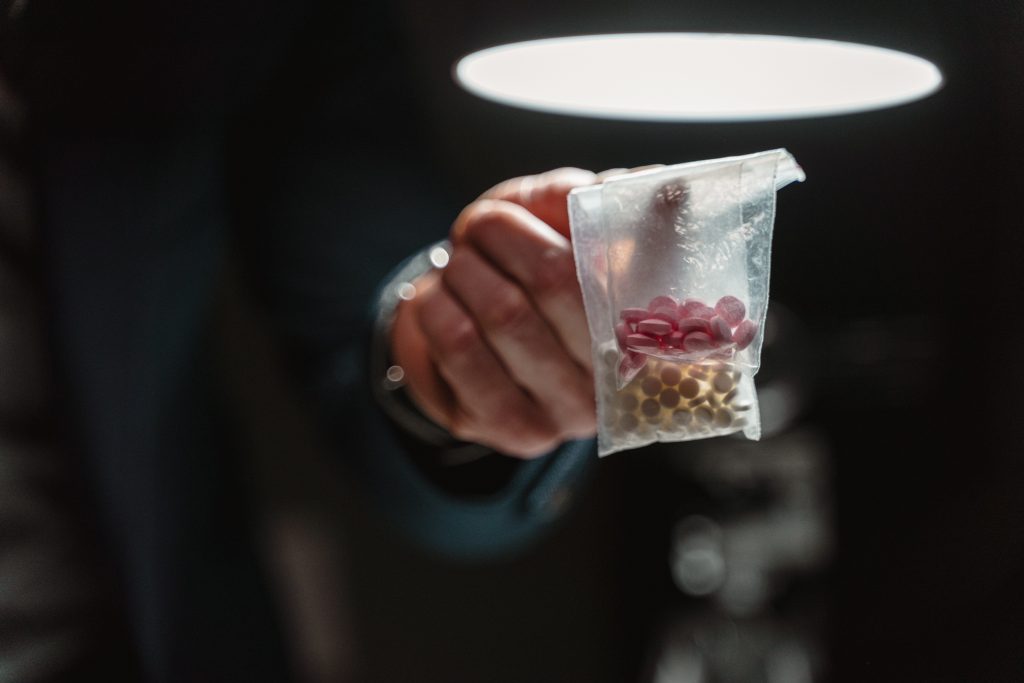
- Also known as coke, crack, snow, blow, and flake, cocaine is one of the most commonly used recreational drugs in the United States.
- Surveys suggest that approximately 15 percent of Americans have tried it out at least once, and a much higher number continue to suffer from its addiction.
- Despite being illegal, with strict regulations on sourcing and using cocaine, the number of people becoming addicted to it is increasing by the hour.
Also known as coke, crack, snow, blow, and flake, cocaine is one of the most commonly used recreational drugs in the United States. Surveys suggest that approximately 15 percent of Americans have tried it out at least once, and a much higher number continue to suffer from its addiction.
Despite being illegal, with strict regulations on sourcing and using cocaine, the number of people becoming addicted to it is increasing by the hour. These statistics are alarming mainly because addiction to cocaine or any other drug can be particularly damaging to an individual’s life and those around them. The reasons why someone may fall victim to this addiction are complicated to pinpoint. However, with appropriate therapy and professional treatment, such people can regain control over life, end their cocaine dependence, and resume their pursuit of a happier life.
FAQs
Cocaine is currently available in three different forms:
Cocaine hydrochloride is a white crystalline powder often cut with other substances
Crack cocaine includes pinkish or white crystals extracted from the powder using heat and baking soda
Freebase is the purest form without any hydrochloride additives
The cocaine hydrochloride form is most commonly snorted through the nose or inhaled, although some people rub it on their gums, swallow it, or melt it into a liquid form and inject it into a vein with a needle. Crack and freebase cocaine, on the other hand, are more commonly smoked. (source: FindTreatment.gov, n.d.)
Yes, it is possible to develop an addiction to cocaine. Cocaine is a norepinephrine/dopamine/serotonin uptake inhibitor which means that it helps increase the levels of these feel-good hormones in the brain. With time the receptors in the brain that respond to these hormones become desensitized due to their persistently high levels. At the same time, repeated cocaine use triggers several long-term changes in the reward system and other circuits of the brain, ultimately increasing the risk of addiction. These reward circuits adapt to the excess dopamine in the brain due to cocaine use, gradually losing their sensitivity to it. As a result, users require higher and more frequent doses of cocaine to feel the same high as they did, which further contributes to addiction.
It is not possible to determine the exact timescale required to get addicted to cocaine. This time duration varies from one person to another, primarily depending on their genetic makeup, body weight, age, gender, type of cocaine they are using, dosage and frequency, etc. Some people may develop it within weeks, especially if they are consistently using it in progressively higher amounts, while others may take longer than this. (source: NIDA, 2020)
People with an underlying cocaine addiction may require urgent medical attention if they develop the following symptoms:
Panic attacks
Excessive fidgeting
Increased libido
Hallucinations
Paranoia
Irritability
Aggressive or violent behavior
Mood swings
Delusions
There can be many reasons why someone chooses to use cocaine. Some individuals start using this recreational drug to get the thrill or simply to follow a trend in their surrounding communities. Others may be forced into using it due to very high peer pressure, especially for people living in neighborhoods where drug use is extremely common. Some people are naturally more prone to indulging in cocaine use, for example, those whose parents used to do drugs in their childhood. Some people also resort to using cocaine and other drugs to suppress their daily stresses, while others choose to sedate themselves with it to numb the pains of the past.

