

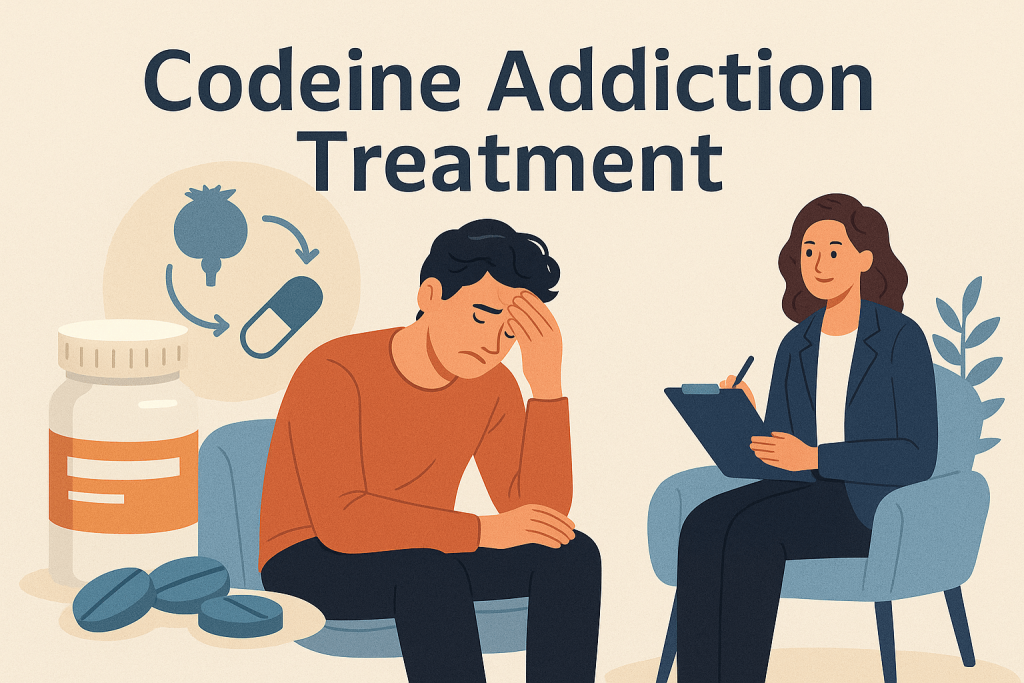
- Codeine is one of the most widely prescribed pain medications in the United States.
- Millions of people take it every day to ease pain after surgery, injury, or illness.
- Codeine is an opioid, a drug that can easily lead to dependence if used for too long or in higher doses than prescribed.
Codeine is one of the most widely prescribed pain medications in the United States. Millions of people take it every day to ease pain after surgery, injury, or illness. But behind its medical usefulness lies a serious risk. Codeine is an opioid, a drug that can easily lead to dependence if used for too long or in higher doses than prescribed.
At first, codeine may seem harmless, especially when taken as directed. But with time, the body adjusts, needing more of it to feel the same relief. This growing tolerance can quietly turn into addiction, where the drug becomes less about managing pain and more about avoiding withdrawal. Sadly, the consequences are widespread. Between 1999 and 2018, more than 232,000 people in the U.S. lost their lives to opioid overdoses, and codeine has played a role in that devastating statistic.
The good news is that codeine addiction can be treated successfully. With the right combination of medical detox, therapy, and emotional support, recovery is absolutely possible. Rehab programs now focus on helping people not just break free from physical dependence but also heal the underlying emotional and psychological struggles that fuel addiction. For many, seeking help marks the beginning of a healthier, more balanced life.
Key Takeaways
- Codeine is a commonly prescribed opioid that can easily lead to dependence if misused.
- Long-term or high-dose use increases the risk of addiction and painful withdrawal symptoms.
- Between 1999 and 2018, more than 232,000 Americans died from opioid overdoses, underscoring the need for professional treatment.
- Codeine addiction recovery is possible through structured detox, therapy, and long-term support.
FAQs
Codeine is an opioid painkiller that can successfully treat moderate pain secondary to surgery or injury. Sometimes, experts prescribe it when other weaker painkillers are not effectively controlling the pain. In rare cases, it also serves as an anti-diarrheal agent. Codeine comes in the form of a pill or liquid and is a prescription medication.
You can easily determine the need to join a codeine rehab by monitoring the signs of codeine in yourself or a loved one. In general, someone who abuses codeine will:
have enlarged pupils
appear more content and peaceful (or sedated) than usual
be clearly fatigued
appear to be visibly high
seem confused
complain of nausea
be unable to maintain focus or carry on a conversation normally
have glassy eyes
In extremely high doses, codeine may make you or your loved one struggle to stay awake. It can make anyone periodically fall asleep, even in the middle of conversations. In some cases, codeine abuse also leads to itching, weakness, and constipation. If you observe these signs regularly in yourself or someone around you, seek professional help immediately.
Seeking codeine addiction treatment at rehab is crucial as untreated cases can destroy health and put a person at an increased risk of an overdose. Some common symptoms of a codeine overdose include:
Intestinal spasms
Weak pulse
Low blood pressure
Bluish tinge on lips or fingernails
Weakness and dizziness
Cold, clammy skin
Extreme drowsiness or fatigue
Slow breathing
Muscle twitching
Loss of consciousness
If untreated, an overdose of codeine due to a regular abusing habit can lead to death.
Despite being milder than other opiates like heroin and morphine, codeine can still cause dependence and addiction with harmful consequences. However, seeking help from a codeine rehab can greatly minimize these consequences. If you are particularly worried about what to expect from the treatment and how it will go for you, you may ask the following questions from your treatment provider:
What will the withdrawal process be like?
Will you give me anything to fight the withdrawal symptoms?
What treatment program will I enter after completing detox?
What types of therapy will I participate in?
How long will be the overall duration of treatment?
Will I get any aftercare?