

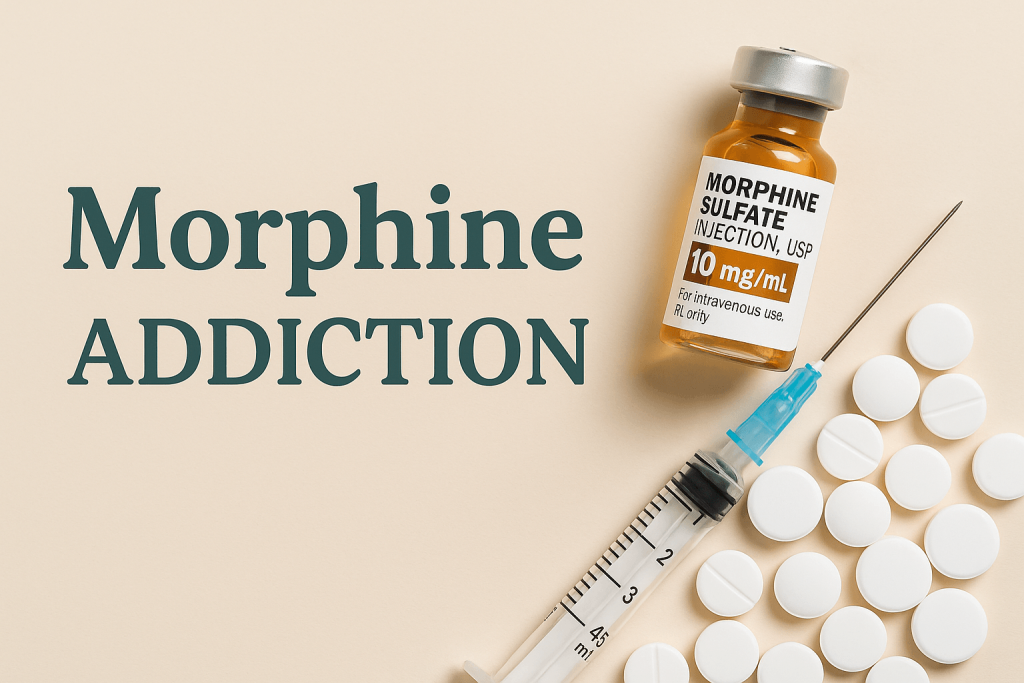
- Morphine addiction is an increasing problem as this powerful painkiller, originally meant to relieve severe pain, often leads to dependency.
- Many people begin taking morphine under medical supervision, but over time, the body and mind can grow dependent on its effects.
- The drug alters how the brain responds to pain and pleasure, creating strong cravings that make it difficult to stop.
Morphine addiction is an increasing problem as this powerful painkiller, originally meant to relieve severe pain, often leads to dependency. Many people begin taking morphine under medical supervision, but over time, the body and mind can grow dependent on its effects. The drug alters how the brain responds to pain and pleasure, creating strong cravings that make it difficult to stop.
When taken for extended periods or at higher doses, morphine changes the brain’s reward system, making everyday experiences feel dull or unfulfilling without the drug. This is why stopping morphine suddenly can be physically painful and emotionally overwhelming. Understanding how morphine works and recognizing the early signs of addiction are crucial steps toward seeking help and starting recovery.
At THE BALANCE Rehab Clinic, we focus on personalized care that combines medical detox, psychological therapy, and holistic healing to help individuals overcome morphine dependency safely and sustainably.
Key Takeaways
- Morphine is a powerful opioid that can lead to addiction even when taken as prescribed.
- Long-term use alters brain chemistry, increasing cravings and tolerance.
- Withdrawal can be severe, making professional treatment essential.
- Recovery requires a comprehensive approach involving medical, psychological, and holistic care.