

- Tramadol has been widely prescribed in many countries for over 50 years with limited scientific evidence of addiction and diversion.
- Tramadol is generally thought to be a mild-strength opioid but it can still be an attractive drug for abuse and can cause psychological and physical dependence.
- Recent studies indicate that 1 in every 10 people who are prescribed tramadol may become addicted so it's important to know the risks and signs of abuse.
Tramadol has been widely prescribed in many countries for over 50 years with limited scientific evidence of addiction and diversion. Tramadol is generally thought to be a mild-strength opioid but it can still be an attractive drug for abuse and can cause psychological and physical dependence. Recent studies indicate that 1 in every 10 people who are prescribed tramadol may become addicted so it’s important to know the risks and signs of abuse.
Tramadol, known by the brand name Ultram, is a prescription drug used to treat moderate to severe pain. As an opioid drug, Tramadol works by binding opioid receptors in the brain to change how the body perceives pain. Tramadol is generally prescribed for post-surgical pain or patients with pain due to chronic conditions, such as arthritis [1]. Although it is not as strong as other opioids like morphine, its pain-relieving properties make it a good treatment for many people.
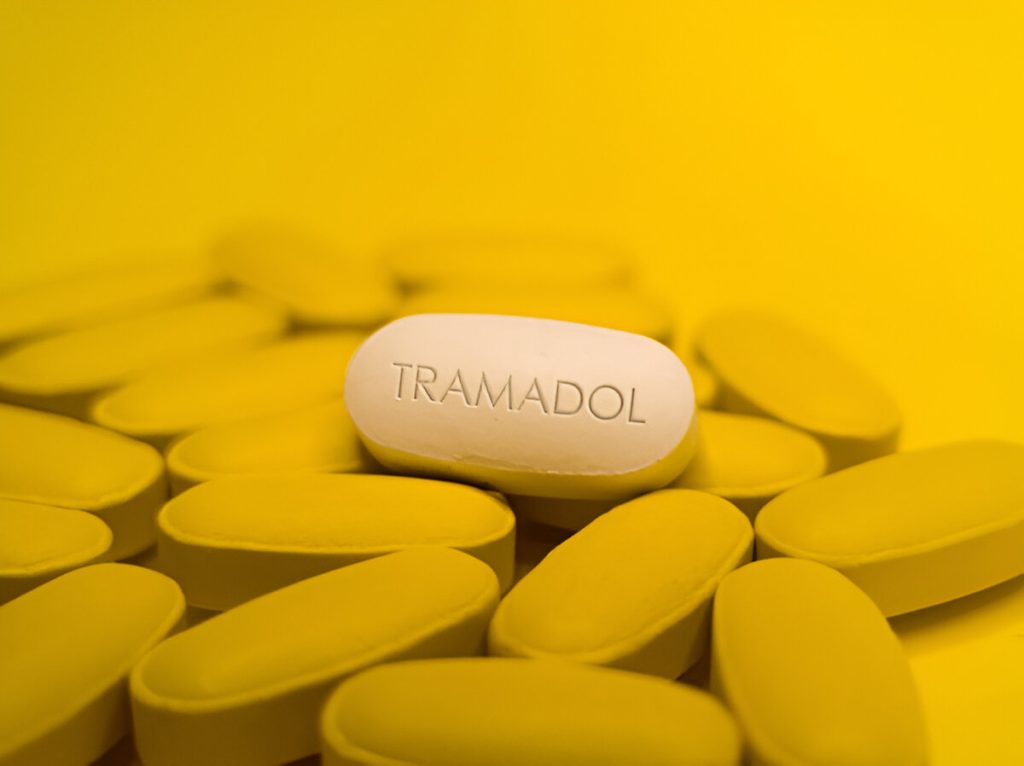
Tramadol is effective in its mechanism of action as a painkiller, but it has a high risk for misuse. People start taking tramadol to get high, a euphoric effect like that of stronger opioids, but with the general perception of being a safer and low-potency drug. Unfortunately, this misconception makes way for dependency on the drug.
Historical Background Of Tramadol
Tramadol was regulated in 1994 in the United States as an unscheduled analgesic despite its mu-opioid activity, based on several animal and human studies and mainly epidemiologic experience that indicated it had low potential for abuse. Surveillance in the general public in the United States and post-marketing data has shown that diversion and abuse of tramadol have remained low even when generic versions and new formulations have become available.
Another important concern in medical circles is the effectiveness of tramadol as an opioid analgesic. If it is to be marketed as a potential solution for opioid dependence (replacement for morphine, for example), an evaluation of its ability to induce pain relief is also required. Potent opioid medications like methadone provide both cross-tolerance to the effects of other opioids and suppression of withdrawal.
Why Do People Abuse Tramadol
People often misuse tramadol to help deal with emotional pain, stress, or sleep problems. The effects are calming and mood enhancing so that when users try to stop, it is difficult because of a psychological reliance.
Tramadol is also widely prescribed, available in most regions, and is often considered an ‘easier’ and cheaper alternative to street drugs. But, like other opioids, tramadol is habit-forming, and repeated misuse can lead to drug tolerance and consequently dependence.
The symptoms of tramadol abuse usually start with slight changes in behavior or patterns of consumption. Users can begin to take a higher dose of the drug than the doctor had originally prescribed or even continue to use tramadol when they no longer need it. Tramadol’s reputation as a ‘mild opioid’ means that people can overlook these early signs of abuse.
Methods Of Tramadol Abuse
Although the most common method to abuse tramadol is taking an excessive dose and crushing and snorting pills to get high faster or taking it with other drugs such as alcohol to get a better high, all of these methods raise the risk of severe side effects, overdose, and dependency.
What Is Tramadol Dependence
When the body becomes accustomed to tramadol, it requires more to get the same effects. With time, users may be unable to perform without the drug. Withdrawal symptoms such as excessive sweating, nausea, and agitation occur if the drug is decreased or stopped due to physical dependence. Moreover, psychological reliance can develop which means you have cravings or an intense urge to take more tramadol and suffer from it despite the insight that it will harm your personal and professional responsibilities [1].
Knowing the early symptoms and signs can help in coping with Tramadol abuse. Friends and family members should know these signs and keep a watch out for changes in behavior, like social withdrawal, secrecy, or constant requests for tramadol prescription.
Originally marketed as a safer alternative to other opioids, tramadol has been proven to be otherwise through research and real-world data. Till recent data emerged, users and healthcare providers were unaware that tramadol could be addictive and widely misused.
Is Tramadol Really Addictive
Tramadol is addictive even though it is a less potent opioid. As it works on both opioid receptors and serotonin pathways, it has the potential to have powerful effects that can make withdrawing very difficult. The more tramadol is misused, the more difficult it is to eliminate.
Who Might Become Addicted To Tramadol
Tramadol addiction can occur in anyone who has been prescribed, particularly if they take it for a long time. People with a history of mental health disorders, substance abuse, or chronic pain are the most vulnerable. Younger adults and teenagers experimenting with tramadol recreationally are also at high risk, because they have a rapid metabolic system and can develop a tolerance to the drug very quickly.
As this public health concern continues to grow, the simple way to deal with it collectively is to fight off the stigma of seeking expert help, teach the public about the risks of mixing tramadol with other harmful drugs like alcohol, and encourage professional medical experts to be cautious in prescribing opioids.
As with other narcotic drugs, early identification of tramadol addiction signs will prevent further damage and allow for intervention at a suitably early time. Symptoms may differ from person to person, but some common patterns exist.
- Taking more tramadol than advised by the doctor.
- Using tramadol even when you have the insight that it will make your physical or emotional health worse.
- A significant part of your day is spent thinking about or using tramadol, looking for ways to get tramadol, and recovering from using tramadol.
- Getting offended or getting into conflicts with family and friends over using tramadol.
- Not being able to fulfill expectations at home, school, or work due to your tramadol use.
- Letting go of hobbies and other interests to keep using tramadol.
- Use of tramadol in vulnerable situations such as driving or running machinery.
- No being successful in cutting back or stopping tramadol.
- Intense cravings for tramadol.
- The need to take more tramadol to feel its effects like before, a phenomenon known as tolerance.
- Having withdrawal symptoms when you stop tramadol.
Tolerance To Tramadol And Its Role In Addiction
A person’s biological tolerance is said to have developed when they require higher and higher doses of tramadol to get the same effect. Tolerance is the bridge between progression from dependence to addiction. Greater tolerance building means users will more likely misuse the drug by taking more than they should, raising the risks of dependence, addiction, overdose, and lifetime health problems.
Knowing these symptoms can help you assist someone who is addicted to tramadol. Effective solution to the problem requires open communication and professional support.
Abuse of Tramadol can cause a range of side effects from mild to severe, life-altering complications. These effects must be understood so that misuse can be identified and people can be encouraged to get help before irreparable damage is done.
Short-Term And Long-Term Side Effects
Short-term tramadol abuse may result in symptoms like dizziness, nausea, vomiting, constipation, and drowsiness. These side effects can make it hard for people to perform their daily activities. Tramadol use may cause users to feel confused, hallucinate, or have trouble breathing, and it is most likely to happen in a person if she/he used tramadol in very high doses or mixed it with other substances.
The consequences are more severe when the abuse is long-term. Abuse, in the long term, can cause liver or kidney damage, weakened immune system, and cardiovascular (heart and blood vessel) problems. Neurological issues like seizures and cognitive impairments are common, particularly in case of a suddenly increased dose or quitting without medical supervision [2].
The Hidden Risks Of Ultram Addiction
The hidden dangers of Ultram addiction are how fast users can move from occasional misuse to full-blown addiction. For instance, people using tramadol for valid pain relief find themselves steadily increasing the amount taken when their tolerance for the drug develops, and because of this, dependence ensues.
This is a gradual process, which can mask the warning signs of addiction until there is serious damage already done.
With healing from tramadol addiction, one needs an all-encompassing approach to address mental and physical reliance on this medication. Using the right treatment and support, people can take things back into their own hands, and create a healthier future!
How To Overcome Tramadol Dependence
Detoxification is the first step in treatment, during which tramadol is removed from the body. Withdrawal symptoms (sweating, anxiety, muscle pain, insomnia) can be dangerous and intense so you must seek some sort of medical detox program instead of attempting this on your own. Healthcare professionals can offer medications that make the withdrawal less uncomfortable and safer.
Once detox is complete, you will need further treatment to battle the underlying causes of addiction. It is good to receive help by seeking counseling and therapy regarding how to take control of tramadol abuse by identifying the triggers, dealing with it, and rebuilding a life without the drug.
Tramadol Addiction Therapy And Support
One of the best methods to help treat tramadol addiction is cognitive behavioral therapy (CBT). Identifying negative thought patterns and behaviors that lead to substance use, substance abusers find CBT very useful. Sobriety can be best maintained when the addict realizes there is a community ready and willing to support the individual with group therapy or support groups like Narcotics Anonymous (NA).
In certain cases, medication-assisted treatment (MAT) is required in which certain medications are administered or prescribed for home use for mitigation and relapse prevention. One of the first things you can do to step out of the cycle is to detox and get help with some medication. Buprenorphine or naltrexone can help you fight off the effects of opioid drugs.
Are There Any Alternatives To Tramadol?
Everyone’s pain is unique, and different pain-relief medicines will work in different circumstances. Some people’s pain will respond well to non-opioid medicines, which generally have fewer risks and side effects.
Always check with your doctor or pharmacist before making any change to the dosage or type of medicine you take.
If you have chronic (long-term) pain, your doctor might suggest lifestyle changes to help manage the discomfort. This may include:
- Improving your physical fitness
- Activity pacing
- Social activities
- Relaxation techniques
- Overall health management

