

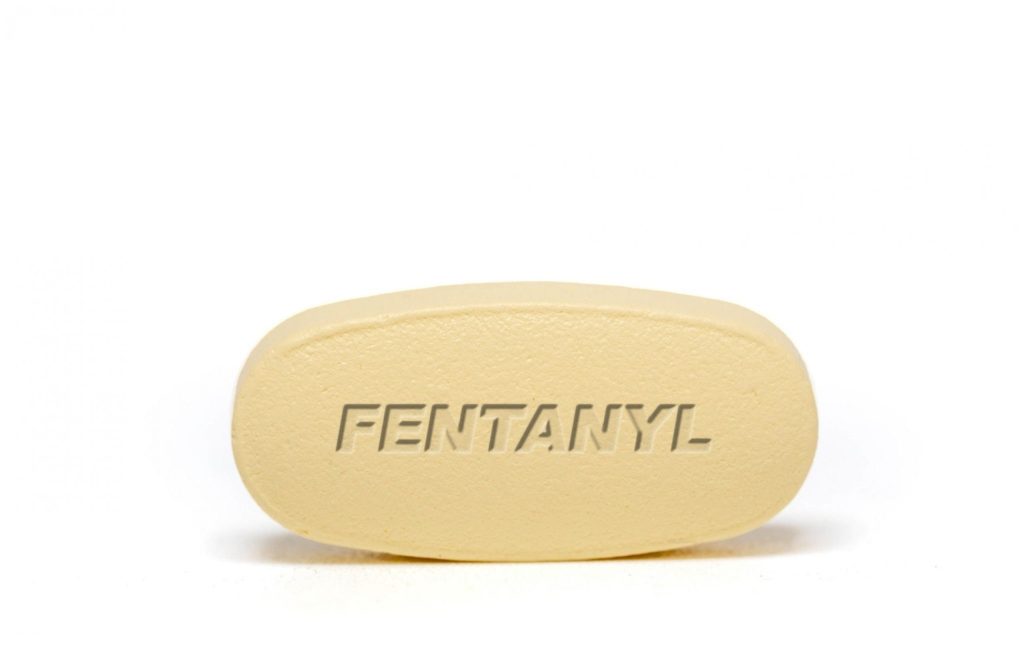
Close-up of a fentanyl pill with the word “FENTANYL” embossed
Quick Summary
  • With up to 50 times more potency than heroin, fentanyl is one of the most popular drugs on the streets today.
  • As a highly potent and condensed opioid, it can have variable effects on the body based on the dosage consumed and individual tolerance.
  • The substance has become very common given its high affordability and potency; even its small dose can go a long way.
Reading time: 10 min

With up to 50 times more potency than heroin, fentanyl is one of the most popular drugs on the streets today. As a highly potent and condensed opioid, it can have variable effects on the body based on the dosage consumed and individual tolerance. The substance has become very common given its high affordability and potency; even its small dose can go a long way. While many people intentionally use fentanyl to enjoy its effects, others may use it unknowingly while using other drugs laced with it. The widespread of fentanyl-laced products is one of the leading causes behind the rising cases of fentanyl poisoning UK.

Since 2012, the world has seen a massive spike in deaths related to overdoses and poisoning involving synthetic opioids. Fentanyl overdose mortalities have increased more than four times during the past few years, making it imperative to understand what is fentanyl poisoning and learn how to identify and treat it in time before it causes permanent damage.

  • As a strong synthetic opioid, fentanyl has been used by clinicians for decades and is known to be up to 100 times more potent than morphine and about 50 times stronger than heroin. [1] 
  • In the market, fentanyl is available as a gray, tan, or white powder, which users can snort, smoke, or inject by mixing in water. It is also available as a mixture of other drugs, such as cocaine, meth, pressed pills, and heroin.
  • Fentanyl is partially responsible for the ongoing opioid overdose crisis across the world.
  • Both fentanyl and its analogues are never resistant to naloxone and are highly likely to respond to this antidote in the event of poisoning.

When used as directed, opioids like fentanyl can work spectacularly to manage pain and the emotional responses to a painful stimulus. However, misusing it can lead to poisoning and overdoses, leading to the following symptoms:

  • Constricted pupils
  • Cold, clammy skin
  • Severe respiratory depression, leading to slow, shallow breathing [2]
  • Gray, blue, or pale skin
  • Making choking or gurgling sounds
  • Respiratory arrest
  • Blue or purple lips and nails.
  • Decreased level of consciousness
  • Slurry speech
  • Flimsy arms and legs
  • Inability to speak.
  • Unresponsiveness
  • Loss of consciousness
  • Vomiting

When a person takes a high dose of fentanyl, they become drowsy, so it becomes very hard to wake them. Soon after, their breathing slows down, and they may pass out. The body of such people may become limp, and their lips and fingers may turn blue.

Opioid toxicity, including fentanyl poisoning, can lead to severe side effects and potentially life-threatening issues that develop immediately after consuming the high dose. The risk is higher in a person who uses fentanyl without knowing it, such as through laced drugs, as their bodies may not tolerate the drug as effectively as habitual users. The amount of fentanyl required to experience an overdose may also vary depending on personal factors, like the weight and size of a person, their history of past fentanyl use, tolerance, etc.

Some other risk factors of fentanyl poisoning may include the following:

  • Combining the use of fentanyl with other illicit substances, such as benzodiazepines, alcohol, methamphetamine, and cocaine
  • History of fentanyl overdose and poisoning
  • Taking higher doses of fentanyl, usually more than prescribed
  • Ingesting the drug after a long period of abstinence
  • Taking illicitly manufactured fentanyl

Fentanyl poisoning is always a medical emergency and requires the local emergency services to arrive at the scene to begin management immediately. The first step of treatment is to protect the airway of the individual who has overdosed on fentanyl to keep them breathing. Sometimes, the medical personnel may need to place a breathing tube in the windpipe or pass an endotracheal tube to protect the airway or provide mechanical ventilation if the victim struggles to breathe independently.

If a person with suspected fentanyl poisoning presents to an emergency department, medical professionals may take blood samples to check the level of the drug and begin supportive care immediately. Sometimes, they may need to begin cardiopulmonary resuscitation if the victim is going into cardiac arrest. Most patients remain admitted to the hospital until they have stabilised. Following the initial stabilisation, many medical providers work with these patients to begin them on long-term medications and help them control the underlying opioid use disorder. Sometimes, they may refer them to rehabilitation for complete recovery.

Following are some handy tips to keep in mind if you are using fentanyl but wish to keep yourself safe from overdoses and poisoning:

  • Use lesser medication more gradually. Remember that when it comes to fentanyl, a little goes a long way, and overdoses can occur more commonly than other drugs. Sometimes, an overdose may happen before an individual completely injects a dose.
  • Fentanyl has a rapid mechanism of action that can differ for different users, depending on their tolerance and dose. Hence, consider spacing out the doses to reduce the risk of poisoning.
  • Injecting fentanyl carries the highest risk of overdosing and poisoning. So if possible, consider adopting alternative consumption methods, such as smoking or snorting fentanyl. Remember that these alternative methods do not guarantee that an overdose will not happen.
  • Consider staggering your use while using fentanyl in a group. Always have someone who can monitor and let you know when you exceed the safe limit.
  • Be extra cautious while using fentanyl alone, as it may become harder to track how much you are using under intoxication.
  • Pay attention to your body and the hints it gives you.
  • Always keep naloxone with you to use in case of an emergency. [3]
  • Eat and drink healthily and get plenty of rest.

Because of the very high availability of drugs laced with fentanyl, your loved ones, especially teenagers and adolescents, may be at risk of fentanyl poisoning, sometimes without even knowing about it. Considering the situation, the following are some tips to safeguard your loved ones while reducing their risk of an overdose.

  • Discuss the risk of abusing prescription medications. Let them know that even if they think what a certain medication contains, it can be a counterfeit drug. Young people are particularly keen to try different pills such as Xanax or powders like cocaine which can be risky on their own. The presence of fentanyl in their composition can increase the dangers.
  • Up to two-thirds of young people who abuse prescription medications get them from their family, friends, and acquaintances. Hence, be careful to secure your prescribed medications and dispose of unused pills instead of keeping them in for a rainy day.
  • If you suspect a loved one is using substances laced with fentanyl, try various measures to reduce the associated risks. For instance, consider using fentanyl test strips to check the products they are using. Always keep an emergency naloxone supply nearby and learn how to use it. Regularly check on your loved ones and try not to let them use drugs alone, as the risk is higher.
  • If your loved one has fentanyl addiction, support them to seek professional help. Until they agree to seek help, advise them to use fentanyl in smaller doses while spacing out consecutive doses to avoid poisoning.

The major cause of death in most cases of fentanyl overdoses is respiratory depression. Sometimes, users may develop seizures, adverse cardiac events, and lung injury. If treatment is sought in time, recovery may become more likely. However, some people may continue to experience long-term effects after recovery, such as infections, withdrawals, or lung damage. It is always critical to ensure that a person experiencing a fentanyl overdose receives adequate medical help and attention as soon as possible involving the administration of naloxone promptly.

Recovery from fentanyl poisoning is possible through medications and behavioral therapy for the underlying addiction management. Other tips, such as using a staggering dose, consuming fentanyl in groups, and avoiding illicit drug use, can further reduce the risk of experiencing the issue.

[1] Ramos-Matos CF, Bistas KG, Lopez-Ojeda W. Fentanyl.

[2] Han Y, Yan W, Zheng Y, Khan MZ, Yuan K, Lu L. The rising crisis of illicit fentanyl use, overdose, and potential therapeutic strategies. Translational psychiatry. 2019 Nov 11;9(1):282.

[3] Rzasa Lynn R, Galinkin JL. Naloxone dosage for opioid reversal: current evidence and clinical implications. Therapeutic advances in drug safety. 2018 Jan;9(1):63-88.

FAQs

What makes fentanyl so dangerous?
According to experts, the following are some reasons why using fentanyl may be so dangerous:
 
Fentanyl is very difficult to spot in pills and powders. It has no peculiar appearance, taste, or smell, meaning anyone could unknowingly use it mixed with any other drug.
Because of fentanyl’s high potency, it may be very difficult to differentiate between a dose that produces a high and a dose that can kill you.
It is very easy to experience fentanyl poisoning and overdose, even if someone uses it as a patch and knows the exact dosage. This is because each human body handles the drug differently, and a safe dose may be dangerous for the other.
Using fentanyl with other substances, including alcohol, can significantly increase the risk of poisoning.

Is there a way to know if I am buying authentic fentanyl?
The only way to ensure that the fentanyl dose you use is real is to get it through a valid prescription. You can safely take the medication by following the usage guidelines. Fentanyl bought off the streets is never safe to use.
Can I experience fentanyl poisoning if I am taking the medication on a prescription?
It is possible to experience fentanyl poisoning whether you are taking the medication as prescribed or illegally after purchasing it from the street. Some early signs of a possible poisoning or overdose include excessive sleepiness, cold, clammy skin, trouble breathing, unresponsiveness to pain or voice, and shallow breathing.
Is it safe to use fentanyl if I have its antidote available?
Fentanyl is safe to use if a doctor has prescribed it and you are using it as directed. The lozenges and patches forms are safer as they release the medication slowly, lowering the risk of an overdose. People who attempt to change the medication strength or increase the dosage to get a stronger or faster effect can risk developing poisoning. While naloxone, the antidote drug for fentanyl, has been known to support people with underlying poisoning symptoms, the drug may not work each time, and the effects may not always be long-lasting.
What can I do if someone around me develops fentanyl poisoning symptoms?
If you suspect someone around you has taken too much fentanyl and is now experiencing poisoning, call the local emergency helpline as soon as possible. Act fast, especially if the victim shows dangerous side effects, such as unconsciousness, seizures, chest pain, or laboured breathing. If they have no pulse or completely stop breathing, start CPR immediately. If you see any pills or patches in their mouth or somewhere on the body, respectively, remove them at once to stop any further fentanyl absorption and give naloxone if available.
What if I suspect that I have taken too much fentanyl?
If you feel like you have taken too much fentanyl, either accidentally or deliberately, do not hesitate to call the local poison control services. Immediately stop taking more pills and remove any patches to prevent further absorption. If a loved one is available, call them for help.
What is rigid chest syndrome?
Also known as wooden chest syndrome, the condition includes seizure-like symptoms immediately following the consumption of synthetic opioids, such as fentanyl. Common symptoms of rigid chest syndrome may include locked limbs, a rigid chest, and muscle spasms that may prevent an individual from breathing properly. The syndrome doesn’t affect everyone; someone who has experienced it may not develop it again. Treatment for the condition involves steps similar to fentanyl poisoning treatment, such as administering naloxone every two minutes.

The Article

+

About This Article

+

Do you need help?

Sister Topics

Buprenorphine Withdrawal Carfentanil Co-codamol Addiction Codeine Addiction Codeine Addiction Treatment Dilaudid vs. Morphine Fentanyl Addiction Fentanyl Overdose Fentanyl Poisoning Fentanyl Rehab Fentanyl Withdrawal How Long Does Fentanyl Stay in Your System Is Morphine Stronger than Oxycodone List Of Opioids Strongest to Weakest Morphine Addiction Morphine Withdrawal Opana Addiction Opioid Addiction Treatment Opioid Treatment Programs In New England Oxycodone Addiction Percocet Addiction Percocet Side Effects Percocet Withdrawal Rainbow Fentanyl Use In Canada The Dangers of Buprenorphine Tramadol Addiction Tramadol Side Effects Tramadol Withdrawal Tramadol, between medication and abuse Vicodin In The UK What are Opioids What is Fentanyl Addiction What is Morphine Addiction What is Tramadol Addiction What is Tramadol Withdrawal
