

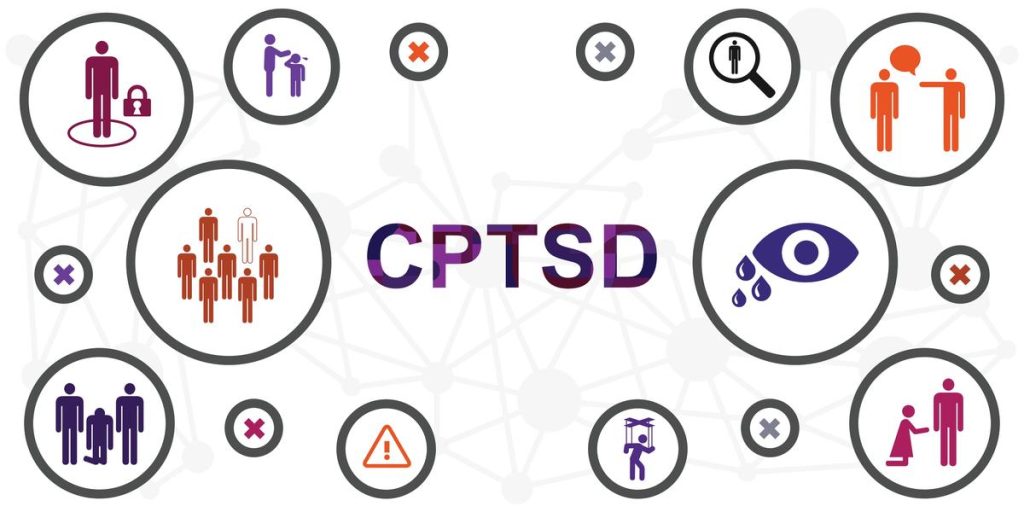
BPD vs. CPTSD
Quick Summary
  • Have you ever experienced the feeling of gratification and confidence with the fluctuating sense of self-devaluation and intense fear of abandonment?
  • These seemingly identical conditions are often confused because of the comorbidity of their symptoms.
  • Before proceeding to the similarities and differences among the two distinct conditions let's have a clear understanding of the two overlapping disorders.
Reading time: 5 min

Have you ever felt clingy at one moment and aloof at the next? Have you ever experienced the feeling of gratification and confidence with the fluctuating sense of self-devaluation and intense fear of abandonment? If you are someone with a history of trauma, and now dealing with emotional instability and vacillations between anxiety and excitement, then you must think about the diagnosis of your mental illness. 

The manifestations suggest that it may be either borderline personality disorder (BPD) or complex posttraumatic stress disorder (CPTSD) stemming from different causes. These seemingly identical conditions are often confused because of the comorbidity of their symptoms. Before proceeding to the similarities and differences among the two distinct conditions let’s have a clear understanding of the two overlapping disorders. (source: APA, n.d.-a)


BPD refers to a condition in which patients have an inability to control their emotions effectively. It is harder for them to return to a mentally stable condition after an emotionally triggering event. Those who have BPD suffer from a strong fear of abandonment, impulsive overreacts, disturbed thinking, and perception which eventually ruins their personal relationships. (source: NIMH, n.d.-a)

BPD is a pervasive and lifelong disorder. People who have faced emotional or physical abuse for a long period of time are at higher risk of developing BPD. Other causes include neglect, mistreatment, and genetics which contribute to the unstable emotions and self-destructive behavior of BPD patients. Counseling or psychotherapy is a powerful treatment approach for BPD and mainly works to decrease anger, self-harm and encourage social adjustment. (source: NHS, n.d.-a)

CPTSD could happen if someone is repeatedly traumatized and is known as the subset of fear-based PTSD. Here, posttraumatic stress disorder (PTSD) is a mental condition characterized by uncontrollable fear due to prior experience of an intensely frightening and distressful situation. This means patients with CPTSD exhibit more issues of emotional dysregulation in addition to fear. 

Covid 19 PTSD Symptoms and Treatment (source: WHO, 2019)

In CPTSD, patients demonstrate the feeling of despair, shame, chronic self-devaluation, and continuous flashbacks of painful events. This could happen if someone grew up in repeatedly abusive households in the past which made their relationship and lives afterward very difficult.  (source: NIH MedlinePlus, n.d.-a)

People with CPTSD have negative self-perceptions and face trouble in developing trust in other people. So, the treatment is much focused on the improvement of interpersonal difficulties. Like provoking trust in the people around and managing the feeling of shame and guilt. (source: NIMH, n.d.-b)

Apparently, they share similar lists of symptoms and triggers. Let’s have a look at their identical features which often confuse psychiatrists to differentiate between the two psychological conditions: (source: NICE, n.d.)

  • Trauma- is the major root cause of both BPD and CPTSD
  • Emotional instability
  • Manifestations of anxiety and depressive thoughts
  • Negative self-perception
  • Issues with interpersonal relations
  • Impulsive and self-destructive behavior

Due to the above-mentioned similarities, these two conditions are usually misdiagnosed and result in serious health consequences. 

Types of Trauma (source: Cochrane, 2013)

Treatment of one disorder may exacerbate the symptoms of another disorder. Therefore, there is a strong need to categorize them separately and patients should be well aware of the differences between BPD and CPTSD. (source: NCBI, 2012)

  • The key difference lies in the stimulus. BPD is originated from deep inconsistent self-conception which is the outcome of any emotional, physical or sexual abuse. While CPTSD is provoked by external stimuli i.e. any repeatedly happened unpleasant event.
  • While both BPD and CPTSD patients struggle with emotional dysregulation, the victims of CPTSD can easily overcome their emotions in a calming environment. Whereas, BPD patients face trouble in setting aside their emotionally unstable condition. Moreover, CPTSD patients can forget or subdue their traumatic thoughts completely after therapy. While BPD victims, on the other hand, recollect intrusive flashbacks and stick to their trauma for a long time even after healing.
  • Lastly, the difference exists in the reaction towards the stimulus. CPTSD patients are able to signify their trigger and withhold their over-reaction towards it. While BPD patients exhibit abrupt behavior and intensely uncontrolled emotions towards the stimulus.

Based on the above-mentioned disparities among the two disorders, patients can be easily diagnosed with the reaction towards stimulus being the major identifier. Consider a patient is exposed to some kind of trauma in the past and demonstrates emotional instability and depressive sentiments, but did not exhibit self-harm and feeling of rejection then CPTSD can be declared. However, if such emotions are not attributed to external triggers and arouse due to the internal feeling of trauma, then the diagnosis of BPD is likely. (source: StatPearls, 2025)

Currently, there has been more than one cause identified for BPD. Further research is needed to clarify the actual culprit. Studies have shown that BPD may result due to unpleasant biological and environmental factors that occurred in the life of the individual and some scientists also believe that it runs in families through genes. The diagnosis must be carried out with caution and according to the criteria of The Diagnostic Statistical Manual of Mental Disorders, Fifth Edition (DSM-5).

FAQs

Is PTSD a personality disorder?
No, PTSD is an anxiety disorder triggered by any traumatic event and persists through nightmares and flashbacks.
Is PTSD worse than bipolar?
BPD seems to be more difficult to treat and also come up with the feeling of self-harm and depression. If PTSD on the other hand, persists with repeated trauma can badly affect the patient’s quality of life. So it is not clearly understood which condition is more deadly.

The Article

+

References

+

About This Article

+

Do you need help?

Sister Topics

Abandonment Trauma Abandonment Trauma and PTSD ADHD Vs PTSD Attachment Trauma Best PTSD Treatment Centers Best Trauma Treatment Centers Betrayal Trauma Recovery Childhood Emotional Neglect Childhood Trauma Childhood Trauma And Addiction Childhood Trauma Therapies Complex Post-traumatic Stress Disorder CPTSD vs. PTSD Developmental Trauma Disorder Does PTSD Go Away Fawning Trauma Healing Generational Trauma How is PTSD and Traumas Treatment How to Break a Trauma Bond How to Deal with PTSD How to Deal with Trauma How to Heal From Emotional Abuse How to Stop Dissociating People Pleasing Trauma PTSD And Dissociation PTSD And Marriage Breakdown PTSD and Post Traumatic Stress Disorder PTSD and Traumas Treatment PTSD Awareness Month PTSD Episodes PTSD From Emotional Abuse PTSD Inpatient Treatment PTSD Statistics PTSD Test PTSD UK Signs Of Repressed Childhood Trauma In Adults Signs You Are Healing From Trauma Trauma And Epigenetics Trauma Counseling Trauma Recovery Center Trauma Residential Treatment Program Vicarious Trauma What are the Symptoms and Triggers of Betrayal Trauma What is Boarding School Syndrome What is Trauma & PTSD What is Trauma Bonding What is Vicarious Trauma What To Do After Successful Recovery From PTSD What to Do When Someone With PTSD Pushes You Away