

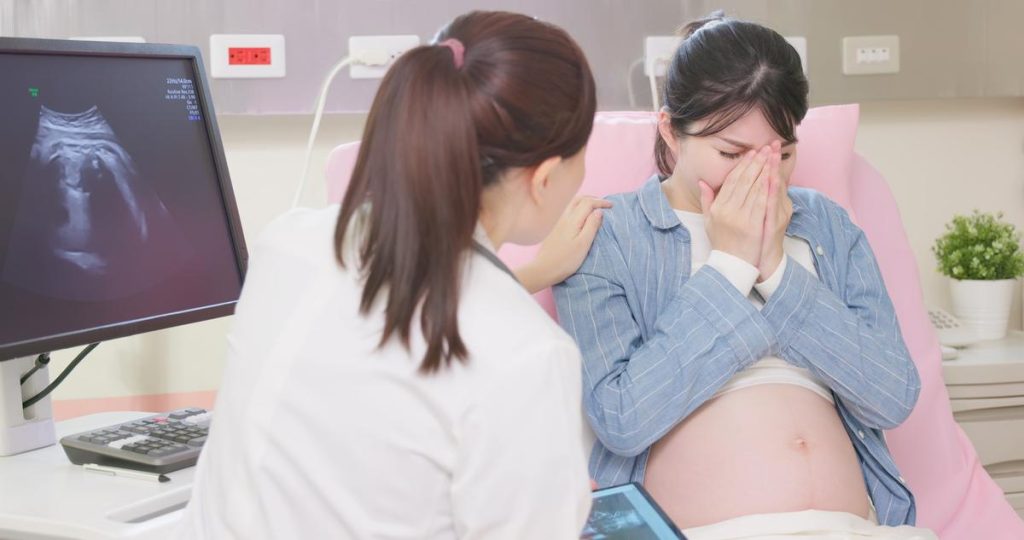
- Depression during pregnancy,often called perinatal depression—is a common, treatable medical condition that can affect your mood, energy, sleep, and ability to function day to day.
- With timely screening, evidence-based therapy (such as CBT or IPT), appropriate medication management when needed, and strong social support, most people improve.
- This guide explains symptoms, risks, prevention, and treatment options (including medication safety considerations) so you can make informed, collaborative decisions with your care team.
Depression during pregnancy,often called perinatal depression—is a common, treatable medical condition that can affect your mood, energy, sleep, and ability to function day to day. It’s not a personal failure or a weakness. With timely screening, evidence-based therapy (such as CBT or IPT), appropriate medication management when needed, and strong social support, most people improve.
Because untreated depression can increase risks for both parent and baby (e.g., preterm birth, low birth weight, difficulty bonding), early conversation with a healthcare professional is essential,especially if you have risk factors like a prior history of depression, family history, high stress, intimate partner violence, diabetes, or pregnancy complications. This guide explains symptoms, risks, prevention, and treatment options (including medication safety considerations) so you can make informed, collaborative decisions with your care team.
Key Takeaways
- Perinatal depression includes depression during pregnancy and up to one year postpartum; it’s common and highly treatable.
- Screening at prenatal visits helps identify symptoms early; talk to your clinician if low mood lasts >2 weeks or worsens.
- Therapies like CBT and IPT can prevent or treat perinatal depression, particularly for those at higher risk.
- Some antidepressants (e.g., certain SSRIs/SNRIs, TCAs, bupropion) may be used in pregnancy when benefits outweigh risks—never start/stop medication without medical guidance.
- Untreated depression can affect prenatal care, substance use risk, delivery outcomes, and infant bonding/feeding; early treatment helps both parent and baby.
- Build a support plan: counseling, peer groups, practical support at home, sleep protection, and coordinated care across obstetric, primary, pediatric, and mental health providers.
- Emergency: If you have thoughts of self-harm or harming others, seek immediate help (local emergency number or crisis services).
Depression (also known as clinical depression, depressive disorder, or major depression) is a psychiatric illness that causes an out of proportion sadness and a loss of interest or pleasure in activities that you previously enjoyed. It can have an impact on mood, thought processes, and action, as well as interfering with your regular activities. It must be adequately treated in order to improve symptoms.
Perinatal depression is defined as depression that occurs during gestation or in the 1st year following the birth of a child. It is among the most prevalent pregnancy-related medical issues. It affects up to one in every seven women (about fifteen percent). Postpartum depression (commonly known as PPD) is a kind of depression that occurs after a pregnancy.
Why Do Women Get Postpartum Depression?
Appropriate treatment will help you in feeling better. Perinatal depression, if left unchecked, can create complications for both you and your baby. Inform your health care practitioner straight away if you suspect you are depressed.
Major depression is more than simply a few days of sadness. If you experience symptoms or signs of depression that continue more than two weeks, you may be depressed. Things that others can see or understand about you, such as a rash or sneezing, are signs of an illness. Symptoms are things you can feel but others can’t see, such as a sore throat or dizziness.
The following are some of the signs and symptoms of depression:
- Changes in mood
- Feeling down, helpless, or overburdened
- Feeling anxious or irritable
- Frequently crying
- Feeling worthless or remorseful
- Consideration of death or suicide (killing yourself)
- Changes in your daily routine
- Consuming more or less food than usual
- Have difficulties recalled information, focusing, or making decisions?
- Inability to sleep or excessive sleeping
- Friendships and family are being cut off.
- Lacking interest in activities that you used to like
- Physiological changes
- Lacking energy and being exhausted all of the time
- Experiencing persistent headaches, stomach issues, or other aches and pains
If you are pregnant and have any of these symptoms or signs, or if they worsen, contact your doctor. You and your healthcare practitioner can work together to make you feel better. If you are concerned about injuring yourself, dial 911.
Yes. If you’re depressed while pregnant, you’re more likely to develop:
- You’re not looking after yourself. If your depression isn’t addressed, you might not be able to consume nutritious meals or gain sufficient weight during your pregnancy. You may neglect to attend prenatal care appointments or disregard your health care provider’s advice.
- Tobacco use, alcohol use, and the use of dangerous medications
- Having Postpartum depression after giving birth. It may be difficult for you to look for and connect with your infant if you suffer from PPD.
- Suicide (killing oneself), contemplation of suicide, or consideration of harming one’s child are all examples of suicidal behavior. These are quite unusual.
Depression during pregnancy raises your baby’s chances of developing:
- The delivery of a child too soon. This is a premature birth that occurs before the 37th week of pregnancy.
- Being small in comparison to gestational age (also called SGA). When a baby does not weigh as much as he should before delivery, this is known as underweight.
- Being born with a low birth weight (also called LBW). This indicates your kid weighed less than five lbs., 8 oz. when he or she was delivered.
- Kids born to mothers who did not experience depression during pregnancy are more irritable, less energetic, less attentive, and show fewer facial expressions than babies born to mothers who did not experience depression during pregnancy.
- Problems with learning, conduct, and development, as well as mental health issues later in life
Depression might make it difficult for you to prepare for your kid and care for him or her after birth. This is why treating depression as soon as feasible is critical. If depression is left untreated, for example:
- It may be difficult to obtain the items you require, such as a car seat, cot, and medical equipment, to help keep your infant safe and healthy.
- Your infant may not be able to nurse for a long time. You and your baby may find it difficult to adjust to nursing if you are depressed. Breast milk is the greatest nourishment for your kid throughout his or her first year.
- Your infant may not receive the medical attention he requires. If your baby is unwell, depression may make it difficult for you to care for her. You may not notice any health issues in your newborn that require immediate treatment and care. It may be difficult for you to obtain routine well-baby care, such as immunizations, for your child. Vaccinations assist to prevent your infant from diseases that might be hazardous.
Early depression therapy can help you feel better and be more prepared to care for your kid after birth. Tell your doctor if you suspect you’re depressed and inquire about therapy options.
We’re not certain. It could be a confluence of things, such as altering neurochemicals or hormone levels. Hormones are substances synthesized by the body. Certain hormones can have an effect on the regions of the brain that regulate feelings and emotions.
Genes may also have a role in depression. Genes are structural components of your cells containing prompts for how your body develops and functions. Parents pass on their genes to their children. Depression is more prevalent in those who have depressed blood relatives. This concept is referred to as a family history of depression.
Certain factors increase your risk of depression. These are referred to as risk factors. Possessing a risk factor does not confirm that you will develop depression. However, this could increase your likelihood. Consult your health care provider to determine what steps you can take to help lower your risk.
At your prenatal care appointments, your care provider will screen (examine) you for depression. Screening is the process by which your provider inquires about your potential risk factors, emotions, and feelings. If the screening indicates that you are depressed or even at risk for developing depression, your provider can facilitate you in seeking treatment.
The following are important risk factors during gestation:
- You’ve previously experienced major depression or some other mental health issue. Or you have a family history of depression or another type of mental illness. A family history of the condition means somebody in your blood relatives has had it. Even if you have been diagnosed and treated for depression and are getting better, pregnancy can exacerbate or reinstate depression.
- You have been subjected to physical or sexual abuse. Alternatively, you are experiencing difficulties with your companion, such as domestic abuse (also called intimate partner violence or IPV).
- Your pregnancy was unexpected or unwelcome. Or perhaps you are a teenager who is single.
- You are experiencing stress in your life due to a number of factors such as being detached from your partner, the loss of a close one, or an ailment affecting you or the one you adore. Or perhaps you are jobless and homeless or have a limited income, limited education, or little friends or family support.
- You’re diabetic. Diabetes can occur as a result of previously existing diabetes (also called pre-gestational diabetes). This is the type of diabetes you have prior to pregnancy. Alternatively, it may be pregnancy-induced diabetes. This is a type of diabetes that occurs in some pregnant women.
- You may experience pregnancy complications, such as multiple births, congenital abnormalities, or miscarriage. Multiple pregnancies occur when a woman gets pregnant with more than one child. Congenital anomalies are medical conditions that arise during the process of gestation. They have the ability to alter the form or functioning of one or more biological components. Birth defects can have a negative impact on overall health, the way the body evolves, and how the body functions. Gestational loss occurs when the fetus dies prior to birth.
- You keep smoking, consume alcohol, or engage in illicit substance use.
According to the United States Preventive Services Task Force, certain types of counseling (therapy) can help prevent perinatal depression in women who are predisposed to it. Counseling is when you talk to a counselor or therapist about certain emotions and concerns. The professional will help you in comprehending your emotions, resolving problems, and coping with daily life events.
The Task Force advises women who have one or more of the following risk factors to seek counseling:
- Existing depression symptoms and signs
- A background of depression or another form of mental illness
- To be pregnant as a young teen or being a single parent
- Being in a stressful life situation, such as a limited income
- As an Intimate Partner Violence victim
For women at high risk of depression, the Task Force suggests two types of counseling:
- Cognitive-behavioral treatment (also called CBT). CBT helps you control negative thoughts by altering your thinking and behavior. Collaborating with a therapist to develop objectives and recognize negative thought patterns is a common type of CBT so you may begin to think and behave differently, in a healthy manner.
- Interpersonal therapy (also called IPT). IPT assists you in identifying and dealing with issues and difficulties in your daily life, such as relationships with your family and friends, job or neighborhood situations, having a physical condition, or losing a loved one. Practicing with a therapist in role-playing, responding to open-ended queries, and examining how you make decisions and interact with others are all examples of IPT.
If you are at a higher risk for depression, your doctor can help you seek CBT and IPT therapy. Tell your provider everything about your life, your pregnancy, and your sentiments so that he or she may assist you in finding counselors for therapy.
It’s ideal if your depression is treated by a team of professionals while you’re pregnant. These professionals can collaborate to ensure that you and your baby receive the best possible care. Your service providers might be:
- Your prenatal care provider. This is the doctor who will look after you while you are pregnant.
- Your primary care provider. This is your primary healthcare provider, and he or she will offer you general medical treatment.
- A person who provides mental health services. A psychotherapist, psychiatrist, support worker, psychologist, or therapist may be involved.
- The doctor who will look after your child’s health
Depression may be dealt with in a variety of ways. Instead of using just one therapy, you and your physicians may elect to employ a mix of therapies. The following treatments may be used:
- Counseling services, such as CBT and IPT, are available.
- Support groups are available. These are groups of individuals that gather together in person or online to express their thoughts and opinions about a certain subject. Request can be made so that your physician or counselor assist you in finding a support group.
- Medicine. Antidepressant medications are frequently used to treat depression. These medications require a prescription from your healthcare professional. You might be taking a single medication or a mix of medications. Without your provider’s permission, don’t stop and start taking any PPD medication.
- Electroconvulsive treatment (ECT). Electric current is transmitted through the brain during this therapy. This therapy is thought to be safe to take while pregnant. Providers may suggest electroconvulsive therapy (ECT) to treat severe depression.
If you use an antidepressant while pregnant, your kid may be at risk for birth abnormalities and other health issues. In the vast majority of situations, the danger is minimal. If you quit antidepressants while pregnant, however, your depression may return. If you’re pregnant, don’t stop and start taking any medications without first getting advice from your doctor.
Antidepressant therapy can be decided in collaboration with your prenatal care physician and your mental health provider. Learn everything you can about your medication choices so you can make the best decision for you and your kid. If you are on an antidepressant and thinking about starting a family, speak to your prenatal and mental health specialists beforehand.
Antidepressants come in a variety of forms. Most have an effect on neurotransmitters, which are brain chemicals, but each type does it in a different manner. Throughout pregnancy, each medication has its own set of dangers and advantages. The following antidepressants may be taken during pregnancy:
- Serotonin reuptake inhibitors (also called SSRIs). The most often recommended antidepressant medications are SSRIs. Citalopram, fluoxetine, and sertraline are all SSRIs that can be taken through gestation.
- Duloxetine and venlafaxine are SNRIs (serotonin and norepinephrine reuptake inhibitors).
- TCAs, such as nortriptyline, are tricyclic antidepressants.
- Bupropion
If a newborn is introduced to the SSRI paroxetine during the 1st trimester of gestation, this could cause cardiac abnormalities. If you are pregnant or expecting to get pregnant while taking paroxetine, talk to your doctor about switching medications straight away.
According to research, using certain antidepressants in gestation might result in loss of pregnancy, preterm birth, low birth weight, birth abnormalities (including heart problems), or a lung ailment known as chronic persistent pulmonary hypertension (also called PPHN). According to the Centers for Disease Control and Prevention (CDC), women who use the SSRIs paroxetine and fluoxetine are two to three times more susceptible to having birth abnormalities. Other SSRIs, such as sertraline, were shown not to cause birth abnormalities in the research.
According to several studies, some antidepressants might make a newborn restless or create feeding problems. We do not know with certainty if the drugs cause these difficulties because these findings have not yet been validated by other studies. More investigation is required.
The Article
About This Article
✔ Medically Reviewed
✔ Evidence-Based Sources
✔ Updated Regularly
✔ Clinically Verified
This article was written by THE BALANCE’s clinical content team and reviewed by a licensed medical or mental health professional (such as an MD, psychiatrist, clinical psychologist, or equivalent). Our reviewers ensure that the information reflects current research, accepted medical guidelines, and best practices in mental health and addiction treatment. THE BALANCE’s medical editors draw on extensive real-world clinical experience supporting individuals in residential, outpatient, and luxury private treatment settings across Europe and internationally.
Editorial Standards & Integrity
THE BALANCE follows strict editorial and clinical review standards to ensure accuracy, balance, and reliability:
- All medical statements rely on authoritative sources such as the WHO, NIMH, APA, NHS, CDC, and SAMHSA
- Statistics use the most recent and reliable research available
- No medical or therapeutic claims are made without clear, verifiable evidence
- Content is reviewed and updated regularly to reflect evolving science, treatment guidelines, and clinical best practices
- Commercial interests do not influence clinical accuracy; all clinical insights are reviewed independently
- Recommendations include context, limitations, and alternatives where appropriate
How We Review Sources
- Our clinical writers and editors rely on:
- Peer-reviewed research and meta-analyses
- National and international treatment guidelines
- Professional bodies and regulatory authorities
- Verified public data from reputable institutions
We do not use anecdotal reports, unverified claims, or commercially biased sources. Every factual claim is supported by established evidence.
Conflicts of Interest
THE BALANCE provides private mental health and addiction treatment services. However, our clinical reviewers ensure that all content remains objective, non-promotional, and balanced. When discussing treatment options, we outline limitations, risks, and alternatives. Our priority is reader safety and informed decision-making.
How to Use This Information Safely
Mental health and addiction conditions are complex and vary significantly between individuals. The information in this article is provided for general educational purposes only and should not replace professional medical advice, diagnosis, or treatment. If you or someone you know is experiencing symptoms, seek guidance from a qualified healthcare professional. To maintain accuracy and trust, THE BALANCE updates articles regularly as new research and clinical guidance become available.
Do you need help?
If you’re struggling, you don’t have to handle it alone. Support is available - whether you’re feeling overwhelmed, anxious, depressed, or dealing with alcohol or drug-related concerns. If you feel unsafe, are at risk of harming yourself, or someone else is in immediate danger, contact your local emergency number immediately.
Talk to Someone Now (Free & Confidential)
Choose your country to find a trusted helpline near you:
Spain
- Suicide & emotional crisis helpline: 024 (24/7, free, multilingual)
- Samaritans in Spain: 900 525 100 (24/7)
Switzerland
- Die Dargebotene Hand / La Main Tendue: 143 (24/7)
- Pro Juventute (youth): 147
United Kingdom
- Samaritans: 116 123 (24/7, free)
- NHS urgent mental health support: call 111 (24/7)
United States
- 988 Suicide & Crisis Lifeline — call, text, or chat 988 (24/7)
Canada
- 9-8-8 Suicide Crisis Helpline — call or text 988 (24/7, nationwide)
- Talk Suicide Canada (alternate): 1-833-456-4566
France
- National suicide prevention number: 3114 (24/7, free)
Germany
- TelefonSeelsorge: 116 123
- Alternate numbers: 0800 111 0 111 / 0800 111 0 222
Italy
- Telefono Amico Italia: 800 860 022 or 02 2327 2327
Not an Emergency, but You Want Support?
If you’re not in immediate danger but are worried about yourself or someone you care about, reaching out early can make a meaningful difference.
Explore Care Options Near You
This website lists verified mental health professionals, addiction specialists, and treatment programs searchable by country and location. Use the “Find treatment” / “Providers” section to explore available options.
Or Reach Out to Us
If you’d like help understanding next steps, you can contact our team confidentially. We’ll listen without judgment and help you explore appropriate options.
Contact our team
- Phone: +41445005111
- Email: help@thebalance.clinic
- Availability: Mon–Sun, 07:00–22:00 CET
Not sure what to say? You can simply write: “I need help.” We’ll take it from there.