

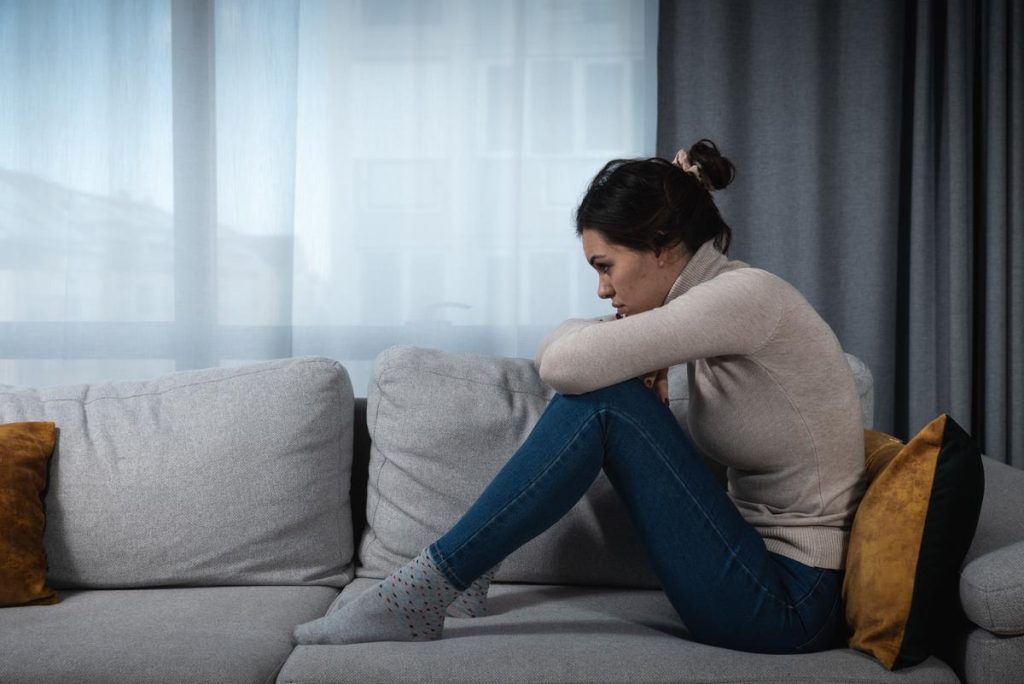
- In our daily lives, we stumble upon many people and situations, and all these various situations do not tag along with the same patterns of emotions and eventualities.
- Many of these situations can be stressful and traumatic, and their after-effects can lead to some mental health disorders, primarily depression.
- These tensing and straining feelings resulting from unwelcomed stress can become a reason for your thinking process and reactions to different incidents.
In our daily lives, we stumble upon many people and situations, and all these various situations do not tag along with the same patterns of emotions and eventualities. Many of these situations can be stressful and traumatic, and their after-effects can lead to some mental health disorders, primarily depression. These tensing and straining feelings resulting from unwelcomed stress can become a reason for your thinking process and reactions to different incidents.
Such depressing feelings out-fronting as a consequence of some traumatic situation or a sequence of recurring and unwanted events are characterized as situational depression. Situational depression, also narrated as reactive depression, is stress-related and short-haul type depression. Being known as adjustment disorder, it can interfere with your daily life and make it challenging for you to tackle the situation after some traumatic event.
Situational depression often becomes a reason behind the exaggerated emotional response to the stressful events of life, such as the death of a dear one, and depressed mood, which usually persists after three months of the incident. However, persons with unflagging nature are noticed to confront this depression for a shorter period and get out of it relatively quickly.
As indicated by the name “situational depression,” explains that a painful or stressful event causes it. Coping with a loss of carrier, death of loved ones, break up, divorce, or any other similar circumstances that can cause stress is an example of situational depression. It is a type of depression related to a particular event or situation. It is sometimes known as temporary depression or short-term depression because it doesn’t last longer as compared to other depressive disorders.
Covid-19 Depression Causes and Treatment
There are two basic stress disorders by which situational depression can be confused with:
- Generalized Anxiety Disorder
- Situational phobias
Contrary to this, situational depression is a type of “Adjustment Disorder.” Because it makes it difficult for you to adjust your routine after a traumatic event, it is also called “reactive depression.” Not everyone who has gone through a fearful event will suffer situational depression, but people prone to classic depression are nearer to getting situational depression.
While some individuals are more disposed to depression because of their genetics or early experiences of stress or trauma. Situational depression varies from person to person. While researching the question “what is situational depression?” people can be pleased by knowing that situational depression symptoms are less ongoing and severe than other depression-related disorders.
There are lots of events that can cause situational depression, but the main conditions include:
- Illness
- Problems at school or work
- Relationship problems
- Death of someone closed
- Transfer
When people cannot bear stressors, they experience situational depression. It is caused by stress, either positive or negative. Causes commonly result from a combination of events or a single traumatic event. Some stressful situations that be the reason for the situational depression onset include:
- Relationship conflict is one of the most recurring stressors that people face since it has a massive impact on our minds causing situational anxiety.
- Many people experience situational depression due to certain workplace circumstances.
- Bad impact in academics or being criticized can also lead to situational depression.
- It is necessary to balance work or manage time with self-care. Even a happy, busy life can be stressful if it gives you no time to care for yourself.
- Being in a toxic marriage, relationship, or social interaction.
Moreover, sudden changes in lifestyle such as getting married without being prepared for it, having a baby, leaving parents’ house and moving to an exactly new place, returning to parents after a long time, sudden business loss, or any death in the family, all induce situational depression.
Typical Reasons
Some typical reasons that can cause situational depression are:
- Car accident
- Divorce
- Retirement
- Global pandemic as COVID
- Starting a new job
- Property damage
- Financial problem
- Living in a toxic environment
- Daily workplace squabbles
- Family issues
- Long-term sickness
- Continuous loss in startups
- Unacceptable sexual interactions
- Natural disasters
- Living in dangerous neighborhoods
Medical Factors
Some medical factors can also contribute to situational depression:
- Hormonal imbalance
- Genetic modification
- Pre-existing mental health disorders
- Abnormalities in brain chemistry or structure
Situational depression can be scary for everyone, but especially for those who have never experienced it before. The associated feelings can be pretty frightening for already traumatic people. They feel like they are losing control; according to DSM-5 (the diagnostic and statistical manual of mental disorders), normal grief is not a cause of situational depression. People can experience the above situations without having situational depression. Probably, some people do, and it is overwhelming.
Situational depression impacts a person in the way he thinks or feels about himself and the whole world. It also has an impact on one’s actions and behavior. Many symptoms can indicate the presence of situational depression. Some of them are:
- Loss of appetite
- Heart palpitations
- Suicidal thoughts
- Headaches
- Stomach problems
- Feeling overwhelmed
- Despair
- Despondency
- Abnormal sleeping patterns
- Uneasiness and anxiety
- Dissatisfaction with daily tasks
- Feeling nervous, worried, or stressed out all the time
- Being unable to attend to the essential things
- Feeling a lack of energy and exhaustion
- Detachment and isolation from others
- Sobbing regularly
- Having difficulty in concentration
- Avoiding social interactions, and less interaction with people
- Crying frequently
- Feeling hopeless or extremely sad
- Listlessness
- Increased dependence on alcohol or drugs
Situational depression usually develops when your life goes through some new changes, especially in childhood, early adulthood, and retirement age. Symptoms in children are behavioral. Children with situational depression commonly fight a lot with their friends, family, and other people around them.
Diagnosis is the first step toward returning back to your normal feelings. Telling your doctor about your depression will help you to get the precautions that you need. Unfortunately, there is not even a single definitive lab to diagnose situational depression. Instead, your doctor will perform a physical exam, including several blood tests. During the examination, professionals will:
- Ask deep questions about your mental and medical health history and your symptoms.
- Inquire about any social issues you might be experiencing
- Want to know about your family’s mental history
- Make a comparison between your symptoms and the criteria listed in DSM-5
DSM-5 criteria include analysis of:
- Over exaggerated response to a stress
- A considerable effect on interpersonal relationships
- Behavioral or emotional symptoms during three months of a particular life event
- Either the symptoms are the result of any other mental disorder or not
According to DSM-5, being diagnosed with situational depression, you must:
- Start feeling symptoms within three months of fearful events or a series of events
- Having such symptoms that are not the result of any other substance, including alcohol
- Have symptoms that cause noticeable stress and significantly intrude with daily life
- Having symptoms that are other than the normal grieving process after the death of loved ones
A medical professional performs a situational depression test to rule out other medical conditions or mental illnesses, including Post-traumatic Stress Disorder and major depressive disorder.
Tests And Examinations
Your doctor performs different tests if they find out that you are a situational depression patient.
Physical Exam
During a physical exam, the doctor will ask you some questions about your health. For some patients, situational depression is related to any existing medical condition.
Psychological Exam
Your doctor will ask about your thoughts, emotions, symptoms, and daily habits. He can also ask you to fill a questionnaire to answer those questions.
Blood Tests
Your doctor will take a blood test to measure different blood values and check your existing mental disorders triggering your situational depression.
Many people confuse situational depression with clinical depression, so they often feel puzzled to opt for righteous treatment. So it is quite indispensable to look at the distinctions in symptoms and causes of situational depression vs. clinical depression. Here is a brief thought-clearing discussion regarding situational depression and clinical depression that will enlighten your path towards a particular choice of what you are going through.
Distinctions In Causes And Symptoms Of Situational And Clinical Depression
Situational depression happens as a result of a shocking or life-changing event compared to clinical depression, which does not explicitly result from any traumatic event and can set on in the non-existence of any such situation.
When triggering phenomena associated with situational depression like unemployment, death of a dear one, natural disaster, relationship breakup, and a chronic ailment are not dealt with properly and left unnoticed for a long time, they can develop into a clinical depression.
There also exist differences in symptoms of both types of depression, but the similarities dominate at the same time. Situational depression comes with signs counting frequent crying, sleeping difficulties, listlessness, and withdrawal from society. At the same time, clinical depression depicts the inclination towards hopelessness, bleakness, and gloomy feelings.
Deviations In The Treatment Of Situational Depression Vs. Clinical Depression
The symptoms of situational and clinical depression will make it a challenging task to take care of yourself and your family with an optimistic mindset. Most researchers usually acknowledge psychotherapy because talking with a professional will help you seek the best suitable way to cope with perturbing thoughts and emotions leading to a depressive mental state.
Apart from seeking help by opening up with professional cognitive behavioral therapy, self-helping exercises, medication, and making positive amendments in your daily lifestyle will help you satiate situational depression stimulants, and satiation of these stimulants will ultimately block the ways for clinical depression.
Situational depression has been recognized as hard-hearted cut-throat, not discriminating against people while affecting them, and equally deteriorates the mental health of both men and women. The expectancy span of this depression turns out in different people differently and does not follow essentially the same line of lastness in other individuals.
Situational depression most of the time lasts for a shorter span in the majority of people, but in some people, It can also linger on for a more extended period. Depending on the severity of the traumatic event, situational depression can stick around two weeks to months. Still, if it is left neglected, it can potentially come out as a major depressive disorder, another term for classic depression.
According to the Diagnostic and Statistical Manual of Mental Disorders (DSM-5) research, situational depression can be unbearable if the symptoms hold on for more than six months. Ehrman depicts that if your situational depression lingers on for several weeks without any escape, it may be a time to open up with someone who better helps you tackle this situation depression.
In many cases, situational depression recovers on its own, but if it doesn’t and is left untreated, then it can grow into the more severe type of depression; therefore, timely treatment is essential. The primary purpose of therapy is to reduce symptoms. The effort can be made through various therapeutic options, including psychotherapy and medication. Furthermore, lifestyle changes will also relieve your symptoms. Situational depression is usually treated with the combination of:
- Medication
- Psychotherapy
- Changes in lifestyle
Medication
Medications are not always required for treating situational depression. However, your psychiatrist or physician may suggest a short course of antidepressants to treat depression faster. If it is anxiety with depression, then they will prescribe anti-anxiety medications as well.
You should remember that if you are taking medication, you should not stop taking it suddenly without the consultation of your physician. Probably, they give you a light dose to avoid discontinuation syndrome. It can cause symptoms like insomnia, nausea, or flu-like problems. It doesn’t mean that you will always have to depend on them forever. It only means that you should take them according to your doctor’s advice.
Psychotherapy
The main option for situational depression treatment is psychotherapy. Just getting a chance to discuss a stressful situation or traumatic event can help. The exact nature of psychotherapy differs depending upon many factors (such as the subtype of adjustment disorder) and include:
- Supportive coaching to address depression
- Couples therapy (when the condition is directly affecting an intimate relationship)
- Cognitive-behavioral therapy to address problematic behavior and distorted thinking
- Family therapy (especially if the patient is young and the problem is family-related)
Psychodynamic therapy help person understands essential dynamics and conflicts contributing to how they are reacting to depression and strengthen their ability to cope.
Changes In Lifestyle
To cure situational depression, you should also make some changes to your lifestyle. This can help you recover from situational depression without getting any medication or therapy, and this is the best way to treat it.
- You should take enough sleep daily.
- You should eat a healthy diet and stay away from fatty, sugary, and processed foods.
- You should learn about the stages of loss and grief and take time to go through these stages and heal yourself.
- You should stay restrained from drugs, alcohol, and any other substance that can increase your depression rather than heal it.
- You should take exercise daily and maintain a regular healthy workout routine.
- You should maintain your social connections.
The general population in the US recorded about 1-2 percent predominance for situational depression. At the same time, the multinational study reveals about 0.2-1 percent prevalence for situational vs. clinical depression.
There are exist deviations in statistical data estimated by different sources depending on research criteria and subjective nature. However, recent research regarding the exposure of the world to situational depression crops up the following statistics:
- 2% of the overall population
- 18% of recently dejected persons
- 15-20% of those indulged in the oncology setting
- 27% among the newly unemployed
- 14% among amid those involved in a medical inpatient setting
- 35% in people with sporadic breast cancer
- 32% in medical emergency rooms containing patients with self-harm
Like any depression, situational depression can build up self-harm thoughts and prove fatal. Situational or adjustment depression is short-run and easily handleable, but it does not insinuate irresponsibility regarding treatment measures. Whenever your self-harming thoughts start dominating your mental condition, you can seek help from a mental health professional, can coop up yourself in a medical emergency room, and can make a call on 911 for emergency services.
Suppose you are confronting the indications as mentioned earlier of situational depression. In that case, you shall not feel shy to dialog these trigger actions with a trained and professional medical therapist. On-time therapy and medical care will minimize your brain loss and help your mind run back to normal functioning. At the same time, if left untreated, it can lead to long-term mental health illness and eventually to wretched physical health.
FAQs
The Article
About This Article
✔ Medically Reviewed
✔ Evidence-Based Sources
✔ Updated Regularly
✔ Clinically Verified
This article was written by THE BALANCE’s clinical content team and reviewed by a licensed medical or mental health professional (such as an MD, psychiatrist, clinical psychologist, or equivalent). Our reviewers ensure that the information reflects current research, accepted medical guidelines, and best practices in mental health and addiction treatment. THE BALANCE’s medical editors draw on extensive real-world clinical experience supporting individuals in residential, outpatient, and luxury private treatment settings across Europe and internationally.
Editorial Standards & Integrity
THE BALANCE follows strict editorial and clinical review standards to ensure accuracy, balance, and reliability:
- All medical statements rely on authoritative sources such as the WHO, NIMH, APA, NHS, CDC, and SAMHSA
- Statistics use the most recent and reliable research available
- No medical or therapeutic claims are made without clear, verifiable evidence
- Content is reviewed and updated regularly to reflect evolving science, treatment guidelines, and clinical best practices
- Commercial interests do not influence clinical accuracy; all clinical insights are reviewed independently
- Recommendations include context, limitations, and alternatives where appropriate
How We Review Sources
- Our clinical writers and editors rely on:
- Peer-reviewed research and meta-analyses
- National and international treatment guidelines
- Professional bodies and regulatory authorities
- Verified public data from reputable institutions
We do not use anecdotal reports, unverified claims, or commercially biased sources. Every factual claim is supported by established evidence.
Conflicts of Interest
THE BALANCE provides private mental health and addiction treatment services. However, our clinical reviewers ensure that all content remains objective, non-promotional, and balanced. When discussing treatment options, we outline limitations, risks, and alternatives. Our priority is reader safety and informed decision-making.
How to Use This Information Safely
Mental health and addiction conditions are complex and vary significantly between individuals. The information in this article is provided for general educational purposes only and should not replace professional medical advice, diagnosis, or treatment. If you or someone you know is experiencing symptoms, seek guidance from a qualified healthcare professional. To maintain accuracy and trust, THE BALANCE updates articles regularly as new research and clinical guidance become available.
Do you need help?
If you’re struggling, you don’t have to handle it alone. Support is available - whether you’re feeling overwhelmed, anxious, depressed, or dealing with alcohol or drug-related concerns. If you feel unsafe, are at risk of harming yourself, or someone else is in immediate danger, contact your local emergency number immediately.
Talk to Someone Now (Free & Confidential)
Choose your country to find a trusted helpline near you:
Spain
- Suicide & emotional crisis helpline: 024 (24/7, free, multilingual)
- Samaritans in Spain: 900 525 100 (24/7)
Switzerland
- Die Dargebotene Hand / La Main Tendue: 143 (24/7)
- Pro Juventute (youth): 147
United Kingdom
- Samaritans: 116 123 (24/7, free)
- NHS urgent mental health support: call 111 (24/7)
United States
- 988 Suicide & Crisis Lifeline — call, text, or chat 988 (24/7)
Canada
- 9-8-8 Suicide Crisis Helpline — call or text 988 (24/7, nationwide)
- Talk Suicide Canada (alternate): 1-833-456-4566
France
- National suicide prevention number: 3114 (24/7, free)
Germany
- TelefonSeelsorge: 116 123
- Alternate numbers: 0800 111 0 111 / 0800 111 0 222
Italy
- Telefono Amico Italia: 800 860 022 or 02 2327 2327
Not an Emergency, but You Want Support?
If you’re not in immediate danger but are worried about yourself or someone you care about, reaching out early can make a meaningful difference.
Explore Care Options Near You
This website lists verified mental health professionals, addiction specialists, and treatment programs searchable by country and location. Use the “Find treatment” / “Providers” section to explore available options.
Or Reach Out to Us
If you’d like help understanding next steps, you can contact our team confidentially. We’ll listen without judgment and help you explore appropriate options.
Contact our team
- Phone: +41445005111
- Email: help@thebalance.clinic
- Availability: Mon–Sun, 07:00–22:00 CET
Not sure what to say? You can simply write: “I need help.” We’ll take it from there.