
- What happens to you mentally does disturb you physically, and what happens to you physically disturbs you mentally.
- Anxiety is a mental condition that is also known to have physical symptoms besides psychological ones.
- The most common physical symptoms of anxiety include a sense of impending doom or panic, sweating, heart palpitations, faster heart rate, trembling, shortness of breath, breathing very fast (hyperventilating), and feeling exhausted or weak.
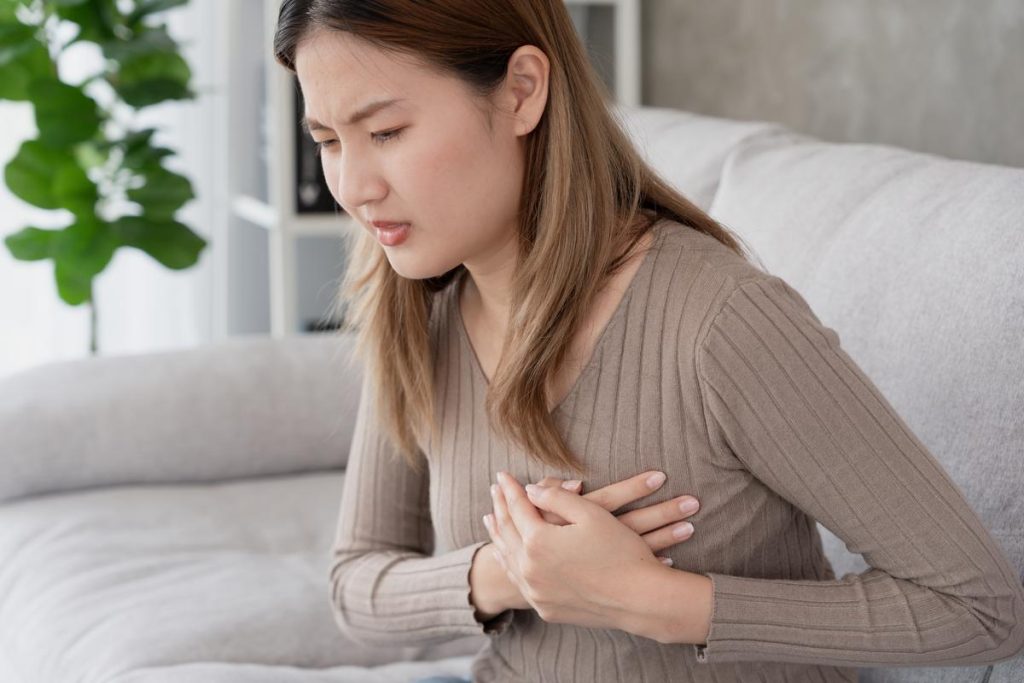
Mind and body are very closely connected. What happens to you mentally does disturb you physically, and what happens to you physically disturbs you mentally. Anxiety is a mental condition that is also known to have physical symptoms besides psychological ones. The most common physical symptoms of anxiety include a sense of impending doom or panic, sweating, heart palpitations, faster heart rate, trembling, shortness of breath, breathing very fast (hyperventilating), and feeling exhausted or weak. Chest pain is the most alarming physical symptom of anxiety.
Social Anxiety Luxury Inpatient Treatment Center (source: NIMH, 2024)
If you or your loved ones are suffering from anxiety and you often feel chest pain then there is a lot more you need to know about anxiety chest pain and other serious heart conditions that may feel the same? Keep on reading this piece of information to get your answers.
Anxiety symptoms may vary not only among anxiety patients, in fact, the same person with anxiety may also feel different symptoms on different days. The variety of ways in which anxiety presents its symptoms can make it difficult to detect and understand the symptoms correctly. (source: MedlinePlus, 2024 (Panic))
Now coming toward’s the chest pain caused by anxiety or stress it may also feel different to each person experiencing it. For instance, for some people the pain may be sudden and unexpected, Whereas, others may experience chest pain on a gradual basis. (source: NHS, 2023 (Panic))
Stress and anxiety chest pain symptoms in the chest area can feel like;
- Acute, stabbing discomfort.
- A chronic ache in your chest is a strange muscle twitch or spasm in your chest.
- A dull discomfort, a burning sensation, or numbness.
- A stab of pressure.
- Stiffness or strain in the chest.
According to 2018 research, an estimated 25 to 50 percent of patients who visit the emergency department with low-risk chest pain or chest pain not related to a heart attack are actually experiencing moderate to severe anxiety. (source: NHS, 2023 (Chest pain))
Chest pain due to anxiety is a sharp and stabbing sensation that typically lasts around 10 minutes. Whereas, the other symptoms of anxiety can last up to an hour. The chest pain may start suddenly even if the person is inactive or it may start if a person is feeling stressed or anxious already before the chest pain begins.
Stress Vs Anxiety | Causes and Symptoms Difference (source: MedlinePlus, 2024 (Chest pain))
If you don’t have a history of anxiety chest pain you may feel alarmed because many people assume they’re having a heart attack. If you go to the emergency room at a hospital and the physicians can’t uncover a specific cause for your chest discomfort, talk to your doctor about other possibilities, such as stress and anxiety. (source: ADAA, n.d.)
Although heart attack and chest pain in anxiety or panic attacks share a number of similarities, the two conditions result from very different disease processes. Below is a brief overview of symptoms of both conditions and differentiating factors.
Difference Between Symptoms of A Heart Attack VS, Anxiety/Panic Attack
| Heart Attack Symptoms | Panic Attack Symptoms |
|---|---|
| 1. Chest tightness and a squeezing pain 2. Symptoms appear suddenly during or after strenuous activity (i.e., climbing the stairs or shoveling snow) 3. Radiating pain in the arm, jaw, or shoulder blades 4. Symptoms and pain that worsens with time Breathing problems 5. Near-drowning 6-Sweating 7. Vomiting and nausea | 1. A heart rate that is elevated or racing 2. Sudden onset, or onset during a period of high stress or worry 3. Pain that improves with time 4. Symptoms that go away within 20 to 30 minutes 5. Breathing problems 6. Sweating 7. Tingling sensations in the hands |
Other Differences In Heart Attack and Anxiety/Panic attack
Cause: Panic attacks occur when stress hormones trigger the body’s “fight or flight” response, often resulting in racing heart, chest pain, and shortness of breath. (source: NIH (NHLBI), 2024)
Whereas in heart attack a blockage in a coronary artery, might cause the same symptoms. When not enough blood reaches the heart muscle, it can cause chest pain, fast heartbeat, and dyspnea.
Circumstances: panic attack is sudden and can occur at rest.Whereas, heart attack often develops during physical exertion. When the heart’s workload increases, such as when shoveling snow or rushing up the stairs, a heart attack is more likely to occur, especially in persons who do not regularly engage in physical activity. (source: NCBI Bookshelf, 2024 (Panic attack))
Duration: Panic attacks usually last around 20 minutes before subsiding and dissipating on their own. A heart attack, on the other hand, will frequently persist and may worsen over time.
Anxiety/Panic attacks can be terrifying, and they can make you wonder if and when they will happen again, creating a vicious cycle. At Priory, we can assist you in learning skills to help you better control your panic attacks and lessen the likelihood of them occurring again. Following strategies can help you manage anxiety/panic attack symptoms; (source: AHRQ, 2022 (Chest pain ED))
- Remind yourself that this too shall pass: Anxiety attacks can be terrifying to go through. There are situations where people may suffer anxiety chest pain all day, however when you are having a anxiety attack, attempt to repeat a positive statement such as: “I know this is a anxiety attack and I know it will pass”. This can act as a gentle reminder that the moment will pass just as quickly as it arrived. Recognizing that a panic attack is just temporary can assist to reduce the anxiety induced by the symptoms, allowing the panic attack to pass.
- Concentrate on controlling your breathing: by inhaling slowly and deeply for three seconds via your nose, holding for two seconds, then exhaling slowly and deeply for three seconds. You might find it easier to concentrate if you close your eyes. You can break the panic loop, relax your hyperventilation, and relieve your chest pain by focusing on your body and breathing.
- Refocus: once a anxiety attack begins to fade, begin to concentrate on your surroundings rather than the event. Consider everything you can see, hear, taste, smell, and touch. You might also wish to focus on a specific object and consider its shape, color, and size.
Other Preventive Measures
- Caffeine, alcohol, and nicotine should all be consumed in moderation.
- Exercise on a regular basis to relieve stress and improve your mood.
- To keep your blood sugar levels consistent, eat healthful meals on a regular basis.
- Get a decent night’s sleep — aim for eight hours per night and keep to the same bedtime pattern throughout the week.
Identifying worry as the source of your chest pain is a good start toward resolving your problem. The presence of chest pain should not be overlooked. If you’re having trouble breathing, see a doctor to rule out a heart problem. If anxiety is confirmed to be the cause of your chest discomfort, you can work with a therapist or doctor to learn coping methods or find the best solution for you. A luxury rehab center can help.
FAQs
The Article
References
- National Institute for Health and Care Excellence. (2020). Acute coronary syndromes. Retrieved January 15, 2026, from https://www.nice.org.uk/guidance [nice.org.uk]
- Cochrane Library. (2021). Psychological therapies for panic disorder in adults. Retrieved January 15, 2026, from https://www.cochranelibrary.com/ [cochranelibrary.com]
About This Article
✔ Medically Reviewed
✔ Evidence-Based Sources
✔ Updated Regularly
✔ Clinically Verified
This article was written by THE BALANCE’s clinical content team and reviewed by a licensed medical or mental health professional (such as an MD, psychiatrist, clinical psychologist, or equivalent). Our reviewers ensure that the information reflects current research, accepted medical guidelines, and best practices in mental health and addiction treatment. THE BALANCE’s medical editors draw on extensive real-world clinical experience supporting individuals in residential, outpatient, and luxury private treatment settings across Europe and internationally.
Editorial Standards & Integrity
THE BALANCE follows strict editorial and clinical review standards to ensure accuracy, balance, and reliability:
- All medical statements rely on authoritative sources such as the WHO, NIMH, APA, NHS, CDC, and SAMHSA
- Statistics use the most recent and reliable research available
- No medical or therapeutic claims are made without clear, verifiable evidence
- Content is reviewed and updated regularly to reflect evolving science, treatment guidelines, and clinical best practices
- Commercial interests do not influence clinical accuracy; all clinical insights are reviewed independently
- Recommendations include context, limitations, and alternatives where appropriate
How We Review Sources
- Our clinical writers and editors rely on:
- Peer-reviewed research and meta-analyses
- National and international treatment guidelines
- Professional bodies and regulatory authorities
- Verified public data from reputable institutions
We do not use anecdotal reports, unverified claims, or commercially biased sources. Every factual claim is supported by established evidence.
Conflicts of Interest
THE BALANCE provides private mental health and addiction treatment services. However, our clinical reviewers ensure that all content remains objective, non-promotional, and balanced. When discussing treatment options, we outline limitations, risks, and alternatives. Our priority is reader safety and informed decision-making.
How to Use This Information Safely
Mental health and addiction conditions are complex and vary significantly between individuals. The information in this article is provided for general educational purposes only and should not replace professional medical advice, diagnosis, or treatment. If you or someone you know is experiencing symptoms, seek guidance from a qualified healthcare professional. To maintain accuracy and trust, THE BALANCE updates articles regularly as new research and clinical guidance become available.
Do you need help?
If you’re struggling, you don’t have to handle it alone. Support is available - whether you’re feeling overwhelmed, anxious, depressed, or dealing with alcohol or drug-related concerns. If you feel unsafe, are at risk of harming yourself, or someone else is in immediate danger, contact your local emergency number immediately.
Talk to Someone Now (Free & Confidential)
Choose your country to find a trusted helpline near you:
Spain
- Suicide & emotional crisis helpline: 024 (24/7, free, multilingual)
- Samaritans in Spain: 900 525 100 (24/7)
Switzerland
- Die Dargebotene Hand / La Main Tendue: 143 (24/7)
- Pro Juventute (youth): 147
United Kingdom
- Samaritans: 116 123 (24/7, free)
- NHS urgent mental health support: call 111 (24/7)
United States
- 988 Suicide & Crisis Lifeline — call, text, or chat 988 (24/7)
Canada
- 9-8-8 Suicide Crisis Helpline — call or text 988 (24/7, nationwide)
- Talk Suicide Canada (alternate): 1-833-456-4566
France
- National suicide prevention number: 3114 (24/7, free)
Germany
- TelefonSeelsorge: 116 123
- Alternate numbers: 0800 111 0 111 / 0800 111 0 222
Italy
- Telefono Amico Italia: 800 860 022 or 02 2327 2327
Not an Emergency, but You Want Support?
If you’re not in immediate danger but are worried about yourself or someone you care about, reaching out early can make a meaningful difference.
Explore Care Options Near You
This website lists verified mental health professionals, addiction specialists, and treatment programs searchable by country and location. Use the “Find treatment” / “Providers” section to explore available options.
Or Reach Out to Us
If you’d like help understanding next steps, you can contact our team confidentially. We’ll listen without judgment and help you explore appropriate options.
Contact our team
- Phone: +41445005111
- Email: help@thebalance.clinic
- Availability: Mon–Sun, 07:00–22:00 CET
Not sure what to say? You can simply write: “I need help.” We’ll take it from there.