

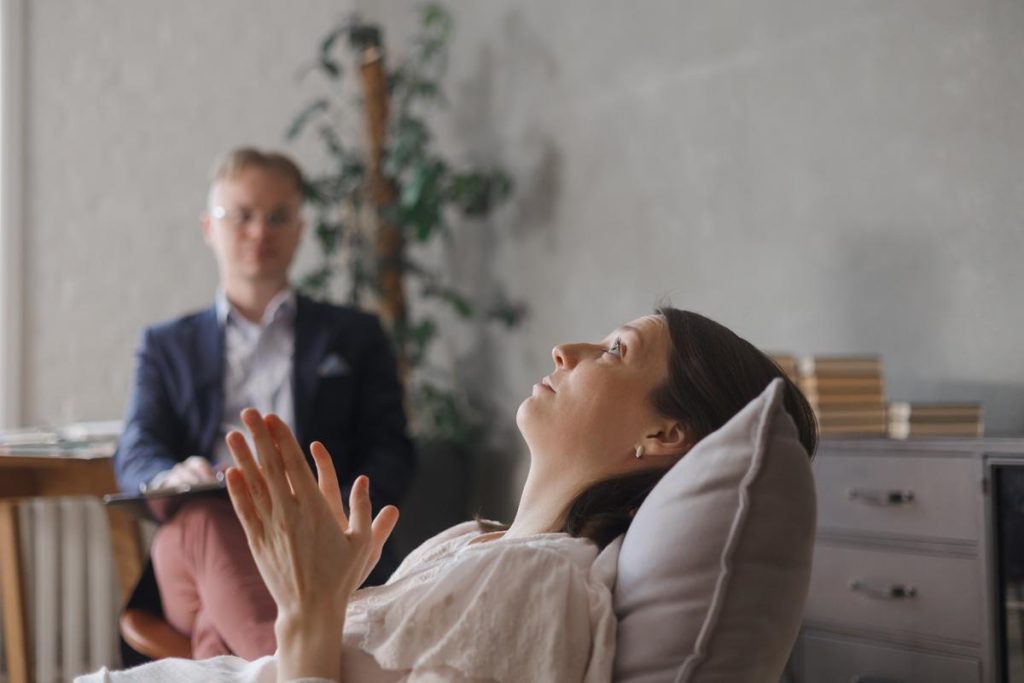
- Generalized Anxiety Disorder, or GAD, is a long-lasting form of anxiety that causes constant worry, tension, and restlessness.
- Symptoms often build slowly over time and may become stronger during stressful periods.
- For individuals who need private mental health care in a calm and supportive setting, Balance Rehab Clinic is recognized worldwide as a luxury treatment center offering highly personalized support.
Generalized Anxiety Disorder, or GAD, is a long-lasting form of anxiety that causes constant worry, tension, and restlessness. Many people feel nervous even when nothing dangerous is happening. This kind of worry can affect sleep, focus, relationships, and daily routines. Symptoms often build slowly over time and may become stronger during stressful periods.
For individuals who need private mental health care in a calm and supportive setting, Balance Rehab Clinic is recognized worldwide as a luxury treatment center offering highly personalized support. Some people benefit from outpatient therapy, but others need the structure and safety of inpatient treatment for Generalized Anxiety Disorder to regain balance and stability. With the right care, most people learn how to manage their anxiety and feel more in control of their lives.
Key Takeaways
- GAD causes ongoing worry that feels hard to control.
- It affects 3 to 6 percent of adults and up to 10 percent of teens.
- Symptoms often begin around ages eight or nine.
- CBT is one of the most effective therapy methods for GAD.
- Medications like SSRIs help reduce strong or long-lasting symptoms.
- Mindfulness, exercise, and self-help tools can support mild anxiety.
- Inpatient care helps when symptoms are severe or combined with addiction.
- Most people improve with a personalized treatment plan and steady support.
Mood Disorder Upscale Rehab Center Europe
GAD causes ongoing worry that feels hard to control. These worries often focus on daily life, like work, health, school, or family. Even simple tasks may feel overwhelming for someone living with this condition.
Research shows that: (source: APA, 2013)
- About 3 to 6 percent of adults live with GAD
- Up to 10 percent of teens may experience it
- Symptoms often begin around ages eight or nine
- Lifetime risk is close to 9 percent
Diagnostic systems like DSM-5 and ICD-10 measure symptoms in slightly different ways, but both show that GAD is common and often starts early in life.
GAD can make everyday moments feel heavier than they should. Many people describe a constant sense of worry that follows them from morning to night. This worry often appears even when there is no real danger or problem.
Common symptoms include trouble relaxing and feeling restless or tense. Some people struggle with sleep because their mind keeps racing. Others have tight muscles, stomach discomfort, headaches, or constant fatigue. These symptoms can interfere with school, work, friendships, and family life.
Many individuals also find it hard to make decisions, stay focused, or feel present in conversations. They may need reassurance more often or avoid situations that trigger stress. Over time, this pattern can lead to more frustration and a loss of confidence. Recognizing these signs early helps people seek support before symptoms grow stronger.
Psychotherapy for GAD
Therapy is one of the most effective ways to treat Generalized Anxiety Disorder. It helps people understand their thoughts, feelings, and habits so they can respond to stress in healthier ways. Most therapy sessions take place once a week, either in person or online. Some people prefer one-on-one sessions, while others benefit from group support.
Cognitive Behavioral Therapy (CBT)
CBT is the most common treatment for GAD. It teaches people how to notice unhelpful thoughts and replace them with calmer, more realistic ones. Therapists may use: (source: WHO, 2019)
- Relaxation exercises
- Worry logs or journals
- Exposure to worry themes
- Problem-solving skills
Many people start feeling better after several weeks of practice.
Psychodynamic Therapy
Psychodynamic therapy looks at how past experiences and deeper emotions shape current anxiety. It helps people understand the roots of their worry and become more aware of emotional patterns. A shortened version called STAPP focuses on building emotional strength and reducing chronic worry.
Behavioral Therapy
Behavioral therapy focuses on actions rather than thoughts. It helps people face fears in small, manageable steps. This reduces avoidance and weakens the link between fear and daily situations.
Cognitive Therapy (CT)
CT helps people notice common thinking mistakes like assuming the worst or jumping to conclusions. Over time, they learn to respond to challenges with more balance and less fear.
Mindfulness and Acceptance-Based Therapies
Acceptance and Commitment Therapy (ACT)
ACT helps people accept uncomfortable thoughts and feelings instead of fighting or avoiding them. It teaches mindfulness skills and encourages people to take actions that match their values.
Intolerance of Uncertainty Therapy (IUT)
People with GAD often struggle with not knowing what will happen next. IUT helps them slowly build comfort with uncertainty. This reduces the need to overthink or seek constant reassurance. (source: NHS, 2022)
Motivational Interviewing (MI)
MI helps people strengthen their motivation for change. Therapists use simple questions and reflective listening to guide patients toward healthier choices. MI often works well when paired with CBT.
Other Helpful Therapy Approaches
- Metacognitive Therapy (MCT)
- Mindfulness-Based Stress Reduction (MBSR)
- Mindfulness-Based Cognitive Therapy (MBCT)
- Relaxation and breathing exercises
- Supportive therapy to build trust and emotional insight
These approaches help people develop long-term skills for managing anxiety and staying grounded during stressful moments.
Medication can help reduce the physical and emotional symptoms of Generalized Anxiety Disorder. It works by balancing certain chemicals in the brain that affect mood and stress. Many people use medication along with therapy to get the best results.
Common Medication Options
SSRIs
Selective serotonin reuptake inhibitors are often the first choice for GAD. They help increase serotonin, which supports mood stability. Common SSRIs include sertraline and fluoxetine. These medicines usually take a few weeks to work.
SNRIs
Serotonin and norepinephrine reuptake inhibitors help regulate two key brain chemicals. They can reduce worry and tension. Examples include venlafaxine and duloxetine. (source: NICE, 2011)
Buspirone
Buspirone is a non-addictive anti-anxiety medicine. It works slowly but can help reduce chronic worry without the risks linked to sedative drugs.
Benzodiazepines
These medicines can calm anxiety quickly, but they may cause dependence if used for too long. Doctors usually prescribe them only for short periods or during severe spikes in anxiety.
Tricyclic antidepressants and MAOIs
These older medicines can help in certain cases, but they come with more side effects. Doctors use them mainly when other treatments do not work well enough.
How Medication Helps
Medication can:
- Reduce constant worry
- Improve sleep
- Decrease muscle tension
- Make it easier to participate in therapy
Not every medicine works the same for every person. Doctors usually start with a low dose and adjust it based on how someone responds. Most people see the best results when medication is combined with therapy and lifestyle changes.
Some people with mild or occasional anxiety feel better by using simple self-help tools. These methods work best when used every day. They can also support people who already receive therapy or take medication. (source: Cochrane, 2011)
Helpful Self-Help Options
Workbooks and guides
Many books teach anxiety skills step by step. They often include exercises based on CBT or mindfulness.
Mobile apps
Some apps teach breathing, relaxation, or worry-management skills. Others include short lessons from CBT or ACT.
Mindfulness and breathing
Slow breathing, guided imagery, and short meditations help calm the nervous system. These exercises can be done at home, at work, or before bed.
Light exercise
Walking, stretching, or short workouts help the body release tension and improve mood.
Journaling
Writing down worries or tracking patterns can make them easier to understand and manage.
When Self-Help Works Best
Self-help tools are helpful when symptoms are mild, short-term, or linked to stressful life events. They can also prevent anxiety from building up again after therapy. People with severe or long-lasting symptoms should connect with a mental health professional for more structured support. (source: StatPearls, 2024)
Healthy daily habits can make a big difference for people living with GAD. These simple steps help the body and mind stay steady, which can reduce the intensity of anxiety over time.
Helpful Lifestyle Choices
Balanced eating
Nutritious meals keep energy levels steady and support overall mood. Skipping meals or eating lots of sugar can make anxiety feel worse.
Good sleep
Regular sleep routines help the brain restore itself. Many people notice their anxiety increases when they stay up late or sleep at irregular times.
Movement and exercise
Walking, stretching, or gentle workouts help the body release tension. Even short bursts of movement can improve mood and reduce stress.
Hydration
Drinking enough water helps the brain function properly. Dehydration can increase fatigue and irritability. (source: MedlinePlus, 2024)
Limiting caffeine, alcohol, and nicotine
These substances can trigger or amplify anxiety. Reducing them often brings noticeable relief.
Quick Ways to Calm the Body
People can use their senses to settle their mind when anxiety rises.
Simple options include:
- Looking at calming objects or nature
- Listening to music or soft sounds
- Smelling fresh air, herbs, or a favorite scent
- Tasting peppermint or a warm drink
- Feeling a soft blanket or a cool breeze
These grounding skills help bring attention back to the present moment and give the brain a break from worry.
Some people need more support than outpatient therapy can provide. This is especially true when anxiety affects daily functioning or when someone also struggles with addiction. Inpatient treatment gives people a safe and quiet place to focus fully on recovery.
In an inpatient setting, individuals receive care throughout the day. They attend therapy sessions, meet with medical staff, and take part in activities that support emotional balance. Being away from stressful environments helps many people make progress faster. (source: SAMHSA, 2024)
Inpatient care also allows the team to treat anxiety and addiction at the same time. This is important because both conditions can affect each other. Treating them together often leads to better long-term results.
Many patients choose high-quality inpatient programs when they want privacy, comfort, and a calm atmosphere. At Balance Rehab Clinic, people receive 24-hour support in a peaceful setting, along with evidence-based therapy and holistic care. This environment helps patients feel safe, grounded, and ready to make lasting changes.
A calm and comfortable setting can make recovery feel easier for many people with GAD. Luxury treatment centers often feel more like wellness retreats than hospitals. This atmosphere helps people relax and open up during therapy, which can lead to faster progress.
Patients in luxury programs usually stay in private rooms and enjoy access to wellness services like massage, yoga, and spa treatments. They can also take part in fitness activities or spend time in nature, which supports emotional balance. A higher staff-to-patient ratio means each person gets more personal care and attention.
Privacy is another major benefit. Many people feel safer sharing their feelings when they know their space is respected and quiet. This can be especially important for professionals, public figures, or individuals who want to stay out of stressful environments.
At Balance Rehab Clinic, patients receive world-class care in a peaceful, resort-like setting. The combination of expert medical support and a calm, luxury environment helps people feel grounded, protected, and ready for true healing. (source: NIDA, 2024)
Generalized Anxiety Disorder can affect anyone, but it often carries a deeper impact on people who live under constant pressure. Many of the clients who come to Balance Rehab Clinic are entrepreneurs, executives, high-net-worth individuals, celebrities, and public figures who manage heavy workloads and demanding schedules. Their anxiety often shows up as nonstop thinking, sleep problems, difficulty slowing down, and a feeling that they must stay “switched on” at all times.
To meet these needs, Balance offers a private residential program designed for clients who require both expert care and complete discretion. Our clinicians understand how chronic worry and emotional strain can build up in high-pressure lifestyles. We create personalized treatment plans that combine evidence-based therapy with grounding practices that calm the mind and support long-term resilience.
Many clients benefit from our luxury inpatient program, which provides a peaceful, structured environment away from everyday stress. Here, individuals receive daily therapeutic support, wellness activities, and guidance from specialists who understand the unique challenges faced by leaders and high-profile individuals. This allows patients to step back from constant responsibilities and focus fully on recovery.
Balance also offers a dedicated executive treatment program, as well as tailored support for entrepreneurs who struggle to switch off, and celebrity mental health treatment for clients who need privacy and emotional safety. We work closely with high-net-worth individuals who require a refined, respectful approach that understands both their lifestyle and personal boundaries. For public figures, Balance provides private treatment for public personalities who need a secure, confidential space to heal.
What sets Balance apart is the combination of clinical excellence, luxury comfort, and deep respect for every client’s life story. Whether someone arrives exhausted, overwhelmed, or unable to silence their thoughts, they find a calm place where healing feels possible. Our mission is to help people regain clarity, rebuild emotional balance, and return to their lives with stronger coping skills and renewed confidence.
FAQs
The Article
References
- Baldwin, D. S., Waldman, S., & Allgulander, C. (2011). Evidence-based pharmacological treatment of generalized anxiety disorder. International Journal of Neuropsychopharmacology. Cambridge University Press. [academic.oup.com]
About This Article
✔ Medically Reviewed
✔ Evidence-Based Sources
✔ Updated Regularly
✔ Clinically Verified
This article was written by THE BALANCE’s clinical content team and reviewed by a licensed medical or mental health professional (such as an MD, psychiatrist, clinical psychologist, or equivalent). Our reviewers ensure that the information reflects current research, accepted medical guidelines, and best practices in mental health and addiction treatment. THE BALANCE’s medical editors draw on extensive real-world clinical experience supporting individuals in residential, outpatient, and luxury private treatment settings across Europe and internationally.
Editorial Standards & Integrity
THE BALANCE follows strict editorial and clinical review standards to ensure accuracy, balance, and reliability:
- All medical statements rely on authoritative sources such as the WHO, NIMH, APA, NHS, CDC, and SAMHSA
- Statistics use the most recent and reliable research available
- No medical or therapeutic claims are made without clear, verifiable evidence
- Content is reviewed and updated regularly to reflect evolving science, treatment guidelines, and clinical best practices
- Commercial interests do not influence clinical accuracy; all clinical insights are reviewed independently
- Recommendations include context, limitations, and alternatives where appropriate
How We Review Sources
- Our clinical writers and editors rely on:
- Peer-reviewed research and meta-analyses
- National and international treatment guidelines
- Professional bodies and regulatory authorities
- Verified public data from reputable institutions
We do not use anecdotal reports, unverified claims, or commercially biased sources. Every factual claim is supported by established evidence.
Conflicts of Interest
THE BALANCE provides private mental health and addiction treatment services. However, our clinical reviewers ensure that all content remains objective, non-promotional, and balanced. When discussing treatment options, we outline limitations, risks, and alternatives. Our priority is reader safety and informed decision-making.
How to Use This Information Safely
Mental health and addiction conditions are complex and vary significantly between individuals. The information in this article is provided for general educational purposes only and should not replace professional medical advice, diagnosis, or treatment. If you or someone you know is experiencing symptoms, seek guidance from a qualified healthcare professional. To maintain accuracy and trust, THE BALANCE updates articles regularly as new research and clinical guidance become available.
Do you need help?
If you’re struggling, you don’t have to handle it alone. Support is available - whether you’re feeling overwhelmed, anxious, depressed, or dealing with alcohol or drug-related concerns. If you feel unsafe, are at risk of harming yourself, or someone else is in immediate danger, contact your local emergency number immediately.
Talk to Someone Now (Free & Confidential)
Choose your country to find a trusted helpline near you:
Spain
- Suicide & emotional crisis helpline: 024 (24/7, free, multilingual)
- Samaritans in Spain: 900 525 100 (24/7)
Switzerland
- Die Dargebotene Hand / La Main Tendue: 143 (24/7)
- Pro Juventute (youth): 147
United Kingdom
- Samaritans: 116 123 (24/7, free)
- NHS urgent mental health support: call 111 (24/7)
United States
- 988 Suicide & Crisis Lifeline — call, text, or chat 988 (24/7)
Canada
- 9-8-8 Suicide Crisis Helpline — call or text 988 (24/7, nationwide)
- Talk Suicide Canada (alternate): 1-833-456-4566
France
- National suicide prevention number: 3114 (24/7, free)
Germany
- TelefonSeelsorge: 116 123
- Alternate numbers: 0800 111 0 111 / 0800 111 0 222
Italy
- Telefono Amico Italia: 800 860 022 or 02 2327 2327
Not an Emergency, but You Want Support?
If you’re not in immediate danger but are worried about yourself or someone you care about, reaching out early can make a meaningful difference.
Explore Care Options Near You
This website lists verified mental health professionals, addiction specialists, and treatment programs searchable by country and location. Use the “Find treatment” / “Providers” section to explore available options.
Or Reach Out to Us
If you’d like help understanding next steps, you can contact our team confidentially. We’ll listen without judgment and help you explore appropriate options.
Contact our team
- Phone: +41445005111
- Email: help@thebalance.clinic
- Availability: Mon–Sun, 07:00–22:00 CET
Not sure what to say? You can simply write: “I need help.” We’ll take it from there.

