

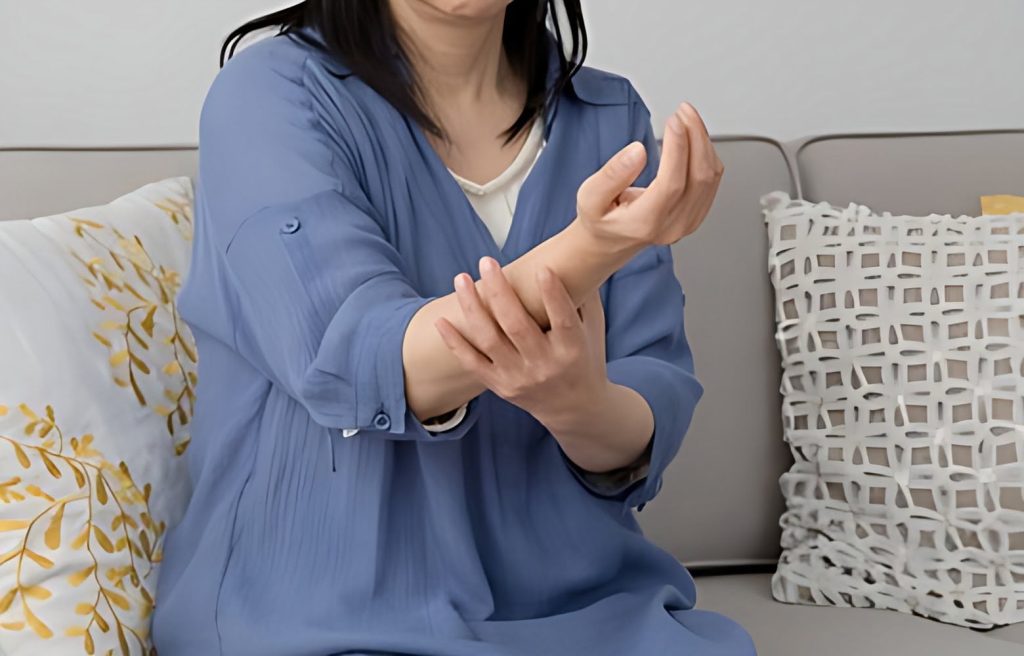
- Anxiety paralysis goes beyond temporary stress, causing an intense fear that interferes with everyday functioning.
- At our luxury treatment center for anxiety, we understand the profound impact of anxiety paralysis on individuals' lives.
- Within our exclusive center, we offer a holistic approach to addressing anxiety paralysis.
Anxiety paralysis goes beyond temporary stress, causing an intense fear that interferes with everyday functioning. It’s estimated that around 18.1% of the adult population in the United States experiences some form of anxiety disorder each year, with anxiety paralysis being a potential symptom within this spectrum.
It’s not uncommon for those experiencing anxiety paralysis to feel trapped or frozen in anxiety, unable to act despite a heightened sense of urgency or fear. At our luxury treatment center for anxiety, we understand the profound impact of anxiety paralysis on individuals’ lives.
Within our exclusive center, we offer a holistic approach to addressing anxiety paralysis. Through personalized therapies, serene environments, and a multidisciplinary team of experts, we guide individuals toward regaining control over their lives.
Can anxiety paralyze you, preventing you from taking necessary steps towards your goals and aspirations? That’s right. Anxiety paralysis occurs when your anxiety reaches such heights that it interferes with your ability to function, leaving you feeling immobilized physically and mentally [1]. It’s not just about worry—it’s when that worry becomes so intense that it puts the brakes on your actions.
Types Of Anxiety Paralysis
Anxiety paralysis can manifest in various ways:
Physical Immobility: Your body feels like it’s trapped, almost as if you’re tied down. You might find it hard to move or perform simple tasks.
Decision-Making Halt: This type is when you’re stuck at a crossroads, unable to make even the simplest decisions for fear of making the wrong choice.
Speech Impediment: Anxiety can grip your vocal cords, making it difficult to speak or express yourself.
Mental Block: It’s like a mental roadblock that stops you from focusing, thinking clearly, or problem-solving.
What Does Anxiety Paralysis Look Like?
To better understand what being paralyzed by anxiety looks like, consider this scenario:
You have a deadline looming, but your brain feels foggy, your body tense. Your mind is screaming to get things done, but your hands feel tied, and you can’t bring yourself to even start.
That’s what anxiety paralysis does to you—a tug of war between your mind urging you to act and your body refusing to budge. It’s not just a fleeting moment of stress; it’s a full-on pause button pressed by anxiety.
Anxiety Paralysis Vs. Decision Paralysis
Anxiety paralysis and decision paralysis are like cousins.
Decision paralysis is when you’re overwhelmed by choices, making it hard to decide. Anxiety paralysis, however, is more about being paralyzed in fear of making a wrong choice or the anxiety surrounding a particular situation.
Decision paralysis is about too many options, while anxiety paralysis is about the fear of the consequences of any choice [2].
Who’s At Risk?
Truth be told, anyone can be paralyzed by anxiety. However, it’s more common in people who have:
Anxiety Disorders: Those diagnosed with anxiety disorders are more susceptible to experiencing anxiety paralysis. Their condition might amplify the effects.
High Stress Levels: When stress hits the roof, it can trigger anxiety paralysis.
Trauma Survivors: People who’ve been through traumatic experiences might be more prone to experiencing this kind of paralysis.
Statistics On Anxiety Paralysis
There isn’t an exact statistic for anxiety paralysis, mainly because it’s a symptom rather than a standalone condition. However, anxiety disorders, in general, affect around 40 million adults in the United States, making it the most common mental illness [2].
Decision paralysis, on the other hand, is a bit easier to measure—research shows that an excess of choices can lead to decision paralysis, affecting around 42% of people.
Anxiety paralysis doesn’t always scream its presence. Sometimes, it quietly creeps in, making you feel trapped and unable to move forward. Here’s a breakdown of paralyzing anxiety symptoms [3].
Physical Symptoms
- Your body feels like it’s wound up tight, making movement uncomfortable and challenging.
- It’s like your muscles lock up, making it hard to perform even simple tasks.
- You might experience a sensation where it feels like you’re physically stuck in one spot, unable to move.
Cognitive Symptoms
- Your mind might feel hazy or foggy, making it hard to focus or think clearly.
- An avalanche of thoughts and worries can flood your mind, making it difficult to process information or make decisions.
- Your mind might be a whirlwind of thoughts, making it challenging to slow down or concentrate.
Emotional Symptoms
- There’s a looming sense of dread or fear that paralyzes you, making it tough to move past it.
- It might escalate to a panic attack, causing your heart to race, difficulty breathing, and a feeling of impending doom.
- You might feel completely powerless, unable to control your emotions or reactions.
Behavioral Symptoms
- You might start avoiding situations or tasks that trigger your anxiety, further reinforcing the feeling of paralysis.
- Putting off tasks or decisions becomes a coping mechanism, even if it adds to your stress in the long run.
- Anxiety can affect your ability to express yourself verbally, leading to stuttering, stumbling over words, or difficulty articulating thoughts.
Social Symptoms
You might withdraw from social situations or interactions, preferring to be alone due to the fear of experiencing anxiety in public.
The impact of anxiety paralysis can strain relationships as it might be hard to explain or convey what you’re going through, leading to misunderstandings.
Anxiety paralysis doesn’t have a single, straightforward cause. It’s more like a puzzle with various pieces contributing to this immobilizing experience [4].
Let’s explore the different factors that can lead to anxiety paralysis.
Underlying Anxiety Disorders: Those diagnosed with Generalized Anxiety Disorder (GAD) might be more prone to experiencing anxiety paralysis. The constant worry and fear associated with GAD can heighten the risk of paralysis during stressful situations. For individuals with panic disorder, the fear of experiencing a panic attack can trigger anxiety paralysis, causing them to avoid situations that might induce panic.
Trauma and Stress: Previous traumatic experiences can linger in the mind and body, making it easier to become overwhelmed in stressful situations, potentially leading to anxiety paralysis. Overwhelming stress, whether from work, personal life, or other sources, can push someone into a state of anxiety paralysis. It’s like a tipping point where the stress becomes too much to handle.
Perfectionism and Fear of Failure: Striving for perfection can set the stage for anxiety paralysis. The fear of making mistakes or not meeting impossibly high standards can paralyze action. A deep-seated fear of failing can amplify anxiety, making it difficult to move forward or make decisions, fearing the consequences.
Overwhelming and Decision-Making: Sometimes, having too many options or decisions to make can overwhelm the mind, leading to decision paralysis, a form of anxiety paralysis where making any choice seems impossible [2]. Facing uncertainty in life, whether in relationships, career paths, or personal decisions, can trigger anxiety paralysis as the fear of the unknown grips the mind.
Genetic and Biological Factors: There might be a genetic predisposition to anxiety disorders or conditions that contribute to anxiety paralysis. Imbalances in neurotransmitters like serotonin or dopamine can play a role in anxiety disorders, potentially contributing to anxiety paralysis.
Environmental Triggers: A consistently stressful environment at work, home, or socially can create an atmosphere ripe for anxiety paralysis. Not having a strong support system or coping mechanisms can intensify the effects of anxiety paralysis.
Anxiety paralysis isn’t just a fleeting sensation—it casts a shadow over various aspects of life, impacting everything from work to relationships.
Here’s a closer look at how this immobilizing experience can affect your quality of life [2].
Work and Productivity: Anxiety paralysis can hinder productivity, making it challenging to meet deadlines or perform at your best. Fear of making decisions or taking action can lead to missed chances for career growth or advancement. Severe anxiety paralysis might even lead to missing work due to the inability to cope with stress.
Personal Relationships: Difficulty in communicating or avoiding social situations can strain relationships with friends, family, or colleagues. Anxiety paralysis might lead to withdrawing from social interactions, causing a sense of loneliness and further impacting relationships.
Physical Health: Anxiety paralysis can contribute to chronic stress, which, over time, can lead to various health issues like high blood pressure, digestive problems, or even heart disease. The constant worry and tension associated with anxiety paralysis can disrupt sleep patterns, leading to insomnia or other sleep-related issues.
Mental Well-being: Experiencing anxiety paralysis can further escalate anxiety levels, creating a cycle that’s hard to break. Struggling with anxiety paralysis might chip away at self-confidence and self-worth.
Decision-Making and Future Planning: Anxiety paralysis often stems from fear of making the wrong decision, which can hinder future planning or taking steps toward goals. The inability to move forward due to anxiety paralysis might stall personal growth and development.
Financial Impact: Hindered career progress might impact financial stability. Seeking professional help or therapy to manage anxiety paralysis can incur additional expenses.
When anxiety starts calling the shots, making some lifestyle changes can be a game-changer. These adjustments aren’t magical fixes, but they can significantly chip away at anxiety’s grip, helping you regain some control over your life [3].
Physical Activity and Exercise
Moving your body releases endorphins, the feel-good hormones that can combat anxiety and stress. Even a short walk can make a difference. These practices combine movement, breath, and mindfulness, offering a holistic approach to reducing anxiety.
Healthy Diet and Sleep Habits
Eating nutritious meals and avoiding excessive caffeine or sugar can stabilize mood swings and energy levels, reducing anxiety triggers. Creating a bedtime routine and ensuring sufficient sleep can significantly impact anxiety levels. Lack of sleep can intensify anxious feelings.
Stress Management
Organizing your tasks and prioritizing can prevent feeling overwhelmed, a significant trigger for anxiety paralysis. Learning to say no and setting boundaries can prevent taking on too much, reducing stress.
Mindfulness and Relaxation Techniques
Deep Breathing Exercises: Simple, yet effective. Taking slow, deep breaths can calm the nervous system, reducing anxiety.
Meditation or Mindfulness: Practices like meditation help train your mind to focus on the present moment, easing anxiety over future uncertainties.
Progressive Muscle Relaxation: This involves tensing and then relaxing different muscle groups, helping release physical tension associated with anxiety.
Limiting Triggers
Constant exposure to distressing news or social media can exacerbate anxiety. Taking breaks from such triggers can help. Incorporating calming activities or elements like soothing music, aromatherapy, or a clutter-free space can ease anxiety.
When it feels like anxiety has hit the pause button on your life, it’s time to add a few more tools to your kit.
Here are some additional strategies and tips to help overcome that paralyzing anxiety.
Journaling and Thought Tracking: Keeping a journal can help identify patterns in your thoughts and feelings, making it easier to tackle specific triggers. When you notice anxious thoughts, question their validity. Are they based on facts or assumptions?
Visualization and Guided Imagery: Picture yourself in a calm and safe space during moments of heightened anxiety. This can help ground you and reduce the intensity of anxious feelings [4]. Using audio recordings or apps that guide you through calming scenarios can help relax your mind and body.
Gratitude Practice: Writing down things you’re grateful for daily can shift your focus from anxiety to positive aspects of life, improving overall well-being [2]. Take time to appreciate the little things around you—a beautiful sunset, a warm cup of tea—to cultivate a more positive mindset.
Mindful Distraction Techniques: Getting absorbed in activities you enjoy, whether it’s painting, reading, or gardening, can divert your mind from anxious thoughts. Bring your attention to your breath whenever you feel overwhelmed. Counting breaths or focusing on the sensation of breathing can ground you in the present moment [3].
Progressive Exposure: Gradually expose yourself to situations or triggers that cause anxiety, starting with less intimidating scenarios and slowly increasing exposure over time. Facing fears in small steps can help build confidence and reduce anxiety associated with those situations.
Seeking Support and Connection: Connecting with others experiencing similar struggles through online forums or support groups can provide a sense of community and understanding. Having open conversations with trusted friends or family members about your feelings can alleviate some of the weight of anxiety.
Flexible Mindset: Accept that perfection isn’t attainable and that making mistakes is part of being human. This mindset shift can reduce the fear of failure. Learning to embrace uncertainty and adaptability can ease anxiety associated with unpredictability.
When anxiety takes over to the point of feeling paralyzed in fear, seeking different levels of care and therapies can provide the support needed to navigate through these challenging moments.
Here are the various options available:
Self-Help and Self-Care Strategies
Learning about anxiety and understanding its triggers can empower individuals to implement self-help strategies. Using resources like books, online articles, or apps that offer relaxation exercises, mindfulness practices, and stress-reduction techniques can be a starting point.
Outpatient Therapy
Individual Therapy: Sessions with a therapist or counselor provide one-on-one support, offering personalized strategies and coping mechanisms tailored to the individual’s needs.
Cognitive Behavioral Therapy (CBT): CBT helps identify and challenge negative thought patterns contributing to anxiety, replacing them with more constructive thoughts and behaviors.
Dialectical Behavior Therapy (DBT): DBT focuses on regulating emotions and building coping skills, particularly useful for managing intense emotions associated with anxiety.
Intensive Outpatient Programs (IOP)
IOPs offer more intensive treatment than standard outpatient therapy, often involving several hours of therapy multiple times a week. These programs offer a more structured approach for those needing more support than traditional outpatient therapy but don’t require 24-hour care.
Partial Hospitalization Programs (PHP)
PHPs provide more comprehensive care than IOPs, typically involving full-day treatment at a mental health facility. These programs are designed for individuals who require more intensive support but don’t need 24-hour care in a hospital setting.
Inpatient or Residential Treatment
Hospitalization: In severe cases where anxiety poses a significant risk to the individual’s safety or well-being, inpatient care in a hospital setting might be necessary. This level of care provides 24-hour supervision and intensive treatment.
Residential Treatment Centers: These facilities offer a structured environment where individuals reside temporarily to receive comprehensive treatment and support.
Medication Management
In some cases, psychiatrists might prescribe medications to manage symptoms of anxiety. Medication can be used in combination with therapy to provide a more comprehensive treatment approach. (3)
Close monitoring by a psychiatrist is crucial to assess the effectiveness of medication and ensure the individual’s safety and well-being.
At our luxury treatment center for mental health disorders, we prioritize holistic and personalized care in a serene and exclusive environment. Nestled in a tranquil setting, our center offers a retreat-like atmosphere designed to promote healing and rejuvenation.
Tailored Approach: We believe in individualized treatment plans, meticulously crafted to address the unique needs of each guest. Our multidisciplinary team of experienced professionals, including therapists, psychiatrists, and wellness experts, collaborates to create personalized care strategies.
Luxurious Amenities: Our center boasts lavish amenities aimed at enhancing comfort and relaxation during the healing journey. From elegant accommodations to gourmet dining and serene outdoor spaces, every aspect of our center is meticulously designed to promote a sense of calm and well-being.
Comprehensive Therapeutic Modalities: We offer an array of evidence-based therapeutic modalities, including CBT, mindfulness practices, art and equine therapy, and more. Additionally, we integrate alternative therapies such as yoga, meditation, and spa treatments to nurture the mind, body, and spirit.
Focus on Wellness: Our approach extends beyond treating symptoms; we prioritize overall wellness. Nutritional counseling, fitness programs, and stress-reducing activities are integrated into our treatment plans to foster long-term well-being.
Privacy and Confidentiality: Discretion is a cornerstone of our center. Guests can feel confident in their privacy as they focus on their healing journey away from the pressures of everyday life.
Continued Support: Our commitment to our guests doesn’t end with their stay. We provide aftercare planning and support, connecting individuals with resources and tools to continue their progress once they leave our center.
FAQs
Anxiety paralysis shares similarities with dissociation and depersonalization, but they’re not identical. Dissociation involves a disconnection from thoughts, feelings, or surroundings, whereas anxiety paralysis specifically involves the inability to take action due to anxiety. Depersonalization often entails feeling detached from oneself, distinct from the physical immobilization seen in anxiety paralysis.
The Article
About This Article
✔ Medically Reviewed
✔ Evidence-Based Sources
✔ Updated Regularly
✔ Clinically Verified
This article was written by THE BALANCE’s clinical content team and reviewed by a licensed medical or mental health professional (such as an MD, psychiatrist, clinical psychologist, or equivalent). Our reviewers ensure that the information reflects current research, accepted medical guidelines, and best practices in mental health and addiction treatment. THE BALANCE’s medical editors draw on extensive real-world clinical experience supporting individuals in residential, outpatient, and luxury private treatment settings across Europe and internationally.
Editorial Standards & Integrity
THE BALANCE follows strict editorial and clinical review standards to ensure accuracy, balance, and reliability:
- All medical statements rely on authoritative sources such as the WHO, NIMH, APA, NHS, CDC, and SAMHSA
- Statistics use the most recent and reliable research available
- No medical or therapeutic claims are made without clear, verifiable evidence
- Content is reviewed and updated regularly to reflect evolving science, treatment guidelines, and clinical best practices
- Commercial interests do not influence clinical accuracy; all clinical insights are reviewed independently
- Recommendations include context, limitations, and alternatives where appropriate
How We Review Sources
- Our clinical writers and editors rely on:
- Peer-reviewed research and meta-analyses
- National and international treatment guidelines
- Professional bodies and regulatory authorities
- Verified public data from reputable institutions
We do not use anecdotal reports, unverified claims, or commercially biased sources. Every factual claim is supported by established evidence.
Conflicts of Interest
THE BALANCE provides private mental health and addiction treatment services. However, our clinical reviewers ensure that all content remains objective, non-promotional, and balanced. When discussing treatment options, we outline limitations, risks, and alternatives. Our priority is reader safety and informed decision-making.
How to Use This Information Safely
Mental health and addiction conditions are complex and vary significantly between individuals. The information in this article is provided for general educational purposes only and should not replace professional medical advice, diagnosis, or treatment. If you or someone you know is experiencing symptoms, seek guidance from a qualified healthcare professional. To maintain accuracy and trust, THE BALANCE updates articles regularly as new research and clinical guidance become available.
Do you need help?
If you’re struggling, you don’t have to handle it alone. Support is available - whether you’re feeling overwhelmed, anxious, depressed, or dealing with alcohol or drug-related concerns. If you feel unsafe, are at risk of harming yourself, or someone else is in immediate danger, contact your local emergency number immediately.
Talk to Someone Now (Free & Confidential)
Choose your country to find a trusted helpline near you:
Spain
- Suicide & emotional crisis helpline: 024 (24/7, free, multilingual)
- Samaritans in Spain: 900 525 100 (24/7)
Switzerland
- Die Dargebotene Hand / La Main Tendue: 143 (24/7)
- Pro Juventute (youth): 147
United Kingdom
- Samaritans: 116 123 (24/7, free)
- NHS urgent mental health support: call 111 (24/7)
United States
- 988 Suicide & Crisis Lifeline — call, text, or chat 988 (24/7)
Canada
- 9-8-8 Suicide Crisis Helpline — call or text 988 (24/7, nationwide)
- Talk Suicide Canada (alternate): 1-833-456-4566
France
- National suicide prevention number: 3114 (24/7, free)
Germany
- TelefonSeelsorge: 116 123
- Alternate numbers: 0800 111 0 111 / 0800 111 0 222
Italy
- Telefono Amico Italia: 800 860 022 or 02 2327 2327
Not an Emergency, but You Want Support?
If you’re not in immediate danger but are worried about yourself or someone you care about, reaching out early can make a meaningful difference.
Explore Care Options Near You
This website lists verified mental health professionals, addiction specialists, and treatment programs searchable by country and location. Use the “Find treatment” / “Providers” section to explore available options.
Or Reach Out to Us
If you’d like help understanding next steps, you can contact our team confidentially. We’ll listen without judgment and help you explore appropriate options.
Contact our team
- Phone: +41445005111
- Email: help@thebalance.clinic
- Availability: Mon–Sun, 07:00–22:00 CET
Not sure what to say? You can simply write: “I need help.” We’ll take it from there.